Self adhesive Plastic Label Roll
CN → US| HS Code | Tariff Rate | Origin | Destination | Doc |
|---|---|---|---|---|
| 3919102055 | 40.8% | CN | US | Official Doc |
| 3919905060 | 40.8% | CN | US | Official Doc |
| 4821902000 | 35.0% | CN | US | Official Doc |
| 3919905060 | 40.8% | CN | US | Official Doc |
| 3919102055 | 40.8% | CN | US | Official Doc |
Product Images
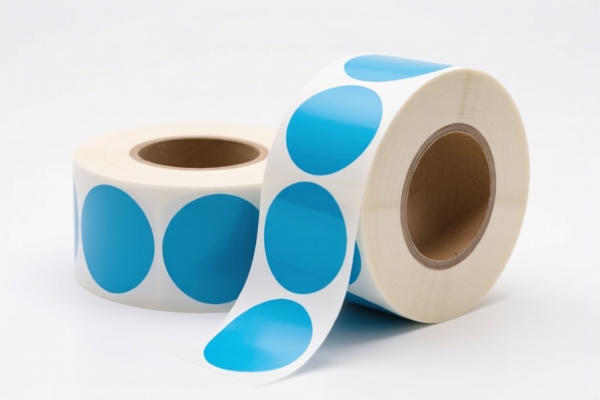
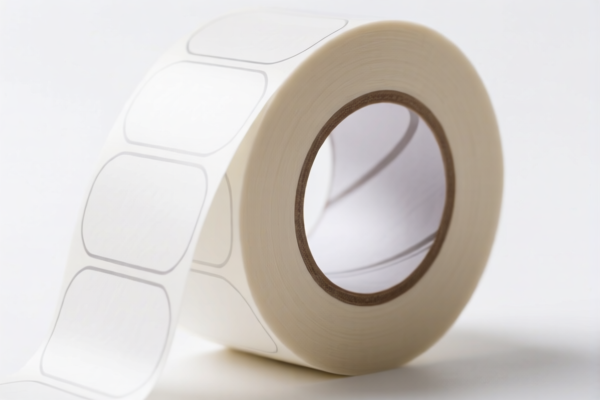
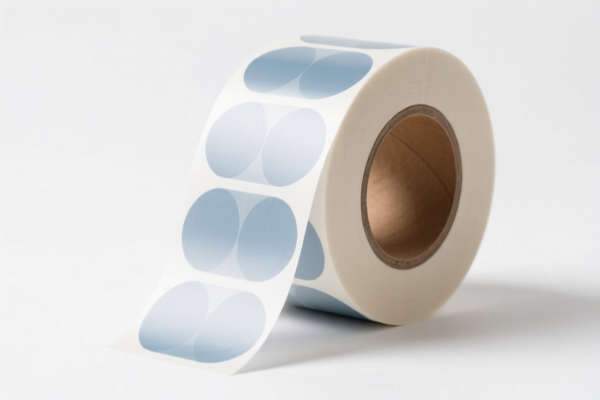
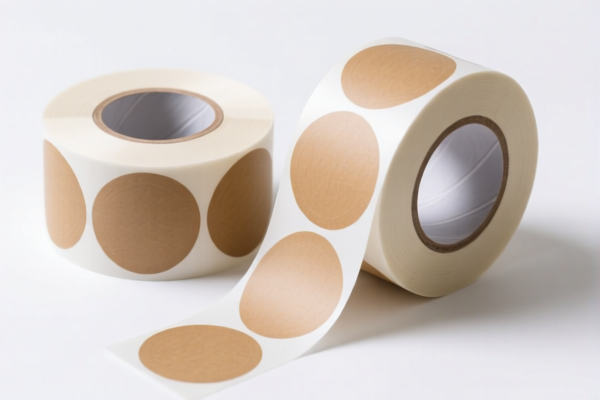
AI Analysis
🏷️ Self-Adhesive Plastic Label Roll (Self-Adhesive Plastic Sticker Roll)
🌐 HS Code Reference & Customs Clearance Guide | 2026 Latest Tariff Analysis | Professional Compliance Strategy
📌 I. Product Definition & Classification: Do You Really Understand "Plastic Label Rolls"?
"Self-Adhesive Plastic Label Rolls" are ubiquitous in global trade, used for branding, information identification, and packaging on appliances, electronics, and consumer goods. However, material composition is the single most critical factor in determining its HS Code.
The classification hinges on one key question: What is the backing material?
- Plastic-Based: If the backing and face material are both plastic/polymer (e.g., PET, PVC, PP), it falls under Chapter 39 (Plastics).
- Paper-Based: If the backing is paper or cardboard (even if the face is plastic-coated), it falls under Chapter 48 (Paper/Paperboard).
⚠️ Critical Distinction Point: - If the product is explicitly described as "Plastic" or "Synthetic Material" with adhesive backing → Chapter 39. - If the product is described as "Label" or "Sticker" with a Paper backing → Chapter 48. - Note: In the provided data context, the product name implies a plastic composition, but customs often scrutinizes the "Label" keyword. We analyze both scenarios based on the available data.
📦 II. HS Code Classification Details (2026 Latest Tariff Authority Reference)
| HS Code | Product Description | Matching Logic & Summary | Total Tax Rate |
|---|---|---|---|
| 3919.10.20.55 | Self-Adhesive Plastic Films/Rolls | Material Match: Confirmed plastic material. Form Match: Self-adhesive, thin film, roll-packed. Usage Match: Suitable for appliance films or labels. |
40.8% |
| 3919.90.50.60 | Other Self-Adhesive Plastic Flat Products | Matching Basis: Product name contains "Self-Adhesive," "Plastic," and "Film." Material and form fully comply with requirements for self-adhesive plastic flat products. | 40.8% |
| 4821.90.20.00 | Self-Adhesive Paper/Cardboard Labels | Matching Success: "Self-adhesive" matches classification explanation; "Label" fits material/usage characteristics; "Material" reasonably inferred as paper/cardboard. | 35.0% |
🔍 Key Observation: - The Plastic variants (3919.xx) carry a higher total tax burden (40.8%) compared to the Paper variant (4821.xx) which is 35.0%. - However, misclassification carries severe risks. If you declare a plastic label as paper (4821) to save tax, you risk penalties for fraud. If you declare paper as plastic (3919), you overpay.
💰 III. 2026 Latest Tariff Rate Breakdown (Including Surtaxes & Policy Add-ons)
✅ Applicable Country: United States (US)
✅ Origin: China (CN)
✅ Effective Date: November 10, 2025 (and subsequent imports)
🎯 1. HS Code 3919.10.20.55 & 3919.90.50.60 — Self-Adhesive Plastic Products
| Item | Content |
|---|---|
| Base Tariff | 5.8% (Ad Valorem) |
| Section 301 Surtax | +25.0% (USITC Footnote for Chinese Goods) |
| Section 122 Tariff | +10.0% (Specific surtax for Chinese imports) |
| Total Tax Rate | 40.8% |
| Tax Calculation | CIF Value × 40.8% |
| De Minimis Exemption? | ❌ NO (deny_de_minimis) |
| Legal Authority Path | IEEPA:9903.01.25 → USITC:3919 → SECTION:122 |
📌 Explanation: - "Base Tariff 5.8%": Standard MFN rate for self-adhesive plastic plates, sheets, film, foil, and tape. - "Surtax 25%": Applied under Section 301 of the Trade Act of 1974, targeting specific Chinese imports. - "Section 122 Tariff 10%": An additional surcharge applied to certain Chinese goods to address trade imbalances. - Total: 40.8% is a very high effective rate. This significantly impacts profit margins for low-cost label rolls.
🎯 2. HS Code 4821.90.20.00 — Self-Adhesive Paper Labels
| Item | Content |
|---|---|
| Base Tariff | 0.0% (Ad Valorem) |
| Section 301 Surtax | +25.0% (USITC Footnote for Chinese Goods) |
| Section 122 Tariff | +10.0% (Specific surtax for Chinese imports) |
| Total Tax Rate | 35.0% |
| Tax Calculation | CIF Value × 35.0% |
| De Minimis Exemption? | ❌ NO (deny_de_minimis) |
| Legal Authority Path | IEEPA:9901.25 → USITC:4821.90.20.00 → SECTION:122 |
📌 Note: - Although the base tariff is 0%, the 25% + 10% surtaxes still apply, resulting in a 35.0% total rate. - This is 5.8 percentage points lower than the plastic classification. - Risk: If the product is truly plastic but declared as paper (4821) to claim the lower rate, Customs will reject the entry, issue a liquidation of duties, and potentially impose penalties.
🛠️ IV. Customs Clearance Practical Advice (Real-World Pitfall Avoidance Guide)
✅ 1. Required Documentation Checklist (No Omissions Allowed)
| Document | Mandatory? | Description |
|---|---|---|
| ✅ Product Specification Sheet | ✔️ | Must explicitly state Material (e.g., "Face: PET, Adhesive: Acrylic, Backing: PET"). |
| ✅ Product Photos | ✔️ | Clear shots of the label structure, showing the backing and adhesive side if possible. |
| ✅ Commercial Invoice | ✔️ | Must clearly describe the item as "Self-Adhesive Plastic Label Roll" (not just "Stickers"). |
| ✅ Packing List | ✔️ | Detail net/gross weight and number of rolls. |
| ✅ Proof of Origin (CO) | ✔️ | Essential for determining surtax applicability (China vs. Non-China). |
✅ 2. Declaration Tips (Key Mantras)
🔥 "Material First, Name Second. Be Precise or Pay the Price!"
| Scenario | Correct Declaration | Wrong Practice |
|---|---|---|
| Pure Plastic Label | "Self-Adhesive Plastic Label, PET Material, Roll Format" | "Plastic Sticker" (Too vague) → Risk of misclassification. |
| Paper-Backed Label | "Self-Adhesive Paper Label, Coated, Roll Format" | "Plastic Label" (Wrong material) → Customs audit trigger. |
| Mixed Material? | Declare the Primary Structural Material | "Other" or "Not Specified" → 100% Inspection Rate. |
💡 Pro Tip: If the label is made of PET (Polyethylene Terephthalate), it is Plastic (HS 3919). If it is BOPP (Biaxially Oriented Polypropylene), it is Plastic (HS 3919). Only true Paper/Cardboard backing falls under HS 4821.
✅ 3. Special Circumstances Handling
| Situation | Handling Advice |
|---|---|
| OEM Custom Labels | Provide client design files. Ensure the description matches the physical product (material wise). |
| Small Rolls (Gift/Personal Use) | Still subject to De Minimis Denial due to Section 301/122. Do not attempt to split shipments to avoid taxes. |
| Sample Shipments | Mark as "Samples - Not for Resale," but duties still apply if value exceeds thresholds and origin is China. |
🌍 V. Global Market Clearance Comparison (2026 Latest)
| Country/Region | Recommended HS Code | Tariff (China Origin) | Certification | Remarks |
|---|---|---|---|---|
| 🇺🇸 United States | 3919.10.20.55 (Plastic) |
40.8% | No special cert needed for general labels | Highest Surtax. High cost. |
| 🇨🇳 China | 3919.10.20.55 |
5.8% | GB Standards | No 301/122 surtaxes. |
| 🇪🇺 EU | 3919.10.00 |
6.5% | CE (if part of device) | No Section 301 equivalent. |
| 🇬🇧 UK | 3919.10.00 |
6.5% | UKCA | Post-Brexit rules apply. |
| 🇦🇺 Australia | 3919.10.00 |
5.0% | ADR (if hazardous ink) | LFTA/ACFTA may offer 0%. |
📌 Conclusion: - The US market is exceptionally expensive for Chinese self-adhesive plastic labels due to the cumulative surtaxes (35% total). - For the US, accurate classification is vital because the difference between Plastic (40.8%) and Paper (35.0%) is significant, but both are high. - Consider supply chain diversification (e.g., Vietnam, Thailand) if possible, as goods from these origins may be exempt from Section 301 surtaxes, reducing the total tax to base rates only.
📌 VI. Common Mistakes & Pitfall Guide (Lessons Learned)
❌ Mistake 1: Calling it just "Stickers" without specifying material.
👉 Result: Customs may classify it under the highest duty category or demand a full inspection, delaying release by weeks.
❌ Mistake 2: Declaring a Plastic label as Paper (HS 4821) to save tax.
👉 Result: Customs will request material tests. If proven plastic, you face penalties, interest, and back-taxes (plus the risk of a fraud investigation).
❌ Mistake 3: Ignoring Section 122 Tariff.
👉 Result: Underpaying duties by 10%. CBP (Customs and Border Protection) audits often uncover this, leading to liquidation of additional duties.
❌ Mistake 4: Splitting large shipments into small "De Minimis" packages.
👉 Result: De Minimis is denied for Section 301/122 goods. This is considered smuggling/evasion, leading to seizure and legal action.
✅ Correct Approach:
"Self-Adhesive PET Label Roll, Clear Face, Acrylic Adhesive, 10cm Width, Roll of 100m, Model XYZ, Made in China"
🎯 VII. Conclusion: Professional Declaration, Cost Control, Efficiency!
🎯 Remember the Mantra:
🔹 "Material is King: Plastic = 3919, Paper = 4821."
🔹 "Taxes Add Up: 5.8% + 25% + 10% = 40.8% for Plastic."
🔹 "Don't Split Shipments: De Minimis is Closed for Chinese Labels."
📌 Tips: - If your label rolls are small value samples, consider shipping via DHL/FedEx with proper commercial invoices, but expect duties upon entry. - Pre-ruling: For large volumes, consider applying for a Binding Ruling from CBP if the material composition is ambiguous (e.g., composite materials). - Cost Optimization: If your product is truly Paper-based, ensure your documentation highlights "Paper Backing" to justify HS 4821 (35.0%). If it is Plastic, accept the 40.8% rate or explore FTA (Free Trade Agreement) routes if applicable.
📣 Immediate Action:
📞 Contact Your Customs Broker + Provide Material Specs + Verify HS Code
🚀 Clear Customs Smoothly, Avoid Penalties, Protect Your Margins!
✨ Professional Clearance Starts with Accurate Classification!
💼 Every Percent of Tax Saved is Profit Earned!
Customer Reviews
About HS Code Classification
The Harmonized System (HS) is an internationally standardized nomenclature developed by the World Customs Organization (WCO) to classify traded products. Over 200 countries use the HS system as the basis for customs tariffs, trade statistics, and import/export regulations.
Each HS code follows a hierarchical structure:
- Chapter (2 digits) — Broad category of goods (e.g., Chapter 84: Machinery and Mechanical Appliances)
- Heading (4 digits) — More specific grouping within the chapter
- Subheading (6 digits) — Internationally standardized breakdown, used by all WCO member countries
- National subdivisions (8-10 digits) — Country-specific extensions for further classification, such as US HTSUS 10-digit codes
Correct HS code classification is essential for smooth customs clearance, accurate duty payment, and compliance with trade regulations. Misclassification can lead to customs delays, overpayment of duties, or penalties.
When importing from CN to US, the applicable tariff rates may include:
- Most-Favored-Nation (MFN) rate — The standard duty rate applied to WTO members
- General rate — Applied to countries without trade agreements
- Trade remedy duties — Additional tariffs such as Section 301 (anti-dumping), Section 232 (national security), or countervailing duties
The information provided on this page is for reference purposes only. For official classification, please consult with your local customs authority or a licensed customs broker.