Self adhesive Plastic Packaging Tape
CN → US| HS Code | Tariff Rate | Origin | Destination | Doc |
|---|---|---|---|---|
| 3921190090 | 41.5% | CN | US | Official Doc |
| 3921110000 | 40.3% | CN | US | Official Doc |
| 3919102055 | 40.8% | CN | US | Official Doc |
| 4008115000 | 38.3% | CN | US | Official Doc |
| 4008111000 | 35.0% | CN | US | Official Doc |
Product Images
AI Analysis
📦 Self-Adhesive Plastic Packaging Tape
🌐 HS Code Reference & Customs Clearance Guide | 2026 Latest Tariff Analysis | Professional Compliance Strategy 📌 I. Product Definition & Classification: What Exactly is "Plastic Packaging Tape"?
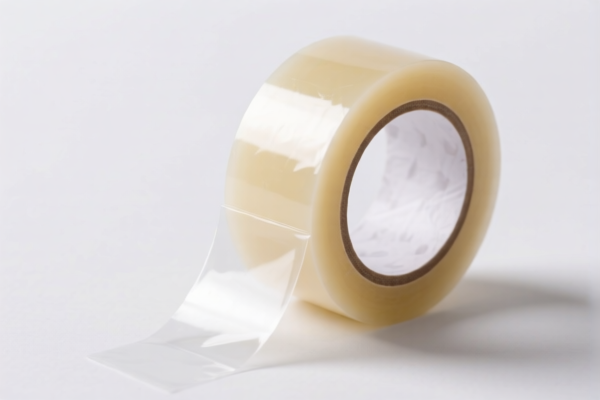
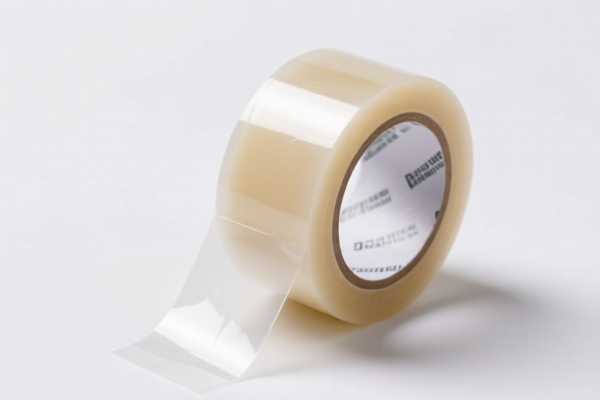
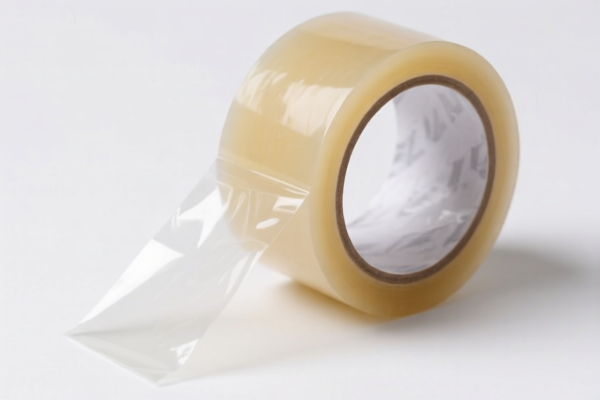
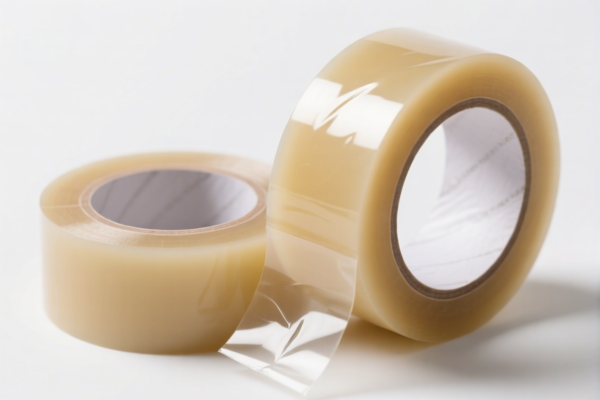
Self-Adhesive Plastic Packaging Tape is a ubiquitous item in global logistics and supply chain management. It consists of a plastic film or foam substrate coated with an adhesive (usually acrylic or rubber-based), used to seal boxes, secure packages, and provide tamper evidence.
In international trade, classification depends heavily on the substrate material (what the tape is made of) and its form (rolled sheet, foam, etc.).
⚠️ Key Distinction Point:
- If the tape is made of plastic film, foam, or sheet → It falls under Chapter 39 (Plastics).
- If the tape is made of rubber → It falls under Chapter 40 (Rubber).
- Crucial Note: The "self-adhesive" nature generally places it in heading 3919 (Plastics, self-adhesive) or 3921 (Other plates/sheets) depending on the specific structure, rather than heading 4003 (Adhesive tapes of rubber). However, specific foam rubbers may fall under 4008.
📊 II. HS Code Classification Details (2026 Latest Tariff Authority Match)
Based on the provided data <DATA>, here are the specific HS Codes applicable to self-adhesive plastic/rubber packaging tapes:
| HS Code | Product Description | Application Scenario | Key Material Characteristic |
|---|---|---|---|
3921.19.00.90 |
Plastics, self-adhesive: Foams, plates, sheets, film, foil, strip, self-adhesive | Standard self-adhesive foam tapes (e.g., double-sided foam tape for mounting) | 🧊 Plastic Foam Substrate |
3921.11.00.00 |
Plastics, self-adhesive: Plates, sheets, film, foil, strip (other than foam) | Standard plastic film packaging tapes (e.g., clear BOPP tape, matte tape) | 📄 Plastic Film Substrate |
3919.10.20.55 |
Plastics, self-adhesive: In rolls of a width <= 20 cm | General self-adhesive plastic tapes in roll form (standard packaging width) | 📜 Roll Form (<=20cm width) |
4008.11.50.00 |
Rubber, self-adhesive: Foams, plates, sheets, strips | Foam rubber tapes (e.g., gasket tapes, cushioning rubber tape) | 🧽 Rubber Foam Substrate |
4008.11.10.00 |
Rubber, self-adhesive: Natural rubber, foams, plates, sheets, strips | Natural rubber foam tapes (less common for standard packaging, more for industrial sealing) | 🌿 Natural Rubber Foam Substrate |
🔍 Critical Reminder:
- "Plastic Tape" ≠ "Rubber Tape": If the substrate is PVC, BOPP, or PET, use HS 39xx. If it is rubber (even if used for packaging sealing), use HS 40xx. - "Foam" vs. "Sheet": Foam tapes (thick, cushioning) are often classified under 3921.19 or 4008.11, while thin film tapes are under 3921.11 or 3919. - Adhesive Type: The adhesive itself does not determine the chapter; the substrate does.
💰 III. 2026 Latest Tariff Rate Breakdown (Including Additional Taxes & Policy Surcharges)
✅ Applicable Country: United States (US)
✅ Country of Origin: China (CN)
✅ Effective Date: November 10, 2025 (and subsequent imports)
🎯 1. 3921.19.00.90 – Plastic Foam Tapes (Self-Adhesive)
| Item | Details |
|---|---|
| Base Tariff | 6.5% (ad valorem) |
| Section 301 Tariff | +25.0% |
| Section 122 Tariff | +10.0% |
| Total Tax Rate | 41.5% |
| Tax Calculation | CIF Value × 41.5% |
| De Minimis Exemption | ❌ Not Eligible (deny_de_minimis) |
| Legal Basis Path | Section 122: 10% → Section 301: 25% → Base: 6.5% |
📌 Explanation:
- This code applies to foam-based plastic tapes. The high base rate (6.5%) combined with significant surcharges makes it expensive. - Section 122 and Section 301 are mandatory surcharges for Chinese-origin plastics.
🎯 2. 3921.11.00.00 – Plastic Film/Sheet Tapes (Non-Foam)
| Item | Details |
|---|---|
| Base Tariff | 5.3% (ad valorem) |
| Section 301 Tariff | +25.0% |
| Section 122 Tariff | +10.0% |
| Total Tax Rate | 40.3% |
| Tax Calculation | CIF Value × 40.3% |
| De Minimis Exemption | ❌ Not Eligible (deny_de_minimis) |
| Legal Basis Path | Section 122: 10% → Section 301: 25% → Base: 5.3% |
📌 Explanation:
- This is the most common code for standard clear or colored BOPP/PET packaging tapes. - Slightly lower total tax (40.3%) compared to foam tapes due to a lower base rate.
🎯 3. 3919.10.20.55 – Self-Adhesive Plastic Rolls (Width <= 20cm)
| Item | Details |
|---|---|
| Base Tariff | 5.8% (ad valorem) |
| Section 301 Tariff | +25.0% |
| Section 122 Tariff | +10.0% |
| Total Tax Rate | 40.8% |
| Tax Calculation | CIF Value × 40.8% |
| De Minimis Exemption | ❌ Not Eligible (deny_de_minimis) |
| Legal Basis Path | Section 122: 10% → Section 301: 25% → Base: 5.8% |
📌 Explanation:
- This code is specific for narrow rolls (width ≤ 20 cm). If your packaging tape is wider (e.g., 48mm is ~1.9 inches, which is ≤20cm, so it often falls here if not classified as 3921), check the exact width. - Note: Many standard packing tapes (e.g., 2 inches wide) may still fall under 3921 if they are considered "sheets/film" rather than just "tapes in rolls" under 3919, depending on US CBP interpretation. Always verify width and form.
🎯 4. 4008.11.50.00 – Rubber Foam Tapes
| Item | Details |
|---|---|
| Base Tariff | 3.3% (ad valorem) |
| Section 301 Tariff | +25.0% |
| Section 122 Tariff | +10.0% |
| Total Tax Rate | 38.3% |
| Tax Calculation | CIF Value × 38.3% |
| De Minimis Exemption | ❌ Not Eligible (deny_de_minimis) |
| Legal Basis Path | Section 122: 10% → Section 301: 25% → Base: 3.3% |
📌 Explanation:
- Only applicable if the tape is made of rubber foam (e.g., closed-cell rubber gasket tape). - Lower base rate (3.3%) results in the lowest total tax among plastic/rubber foam options, but only if the material is correctly identified as rubber.
🎯 5. 4008.11.10.00 – Natural Rubber Foam Tapes
| Item | Details |
|---|---|
| Base Tariff | 0.0% (ad valorem) |
| Section 301 Tariff | +25.0% |
| Section 122 Tariff | +10.0% |
| Total Tax Rate | 35.0% |
| Tax Calculation | CIF Value × 35.0% |
| De Minimis Exemption | ❌ Not Eligible (deny_de_minimis) |
| Legal Basis Path | Section 122: 10% → Section 301: 25% → Base: 0.0% |
📌 Explanation:
- Lowest Tax Rate! However, this is only for Natural Rubber foam. Most "plastic" tapes are NOT rubber. - Misclassification Risk: If you declare a synthetic rubber or plastic tape as "Natural Rubber," you risk severe penalties for fraud. Only use if the product is 100% natural rubber foam.
🛠️ IV. Customs Clearance Practical Advice (Avoiding Pitfalls)
✅ 1. Preparation Checklist (All Required)
| Document | Mandatory? | Description |
|---|---|---|
| ✅ Product Specification Sheet | ✔️ | Must specify: Material (BOPP/PVC/PE/Rubber), Adhesive Type, Width, Length, Thickness. |
| ✅ Material Composition Statement | ✔️ | Explicitly state: "Substrate: Plastic Film/Polymer" or "Substrate: Natural/Synthetic Rubber". |
| ✅ Product Photos (Clear Label) | ✔️ | Show the roll, label, and any technical specs. |
| ✅ Commercial Invoice | ✔️ | Must clearly state "Self-Adhesive Plastic Tape" and correct HS Code. |
| ✅ Packing List | ✔️ | Net/Gross weight, number of rolls, dimensions. |
| ✅ Certificate of Origin (CO) | ✔️ | If claiming any preferential treatment (unlikely for China->US due to tariffs). |
✅ 2. Declaration Tips (Key Mantra)
🔥 "Material First, Form Second, Width Check, Adhesive Hidden!"
| Scenario | Correct Declaration | Incorrect Declaration |
|---|---|---|
| Standard Clear Packing Tape (BOPP) | 3921.11.00.00 or 3919.10.20.55 |
"Packaging Tape" (Too vague) |
| Foam Double-Sided Tape | 3921.19.00.90 |
"Plastic Tape" (Missing "Foam") |
| Rubber Gasket Tape | 4008.11.50.00 |
"Plastic Tape" (Wrong Chapter) |
| Natural Rubber Foam Tape | 4008.11.10.00 |
"Rubber Tape" (Missing "Natural") |
📌 Note on Section 301 & 122:
- All HS codes listed above are subject to Additional Tariffs. There is no de minimis exemption for these items from China. - Section 122 is a recent surcharge. Ensure your customs broker is aware of this 10% addition on top of the 301 tariff.
✅ 3. Special Cases
| Situation | Handling Advice |
|---|---|
| Tape with Printed Logo | Still classified by material. Printing does not change HS Code. |
| Tape in Small Consumer Kits | If sold as a "kit" with dispenser, the primary character (tape) usually determines classification. |
| Anti-Counterfeit Tape | If it has security features, it may still be plastic/rubber based. Do not assume it falls under "Security Devices" unless it is electronic. |
| Wide vs. Narrow Rolls | Width ≤ 20cm often points to 3919. Width > 20cm often points to 3921. Verify this threshold for your specific product. |
🌍 V. Global Market Comparison (2026 Latest)
| Country/Region | Recommended HS Code | Tariff (China Origin) | Certification | Note |
|---|---|---|---|---|
| 🇺🇸 USA | 3921.11.00.00 / 3921.19.00.90 |
40.3% - 41.5% | No special cert | High Tariff: Base + 301 + 122. No de minimis. |
| 🇨🇳 China | 3921.11.00.00 |
5.3% | None | Exporting to China is low tax, but we are importing TO US. |
| 🇪🇺 EU | 3919.10.00.00 |
6.5% | REACH (Chemicals) | EU has lower tariffs but strict REACH compliance for adhesives. |
| 🇬🇧 UK | 3921.11.00.00 |
6.5% | UKCA | Post-Brexit rules apply. |
| 🇦🇺 Australia | 3921.11.00.00 |
5.0% | No special cert | Favorable FTA with China (if origin rules met). |
📌 Conclusion:
- USA is the most expensive market for these goods due to the triple-layer tax burden (Base + 301 + 122). - Cost Optimization: Consider sourcing from Vietnam or Thailand (if rules of origin allow) to avoid 301/122 tariffs.
📌 VI. Common Mistakes & Pitfalls (Blood & Tears Lessons)
❌ Mistake 1: Declaring all tapes as 3919.10.20.55
👉 Consequence: If the tape is foam (3921.19) or wide (>20cm, 3921.11), this is misclassification. Risk of audit, penalties, and delayed clearance.
❌ Mistake 2: Ignoring the "Foam" distinction
👉 Consequence: Foam tapes (3921.19) have a higher base rate (6.5%) than film tapes (5.3%). Misclassifying foam as film saves only $1.2 per $100, but risks penalties.
❌ Mistake 3: Assuming "Plastic Tape" covers Rubber
👉 Consequence: Rubber tapes (4008) have different base rates. If you declare rubber as plastic, you may underpay or overpay, leading to CBP scrutiny.
❌ Mistake 4: Expecting De Minimis Exemption
👉 Consequence: These items are not eligible for the $800 de minimis exemption when shipped from China. All duties apply immediately.
✅ Correct Practice:
"Self-Adhesive BOPP Packaging Tape, Width: 48mm, Thickness: 45 microns, Clear Color, Adhesive: Acrylic" →
3921.11.00.00
🎯 VII. Conclusion: Professional Declaration, Cost Control, Compliance!
🎯 Remember the Mantra:
🔹 "Material Defines Code, Width Defines Sub-Chapter, 301+122 Adds 35%!"
🔹 "Plastic vs. Rubber? Check the Substrate! Foam vs. Film? Check the Structure!"
📌 Pro Tip:
If your volume is high, consider applying for an Advance Ruling (Pre-Classification) from US CBP. While it won't change the tariff rate (which is statutory), it confirms the HS Code, preventing future disputes and delays.
📣 Immediate Action:
📞 Contact your Customs Broker + Provide Material Safety Data Sheet (MSDS) for Adhesive + Confirm Substrate Material
🚀 Ensure your Commercial Invoice explicitly states the HS Code and Country of Origin to avoid hold-ups.
✨ Professional Clearance Starts with Accurate Classification!
💼 Your Cost Savings Depend on Precision!
Customer Reviews
About HS Code Classification
The Harmonized System (HS) is an internationally standardized nomenclature developed by the World Customs Organization (WCO) to classify traded products. Over 200 countries use the HS system as the basis for customs tariffs, trade statistics, and import/export regulations.
Each HS code follows a hierarchical structure:
- Chapter (2 digits) — Broad category of goods (e.g., Chapter 84: Machinery and Mechanical Appliances)
- Heading (4 digits) — More specific grouping within the chapter
- Subheading (6 digits) — Internationally standardized breakdown, used by all WCO member countries
- National subdivisions (8-10 digits) — Country-specific extensions for further classification, such as US HTSUS 10-digit codes
Correct HS code classification is essential for smooth customs clearance, accurate duty payment, and compliance with trade regulations. Misclassification can lead to customs delays, overpayment of duties, or penalties.
When importing from CN to US, the applicable tariff rates may include:
- Most-Favored-Nation (MFN) rate — The standard duty rate applied to WTO members
- General rate — Applied to countries without trade agreements
- Trade remedy duties — Additional tariffs such as Section 301 (anti-dumping), Section 232 (national security), or countervailing duties
The information provided on this page is for reference purposes only. For official classification, please consult with your local customs authority or a licensed customs broker.