Self adhesive Plastic Printed Film Roll
CN → US| HS Code | Tariff Rate | Origin | Destination | Doc |
|---|---|---|---|---|
| 3919102055 | 40.8% | CN | US | Official Doc |
| 3919905060 | 40.8% | CN | US | Official Doc |
| 3921904090 | 39.2% | CN | US | Official Doc |
| 3920992000 | 39.2% | CN | US | Official Doc |
| 3920620020 | 39.2% | CN | US | Official Doc |
Product Images
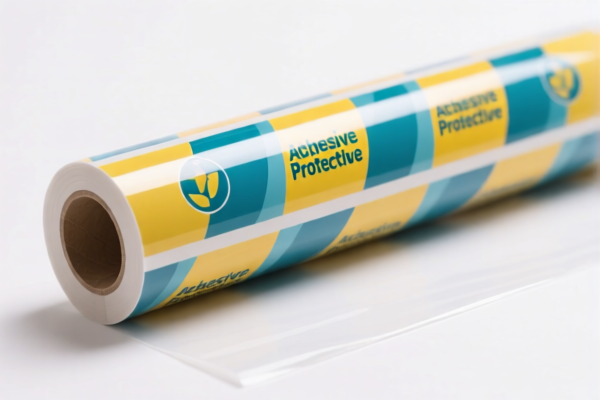
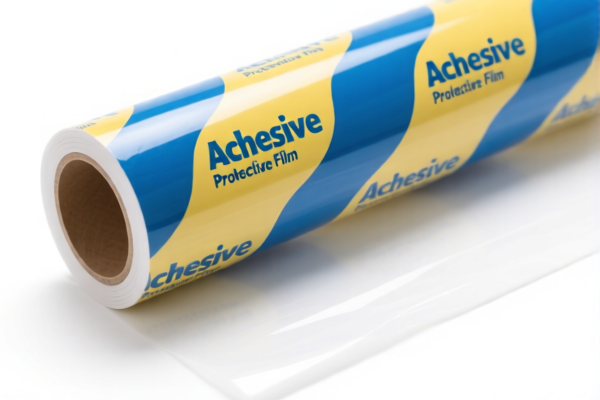
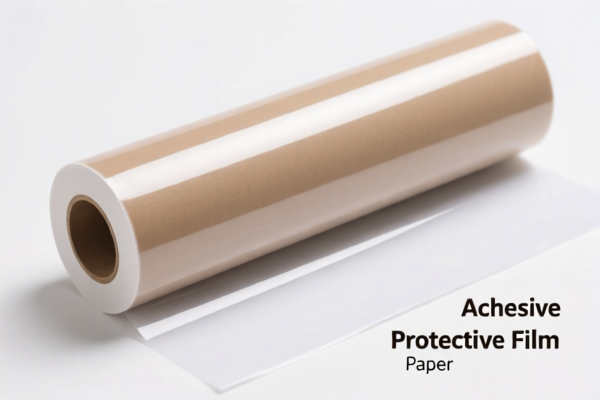
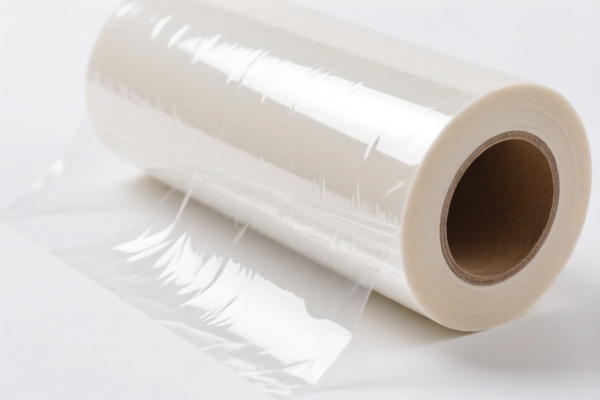
AI Analysis
🎞️ Self-Adhesive Plastic Printed Film Roll (Home Appliance Protective Films)
🌐 HS Code Reference & Customs Clearance Guide | 2026 Latest Tariff Analysis | Professional Clearance Strategy 📌 I. Product Definition: What Exactly Is a "Self-Adhesive Plastic Film Roll"?
In the global trade of plastic articles, Self-Adhesive Plastic Film Rolls are primarily used as protective coverings for appliances (washing machines, refrigerators), surfaces, or industrial components. They are characterized by three key features: 1. Material: Plastics (PET, PE, PP, PVC, etc.). 2. Form: Rolls (flexible, not rigid). 3. Function: Self-adhesive backing (press-to-stick, no heat required).
⚠️ Critical Classification Distinction:
The classification depends heavily on whether the film has an adhesive backing. - With Adhesive: Falls under Chapter 39, Heading 3919 ("Self-adhesive plates, sheets, film, foil, tape, strip and other flat shapes"). - Without Adhesive: Falls under Chapter 39, Heading 3920 ("Other plates, sheets, film, foil and strip, of plastics") or 3921 ("Other plates, sheets, film, foil and strip").
📦 II. HS Code Classification Details (2026 Latest Tariff Authority)
Based on the provided data, here are the four most likely HS Codes for Self-Adhesive Plastic Printed Film Rolls. Note that all these codes attract high additional tariffs due to US-China trade tensions.
| HS Code | Product Description | Key Characteristics | Application Scenario |
|---|---|---|---|
| 3919.10.20.55 | Self-adhesive plastic film rolls | Self-adhesive, plastic material, roll form. Specifically cited for home appliance protective films. | Refrigerator/Washer protective films, decorative surface films. |
| 3919.90.50.60 | Other self-adhesive plastic flat products | Self-adhesive, plastic, film-like. Categorized under "Other self-adhesive plastic articles." | General industrial self-adhesive films, non-appliance specific protective films. |
| 3921.90.40.90 | Plastic film rolls | Plastic material, film/roll form. Belongs to "Other plastic plates, sheets, film, etc." | Note: Typically used if adhesive is not the primary feature or if classified broadly under "other plastic films". |
| 3920.99.20.00 | Plastic film rolls | Plastic material, flexible film/strip/plate form. A "catch-all" for other plastic films. | General purpose plastic films, non-self-adhesive or ambiguous adhesive cases. |
| 3920.62.00.20 | Plastic film rolls | Plastic material, roll form. Falls under "Other" catch-all categories for plastic films. | Similar to above; used when specific sub-heading doesn't fit perfectly. |
🔍 Key Insight:
- If your product is explicitly self-adhesive (has a glue layer), 3919.xxxx is the most accurate classification. - 3920/3921 codes are generally for non-adhesive films. If customs officers determine your product is self-adhesive but you declared 3920/3921, it may be reclassified, leading to delays or penalties. - All listed codes above attract 39.2% - 40.8% total tax.
💰 III. 2026 Latest Tariff Rate Breakdown (Including Surcharges)
✅ Applicable Country: United States (US)
✅ Origin: China (CN)
✅ Effective Date: 2025/2026 (Current Trade War Context)
🎯 1. Self-Adhesive Films (HS Code: 3919.10.20.55 & 3919.90.50.60)
| Item | Detail |
|---|---|
| Base Tariff | 5.8% (Ad valorem) |
| Section 301 Additional Tariff | +25.0% |
| Section 122 Tariff (Uyghur Forced Labor Prevention Act / Other) | +10.0% |
| Total Effective Tariff | 40.8% |
| Tax Calculation | CIF Value × 40.8% |
| De Minimis Eligibility | ❌ No (High risk for small packages) |
| Legal Basis Path | USITC:3919.10.20.55 → FOOTNOTE:301 (25%) + FOOTNOTE:122 (10%) |
📌 Explanation:
- The 25% is the standard Section 301 tariff for most Chinese plastic products. - The 10% is likely a reference to Section 122 or other specific trade remedies (e.g., related to forced labor or national security provisions). - Combined Rate: 40.8%. This is a very high tariff, significantly impacting profit margins.
🎯 2. Other Plastic Films (HS Code: 3920.xxxx & 3921.xxxx)
| Item | Detail |
|---|---|
| Base Tariff | 4.2% (Ad valorem) |
| Section 301 Additional Tariff | +25.0% |
| Section 122 Tariff | +10.0% |
| Total Effective Tariff | 39.2% |
| Tax Calculation | CIF Value × 39.2% |
| De Minimis Eligibility | ❌ No |
| Legal Basis Path | USITC:3920.99.20.00 → FOOTNOTE:301 (25%) + FOOTNOTE:122 (10%) |
📌 Explanation:
- Even if classified under 3920/3921 (non-self-adhesive), the Section 301 (25%) and Section 122 (10%) surcharges still apply to most Chinese plastic imports. - The base tariff is slightly lower (4.2% vs 5.8%), but the total tax burden remains near 40%.
🛠️ IV. Customs Clearance Practical Advice (Pitfall Avoidance Guide)
✅ 1. Required Documentation Checklist
| Document | Mandatory? | Notes |
|---|---|---|
| ✅ Product Specification Sheet | ✔️ | Must clearly state: Material (e.g., PET, PE), Thickness, Width, Length, Adhesive Type, Intended Use (e.g., "Protective Film for Appliances"). |
| ✅ Photos of Product | ✔️ | Must show the roll, the adhesive side (if visible), and the printed design. |
| ✅ Commercial Invoice | ✔️ | Must match the HS Code. Avoid vague terms like "Plastic Film." Use "Self-Adhesive Plastic Protective Film Roll." |
| ✅ Packing List | ✔️ | Detail net/gross weight, dimensions, and number of rolls. |
| ✅ Certificate of Origin (CO) | ✔️ | If from China, confirms origin. |
| ✅ Customs Bond | ✔️ | Required for imports into the US. |
✅ 2. Declaration Tips (Key Mantra)
🔥 "Adhesive Matters, Print Doesn't Change HS, Be Specific to Avoid Re-class!"
| Scenario | Correct Declaration | Wrong Declaration | Consequence |
|---|---|---|---|
| Self-Adhesive Film | 3919.10.20.55 |
3920.99.20.00 (Non-adhesive) |
Customs may reclassify to 3919, but if base rates differ, it triggers audit. |
| Printed Film | Declare as "Plastic Film" (Print is a secondary feature) | Try to classify as "Printed Matter" (Chapter 49) | Incorrect! Printed plastic films remain in Chapter 39. |
| Home Appliance Film | Explicitly state "For Appliance Protection" | Just "Plastic Film" | Helps justify specific use, but HS code is driven by material/adhesive. |
| Small Samples | Declare value accurately | Claim under De Minimis ($800) | ❌ High Risk! Section 301/122 tariffs often block de minimis clearance for Chinese goods. |
✅ 3. Special Handling for "Printed" Films
- Does Printing Change the HS Code?
No. Printing is considered a secondary process. A self-adhesive plastic film remains classified under 3919 regardless of whether it is clear, printed, or patterned. - Why Print Matters:
While it doesn’t change the HS code, it may affect customs valuation or copyright checks. Ensure no infringing logos (e.g., Apple, Samsung) are printed on the film unless you have authorization.
🌍 V. Global Market Comparison (2026)
| Country/Region | Recommended HS Code | Total Tariff (China Origin) | Key Certification | Notes |
|---|---|---|---|---|
| 🇺🇸 USA | 3919.10.20.55 / 3919.90.50.60 |
40.8% | FDA (if food contact), Prop 65 (if applicable) | Highest barrier. Section 301 + 122 applies. |
| 🇨🇳 China | 3919.10.20.55 |
5.8% | None (Domestic) | Lower tariff, but this guide focuses on export. |
| 🇪🇺 EU | 3919.10.00 |
6.5% | REACH, RoHS | No Section 301/122 equivalent, but CE/REACH compliance needed. |
| 🇦🇺 Australia | 3919.10.00 |
5.0% | RCM, Glabel | Lower tariff, but anti-dumping checks may apply. |
📌 Conclusion:
The US market is the most challenging for Chinese self-adhesive plastic films due to the 40.8% combined tariff.
- Strategy: Consider sourcing from Vietnam, Thailand, or Malaysia to avoid Section 301/122 tariffs (if substantial transformation occurs).
- Cost Impact: A $10,000 shipment will incur ~$4,080 in tariffs. Factor this into your pricing model.
📌 VI. Common Mistakes & Pitfalls (Lessons Learned)
❌ Mistake 1: Declaring "Self-Adhesive Film" as "Plastic Sheet" (3920) to get lower base rate.
👉 Risk: Customs will inspect and reclassify to 3919, potentially adding penalties for misdeclaration.
❌ Mistake 2: Ignoring the Section 122 Tariff (10%).
👉 Risk: This is a relatively new/variable surcharge. If missed, the CBP will issue a Post-Centry Summary Correction (PCSC) and charge interest.
❌ Mistake 3: Assuming De Minimis ($800) applies to small rolls.
👉 Risk: Section 301 and 122 tariffs often block de minimis entry for Chinese-origin goods. Always declare properly.
❌ Mistake 4: Vague description: "Plastic Roll."
👉 Risk: Customs may seize or delay shipment for lack of sufficient information. Use: "Self-Adhesive PET Plastic Film Roll, Printed, 50 Microns, 1000mm Width."
✅ Correct Practice:
"Self-Adhesive Plastic Film Roll, PET Material, Clear/Printed, For Appliance Protection, Width: 500mm, Thickness: 50μm, HS: 3919.10.20.55"
🎯 VII. Conclusion: Smart Clearance, Profit Preservation!
🎯 Remember the Mantra:
🔹 "Adhesive = 3919, Non-Adhesive = 3920/3921. 40.8% Tax is Real. Be Specific!"
🔹 "Print doesn’t change HS, but origin dictates tariff. Vietnam/Thailand may save you 35%."
📌 Pro Tip:
If your product is essential for home appliances, try to negotiate with your US buyer to absorb part of the tariff, or explore Exclusion Requests if available for specific products (though rare for general plastic films).
📣 Immediate Action:
📞 Consult a Licensed Customs Broker to confirm the exact HS code based on your product’s adhesive type.
🚀 Calculate Landed Cost including 40.8% tariff before quoting prices.
💡 Consider Supply Chain Diversification if volumes are high.
✨ Professional Clearance Starts with Accurate Classification!
💼 Your Profit Margin Depends on the Details!
Customer Reviews
About HS Code Classification
The Harmonized System (HS) is an internationally standardized nomenclature developed by the World Customs Organization (WCO) to classify traded products. Over 200 countries use the HS system as the basis for customs tariffs, trade statistics, and import/export regulations.
Each HS code follows a hierarchical structure:
- Chapter (2 digits) — Broad category of goods (e.g., Chapter 84: Machinery and Mechanical Appliances)
- Heading (4 digits) — More specific grouping within the chapter
- Subheading (6 digits) — Internationally standardized breakdown, used by all WCO member countries
- National subdivisions (8-10 digits) — Country-specific extensions for further classification, such as US HTSUS 10-digit codes
Correct HS code classification is essential for smooth customs clearance, accurate duty payment, and compliance with trade regulations. Misclassification can lead to customs delays, overpayment of duties, or penalties.
When importing from CN to US, the applicable tariff rates may include:
- Most-Favored-Nation (MFN) rate — The standard duty rate applied to WTO members
- General rate — Applied to countries without trade agreements
- Trade remedy duties — Additional tariffs such as Section 301 (anti-dumping), Section 232 (national security), or countervailing duties
The information provided on this page is for reference purposes only. For official classification, please consult with your local customs authority or a licensed customs broker.