Self adhesive Softwood Flooring Strips
CN → US| HS Code | Tariff Rate | Origin | Destination | Doc |
|---|---|---|---|---|
| 3918101040 | 40.3% | CN | US | Official Doc |
| 3918101020 | 40.3% | CN | US | Official Doc |
| 4411936000 | 35.0% | CN | US | Official Doc |
| 4411933000 | 35.0% | CN | US | Official Doc |
Product Images
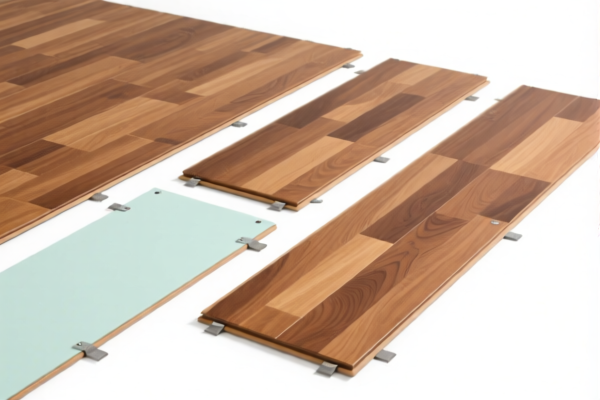
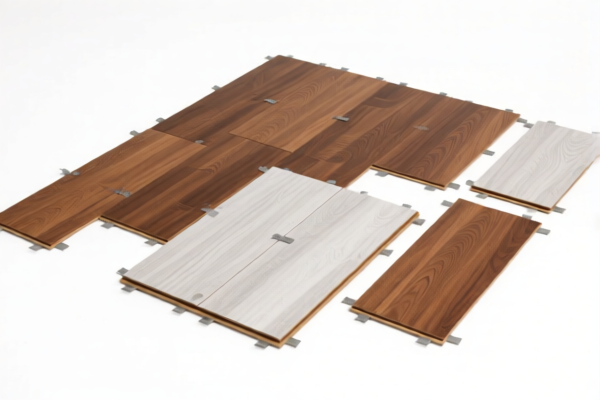
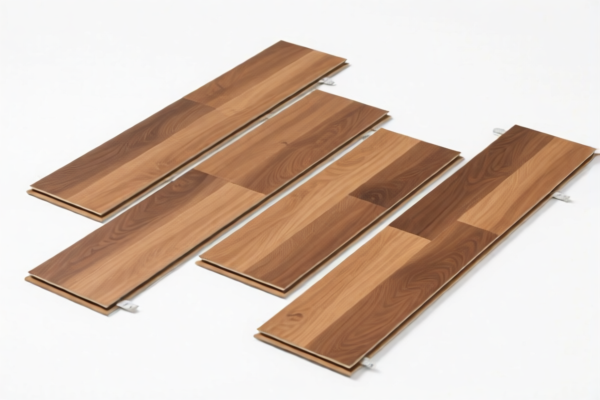
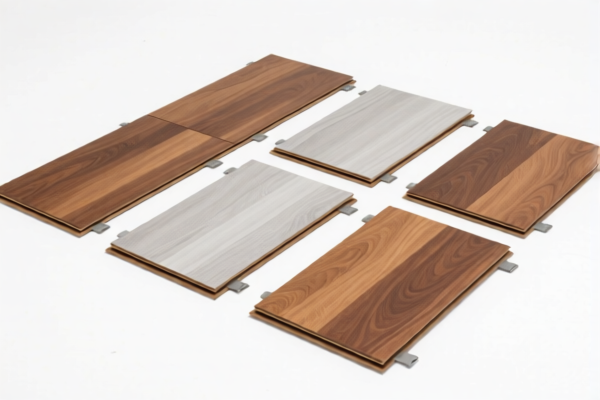
AI Analysis
🏠 Self-Adhesive Softwood Flooring Strips
🌐 HS Code Reference & Customs Clearance Guide | 2026 Latest Tariff Analysis | Professional Level Strategy
📌 Part 1: Product Definition & Classification: What Exactly Are "Self-Adhesive Softwood Flooring Strips"?
Self-Adhesive Softwood Flooring Strips are typically wooden flooring components, often made from pine, spruce, or fir, designed for DIY installation. They come in strip form and feature an adhesive backing for easy attachment to subfloors.
In international trade, the classification of wooden flooring is tricky because it depends heavily on what material is actually touching the floor and the core structure.
Key Distinction: * Wood Core Flooring: If the main structural layer touching the subfloor is wood (even with a plastic finish or adhesive backing), it is generally classified under Chapter 44 (Wood and Wood Products). * Plastic Core Flooring: If the core is plastic (e.g., Vinyl) and only has a wood-look finish or adhesive, it falls under Chapter 39 (Plastics).
⚠️ Critical Classification Point:
- If the product is truly "Softwood" (e.g., Pine/Spruce) strips, it belongs to Chapter 44, not Chapter 39.
- If the product is "Vinyl Tile" (often mislabeled as "softwood look-alike") with a rigid plastic core, it belongs to Chapter 39.
- The provided explicitly lists only Plastic Floor Coverings (Ch. 39) and Fiberboard (Ch. 44). It does not list solid wood or engineered wood flooring (which would typically be 4409 or 4418). Therefore, if your product is genuine softwood flooring, it does not match the provided HS codes.
- However, if the product is a "Wood-Look" PVC/Vinyl Plank (commonly sold as "softwood style" adhesive strips), it falls under 3918.10.
- If the product is a Wood-Based Fiberboard (density 0.5-0.8 g/cm³) with adhesive or tile format, it may fall under 4411.93.
Since the user input specifies "Softwood" (a natural wood product), but the only contains Plastics (Ch. 39) and Fiberboard (Ch. 44), we must analyze the closest matches based on potential misclassification or product composition nuances (e.g., wood-fiber composite vs. solid wood).
🔍 Important Note:
- Genuine solid softwood flooring (e.g., pine planks) is NOT in the provided .
- If the product is engineered wood or wood-fiber composite (fiberboard), it may fall under 4411.93.
- If the product is vinyl/polymer-based with a wood aesthetic, it falls under 3918.10.
- We will analyze the relevant codes from that could potentially apply if the product is mislabeled or is a composite/fiberboard type.
📦 Part 2: HS Code Classification Details (2026 Latest Tariff Authority Comparison)
| HS Code | Product Description | Applicable Scenario | Match Status for "Softwood" |
|---|---|---|---|
3918.10.10.40 |
Floor coverings of plastics (of polymers of vinyl chloride): Vinyl tile, Other | Vinyl/Laminate tiles with plastic core, non-rigid core | ❌ No Match (If truly softwood) |
3918.10.10.20 |
Floor coverings of plastics: Vinyl tile consisting of a rigid solid polymer core | Rigid Vinyl Planks (RVP) with wood aesthetic | ❌ No Match (If truly softwood) |
4411.93.60.00 |
Fiberboard of wood... density 0.5-0.8 g/cm³: Other: Other: Not surface covered | Wood-fiber composite boards, uncoated | ⚠️ Partial Match (If composite/fiberboard) |
4411.93.30.00 |
Fiberboard... dedicated for use in construction of walls/ceilings: Tongued, grooved... | Tongued/grooved fiberboard for walls/ceilings | ❌ Low Match (Flooring vs Wall/Ceiling) |
🔍 Key Insight:
- If the product is genuine softwood (solid wood), none of the above codes are correct. Correct code would likely be 4409.29 or 4418.75 (not in ).
- If the product is wood-fiber composite (MDF/HDF type), 4411.93.60.00 is the closest match.
- If the product is vinyl/polymer (fake softwood look), 3918.10.10.20 or 3918.10.10.40 applies.
💰 Part 3: 2026 Latest Tariff Rate Details (Including Surtax & Policy Surcharge)
✅ Applicable Country: United States (US)
✅ Country of Origin: China (CN)
✅ Effective Time: November 10, 2025 (and subsequent imports)
🎯 1. 3918.10.10.40 —— Plastic Floor Coverings (Vinyl Tile, Other)
| Item | Content |
|---|---|
| Base Tariff | 0% (ad valorem) |
| Section 301 Surtax | +25% (from USITC Footnote 9903.39.20) |
| IEEPA Surtax | +10% (for China/HK products, from Nov 10, 2025) |
| Total Tariff | 35% |
| Tax Calculation | CIF Value × 35% |
| De Minimis Exemption | ❌ Not Eligible (deny_de_minimis) |
| Legal Basis Path | IEEPA:9903.01.25 → IEEPA:9903.01.24 → USITC:3918.10.10.40 → FOOTNOTE:9903.39.20 |
📌 Explanation:
- "USITC 25%": From Section 301 tariffs on plastic products.
- "IEEPA 10%": New surcharge for China-origin goods under IEEPA.
- Total 35%: High tariff cost. Must be factored into pricing.
🎯 2. 3918.10.10.20 —— Plastic Floor Coverings (Rigid Polymer Core Vinyl Tile)
| Item | Content |
|---|---|
| Base Tariff | 0% |
| USITC Surtax | +25% |
| IEEPA Surtax | +10% |
| Total Tariff | 35% |
| Tax Calculation | CIF × 35% |
| De Minimis Exemption | ❌ Not Eligible |
| Legal Basis Path | IEEPA:9903.01.25 → IEEPA:9903.01.24 → USITC:3918.10.10.20 → FOOTNOTE:9903.39.20 |
📌 Note:
- Same as above. Rigid vinyl planks ("WPC/SPC") are heavily taxed if from China.
- Even if marketed as "softwood style," if the core is plastic, this code applies.
🎯 3. 4411.93.60.00 —— Wood Fiberboard (Density 0.5-0.8 g/cm³, Uncoated)
| Item | Content |
|---|---|
| Base Tariff | 0% |
| USITC Surtax | +25% |
| IEEPA Surtax | +10% |
| Total Tariff | 35% |
| Tax Calculation | CIF × 35% |
| De Minimis Exemption | ❌ Not Eligible |
| Legal Basis Path | IEEPA:9903.01.25 → IEEPA:9903.01.24 → USITC:4411.93.60.00 → FOOTNOTE:9903.44.10 |
📌 Note:
- Applies if the "softwood" product is actually wood-fiber composite (MDF/HDF) and not surface covered (e.g., no veneer, no paint).
- If it has a wood veneer or finish, it may fall under different codes (not in ).
🎯 4. 4411.93.30.00 —— Wood Fiberboard (Tongued/Grooved for Walls/Ceilings)
| Item | Content |
|---|---|
| Base Tariff | 0% |
| USITC Surtax | +25% |
| IEEPA Surtax | +10% |
| Total Tariff | 35% |
| Tax Calculation | CIF × 35% |
| De Minimis Exemption | ❌ Not Eligible |
| Legal Basis Path | IEEPA:9903.01.25 → IEEPA:9903.01.24 → USITC:4411.93.30.00 → FOOTNOTE:9903.44.10 |
📌 Note:
- This code is for walls/ceilings, not floors. If you misclassify flooring as wall paneling, customs may flag it.
- Still 35% total tariff.
🛠️ Part 4: Customs Clearance Practical Advice (Battle-Tested Pitfall Guide)
✅ 1. Document Checklist (All Required)
| Document | Required | Description |
|---|---|---|
| ✅ Product Specification Sheet | ✔️ | Include material composition (wood vs. fiberboard vs. plastic), density, dimensions, adhesive type. |
| ✅ Material Composition Proof | ✔️ | Third-party lab test showing % of wood fibers, plastic, or adhesives. |
| ✅ Product Photos (Clear) | ✔️ | Show cross-section (to prove core material), adhesive backing, and finished surface. |
| ✅ Commercial Invoice | ✔️ | Clearly state "Wood Fiberboard Flooring" or "Vinyl Flooring" – NOT "Softwood" if it's composite/plastic. |
| ✅ Packing List | ✔️ | Show net/gross weight, dimensions, and package type. |
| ✅ Certificate of Origin (CO) | ✔️ | If not from China, may reduce tariffs. |
✅ 2. Declaration Tips (Key Mantras)
🔥 "Core Defines Code, Material Dictates Tax, Name Must Match!"
| Scenario | Correct Declaration | Wrong Practice |
|---|---|---|
| Product is Plastic (Vinyl) | 3918.10.10.20 or 3918.10.10.40 |
Declare as "Softwood" → Customs Rejection |
| Product is Wood-Fiber Composite | 4411.93.60.00 |
Declare as "Solid Wood" → Code Error |
| Product is Genuine Solid Wood | None of the above | Force into Ch. 39/4411 → Penalty |
✅ 3. Special Case Handling
| Case | Handling Advice |
|---|---|
| OEM Custom "Softwood" Planks | Provide design drawings + material test reports. If core is wood, use Ch. 44 codes not listed here. |
| Plastic Planks with Wood Veneer | May still be Ch. 39 or Ch. 44, depending on veneer thickness. Provide detailed composition. |
| Self-Adhesive Backing | Adhesive does not change the core classification. Focus on the main structural layer. |
| Mislabeling Risk | Do NOT use "Softwood" if product is PVC or Fiberboard. Use "Wood-Look Vinyl" or "Wood Fiber Board." |
🌍 Part 5: Global Market Comparison (2026 Latest)
| Country/Region | Recommended HS Code | Tariff (China Origin) | Certification Requirement | Notes |
|---|---|---|---|---|
| 🇺🇸 USA | 3918.10.10.20 / 4411.93.60.00 |
35% (25% 301 + 10% IEEPA) | FCC/CE (if electronics), CARB/TSCA Title VI (if wood/fiber) | High tariff cost. |
| 🇨🇳 China | 3918.10 / 4411.93 |
0% ~ 5% (Base) | CCC (if applicable) | No surtax. |
| 🇪🇺 EU | 3918.10 / 4411.93 |
0% ~ 6% (Base) | CE, REACH, FSC (if wood) | No 301/IEEPA surtax. |
| 🇬🇧 UK | 3918.10 / 4411.93 |
0% ~ 6% (Base) | UKCA, FSC | Post-Brexit rules apply. |
📌 Conclusion:
- USA has the highest tariff burden (35%) for these goods from China.
- EU/UK have lower tariffs but require strict environmental/chemical certifications.
- Re-originating to Vietnam/Mexico may reduce US tariffs (but watch out for rules of origin).
📌 Part 6: Common Errors & Pitfall Guide (Lessons Learned)
❌ Error 1: Declaring Vinyl Planks as "Softwood Flooring"
👉 Consequence: Customs will reclassify, apply correct code, and charge 35%. Plus delays/fines.
❌ Error 2: Declaring Wood-Fiber Board as "Solid Wood"
👉 Consequence: Incorrect HS code, potential fraud allegations, and 35% tariff on wrong code.
❌ Error 3: Ignoring Adhesive Backing
👉 Consequence: Adhesive doesn't change classification, but if the core is plastic, Ch. 39 applies, not Ch. 44.
❌ Error 4: Using "Softwood" in the description for Plastic Products
👉 Consequence: Customs will reject the declaration for misleading description.
✅ Correct Practice:
"Wood-Look Vinyl Flooring Plank, Self-Adhesive, PVC Core, 12mm Thickness, Model XYZ, TSCA Title VI Compliant"
OR
"High-Density Fiberboard Flooring Tile, Tongued & Grooved, Density 0.7 g/cm³, Uncoated, Model ABC"
🎯 Part 7: Conclusion: Professional Declaration, Save Time, Cut Costs!
🎯 Remember Mantra:
🔹 "Core Defines Code, Plastic is Ch. 39, Fiberboard is Ch. 44, Solid Wood is Elsewhere!"
🔹 "Name Must Match Material, Mislabeling Costs 35%!"
📌 Pro Tip:
If your product is genuine solid softwood (e.g., pine), none of the above HS codes are correct. You must use codes from Chapter 44 (Wood) such as 4409.29 (not in ). Ensure accurate classification to avoid 35% unexpected tariffs.
📣 Immediate Action:
📞 Contact a licensed customs broker + Provide material test reports + Apply for Advance Ruling if unsure.
🚀 Let your flooring products clear customs smoothly, efficiently, and profitably!
✨ Professional Customs Clearance Starts with Accurate Classification!
💼 Every Dollar Saved is a Dollar Earned!
Customer Reviews
About HS Code Classification
The Harmonized System (HS) is an internationally standardized nomenclature developed by the World Customs Organization (WCO) to classify traded products. Over 200 countries use the HS system as the basis for customs tariffs, trade statistics, and import/export regulations.
Each HS code follows a hierarchical structure:
- Chapter (2 digits) — Broad category of goods (e.g., Chapter 84: Machinery and Mechanical Appliances)
- Heading (4 digits) — More specific grouping within the chapter
- Subheading (6 digits) — Internationally standardized breakdown, used by all WCO member countries
- National subdivisions (8-10 digits) — Country-specific extensions for further classification, such as US HTSUS 10-digit codes
Correct HS code classification is essential for smooth customs clearance, accurate duty payment, and compliance with trade regulations. Misclassification can lead to customs delays, overpayment of duties, or penalties.
When importing from CN to US, the applicable tariff rates may include:
- Most-Favored-Nation (MFN) rate — The standard duty rate applied to WTO members
- General rate — Applied to countries without trade agreements
- Trade remedy duties — Additional tariffs such as Section 301 (anti-dumping), Section 232 (national security), or countervailing duties
The information provided on this page is for reference purposes only. For official classification, please consult with your local customs authority or a licensed customs broker.