Self adhesive Transparent Tape
CN → US| HS Code | Tariff Rate | Origin | Destination | Doc |
|---|---|---|---|---|
| 3921110000 | 40.3% | CN | US | Official Doc |
| 3919102055 | 40.8% | CN | US | Official Doc |
| 3919905060 | 40.8% | CN | US | Official Doc |
| 4008115000 | 38.3% | CN | US | Official Doc |
| 4008111000 | 35.0% | CN | US | Official Doc |
Product Images
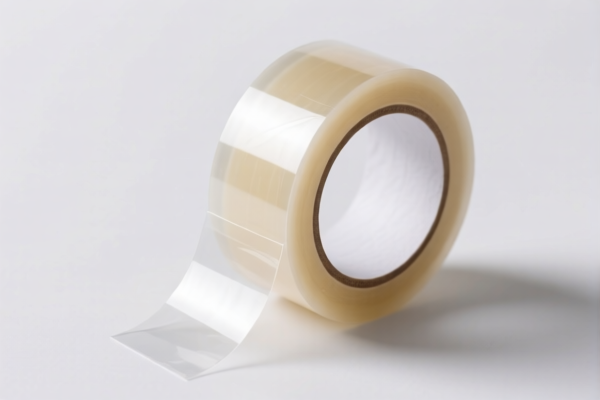
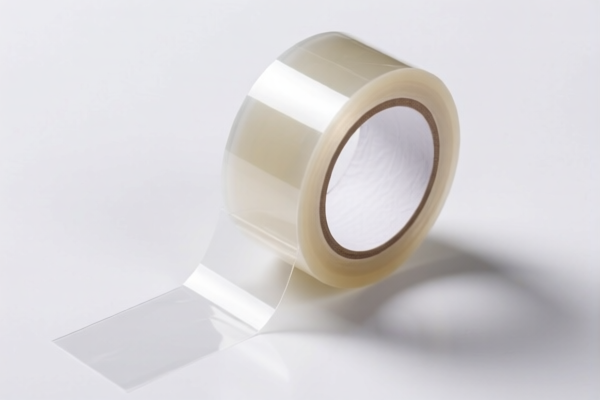
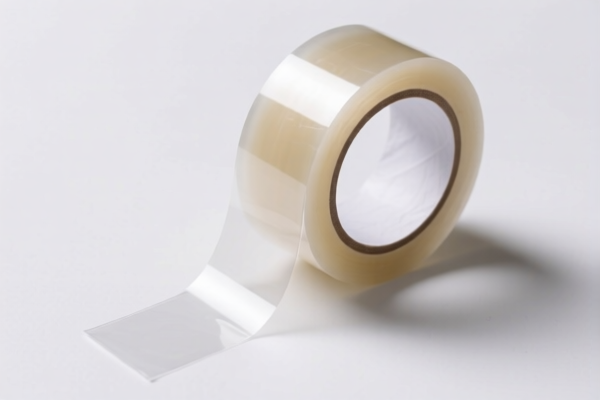
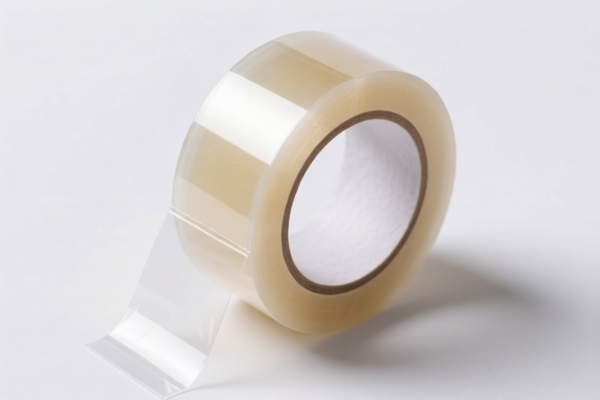
AI Analysis
🎞️ Self Adhesive Transparent Tape (Adhesive Tapes)
🌐 HS Code Reference & Customs Clearance Guide | 2026 Latest Tariff Analysis | Professional Entry Strategy
📌 I. Product Definition & Classification: What Exactly Is "Self-Adhesive Transparent Tape"?
Self-adhesive transparent tape is a widely used industrial and consumer packaging material. In international trade, it is primarily classified under Chapter 39 (Plastics and Articles Thereof) or Chapter 40 (Rubber and Rubber Articles), depending on the core backing material.
Key Distinction:
- Plastic-Based Tape: If the backing is PE (Polyethylene), PVC, or PP (Polypropylene), it falls under Chapter 39.
- Foam-Based Tape: If the backing is foam (even if "transparent" or clear-looking), it may fall under Chapter 40 if it is rubber-based, or Chapter 39 if it is polymer foam (like EVA/PE foam).
- Paper-Based Tape: Excluded from this analysis (usually Chapter 48).
⚠️ Critical Note for "Transparent Tape":
- Most standard office/packaging tapes are BOPP (Biaxially Oriented Polypropylene) or PVC.
- If the tape is foamed (e.g., double-sided foam tape that looks clear), it is often classified as a "plastic sheet" or "rubber foam" depending on the base polymer.
- Misclassification Risk: Declaring a plastic foam tape as rubber foam (or vice versa) can trigger customs audits.
📦 II. HS Code Classification Details (2026 Latest Tariff Authority Mapping)
Based on the provided data, here are the four most likely HS Codes for Self-Adhesive Transparent Tape, categorized by material inference:
| HS Code | Product Description & Inference Logic | Tax Rate (Total) | Tax Breakdown |
|---|---|---|---|
| 3921.11.00.00 | Plastic Tape (Non-Adhesive Backing Focus) Inference: The backing is inferred as a plastic sheet (e.g., EVA or PE foam) classified under "Other plastic sheets, plates, films, foil, and strips." No material or form conflict. |
40.3% | Base: 5.3% Section 301: 25.0% Section 122: 10.0% |
| 3919.10.20.55 | Plastic Self-Adhesive Tape (Other) Inference: Material inferred as plastic (foam is a polymer); fits the form of "flat, self-adhesive tapes." Falls under "Other" sub-items in this category. |
40.8% | Base: 5.8% Section 301: 25.0% Section 122: 10.0% |
| 3919.90.50.60 | Other Plastic Self-Adhesive Tapes Inference: Matches "self-adhesive tape" form. Material inferred as plastic (PE or PU foam commonly used). No material conflict. |
40.8% | Base: 5.8% Section 301: 25.0% Section 122: 10.0% |
| 4008.11.50.00 | Rubber Foam Sheets/Strips Inference: "Foam" in name inferred as "foam rubber." Tape form fits "sheets, strips." Classified under "Other" rubber foam items. |
38.3% | Base: 3.3% Section 301: 25.0% Section 122: 10.0% |
| 4008.11.10.00 | Natural Rubber Foam Sheets/Strips Inference: Form matches "strips." Material inferred as natural rubber foam from "foam tape" common sense. Consistent in form and category. |
35.0% | Base: 0.0% Section 301: 25.0% Section 122: 10.0% |
🔍 Key Observation:
- Plastic-based tapes (Ch. 39) generally carry a higher base tax (5.3%–5.8%) compared to Natural Rubber foam (0%), but the Section 301 (25%) and Section 122 (10%) taxes are consistent across all.
- Total Tax Range: 35.0% – 40.8% for China-origin goods entering the US.
💰 III. 2026 Latest Tariff Rate Details (Including Surtaxes & Policy Add-ons)
✅ Applicable Country: United States (US)
✅ Origin: China (CN)
✅ Effective Time: Nov 10, 2025 onwards
🎯 1. 3921.11.00.00 & 3919.10.20.55 & 3919.90.50.60
(Plastic-Based Self-Adhesive Tapes)
| Item | Detail |
|---|---|
| Base Tariff | 5.3% – 5.8% (ad valorem) |
| USITC Surtax (Section 301) | +25.0% |
| IEEPA Surtax (Section 122) | +10.0% |
| Total Tax Rate | 40.3% – 40.8% |
| Calculation Basis | CIF Value × Total Rate |
| De Minimis Exemption | ❌ Not Eligible (Denied under IEEPA/301 for China origin) |
| Legal Path | USITC:3919.xxxx or 3921.xxxx → FOOTNOTE:301.9977 → IEEPA:9903.01.25 |
📌 Explanation:
- Plastic tapes are heavily scrutinized. The 25% Section 301 tax applies to almost all plastic tapes from China.
- The 10% Section 122 tax is an additional layer for specific strategic goods, often applied to packaging materials.
- Total cost impact: Nearly 41% of the CIF value is tax.
🎯 2. 4008.11.50.00
(Rubber Foam Tape - "Other")
| Item | Detail |
|---|---|
| Base Tariff | 3.3% |
| USITC Surtax (Section 301) | +25.0% |
| IEEPA Surtax (Section 122) | +10.0% |
| Total Tax Rate | 38.3% |
| Calculation Basis | CIF Value × 38.3% |
| De Minimis Exemption | ❌ Not Eligible |
| Legal Path | USITC:4008.11.50.00 → FOOTNOTE:301.9977 → IEEPA:9903.01.25 |
📌 Note:
- If the tape is synthetic foam rubber (not natural), it falls here.
- Lower base tax (3.3%) saves ~$2.5 per $100 vs. plastic tapes.
🎯 3. 4008.11.10.00
(Natural Rubber Foam Tape)
| Item | Detail |
|---|---|
| Base Tariff | 0.0% |
| USITC Surtax (Section 301) | +25.0% |
| IEEPA Surtax (Section 122) | +10.0% |
| Total Tax Rate | 35.0% |
| Calculation Basis | CIF Value × 35.0% |
| De Minimis Exemption | ❌ Not Eligible |
| Legal Path | USITC:4008.11.10.00 → FOOTNOTE:301.9977 → IEEPA:9903.01.25 |
📌 Optimal Strategy?
- If your "transparent tape" is indeed natural rubber foam, this is the lowest tax rate (35%).
- However, true natural rubber foam is rarely fully transparent. Most "clear" foams are PE or EVA (plastic).
- Risk: Misclassifying plastic foam as natural rubber foam to save 5.3% base tax is a high-risk audit trigger.
🛠️ IV. Customs Clearance Practical Advice (Pitfall Avoidance Guide)
✅ 1. Documentation Checklist (Mandatory)
| Document | Required | Purpose |
|---|---|---|
| ✅ Product Specification Sheet | ✔️ | Must state: Base Material (PE, PVC, Natural Rubber, EVA), Adhesive Type (Acrylic, Rubber-based), Thickness, Width. |
| ✅ Material Safety Data Sheet (MSDS) | ✔️ | Helps confirm chemical composition (Plastic vs. Rubber). |
| ✅ Product Photos | ✔️ | Show roll, label, cross-section (to identify foam vs. film). |
| ✅ Commercial Invoice | ✔️ | Clearly state: "Self-Adhesive Tape, [Material], For [Use]." |
| ✅ Packing List | ✔️ | Detail dimensions and weight. |
✅ 2. Classification Strategy (Key Rules)
🔥 "Material Defines Code, Form Supports It!"
| Scenario | Recommended HS Code | Risk Level |
|---|---|---|
| Standard Office Tape (BOPP) | 3919.10.20.55 or 3919.90.50.60 |
✅ Low (Standard) |
| Packaging Tape (PE/PVC) | 3921.11.00.00 or 3919.10.20.55 |
✅ Low (Standard) |
| Double-Sided Foam Tape (PE/EVA) | 3921.11.00.00 |
✅ Low (Plastic Foam) |
| Double-Sided Foam Tape (Natural Rubber) | 4008.11.10.00 |
⚠️ Medium (Verify material) |
| Double-Sided Foam Tape (Synthetic Rubber) | 4008.11.50.00 |
⚠️ Medium (Verify material) |
📌 Critical Warning:
- Do NOT classify a plastic-based foam tape as Rubber Foam (Ch. 40) to save 3% base tax. Customs may request lab tests and impose penalties.
- "Transparent" does not mean "Rubber." Most transparent tapes are BOPP or PVC.
✅ 3. Special Cases
| Case | Handling Advice |
|---|---|
| OEM Custom Tape | Provide customer specs showing material composition. |
| Multi-Layer Tape | Classify based on principal material or the layer giving it essential character. Usually, the backing material (BOPP/Rubber) dominates. |
| Gift Sets (Tape + Dispenser) | Declare separately. Tape goes to Ch. 39/40; Dispenser may go to Ch. 84 or 83. |
🌍 V. Global Market Comparison (2026)
| Country | Recommended HS Code | Total Tax (China Origin) | Notes |
|---|---|---|---|
| 🇺🇸 USA | 3919.10.20.55 / 4008.11.10.00 |
35.0% – 40.8% | High Section 301 + 122 taxes. |
| 🇨🇳 China | 3919.10.20.55 |
~7.5% | Low base tax, no surtaxes. |
| 🇪🇺 EU | 3919.10.20.55 |
6.5% | No Section 301/122. |
| 🇬🇧 UK | 3919.10.20.55 |
6.5% | Post-Brexit tariff aligns with EU. |
📌 Conclusion:
- The US market is the most expensive for Chinese adhesive tapes due to Section 301 (25%) and Section 122 (10%) tariffs.
- Total tax burden is nearly 40%, which significantly impacts profit margins.
📌 VI. Common Errors & Pitfalls (Lessons Learned)
❌ Error 1: Calling all "foam tape" Rubber Foam
👉 Result: If it's PE/EVA foam, it's plastic. Misclassification → Audit, Back Taxes, Penalties.
👉 Fix: Confirm base polymer. PE/EVA = Chapter 39. Natural Rubber = Chapter 40.
❌ Error 2: Under-declaring Value
👉 Result: Severe penalties, seizure.
👉 Fix: Declare full CIF value. Tax is calculated on CIF.
❌ Error 3: Ignoring "Section 122" Tax
👉 Result: Unexpected 10% surtax on top of 25% Section 301.
👉 Fix: Always add 10% to Section 301 calculations for China-origin plastics/rubbers.
🎯 VII. Conclusion: Professional Declaration, Cost Efficiency
🎯 Key Takeaways:
🔹 "Plastic Foam = Ch. 39, Natural Rubber Foam = Ch. 40"
🔹 "Total US Tax = Base (0-5.8%) + 301 (25%) + 122 (10%) = 35-41%"
🔹 "Do Not Mix Up PE/EVA with Natural Rubber!"
📌 Pro Tip:
- If you use Natural Rubber Foam (rare for clear tape), you save 5.3% base tax.
- If you use Standard BOPP/PE Tape, expect 40.8% total tax.
- Consider Supply Chain Diversification: Sourcing from Vietnam, Thailand, or Mexico may avoid Section 301/122 taxes, reducing total tax to ~5-8%.
📣 Immediate Action:
📞 Verify Material Composition with your supplier.
📄 Apply for an Advance Ruling with US Customs (CBP) if the material is ambiguous.
🚀 Optimize Supply Chain: Evaluate non-China origins to save ~35% in tariffs.
✨ Accurate Classification Saves Money!
💼 Your Product, Your Profit – Declare with Precision!
Customer Reviews
About HS Code Classification
The Harmonized System (HS) is an internationally standardized nomenclature developed by the World Customs Organization (WCO) to classify traded products. Over 200 countries use the HS system as the basis for customs tariffs, trade statistics, and import/export regulations.
Each HS code follows a hierarchical structure:
- Chapter (2 digits) — Broad category of goods (e.g., Chapter 84: Machinery and Mechanical Appliances)
- Heading (4 digits) — More specific grouping within the chapter
- Subheading (6 digits) — Internationally standardized breakdown, used by all WCO member countries
- National subdivisions (8-10 digits) — Country-specific extensions for further classification, such as US HTSUS 10-digit codes
Correct HS code classification is essential for smooth customs clearance, accurate duty payment, and compliance with trade regulations. Misclassification can lead to customs delays, overpayment of duties, or penalties.
When importing from CN to US, the applicable tariff rates may include:
- Most-Favored-Nation (MFN) rate — The standard duty rate applied to WTO members
- General rate — Applied to countries without trade agreements
- Trade remedy duties — Additional tariffs such as Section 301 (anti-dumping), Section 232 (national security), or countervailing duties
The information provided on this page is for reference purposes only. For official classification, please consult with your local customs authority or a licensed customs broker.