Self adhesive Vinyl Flooring Roll
CN → US| HS Code | Tariff Rate | Origin | Destination | Doc |
|---|---|---|---|---|
| 3918102000 | 40.3% | CN | US | Official Doc |
| 3918101040 | 40.3% | CN | US | Official Doc |
| 5904909000 | 35.0% | CN | US | Official Doc |
Product Images
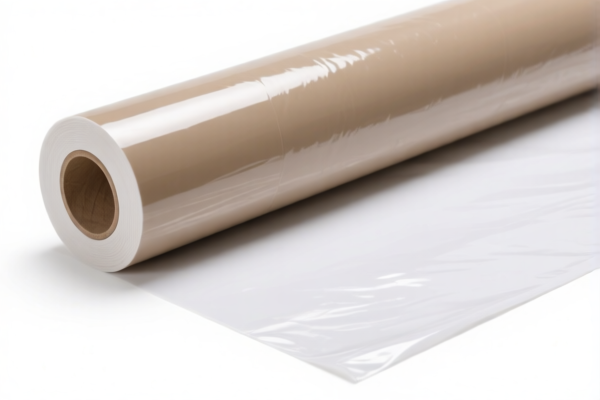
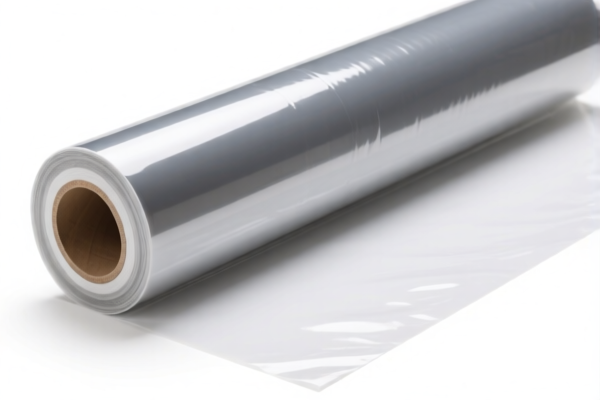

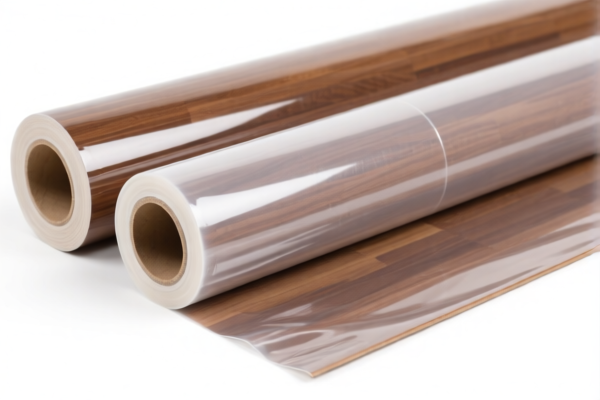
AI Analysis
🏠 Self Adhesive Vinyl Flooring Roll (PEVA/PVC Flooring)
🌐 HS Code Reference & Customs Clearance Guide | 2026 Latest Tariff Analysis | Strategic Compliance Strategy
📌 I. Product Definition & Classification: Do You Really Understand "Vinyl Flooring"?
Self-adhesive vinyl flooring is a modern, DIY-friendly floor covering material, typically made from Polyvinyl Chloride (PVC) or PEVA. In international trade, its classification hinges on two critical factors: Material Composition and Structure/Application.
Vinyl Flooring (PVC Tiles/ Rolls): * Material: Primarily Polyvinyl Chloride (PVC) polymers. * Structure: Self-adhesive backing (pressure-sensitive adhesive) applied directly to the vinyl substrate. * Application: Floor covering for residential or commercial use.
⚠️ Key Distinction Point:
- If it is 100% PVC/Vinyl material intended as a floor covering → It falls under Chapter 39 (Plastics).
- If it has a textile backing (fabric, felt) coated with PVC/Vinyl → It may fall under Chapter 59 (Impregnated Textiles).
- Crucial Note: Most "Self-Adhesive" floors are pure PVC/PEVA rolls/tiles without a textile base, making 3918 the primary candidate.
📦 II. HS Code Classification Details (2026 Latest Tariff Authority Cross-Reference)
| HS Code | Product Description | Applicability | Material Basis |
|---|---|---|---|
3918.10.10.40 |
Vinyl Flooring (PVC): Floor coverings of plastics, self-adhesive or not, consisting of a base layer and a wear layer. | Standard self-adhesive PVC vinyl flooring rolls/tiles. | ✅ Matches: "Vinyl" = PVC Polymer; "Floor" = Floor Covering. |
3918.10.20.00 |
Vinyl Flooring (PVC): Other floor coverings of plastics, not elsewhere specified. | Alternative classification for similar PVC vinyl products where specific sub-heading details differ slightly. | ✅ Matches: Matches material (Vinyl/PVC) and use (Floor covering). |
5904.90.90.00 |
Floor Covering of Textiles: Other floor coverings, including "Cork linoleum" and similar products, whether or not cut to shape, with backing of any material other than textile. | Conditional: Only if the product has a textile backing (e.g., woven fabric base) coated with PVC. | ⚠️ Inferred: Assumes "Vinyl" implies synthetic material on a textile base (Common Misclassification). |
🔍 Key Insight:
- The term "Vinyl" in commercial names directly correlates to PVC Polymer in customs nomenclature.
- If your product is pure PVC/PEVA (no fabric backing), HS 3918 is the most accurate.
- If you apply HS 5904 to a pure PVC roll without textile backing, customs may reclassify it to 3918, leading to tax discrepancies.
💰 III. 2026 Latest Tariff Rate Breakdown (Including Surtaxes & Policy Add-ons)
✅ Applicable Country: United States (US)
✅ Country of Origin: China (CN)
✅ Effective Date: From November 10, 2025 (and subsequent imports)
🎯 1. 3918.10.20.00 & 3918.10.10.40 —— Vinyl Flooring (PVC Based)
These two codes share the same tax profile for Chinese-origin goods.
| Item | Content |
|---|---|
| Base Duty Rate | 5.3% (Ad Valorem) |
| Section 301 Surtax (Add-on) | +25.0% (USITC Footnote 9903.88.01 / 301 Tariffs) |
| Section 122 Tariff | +10.0% (Specific provision for certain textile/plastic floor coverings) |
| Total Tax Rate | 40.3% |
| Tax Calculation | CIF Value × 40.3% |
| De Minimis Eligibility | ❌ Not Eligible (deny_de_minimis) |
| Legal Basis Path | USITC:3918.10.10.40 → FOOTNOTE:9903.88.01 (Section 301) + Section 122 |
📌 Explanation:
- Base Duty (5.3%): Standard Most Favored Nation (MFN) rate for plastic floor coverings.
- Section 301 (25%): Trump-era tariffs still in effect, targeting Chinese plastics and flooring products.
- Section 122 (10%): Additional duty on certain imports, including specific plastic floor coverings.
- Total 40.3%: This is a high-cost item for importers. Accurate classification is vital to avoid underpayment penalties.
🎯 2. 5904.90.90.00 —— Floor Covering of Textiles (With PVC Coating)
| Item | Content |
|---|---|
| Base Duty Rate | 0.0% (Ad Valorem) |
| Section 301 Surtax (Add-on) | +25.0% (USITC Footnote 9903.88.01) |
| Section 122 Tariff | +10.0% |
| Total Tax Rate | 35.0% |
| Tax Calculation | CIF Value × 35.0% |
| De Minimis Eligibility | ❌ Not Eligible (deny_de_minimis) |
| Legal Basis Path | USITC:5904.90.90.00 → FOOTNOTE:9903.88.01 (Section 301) + Section 122 |
📌 Caution:
- While the base duty is 0%, the 301 + 122 surcharges still apply, resulting in a 35.0% total rate.
- Risk: If customs determines your product is NOT textile-backed (i.e., it’s pure PVC), they will reclassify to 3918, and you’ll owe the 40.3% rate plus penalties for incorrect declaration.
- Inference: Some brokers use5904assuming "Vinyl" implies a textile backing, but this is risky without physical evidence.
🛠️ IV. Customs Clearance Practical Advice (Battle-Tested Pitfall Avoidance)
✅ 1. Document Checklist (Mandatory)
| Document | Must Provide | Explanation |
|---|---|---|
| ✅ Product Specification Sheet | ✔️ | Must explicitly state: Material Composition (e.g., "100% PVC" or "PVC on Fabric Base"), Thickness, Width. |
| ✅ Product Photos (Close-up of Backing) | ✔️ | Critical to prove whether the backing is adhesive-only (plastic) or textile-based. |
| ✅ Commercial Invoice | ✔️ | Describe as "Self-Adhesive Vinyl PVC Floor Roll", NOT just "Vinyl Flooring". |
| ✅ Certificate of Origin (CO) | ✔️ | Required for origin determination (China = High Tariffs). |
| ✅ Packaging List | ✔️ | Clear indication of gross/net weight and dimensions. |
✅ 2. Declaration Tips (Golden Rules)
🔥 “Material Defines Code, Not Just Name!”
| Scenario | Correct Declaration | Wrong Approach |
|---|---|---|
| Pure PVC/PEVA Roll (No Fabric) | HS: 3918.10.10.40 or 3918.10.20.00 |
Declaring as 5904 → Reclassification Risk |
| PVC on Fabric Backing | HS: 5904.90.90.00 |
Declaring as 3918 → Overpayment (but safer) |
| "Self-Adhesive" Label | Include in Description | Ignoring the adhesive layer may lead to classification errors |
| Generic "Vinyl Floor" | Specify "Polyvinyl Chloride" | Vague terms → Customs Audit Delay |
✅ 3. Special Situation Handling
| Situation | Advice |
|---|---|
| Mixed Material Rolls | If the wear layer is PVC but the backing is fabric, declare as 5904. If both are PVC, declare as 3918. |
| Sample Shipments | Even samples are subject to 40.3% or 35.0% duties. Do not use "Gift" or "Sample" to evade taxes. |
| Origin Shifting | Products manufactured in Vietnam, Malaysia, or Thailand may be exempt from Section 301 tariffs. Verify Country of Manufacture, not just shipment origin. |
| Pre-Ruling Application | For high-volume imports, apply for an Advance Ruling from CBP to lock in the HS Code and avoid surprise audits. |
🌍 V. Global Market Comparison (2026 Latest)
| Country/Region | Recommended HS Code | Duty Rate (CN Origin) | Certification | Notes |
|---|---|---|---|---|
| 🇺🇸 USA | 3918.10.10.40 |
40.3% | None (Standard) | High tariff; strict on origin. |
| 🇨🇳 China | 3918.10.10.40 |
5.3% | None | Low base duty; no surcharges. |
| 🇪🇺 EU | 3918.10.90 |
6.5% | CE (if applicable) | No 301/122 surcharges. |
| 🇬🇧 UK | 3918.10.90 |
6.5% | UKCA | Post-Brexit rules apply. |
| 🇦🇺 Australia | 3918.10.90 |
5.0% | None | Competitive rate. |
📌 Conclusion:
- USA is the most challenging market due to Section 301 + 122 tariffs.
- Consider supply chain diversification if exporting large volumes to the US.
- For EU/UK/AU, the process is smoother with standard duties.
📌 VI. Common Errors & Pitfall Guide (Lessons Learned)
❌ Error 1: Declaring pure PVC rolls as 5904 to save 5.3% base duty.
👉 Consequence: Customs reclassifies to 3918, charges 40.3%, plus penalties and delays.
❌ Error 2: Ignoring the 10% Section 122 tariff.
👉 Consequence: Underpayment of duties, leading to CBP audits and fines.
❌ Error 3: Using vague terms like "Flooring" without material specification.
👉 Consequence: CBP requests additional documentation, causing shipment holds.
❌ Error 4: Assuming "Vinyl" means "Textile-backed".
👉 Consequence: Misclassification. Vinyl = PVC Polymer. Only if coated on fabric does it become 5904.
✅ Correct Declaration Example:
"Self-Adhesive Vinyl Floor Roll, Material: 100% Polyvinyl Chloride (PVC), Thickness: 2mm, Width: 3.6m, No Textile Backing, Model XYZ, Origin: China"
🎯 VII. Conclusion: Precision in Classification Saves Money!
🎯 Key Takeaways:
🔹 "Pure PVC = 3918 (40.3%)"; "PVC on Fabric = 5904 (35.0%)"
🔹 "Section 301 + 122 are unavoidable for Chinese goods"
🔹 "Document your material composition clearly to avoid reclassification"
📌 Pro Tip:
If your product has a fabric backing, insist on 5904.90.90.00 (35.0%) and provide cross-section photos proving the textile layer.
If it’s pure PVC, embrace 3918 (40.3%) and ensure your supplier’s COO is accurate.
📣 Immediate Action:
📞 Contact your customs broker with material composition sheets.
🚀 Verify Country of Manufacture to check for potential tariff exemptions (e.g., Vietnam-origin PVC).
💼 Get an Advance Ruling if your shipment value exceeds $10,000.
✨ Professional Clearance Starts with Accurate Classification!
💼 Every percentage point counts in your profit margin!
Customer Reviews
About HS Code Classification
The Harmonized System (HS) is an internationally standardized nomenclature developed by the World Customs Organization (WCO) to classify traded products. Over 200 countries use the HS system as the basis for customs tariffs, trade statistics, and import/export regulations.
Each HS code follows a hierarchical structure:
- Chapter (2 digits) — Broad category of goods (e.g., Chapter 84: Machinery and Mechanical Appliances)
- Heading (4 digits) — More specific grouping within the chapter
- Subheading (6 digits) — Internationally standardized breakdown, used by all WCO member countries
- National subdivisions (8-10 digits) — Country-specific extensions for further classification, such as US HTSUS 10-digit codes
Correct HS code classification is essential for smooth customs clearance, accurate duty payment, and compliance with trade regulations. Misclassification can lead to customs delays, overpayment of duties, or penalties.
When importing from CN to US, the applicable tariff rates may include:
- Most-Favored-Nation (MFN) rate — The standard duty rate applied to WTO members
- General rate — Applied to countries without trade agreements
- Trade remedy duties — Additional tariffs such as Section 301 (anti-dumping), Section 232 (national security), or countervailing duties
The information provided on this page is for reference purposes only. For official classification, please consult with your local customs authority or a licensed customs broker.