Self adhesive Wall Sticker
CN → US| HS Code | Tariff Rate | Origin | Destination | Doc |
|---|---|---|---|---|
| 3918905000 | 39.2% | CN | US | Official Doc |
| 3918105000 | 39.2% | CN | US | Official Doc |
| 3919905060 | 40.8% | CN | US | Official Doc |
| 4814200000 | 17.5% | CN | US | Official Doc |
| 3919102055 | 40.8% | CN | US | Official Doc |
| 4814900200 | 17.5% | CN | US | Official Doc |
Product Images
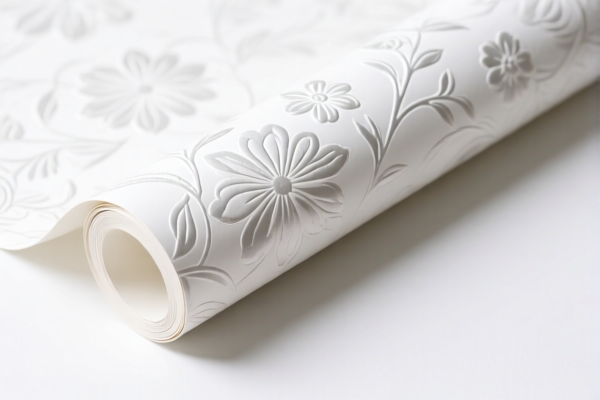
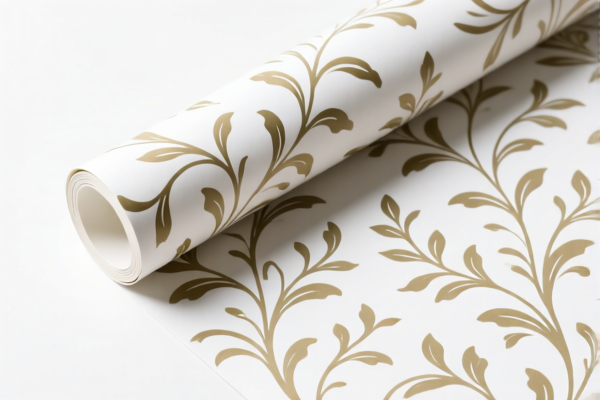
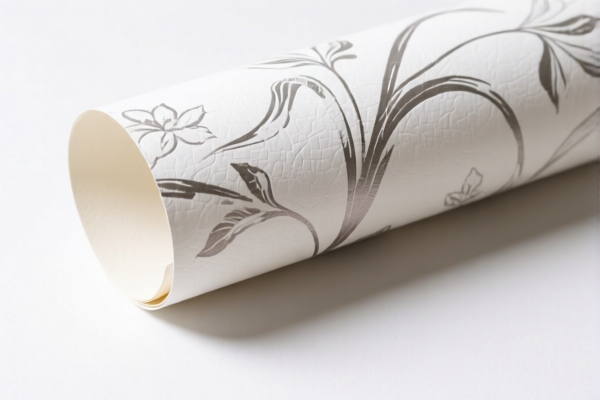
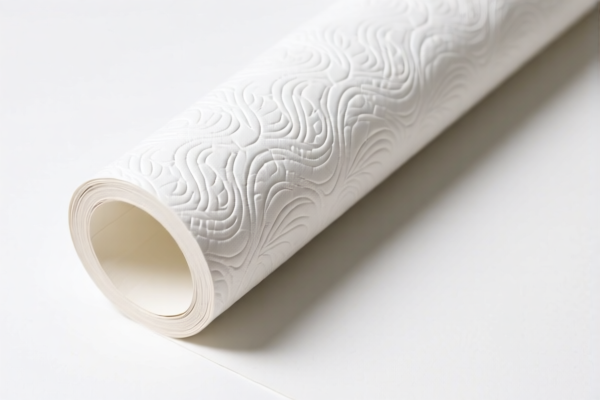
AI Analysis
🎨 Self-Adhesive Wall Stickers (Decorative Wall Coverings)
🌐 HS Code Reference & Clearance Guide | 2026 Latest Tariff Analysis | Professional Customs Strategy
📌 I. Product Definition & Classification: What Exactly Are You Importing?
Self-adhesive wall stickers are versatile decorative materials used to beautify interior spaces. In international trade, they are primarily classified based on their core material (Plastic vs. Paper) and form (Rolled/Flat Sheets vs. Discrete Stickers). The key distinction lies in whether the backing is considered a "paper product" (Chapter 48) or a "plastic product" (Chapter 39).
Plastic-Based Stickers (PVC/Vinyl):
Made from polymer sheets (e.g., PVC) with an adhesive layer. These fall under Chapter 39.
Key Characteristics: Waterproof, durable, often used in bathrooms/kitchens.
Paper-Based Stickers (Wallpaper):
Made from paper or paperboard with an adhesive layer. These fall under Chapter 48.
Key Characteristics: Breathable, eco-friendly, traditional wallpaper substitutes.
⚠️ Critical Distinction Point:
- If the product is essentially a plastic sheet (PVC) with adhesive → Chapter 39 (Higher Tariffs ~39-41%).
- If the product is essentially paper (even if self-adhesive) → Chapter 48 (Lower Tariffs ~17.5%).
- Note: Customs often scrutinize the "primary character" of the good. If it's a paper sheet with a thin plastic coating, it may still qualify for Chapter 48, but clear material specifications are required.
📦 II. HS Code Classification Details (2026 Latest Tariff Authority)
Based on the provided data, here are the specific HS Codes and their corresponding rationales:
| HS Code | Product Description & Rationale | Total Tax Rate | Tax Breakdown |
|---|---|---|---|
3918.90.50.00 |
Plastic Wall Coverings: Plastic wall coverings in the form of wallpaper or similar wall coverings. (Rationale: Plastic material + Wall application) |
39.2% | Base: 4.2% + Section 301: 25.0% + Section 122: 10.0% |
3918.10.50.00 |
PVC Wall Coverings: Wall coverings of polymers of vinyl chloride (PVC). (Rationale: Specific polymer type + Wall application) |
39.2% | Base: 4.2% + Section 301: 25.0% + Section 122: 10.0% |
3919.90.50.60 |
Plastic Self-Adhesive Flat Shapes: Self-adhesive plastic products in flat shapes, other than those of headings 3918. (Rationale: Self-adhesive form + Plastic material) |
40.8% | Base: 5.8% + Section 301: 25.0% + Section 122: 10.0% |
4814.20.00.00 |
Paper Wallpaper & Wall Decor: Self-adhesive wallpaper and similar wall coverings of paper. (Rationale: Paper material + Self-adhesive + Wall use) |
17.5% | Base: 0.0% + Section 301: 7.5% + Section 122: 10.0% |
3919.10.20.55 |
Plastic/Polimer Self-Adhesive Flat Sheets: Self-adhesive plastic sheets/films, other. (Rationale: General plastic adhesive sheet form) |
40.8% | Base: 5.8% + Section 301: 25.0% + Section 122: 10.0% |
4814.90.02.00 |
Other Wall Coverings (Paper): Other wallpaper and similar wall coverings of paper, whether or not printed, textured, plated, coated, coated or impregnated with soap, detergent, wax, etc. (Rationale: Paper-based wall covering, broad category) |
17.5% | Base: 0.0% + Section 301: 7.5% + Section 122: 10.0% |
🔍 Key Insight:
- Chapter 39 (Plastic) codes generally attract a 39.2% - 40.8% total tariff.
- Chapter 48 (Paper) codes generally attract a 17.5% total tariff.
- Strategy: If your product is paper-based, ensure it is declared correctly under 4814 to save ~22% in taxes compared to plastic declarations.
💰 III. 2026 Tariff Rate Breakdown (Including Surcharges & Policy Add-ons)
✅ Applicable Country: United States (US)
✅ Country of Origin: China (CN)
✅ Effective Date: Ongoing (See specific footnote details below)
🎯 1. 3918.90.50.00 & 3918.10.50.00 – Plastic/PVC Wall Coverings
| Item | Content |
|---|---|
| Base Rate (MFN) | 4.2% |
| USITC Surcharge (Section 301) | +25.0% (List 4 / Footnote 9903.88.01 related) |
| IEEPA Surcharge (Section 122) | +10.0% (针对特定中国产品) |
| Total Effective Rate | 39.2% |
| Calculation Basis | CIF Value × 39.2% |
| De Minimis Exemption? | ❌ NO (Denied) |
| Legal Path | Base Tariff → USITC:3918 → FOOTNOTE:9903.88.01 → IEEPA:122 |
📌 Explanation:
- Plastic wall coverings are heavily taxed due to their classification as manufactured plastic goods.
- The 25% Section 301 tariff applies broadly to many plastic products.
- The 10% Section 122 tariff adds further burden on specific Chinese-origin goods.
- Result: This is a high-cost category. Importers must factor in nearly 40% in duties.
🎯 2. 3919.90.50.60 & 3919.10.20.55 – Plastic Self-Adhesive Sheets/Stickers
| Item | Content |
|---|---|
| Base Rate (MFN) | 5.8% |
| USITC Surcharge (Section 301) | +25.0% |
| IEEPA Surcharge (Section 122) | +10.0% |
| Total Effective Rate | 40.8% |
| Calculation Basis | CIF Value × 40.8% |
| De Minimis Exemption? | ❌ NO (Denied) |
| Legal Path | Base Tariff → USITC:3919 → FOOTNOTE:9903.88.01 → IEEPA:122 |
📌 Note:
- These codes are for "flat shapes" or "sheets" of plastic. If your stickers are loose, discrete cutouts (not rolls/sheets), customs might argue they are "adhesive labels" (different heading), but given the "wall sticker" use,3919is a common fallback if3918is deemed incorrect.
- Highest Tax Bracket: At 40.8%, this is the most expensive classification. Ensure you aren't misclassifying a paper product here.
🎯 3. 4814.20.00.00 & 4814.90.02.00 – Paper Wallpaper & Wall Decor
| Item | Content |
|---|---|
| Base Rate (MFN) | 0.0% |
| USITC Surcharge (Section 301) | +7.5% |
| IEEPA Surcharge (Section 122) | +10.0% |
| Total Effective Rate | 17.5% |
| Calculation Basis | CIF Value × 17.5% |
| De Minimis Exemption? | ❌ NO (Denied) |
| Legal Path | Base Tariff → USITC:4814 → FOOTNOTE:9903.88.01 → IEEPA:122 |
📌 Explanation:
- Significant Savings: Paper-based wall stickers benefit from a 0% base tariff.
- The 7.5% Section 301 surcharge is significantly lower than the 25% applied to plastics.
- Result: At 17.5%, this is the most cost-effective classification, but strictly requires the product to be paper-based. Misclassifying plastic as paper is fraud and carries heavy penalties.
🛠️ IV. Customs Clearance Practical Advice (Real-World Pitfall Avoidance)
✅ 1. Documentation Checklist (Non-Negotiable)
| Document | Required? | Purpose |
|---|---|---|
| ✅ Product Specification Sheet | ✔️ | Must clearly state Material Composition (e.g., "100% Paper backing with water-activated glue" vs. "PVC Vinyl with pressure-sensitive adhesive"). |
| ✅ Product Photos | ✔️ | Show texture, roll/sheet format, and packaging. |
| ✅ Commercial Invoice | ✔️ | Must accurately describe the item: "Self-Adhesive Paper Wall Sticker" or "PVC Vinyl Wall Decal". |
| ✅ Bill of Lading/Air Waybill | ✔️ | Standard shipping document. |
| ✅ Fiber Content/Material Declaration | ✔️ | Critical for distinguishing Chapter 48 (Paper) from Chapter 39 (Plastic). |
✅ 2. Declaration Tips (Key Mantra)
🔥 "Paper is Low, Plastic is High; Declare Material, Not Just Style!"
| Scenario | Correct HS Code | Common Error | Consequence |
|---|---|---|---|
| Paper Sticker (Breathable, matte) | 4814.20.00.00 / 4814.90.02.00 |
Misdeclare as PVC to avoid paperwork | 17.5% Tax (Correct) vs. 39.2% (Wrong) |
| PVC/Vinyl Sticker (Waterproof, glossy) | 3918.90.50.00 / 3918.10.50.00 |
Misdeclare as Paper to save tax | 39.2% Tax (Correct) vs. Audit/Fines if caught |
| Loose Cutout Stickers (Not on a sheet) | 3919.90.50.60 or 3919.10.20.55 |
Misdeclare as Wallpaper | 40.8% Tax (Correct) vs. Rejection |
⚠️ Critical Warning:
- Do NOT declare PVC products as Paper. Customs labs can easily test the material. Penalties include seizure, fines, and loss of importer privileges.
- Do NOT assume all "Wall Stickers" are the same. The material dictates the HS Code, which dictates the tariff.
✅ 3. Special Cases & Handling
| Situation | Handling Advice |
|---|---|
| Hybrid Materials (e.g., Paper with Plastic Coating) | If the plastic coating is thin and paper is the essential character, argue for Chapter 48. Provide technical data sheets. |
| Rolled vs. Cut | Rolls are typically 3918 or 4814. Loose, pre-cut shapes may be 3919. Check the form factor carefully. |
| Packaging | Declare the stickers, not the cardboard tube or plastic sleeve. |
🌍 V. Global Market Clearance Comparison (2026 Latest)
| Country/Region | Recommended HS Code | Tariff Rate (China Origin) | Certification Requirements | Remarks |
|---|---|---|---|---|
| 🇺🇸 USA | 4814.20.00.00 (Paper) |
17.5% | None specific | Cheapest Option if paper-based. |
| 🇺🇸 USA | 3918.90.50.00 (Plastic) |
39.2% | None specific | High tariff due to Section 301/122. |
| 🇪🇺 EU | 4823.90 (Paper) |
~0% - 6.5% | REACH, RoHS | Lower tariffs than US, but strict chemical compliance. |
| 🇨🇦 Canada | 4823.90 (Paper) |
~0% | CSA | No major surcharges like US Section 301. |
| 🇬🇧 UK | 4823.90 (Paper) |
~0% | UKCA | Post-Brexit regulations apply. |
📌 Conclusion:
- USA is the most expensive market due to Section 301 and Section 122 tariffs.
- Paper-based products (4814) are significantly more profitable to import into the US than plastic-based ones.
- Consider supply chain diversification if margins are tight and products are PVC-based.
📌 VI. Common Mistakes & Pitfalls (Lessons Learned)
❌ Mistake 1: Declaring PVC Vinyl Stickers as "Wallpaper" (Paper)
👉 Consequence: Customs detects non-paper material. Back-tariffs of ~22% + penalties.
❌ Mistake 2: Using "Decorative Items" as a generic description
👉 Consequence: Customs may assign the highest residual tariff or delay shipment for classification review.
❌ Mistake 3: Ignoring Section 122 Tariff
👉 Consequence: Underestimating landed cost. The 10% surcharge is often overlooked but adds up on large shipments.
❌ Mistake 4: Assuming De Minimis Exemption (Section 321)
👉 Consequence: Denied. Goods from China with tariffs >25% are NOT eligible for the $800 de minimis exemption. Full duties apply.
✅ Correct Action:
"Self-Adhesive Wall Decal, 100% Paper Base, Water-Activated Adhesive, Design: Geometric, 12x12 inches, Pack of 6"
vs.
"Vinyl Wall Sticker, PVC Material, Pressure-Sensitive Adhesive, Water-Resistant"
🎯 VII. Conclusion: Precision Classification, Profit Maximization
🎯 Key Takeaway:
🔹 "Material is King: Paper saves 22%, Plastic costs 40%."
🔹 "Section 122 & 301: No De Minimis for Chinese Goods."
🔹 "Clear Product Description: Avoid 'Wall Decor', Use 'Paper/PVC Wall Sticker'."
📌 Pro Tip:
If you are importing large volumes, consider applying for an Advance Ruling from U.S. Customs and Border Protection (CBP). This provides legal certainty on whether your specific hybrid product qualifies for the lower Chapter 48 tariff.
📣 Immediate Action:
📞 Audit your Bill of Materials: Is it Paper or Plastic?
📄 Update your Invoice Description: Specify material explicitly.
🧮 Recalculate Landed Cost: Factor in 17.5% (Paper) or 39.2-40.8% (Plastic).
✨ Professional Customs Clearance Starts with Accurate Classification!
💼 Your Profit Margin Depends on the First 8 Digits of the HS Code!
Customer Reviews
About HS Code Classification
The Harmonized System (HS) is an internationally standardized nomenclature developed by the World Customs Organization (WCO) to classify traded products. Over 200 countries use the HS system as the basis for customs tariffs, trade statistics, and import/export regulations.
Each HS code follows a hierarchical structure:
- Chapter (2 digits) — Broad category of goods (e.g., Chapter 84: Machinery and Mechanical Appliances)
- Heading (4 digits) — More specific grouping within the chapter
- Subheading (6 digits) — Internationally standardized breakdown, used by all WCO member countries
- National subdivisions (8-10 digits) — Country-specific extensions for further classification, such as US HTSUS 10-digit codes
Correct HS code classification is essential for smooth customs clearance, accurate duty payment, and compliance with trade regulations. Misclassification can lead to customs delays, overpayment of duties, or penalties.
When importing from CN to US, the applicable tariff rates may include:
- Most-Favored-Nation (MFN) rate — The standard duty rate applied to WTO members
- General rate — Applied to countries without trade agreements
- Trade remedy duties — Additional tariffs such as Section 301 (anti-dumping), Section 232 (national security), or countervailing duties
The information provided on this page is for reference purposes only. For official classification, please consult with your local customs authority or a licensed customs broker.