Self adhesive Window Film
CN → US| HS Code | Tariff Rate | Origin | Destination | Doc |
|---|---|---|---|---|
| 3920992000 | 39.2% | CN | US | Official Doc |
| 3920591000 | 41.0% | CN | US | Official Doc |
| 3919905060 | 40.8% | CN | US | Official Doc |
| 3919905040 | 40.8% | CN | US | Official Doc |
| 3918905000 | 14.2% | CN | US | Official Doc |
Product Images
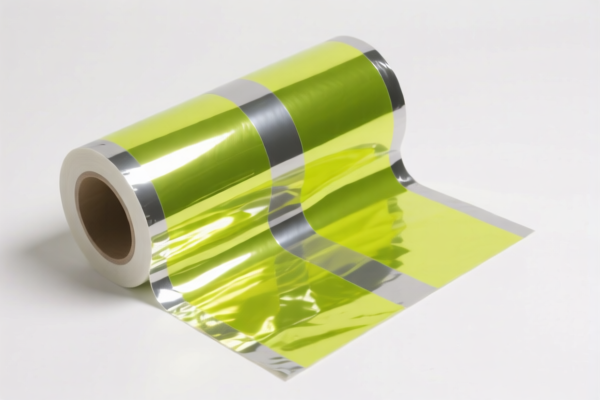
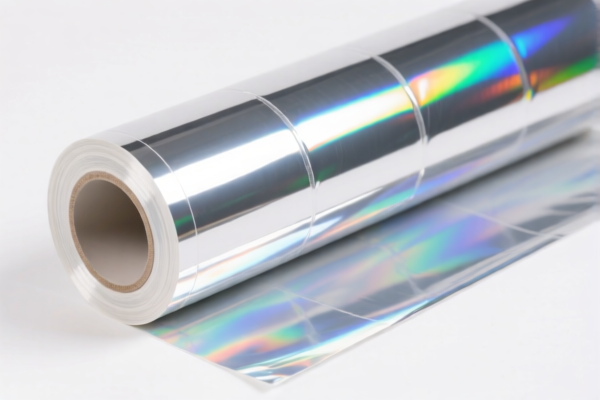
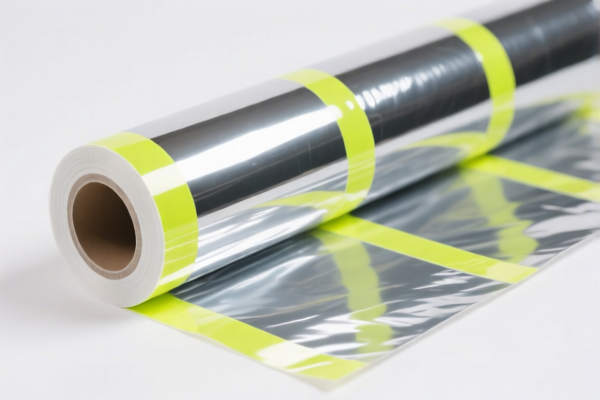
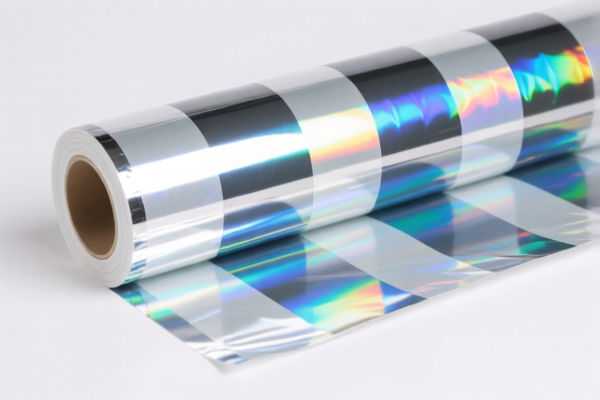
AI Analysis
🪟 Self-Adhesive Window Film: HS Code Classification & Customs Clearance Guide 2026
🌐 HS Code Reference & Customs Strategy | 2026 Latest Tariff Analysis | Professional Clearance Tactics
📌 I. Product Definition & Classification: Do You Really Understand "Window Film"?
Self-adhesive window film is a thin, flexible plastic sheet used to modify glass surfaces for privacy, sun control, or decoration. In international trade, its classification depends heavily on its physical form, material composition, and adhesive properties.
It is generally categorized into two main branches:
- Plastic Sheets/Films (Chapters 3918/3919): If the product is a self-adhesive plastic sheet intended for wall covering or general industrial use, it often falls under Chapter 39.
- Specific Plastic Articles: If it is a specific type of plate, sheet, or film not elsewhere specified, it may fall under Chapter 3920.
⚠️ Key Distinction Points:
- Is it self-adhesive? If yes, look at 3919 (Self-adhesive plates, sheets, film, foil, tape, strip and other flat shapes, of plastics).
- Is it a non-adhesive flat plastic product? If yes, look at 3920 (Other plates, sheets, film, foil and strip, of plastics).
- What is the base material? (e.g., PVC, PET, Acrylic, Composites). This determines the specific 8-digit code.
📦 II. HS Code Classification Details (2026 Latest Tariff Authority Comparison)
Based on the provided data, here are the 5 specific HS Codes for window films and related plastic adhesives:
| HS Code | Product Description | Applicable Scenario | Material/Feature |
|---|---|---|---|
3920.99.20.00 |
Plastic sheets, films, etc., of plastics or composites | General purpose window film, composite material bases | Non-cellular/Non-reinforced Plastic Composites |
3920.59.10.00 |
Plastic plates, sheets, film, foil, strip (other) | Acrylic-based window film, clear protective films | Acrylic Polymer or Other Plastics, Non-foam, Non-reinforced |
3919.90.50.60 |
Self-adhesive plastic film, tape, strip | Standard self-adhesive window tint (PVB/PET based) | Plastic (e.g., PVB/PET), Self-adhesive |
3919.90.50.40 |
Self-adhesive plastic film, tape, strip | Generic self-adhesive plastic window film | Plastic, Self-adhesive |
3918.90.50.00 |
Plastic wall coverings, self-adhesive | Note: Often confused with film, but strictly for Wall Covering (e.g., PVC Wallpaper) | Plastic (e.g., PVC), Self-adhesive Wall Covering |
🔍 Critical Reminder:
- 3919 codes apply to self-adhesive products. If the film has an adhesive backing, it typically falls here.
- 3920 codes apply to non-adhesive plastic sheets/films. If the window film is sold without adhesive (requiring spray application), it may fall here.
- 3918 is for Wall Coverings. Do not misclassify window film as wall covering unless it is specifically designed for walls (like PVC wallpaper). Misclassification here can lead to significant duty differences.
💰 III. 2026 Latest Tariff Rate Breakdown (Including Surtaxes & Policy Add-ons)
✅ Applicable Country: United States (US)
✅ Origin: China (CN)
✅ Effective Date: 2025 November 10 onwards (including subsequent imports)
🎯 1. 3920.99.20.00 —— Plastic Sheets/Films (Composites)
| Item | Content |
|---|---|
| Base Tariff | 4.2% |
| Surtax (Section 301) | +25.0% |
| Section 122 Tariff | +10.0% |
| Total Rate | 39.2% |
| Tax Calculation | CIF Value × 39.2% |
| De Minimis Eligibility | ❌ Not Eligible |
| Legal Basis Path | Base Tariff: 4.2% → Surtax: 25.0% → Sec 122: 10% |
📌 Explanation:
- Base Tariff (4.2%): Standard Most Favored Nation (MFN) rate for general plastic composites.
- Surtax (25%): Added under Section 301 of the Trade Act of 1974 against Chinese goods.
- Section 122 (10%): Additional tariff under U.S. trade laws for specific plastic imports.
- Total 39.2%: A significant cost burden. Must be factored into pricing strategies.
🎯 2. 3920.59.10.00 —— Acrylic Plastic Sheets/Films
| Item | Content |
|---|---|
| Base Tariff | 6.0% |
| Surtax (Section 301) | +25.0% |
| Section 122 Tariff | +10.0% |
| Total Rate | 41.0% |
| Tax Calculation | CIF Value × 41.0% |
| De Minimis Eligibility | ❌ Not Eligible |
| Legal Basis Path | Base Tariff: 6.0% → Surtax: 25.0% → Sec 122: 10% |
📌 Note:
- Highest Base Rate: Acrylic polymers carry a higher base duty (6.0%) compared to general plastics (4.2%-5.8%).
- Total 41.0%: This is the most expensive classification among the provided options.
- If your film is acrylic-based, expect the highest duty load.
🎯 3. 3919.90.50.60 —— Self-Adhesive Plastic Film (PVB/PET)
| Item | Content |
|---|---|
| Base Tariff | 5.8% |
| Surtax (Section 301) | +25.0% |
| Section 122 Tariff | +10.0% |
| Total Rate | 40.8% |
| Tax Calculation | CIF Value × 40.8% |
| De Minimis Eligibility | ❌ Not Eligible |
| Legal Basis Path | Base Tariff: 5.8% → Surtax: 25.0% → Sec 122: 10% |
📌 Explanation:
- Self-Adhesive Feature: Classification under 3919 due to adhesive backing.
- Total 40.8%: Slightly cheaper than acrylic (3920.59.10.00) but more expensive than composite sheets (3920.99.20.00).
- Common for standard PET window tints with adhesive.
🎯 4. 3919.90.50.40 —— Self-Adhesive Plastic Film (Generic)
| Item | Content |
|---|---|
| Base Tariff | 5.8% |
| Surtax (Section 301) | +25.0% |
| Section 122 Tariff | +10.0% |
| Total Rate | 40.8% |
| Tax Calculation | CIF Value × 40.8% |
| De Minimis Eligibility | ❌ Not Eligible |
| Legal Basis Path | Base Tariff: 5.8% → Surtax: 25.0% → Sec 122: 10% |
📌 Note:
- Same tariff as3919.90.50.60.
- The distinction between.40and.60may relate to specific plastic types or dimensions not fully detailed in the summary, but the duty impact is identical.
🎯 5. 3918.90.50.00 —— Self-Adhesive Plastic Wall Covering
| Item | Content |
|---|---|
| Base Tariff | 4.2% |
| Surtax (Section 301) | +0.0% |
| Section 122 Tariff | +10.0% |
| Total Rate | 14.2% |
| Tax Calculation | CIF Value × 14.2% |
| De Minimis Eligibility | ❌ Not Eligible |
| Legal Basis Path | Base Tariff: 4.2% → Surtax: 0.0% → Sec 122: 10% |
📌 CRITICAL WARNING:
- Lowest Rate: Only 14.2% total.
- Why? This code is for Wall Coverings (e.g., PVC Wallpaper).
- Risk: DO NOT misclassify Window Film as Wall Covering to save on tariffs.
- If Customs determines the product is actually for windows (not walls), they will reclassify it to 3919 or 3920, leading to back taxes, penalties, and delays.
- Only use this code if the product is explicitly marketed and used as Wallpaper.
🛠️ IV. Customs Clearance Practical Advice (Real-World Pitfall Guide)
✅ 1. Preparation Checklist (All Required)
| Document | Mandatory? | Description |
|---|---|---|
| ✅ Product Spec Sheet | ✔️ | Must specify material (PET, PVC, Acrylic), thickness, adhesive type. |
| ✅ Photos (Front/Back) | ✔️ | Show the film, the adhesive backing, and any packaging labeling. |
| ✅ Commercial Invoice | ✔️ | Must clearly state "Self-Adhesive Window Film" or "Plastic Sheet". |
| ✅ Packing List | ✔️ | Detail rolls, weight, dimensions. |
| ✅ Composition Statement | ✔️ | Explicitly state "100% PET" or "PVC with Adhesive" to support HS Code. |
| ✅ Country of Origin Certificate | ✔️ | Required for tariff calculations. |
✅ 2. Declaration Tips (Key Mantra)
🔥 “Material Matters, Adhesive Defines, Wall vs. Window is Key!”
| Scenario | Correct Declaration | Error Practice | Consequence |
|---|---|---|---|
| Standard PET Tint | 3919.90.50.60 (Self-adhesive) |
Misclassify as 3920 (Non-adhesive) |
Duty drops? No, customs will audit. If wrong, pay difference. |
| Acrylic Film | 3920.59.10.00 |
Use generic plastic code | Higher duty risk or reclassification. |
| Wallpaper PVC | 3918.90.50.00 |
Call it "Window Film" | High Risk: If labeled as window film but uses 3918 code, customs will reject. |
| Composite Film | 3920.99.20.00 |
Use 3919 code | If no adhesive, 3919 is wrong. If adhesive, 3920 is wrong. |
✅ 3. Special Cases Handling
| Case | Handling Advice |
|---|---|
| Sample Imports | Even samples are subject to duties if over de minimis limits. Ensure HS code matches sample specs. |
| Multiple Rolls in One Box | Declare as "Window Film Rolls", not "Plastic Rolls" + "Glue". Keep unitary. |
| Re-Adhesive Film | If the adhesive is pressure-sensitive, it is Self-Adhesive (3919). If it requires activation (water/heat), it may not be 3919. |
| Customs Inquiry | If asked, provide the MSDS (Material Safety Data Sheet) and Technical Datasheet to prove material composition. |
🌍 V. Global Market Clearance Comparison (2026 Latest)
| Country/Region | Recommended HS Code | Tariff (China Origin) | Certification Required | Notes |
|---|---|---|---|---|
| 🇺🇸 USA | 3919.90.50.60 |
40.8% | None (Standard) | Highest duty burden. Section 301 + 122 apply. |
| 🇨🇳 China | 3919.90.50.60 |
~5-6% | CCC (if applicable) | Lower import duty, but export taxes may apply. |
| 🇪🇺 EU | 3919.90.99 |
6.5% | REACH + CE | No Section 301 equivalent, but REACH compliance is strict. |
| 🇬🇧 UK | 3919.90.99 |
6.5% | UKCA | Post-Brexit rules, similar to EU. |
| 🇨🇦 Canada | 3919.90.90 |
5% | Not required | CUSMA may apply for duty-free if Canadian origin. |
📌 Conclusion:
- USA is the most challenging market due to the 39.2% - 41.0% total tariff.
- EU/UK/Canada are much more favorable with ~5-6% duty.
- Cost Optimization: If possible, consider sourcing non-chinese origin films to avoid US surtaxes, or adjust pricing to absorb the ~40% duty.
📌 VI. Common Mistakes & Pitfalls (Blood & Tears Lessons)
❌ Mistake 1: Using 3918.90.50.00 (14.2%) for Window Film
👉 Consequence: Customs will flag this as fraudulent misclassification. Expect audits, back taxes, and potential seizures. Window film is NOT wall covering.
❌ Mistake 2: Ignoring the "Adhesive" Feature
👉 Consequence: Declaring self-adhesive film as non-adhesive (3920) or vice versa. If the film has glue but is declared as 3920, customs will add the surtax difference and penalties.
❌ Mistake 3: Vague Description: "Plastic Sheet"
👉 Consequence: Customs will assign the highest possible duty rate or require manual examination, causing delays.
✅ Correct Description:
"Self-Adhesive Window Tint Film, 50 Micron, PET Material, Clear, Roll Form, for Residential Use"
🎯 VII. Conclusion: Precision is Profit
🎯 Remember the Mantra:
🔹 "Adhesive = 3919, Non-Adhesive = 3920, Wall = 3918 (Don't fake it!)"
🔹 "US Duty is ~40%, Plan Margin Accordingly!"
🔹 "Acrylic is More Expensive than PET!"
📌 Pro Tip:
- If your window film is non-adhesive (spray-on), it might fall under 3920.59.10.00 (41.0%) or 3920.99.20.00 (39.2%).
- If it is self-adhesive, it falls under 3919.90.50.60/.40 (40.8%).
- Always verify the adhesive type with your supplier.
- Pre-ruling: Consider applying for an Advance Ruling from US Customs (CBP) if the volume is high, to lock in the HS Code and avoid future disputes.
📣 Immediate Action:
📞 Contact your freight forwarder with the Product Spec Sheet + Material Composition.
🚀 Calculate Landed Cost including the ~40% duty.
💡 If margins are thin, explore non-China origins or duty drawback programs if eligible.
✨ Professional clearance starts with accurate classification!
💼 Your every cent of cost deserves precise calculation!
Customer Reviews
About HS Code Classification
The Harmonized System (HS) is an internationally standardized nomenclature developed by the World Customs Organization (WCO) to classify traded products. Over 200 countries use the HS system as the basis for customs tariffs, trade statistics, and import/export regulations.
Each HS code follows a hierarchical structure:
- Chapter (2 digits) — Broad category of goods (e.g., Chapter 84: Machinery and Mechanical Appliances)
- Heading (4 digits) — More specific grouping within the chapter
- Subheading (6 digits) — Internationally standardized breakdown, used by all WCO member countries
- National subdivisions (8-10 digits) — Country-specific extensions for further classification, such as US HTSUS 10-digit codes
Correct HS code classification is essential for smooth customs clearance, accurate duty payment, and compliance with trade regulations. Misclassification can lead to customs delays, overpayment of duties, or penalties.
When importing from CN to US, the applicable tariff rates may include:
- Most-Favored-Nation (MFN) rate — The standard duty rate applied to WTO members
- General rate — Applied to countries without trade agreements
- Trade remedy duties — Additional tariffs such as Section 301 (anti-dumping), Section 232 (national security), or countervailing duties
The information provided on this page is for reference purposes only. For official classification, please consult with your local customs authority or a licensed customs broker.