Self adhesive plastic floor coverings in tiles
CN → US| HS Code | Tariff Rate | Origin | Destination | Doc |
|---|---|---|---|---|
| 3918101040 | 40.3% | CN | US | Official Doc |
| 3918101020 | 40.3% | CN | US | Official Doc |
| 3919905060 | 40.8% | CN | US | Official Doc |
| 3919102055 | 40.8% | CN | US | Official Doc |
| 3926903500 | 24.0% | CN | US | Official Doc |
Product Images
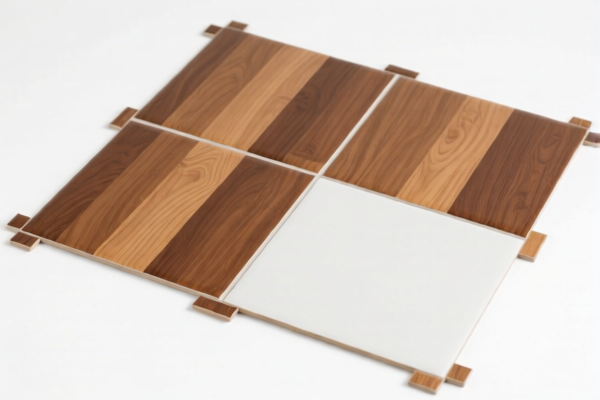
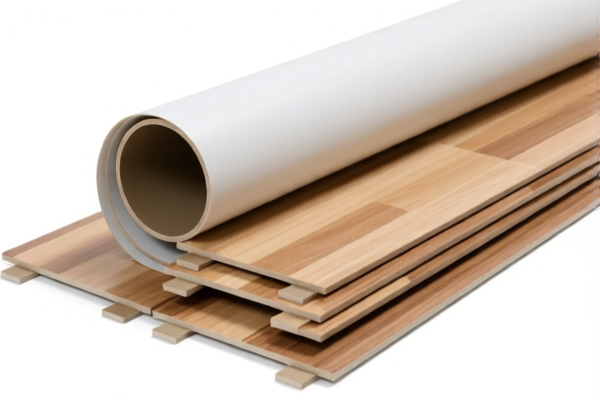
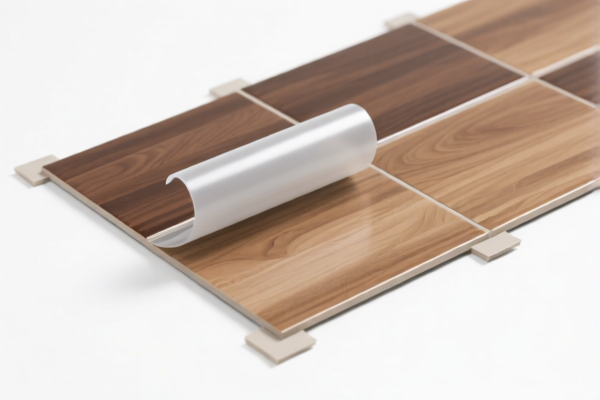
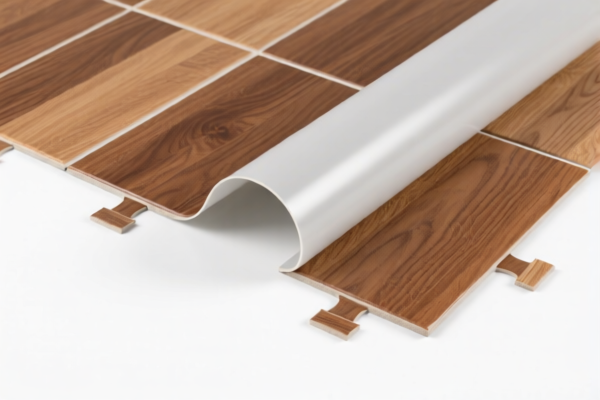
AI Analysis
🏠 Self-Adhesive Plastic Floor Tiles (Vinyl Flooring)
🌐 HS Code Reference & Customs Clearance Guide | 2026 Latest Tariff Analysis | Professional Clearance Strategy
📌 One, Product Definition and Classification: Do You Really Understand "Self-Adhesive PVC Tiles"?
Self-adhesive PVC floor tiles are popular building materials for residential and commercial interior decoration. In international trade, they are primarily classified based on their material composition, form factor, and adhesive properties. The key distinction lies in whether they are classified as rigid floor panels (like vinyl tiles) or flexible plastic sheets/sheets with adhesive backing.
Vinyl Floor Tiles (Rigid/Structured): Rigid PVC tiles that mimic wood or stone, often with a self-adhesive back. These fall under Chapter 39, Heading 3918. Plastic Self-Adhesive Sheets/Sheets: Flexible plastic products with an adhesive layer, often categorized under Chapter 39, Heading 3919 (Self-adhesive plates, sheets, film, foil, tape, strip, and other flat shapes). Other Plastic Articles: If the product does not fit the specific definitions of tiles or self-adhesive sheets, it may be classified as a "other plastic article."
⚠️ Key Distinction Points: - If the product is a rigid tile made of PVC, specifically designed as flooring, it typically falls under 3918.10.10 (Vinyl floor coverings). - If the product is a flexible sheet or has a general self-adhesive plastic characteristic without the specific "tile" structure, it may fall under 3919.90.50 or 3919.10.20. - If the product is considered a general plastic item for flooring but doesn't meet the specific definitions of the above, it might fall under 3926.90.35 (Other plastic articles).
📦 Two, HS Code Classification Details (2026 Latest Tariff Authoritative Comparison)
| HS Code | Product Description | Application Scenario | Key Characteristics |
|---|---|---|---|
3918.10.10.40 |
Self-adhesive PVC floor tiles, PVC material, tile form, classified as vinyl tiles made of polyvinyl chloride polymer. | Residential/Commercial Vinyl Flooring | ✅ Rigid Tile, PVC, Self-Adhesive |
3918.10.10.20 |
Self-adhesive PVC floor tiles, vinyl chloride polymer material, tile form, conforms to the shape characteristics of vinyl tiles. | Residential/Commercial Vinyl Flooring | ✅ Rigid Tile, Vinyl Chloride Polymer |
3919.90.50.60 |
Self-adhesive PVC floor tiles, plastic material, self-adhesive tile form, conforms to the classification characteristics of plastic self-adhesive sheets/sheets. | General Self-Adhesive Plastic Flooring | ✅ Flexible/General Plastic, Self-Adhesive |
3919.10.20.55 |
Self-adhesive PVC floor tiles, polyvinyl chloride material, self-adhesive flat shape, conforms to the classification definition of plastic self-adhesive flat shapes. | Flat Self-Adhesive PVC Sheets | ✅ Flat Shape, Self-Adhesive PVC |
3926.90.35.00 |
Self-adhesive PVC floor tiles, polyvinyl chloride material, plastic product application, belongs to derivative products of plastic articles. | Other Plastic Flooring Items | ✅ General Plastic Article, Flooring Use |
🔍 Important Reminder: - Products explicitly described as "Vinyl Floor Tiles" or "PVC Floor Tiles" with a rigid structure should preferentially be classified under 3918.10.10. - If the product is more of a flexible adhesive sheet cut into tiles, customs may classify it under 3919. - The 3926.90.35.00 code is often a "catch-all" for plastic articles not specifically mentioned elsewhere, potentially resulting in a lower tax rate if the specific definitions of 3918 or 3919 do not strictly apply. However, this requires careful justification and possibly advance rulings.
💰 Three, 2026 Latest Tariff Rate Details (Including Surcharges, Policy Surcharges)
✅ Applicable Country: United States (US)
✅ Origin: China (CN)
✅ Effective Date: From November 10, 2025 (including subsequent imports)
🎯 1. 3918.10.10.40 / 3918.10.10.20 —— Vinyl Floor Tiles (PVC)
| Item | Content |
|---|---|
| Base Tariff | 5.3% (ad valorem) |
| USITC Surcharge (Section 301) | +25.0% |
| 122 Clause Surcharge (IEEPA) | +10.0% |
| Total Tax Rate | 40.3% |
| Tax Calculation | CIF Value × 40.3% |
| De Minimis Exemption Available? | ❌ No (deny_de_minimis) |
| Legal Basis Path | IEEPA:9903.01.25 → USITC:3918.10.10 → 122 Clause:10% |
📌 Explanation: - "Base Tariff 5.3%": The standard Most Favored Nation (MFN) rate for vinyl floor coverings. - "Section 301 Surcharge 25%": Additional tariff imposed on Chinese goods under the US Trade Act Section 301. - "122 Clause Surcharge 10%": Additional tariff under the International Emergency Economic Powers Act (IEEPA) targeting Chinese products. - Total 40.3% is a high tariff rate, requiring careful cost planning.
🎯 2. 3919.90.50.60 / 3919.10.20.55 —— Self-Adhesive Plastic Sheets/Sheets
| Item | Content |
|---|---|
| Base Tariff | 5.8% (ad valorem) |
| USITC Surcharge (Section 301) | +25.0% |
| 122 Clause Surcharge (IEEPA) | +10.0% |
| Total Tax Rate | 40.8% |
| Tax Calculation | CIF Value × 40.8% |
| De Minimis Exemption Available? | ❌ No (deny_de_minimis) |
| Legal Basis Path | IEEPA:9903.01.25 → USITC:3919.90.50 → 122 Clause:10% |
📌 Note: - This classification has a slightly higher base tariff (5.8%) compared to vinyl tiles (5.3%), resulting in a higher total rate (40.8%). - If your product is clearly a "tile," classify under 3918. If it's a "sheet," classify under 3919. Misclassification can lead to penalties.
🎯 3. 3926.90.35.00 —— Other Plastic Articles
| Item | Content |
|---|---|
| Base Tariff | 6.5% (ad valorem) |
| USITC Surcharge (Section 301) | +7.5% |
| 122 Clause Surcharge (IEEPA) | +10.0% |
| Total Tax Rate | 24.0% |
| Tax Calculation | CIF Value × 24.0% |
| De Minimis Exemption Available? | ❌ No (deny_de_minimis) |
| Legal Basis Path | IEEPA:9903.01.25 → USITC:3926.90.35 → 122 Clause:10% |
📌 Critical Warning: - This classification offers a significantly lower total tax rate of 24.0% compared to the 40.3%-40.8% range for vinyl tiles or self-adhesive sheets. - However, this classification is only applicable if the product does not strictly meet the definitions of "vinyl floor tiles" (3918) or "self-adhesive plastic sheets" (3919). - Using this code for standard PVC floor tiles is high-risk and may be challenged by customs as misclassification. It is suitable for niche or non-standard plastic flooring products that don't fit other specific headings. - Recommendation: Only use this if your product is a derivative plastic article and not a standard vinyl tile. Consult with a customs broker or apply for an Advance Ruling.
🛠️ Four, Customs Clearance Practical Advice (实战避坑指南)
✅ 1. Preparation Checklist (Indispensable)
| Document | Required | Explanation |
|---|---|---|
| ✅ Product Specifications | ✔️ | Includes material (PVC/Plastic), form (Tile/Sheet), adhesive type, dimensions, thickness. |
| ✅ Product Photos | ✔️ | Clear images showing the tile shape, adhesive backing, and packaging. |
| ✅ Commercial Invoice | ✔️ | Clearly state "Self-Adhesive PVC Floor Tiles" or "Plastic Floor Covering." Avoid vague terms like "Decorative Material." |
| ✅ Packing List | ✔️ | Detail the contents, ensuring consistency with the invoice. |
| ✅ Certificate of Origin (CO) | ✔️ | To prove origin as China (if applicable) and for tariff calculation. |
| ✅ Third-Party Test Report | ✔️ | Flammability tests, VOC emissions (important for indoor use), material composition analysis. |
✅ 2. Declaration Tips (Key Mantras)
🔥 "Material Defines Code, Form Defines Subcode, Name Must Be Precise!"
| Scenario | Correct Declaration | Wrong Practice |
|---|---|---|
| Standard Rigid PVC Tiles | 3918.10.10.40 (Vinyl Tiles) |
Declare as "Plastic Sheet" → Higher Tax (40.8%) |
| Flexible Self-Adhesive PVC | 3919.90.50.60 (Self-Adhesive Sheet) |
Declare as "Tile" → Potential Misclassification |
| Non-Standard Plastic Flooring | 3926.90.35.00 (Other Plastic Article) |
Declare as "Tile" without justification → Risk of Penalty |
| Vague Description "Floor Mat" | Unclear → High Risk of Audit | Use specific HS Code and detailed description |
✅ 3. Special Circumstances
| Situation | Handling Advice |
|---|---|
| OEM Custom Tiles | Provide client order + design drawings. If the product is unique, consider 3926.90.35.00 but with strong justification. |
| Mixed Packaging | If tiles are packed with underlayment, declare separately. Underlayment may have different HS codes. |
| High-End Vinyl Tiles | Ensure documentation proves they are "Vinyl" (PVC) and not just "Plastic" to avoid being classified under the more general or different codes. |
| Cost Optimization | If your product is a generic plastic sheet cut into tiles, and not a rigid vinyl tile, consider 3919 or even 3926 (if applicable) to reduce costs, but verify with customs. |
🌍 Five, Global Major Market Clearance Comparison (2026 Latest)
| Country/Region | Recommended HS Code | Tariff (China Origin) | Certification Requirements | Remarks |
|---|---|---|---|---|
| 🇺🇸 United States | 3918.10.10.40 |
40.3% (Tile) | FCC (if electronic), but mainly FLIR/Flammability | High tariff due to Section 301 + 122 Clause. 3926.90.35.00 offers 24.0% but high risk. |
| 🇨🇳 China | 3918.10.10 |
5.3% - 6.5% | CCC (if applicable) | Lower tariffs, no US surcharges. |
| 🇪🇺 European Union | 3918.10.10 |
6.5% | REACH, CE (if applicable) | No US-style surcharges. |
| 🇬🇧 United Kingdom | 3918.10.10 |
6.5% | UKCA | Post-Brexit rules apply. |
| 🇦🇺 Australia | 3918.10.10 |
5.0% | RCM | Moderate tariffs. |
📌 Conclusion: - The US market imposes the highest tariffs on Chinese PVC floor tiles due to Section 301 and IEEPA surcharges. - The total cost difference between 40.3% and 24.0% is significant (16.3% of CIF value). However, misclassification risk with
3926.90.35.00is high. - Recommendation: For standard products, use3918.10.10.40. For unique or non-standard products, consult a customs broker to assess the viability of3926.90.35.00.
📌 Six, Common Mistakes & Pitfall Avoidance (Blood and Tears Lessons)
❌ Mistake 1: Classifying all PVC floor products under 3926.90.35.00 to save tax.
👉 Consequence: Customs audit leads to back taxes, fines, and potential loss of import privileges. The difference in base tariff and surcharges is legally strict for "vinyl tiles."
❌ Mistake 2: Using "Vinyl Tiles" in the description but declaring under 3919 (Self-Adhesive Sheets).
👉 Consequence: Inconsistency between description and code. Customs may reject the declaration or reclassify, leading to delays and higher duties.
❌ Mistake 3: Ignoring the "Self-Adhesive" characteristic.
👉 Consequence: If the adhesive is a key feature, it must be declared. Failure to disclose may lead to penalties.
❌ Mistake 4: Not providing material composition reports.
👉 Consequence: Customs cannot verify if the product is PVC (3918) or other plastic (3926). Delay in clearance.
✅ Correct Practice:
"Self-Adhesive PVC Vinyl Floor Tiles, 12x12 inch, Rigid Core, Peel-and-Stick, Made of Polyvinyl Chloride, Model XYZ, Flammability Tested"
🎯 Seven, Conclusion: Professional Declaration, Save Time, Reduce Costs!
🎯 Remember the Mantra:
🔹 "Tiles are 3918 (40.3%), Sheets are 3919 (40.8%), Other Plastic is 3926 (24.0%) but Risky!"
🔹 "HS Code Determines Life, Tariff Difference is Huge, Declaration Must Be Precise!"
📌 Tips:
- If your product is originated from Vietnam, Mexico, Thailand, or Malaysia, you may apply for IEEPA Exemption, reducing the total tariff significantly (potentially to 5.3% - 6.5%).
- It is highly recommended to apply for an Advance Ruling from US Customs and Border Protection (CBP) if you intend to use 3926.90.35.00 for products that could be seen as vinyl tiles. This provides legal certainty.
📣 Act Now:
📞 Contact Professional Customs Brokers + Provide Product Photos + Apply for HS Code Advance Ruling
🚀 Let your self-adhesive floor tiles clear customs smoothly, export efficiently, and maximize profits!
✨ Professional Clearance Starts with Accurate Classification!
💼 Every Cent of Your Cost Deserves to Be Calculated Precisely!
Customer Reviews
About HS Code Classification
The Harmonized System (HS) is an internationally standardized nomenclature developed by the World Customs Organization (WCO) to classify traded products. Over 200 countries use the HS system as the basis for customs tariffs, trade statistics, and import/export regulations.
Each HS code follows a hierarchical structure:
- Chapter (2 digits) — Broad category of goods (e.g., Chapter 84: Machinery and Mechanical Appliances)
- Heading (4 digits) — More specific grouping within the chapter
- Subheading (6 digits) — Internationally standardized breakdown, used by all WCO member countries
- National subdivisions (8-10 digits) — Country-specific extensions for further classification, such as US HTSUS 10-digit codes
Correct HS code classification is essential for smooth customs clearance, accurate duty payment, and compliance with trade regulations. Misclassification can lead to customs delays, overpayment of duties, or penalties.
When importing from CN to US, the applicable tariff rates may include:
- Most-Favored-Nation (MFN) rate — The standard duty rate applied to WTO members
- General rate — Applied to countries without trade agreements
- Trade remedy duties — Additional tariffs such as Section 301 (anti-dumping), Section 232 (national security), or countervailing duties
The information provided on this page is for reference purposes only. For official classification, please consult with your local customs authority or a licensed customs broker.