Self tearing Self adhesive Label
CN → US| HS Code | Tariff Rate | Origin | Destination | Doc |
|---|---|---|---|---|
| 4821104000 | 35.0% | CN | US | Official Doc |
| 3919905060 | 40.8% | CN | US | Official Doc |
| 3919102055 | 40.8% | CN | US | Official Doc |
| 4821902000 | 35.0% | CN | US | Official Doc |
| 4811412100 | 35.0% | CN | US | Official Doc |
Product Images
AI Analysis
🏷️ Self-Tearing Self-Adhesive Label (Self-Perforated Labels)
🌐 HS Code Reference & Customs Clearance Guide | 2026 Latest Tariff Analysis | Professional Clearance Strategy
📌 I. Product Definition & Classification: What Exactly Are "Self-Tearing Labels"?
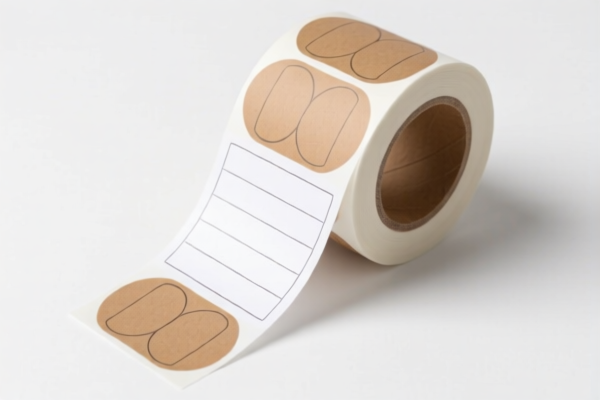
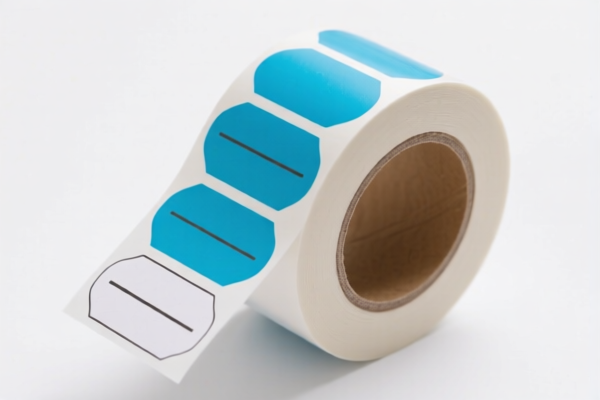
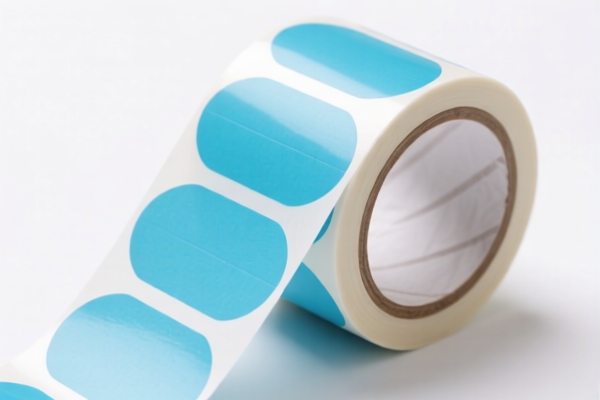
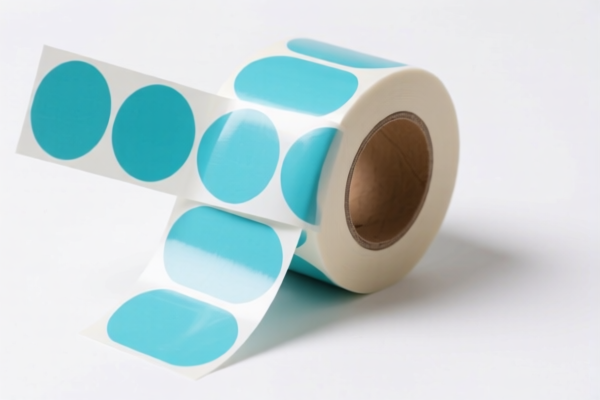
Self-tearing labels (also known as self-perforated labels, tear-off labels, or retractable labels) are a specialized type of self-adhesive label where the label stock is perforated between individual labels. This allows users to tear off each label cleanly by hand without scissors, often while the backing paper remains connected in a roll or sheet.
In international trade, the classification depends heavily on two factors: 1. Material: Is it Paper/Cardboard or Plastic/Film? 2. Structure: Does it meet the specific heading for "Adhesive Papers" or "Plastic Self-Adhesive Articles"?
⚠️ Key Distinction:
- If the material is Paper/Cardboard, it falls under Chapter 48 (Paper Products).
- If the material is Plastic (e.g., PET, PP, PVC), it falls under Chapter 39 (Plastics).
- The presence of an adhesive backing does not automatically change the chapter from Paper/Plastic to Chapter 35 or 49 if the primary characteristic is the substrate.
📦 II. HS Code Classification Details (2026 Latest Tariff Authority Comparison)
Based on the provided data, here are the four specific HS Codes for Self-Tearing Self-Adhesive Labels, categorized by material:
| HS Code | Product Description | Material | Key Classification Logic | Total Tax Rate |
|---|---|---|---|---|
4821.10.40.00 |
Self-adhesive custom labels, Paper-based | Paper/Cardboard | Meets the criteria for "Paper or Paperboard labels." Self-tearing perforation is a finishing feature of paper labels. | 35.0% |
4821.90.20.00 |
Self-adhesive custom labels, Paper-based (Self-adhesive specific) | Paper/Cardboard | Classified under "Other" paper labels but specifically recognizing the self-adhesive nature of paper labels. | 35.0% |
4811.41.21.00 |
Adhesive Paper & Paperboard (Self-adhesive) | Paper/Cardboard | Classified as "Self-adhesive paper and paperboard" (flat, in rolls/sheets). This is a broader material classification. | 35.0% |
3919.90.50.60 |
Self-adhesive custom labels, Plastic (Flat) | Plastic/Film | Meets the criteria for "Other articles of plastics, self-adhesive, flat." Plastic films (PET/PP) are standard for durable self-tearing labels. | 40.8% |
3919.10.20.55 |
Self-adhesive labels, Plastic (General/Fallback) | Plastic/Film | Classified under "Other" plastic self-adhesive articles (catch-all for plastic labels not elsewhere specified). | 40.8% |
🔍 Critical Note:
- Paper Labels (Chapter 48) generally have 0% Base Tariff but face heavy Section 301/122 penalties.
- Plastic Labels (Chapter 39) have a 5.8% Base Tariff but face the same heavy penalties.
- The difference in total tax is minimal because the base rates are low, but the legal basis for the penalty application differs slightly.
💰 III. 2026 Latest Tariff Rate Breakdown (Including Additional Taxes & Policy Surcharges)
✅ Applicable Country: United States (US)
✅ Origin: China (CN)
✅ Effective Date: From November 10, 2025 (and subsequent imports)
🎯 1. Paper-Based Labels (HS Codes: 4821.10.40.00, 4821.90.20.00, 4811.41.21.00)
| Item | Detail |
|---|---|
| Base Tariff | 0.0% (Ad Valorem) |
| Section 301 Surcharge | +25.0% |
| Section 122 Surcharge | +10.0% (Specific to certain Chinese goods under IEEPA) |
| Total Effective Tax Rate | 35.0% |
| Tax Calculation | CIF Value × 35% |
| De Minimis Exemption? | ❌ NO (Denied for Section 301/122 goods) |
| Legal Basis Path | IEEPA:9903.01.25 → USITC:4821/4811 → FOOTNOTE:301/122 |
📌 Explanation:
- Although the base duty for paper labels is 0%, the 35% combined surcharge makes them expensive to import.
- Section 301 (25%) applies to most Chinese-origin paper products.
- Section 122 (10%) is an additional layer applied under specific executive authorities targeting Chinese imports.
🎯 2. Plastic-Based Labels (HS Codes: 3919.90.50.60, 3919.10.20.55)
| Item | Detail |
|---|---|
| Base Tariff | 5.8% (Ad Valorem) |
| Section 301 Surcharge | +25.0% |
| Section 122 Surcharge | +10.0% |
| Total Effective Tax Rate | 40.8% |
| Tax Calculation | CIF Value × 40.8% |
| De Minimis Exemption? | ❌ NO (Denied) |
| Legal Basis Path | IEEPA:9903.01.25 → USITC:3919 → FOOTNOTE:301/122 |
📌 Explanation:
- Plastic labels incur a 5.8% base duty before any surcharges.
- Adding 25% (Section 301) and 10% (Section 122) results in a 40.8% total tax burden.
- Plastic labels are ~5.8% more expensive than paper labels in terms of total tax cost.
🛠️ IV. Customs Clearance Practical Advice (Real-World Pitfall Avoidance)
✅ 1. Required Documentation Checklist (Do Not Miss Any)
| Document | Required? | Notes |
|---|---|---|
| ✅ Product Specification Sheet | ✔️ | Must specify: Material (Paper/PET/PP), Adhesive Type (Permanent/Removable), Perforation Type (Self-tearing). |
| ✅ Product Photos | ✔️ | Clear images showing the perforation/tear line and the adhesive backing. |
| ✅ Commercial Invoice | ✔️ | Must clearly state: "Self-Tearing Self-Adhesive Label" + Material Composition. |
| ✅ Packing List | ✔️ | Detailed breakdown of rolls/sheets, weight, and dimensions. |
| ✅ Certificate of Origin (CO) | ✔️ | If shipped from China, confirm HS Code alignment. If shipped from Vietnam/Malaysia, apply for preferential rates (if applicable). |
| ✅ Third-Party Test Report | ✔️ | RoHS, REACH, or FDA compliance (if for food contact). |
✅ 2. Declaration Strategy (Key Mnemonics)
🔥 "Material First, Adhesive Second, Perforation is a Feature, Not a Category!"
| Scenario | Correct Declaration | Incorrect Practice |
|---|---|---|
| Paper Labels | 4821.10.40.00 or 4811.41.21.00 |
Misdeclare as 3919 (Plastic) → High Risk of Audit & Penalties |
| Plastic Labels | 3919.90.50.60 |
Misdeclare as 4821 (Paper) → Undervaluation Risk |
| Rolls vs. Sheets | Specify format in description | Vague "Labels" → Customs Rejection |
| Custom Design | Mention "Custom Printed" | Omitting design details → Potential Misclassification |
✅ 3. Special Cases & Handling
| Situation | Handling Advice |
|---|---|
| OEM Custom Labels | Provide customer order + design proof. Ensure the label description matches the actual physical product (e.g., "Self-tearing" must be visible). |
| Mixed Shipments | If shipping paper and plastic labels together, split the invoice and declare separately. Do not mix HS Codes. |
| Small Batches (De Minimis) | ❌ No 80USD Exemption. Section 301/122 goods are never eligible for de minimis entry. All shipments, regardless of value, are subject to full duty. |
| Alternative Origin | If labels are printed/manufactured in Vietnam, Malaysia, or Thailand, they may be exempt from Section 301/122 taxes. Verify Country of Origin carefully! |
🌍 V. Global Market Clearance Comparison (2026 Latest)
| Country/Region | Recommended HS Code | Tariff (CN Origin) | Certification Requirements | Notes |
|---|---|---|---|---|
| 🇺🇸 USA | 4821.10.40.00 / 3919.90.50.60 |
35% (Paper) 40.8% (Plastic) |
None (unless food contact) | High Barrier: No de minimis for Section 301/122. |
| 🇨🇳 China | 4821.10.40.00 / 3919.90.50.60 |
0% (Paper) 5.8% (Plastic) |
CCC (if applicable) | No additional surcharges. |
| 🇪🇺 EU | 4821.10.40.00 / 3919.90.50.60 |
0% (Paper) 0% (Plastic) |
CE (if applicable) | No retaliatory tariffs. |
| 🇦🇺 Australia | 4821.10.40.00 / 3919.90.50.60 |
5% (Paper) 5% (Plastic) |
ACMA (if applicable) | No Section 301 equivalent. |
| 🇬🇧 UK | 4821.10.40.00 / 3919.90.50.60 |
5% (Paper) 5% (Plastic) |
UKCA | Post-Brexit tariff regime. |
📌 Conclusion:
- The USA is the only major market imposing these punitive additional tariffs (301 + 122).
- For US-bound labels, cost management is critical. Consider origin diversification (e.g., manufacturing in non-China countries) if volumes are high.
📌 VI. Common Errors & Pitfalls (Lessons Learned)
❌ Error 1: Claiming De Minimis (80 USD exemption) for self-tearing labels
👉 Consequence: Seizure of goods + fines. Section 301/122 goods are strictly excluded from de minimis entry.
❌ Error 2: Misclassifying Plastic Labels as Paper Labels
👉 Consequence: Underpayment of base duty (5.8% vs 0%). Customs will audit, leading to back taxes + penalties.
❌ Error 3: Vague Description: "Labels"
👉 Consequence: Customs may assign a general tariff code or hold the shipment for merchandise classification review.
❌ Error 4: Ignoring Section 122
👉 Consequence: Even if you know about Section 301 (25%), forgetting Section 122 (10%) leads to underpayment. Total tax is not just 25%.
✅ Correct Practice:
"Self-Tearing Self-Adhesive Paper Labels, Custom Printed, Perforated Roll, 4821.10.40.00, Origin: China"
🎯 VII. Conclusion: Precision in Classification, Savings in Compliance
🎯 Remember the Mantra:
🔹 "Material Defines Code, 301/122 Kills De Minimis, Paper is 35%, Plastic is 40.8%."
🔹 "HS Code is Life, Tariff Difference is Real, Declaration Accuracy Saves Millions!"
📌 Pro Tip:
If your label business relies heavily on the US market, consider:
1. Origin Shifting: Move printing/labeling operations to Vietnam, Malaysia, or Thailand to bypass Section 301/122 taxes.
2. Advance Ruling: Apply for an ISF (Importer Security Filing) and Advance Ruling from CBP to confirm HS Code classification before shipment.
📣 Immediate Action:
📞 Engage a licensed customs broker.
📤 Provide clear product photos and material specs.
🚀 Ensure your Commercial Invoice explicitly states "Self-Tearing Self-Adhesive Label" and the correct HS Code.
✨ Professional Clearance Starts with Accurate Classification!
💼 Your Profit Margin Depends on Precise Tariff Calculation!
Customer Reviews
About HS Code Classification
The Harmonized System (HS) is an internationally standardized nomenclature developed by the World Customs Organization (WCO) to classify traded products. Over 200 countries use the HS system as the basis for customs tariffs, trade statistics, and import/export regulations.
Each HS code follows a hierarchical structure:
- Chapter (2 digits) — Broad category of goods (e.g., Chapter 84: Machinery and Mechanical Appliances)
- Heading (4 digits) — More specific grouping within the chapter
- Subheading (6 digits) — Internationally standardized breakdown, used by all WCO member countries
- National subdivisions (8-10 digits) — Country-specific extensions for further classification, such as US HTSUS 10-digit codes
Correct HS code classification is essential for smooth customs clearance, accurate duty payment, and compliance with trade regulations. Misclassification can lead to customs delays, overpayment of duties, or penalties.
When importing from CN to US, the applicable tariff rates may include:
- Most-Favored-Nation (MFN) rate — The standard duty rate applied to WTO members
- General rate — Applied to countries without trade agreements
- Trade remedy duties — Additional tariffs such as Section 301 (anti-dumping), Section 232 (national security), or countervailing duties
The information provided on this page is for reference purposes only. For official classification, please consult with your local customs authority or a licensed customs broker.