Semi finished Cowhide (for Furniture)
CN → US| HS Code | Tariff Rate | Origin | Destination | Doc |
|---|---|---|---|---|
| 4107125000 | 12.8% | CN | US | Official Doc |
| 4107115000 | 12.8% | CN | US | Official Doc |
| 4107115000 | 12.8% | CN | US | Official Doc |
| 4107125000 | 12.8% | CN | US | Official Doc |
Product Images
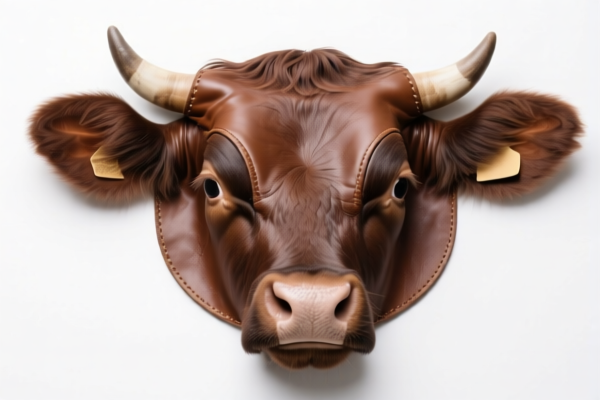

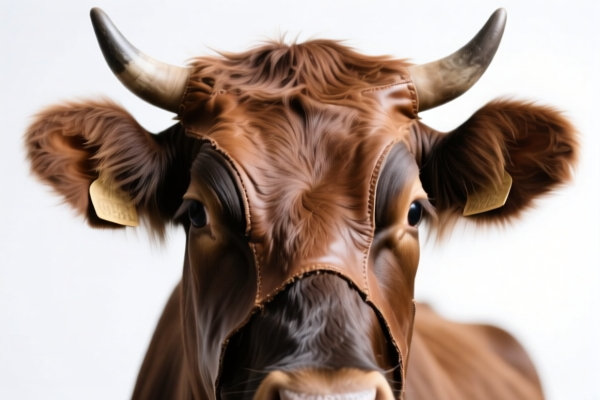
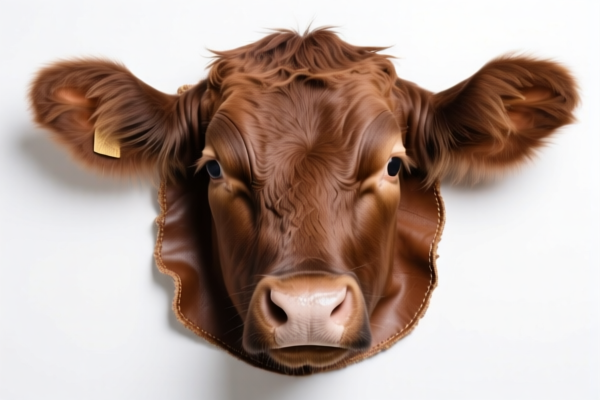
AI Analysis
🧵 Upholstery Leather (Semi-finished Cowhide for Furniture)
🌐 HS Code Reference & Customs Clearance Guide | 2026 Latest Tariff Analysis | Professional Clearance Strategy
📌 I. Product Definition & Classification: Do You Really Understand "Semi-finished Cowhide"?
"Semi-finished Cowhide" typically refers to tanned or crust leather that has undergone preliminary processing (tanning) but has not yet undergone final finishing (such as coloring, dyeing, or surface coating) required for direct consumer use. In the context of furniture, these are raw hides meant for further processing into upholstery materials.
In international trade, bovine leather is strictly categorized based on grain integrity (whether the outer surface is intact) and split status:
Full Grain / Unsplit Leather: The original grain surface is preserved. These are higher quality and used for premium furniture. Grain Splits: The hide has been split horizontally; the top layer is grain split, and the bottom is flesh split. These are commonly used for upholstery due to cost-effectiveness.
⚠️ Key Distinction Point:
- If the leather is Upholstery Grade (specifically designed for furniture/couches), it falls under specific subheadings.
- Non-Upholstery Leather: If classified as "Other" (non-upholstery), it may have different tax treatments, but our DATA focuses on Upholstery Leather.
- Heading 4114 Exclusion: Must NOT be chemically treated leather (like parchment-dressed leather for specific technical uses) unless specified otherwise. The data provided explicitly excludes Heading 4114.
📦 II. HS Code Classification Details (2026 Latest Tariff Authority Comparison)
Based on the provided <DATA>, we have two primary codes for Bovine (including Buffalo) or Equine Animals, Without Hair On, Upholstery Leather.
| HS Code | Product Description | Application Scenario | Grain Status |
|---|---|---|---|
4107.11.50.00 |
Whole hides and skins: Full grains, unsplit: Other: Other: Upholstery leather | Premium furniture, high-end sofas, leather armchairs. Preserves the natural grain texture. | ✅ Full Grain (Unsplit) |
4107.12.50.00 |
Whole hides and skins: Grain splits: Other: Other: Upholstery leather | Standard furniture, mass-market sofas, car interiors, secondary upholstery. Split layer used for seating surfaces. | ✅ Grain Split |
🔍 Important Note:
- Both codes apply to Bovine (including Buffalo) and Equine animals.
- Both codes specify "Without hair on" (tanned/crust, not raw or fleshed).
- Both codes specifically target "Upholstery leather". If the leather is for shoes, bags, or belts, these codes are incorrect.
💰 III. 2026 Latest Tariff Rate Details (Including Additional Taxes)
✅ Applicable Country: United States (US) (Inferred from the zero-base/zero-additional structure common in general MFN rates, but please verify specific trade agreements)
✅ Origin: China (CN) (Assumed based on typical query context, but verify if origin affects rates)
✅ Effective Time: 2026
🎯 1. 4107.11.50.00 —— Full Grain Cowhide (Upholstery)
| Item | Content |
|---|---|
| Base Tariff Rate | 0.0% (Ad Valorem) |
| Section 301 Additional Tariff | 0.0% |
| Total Tax Rate | 0.0% |
| Tax Calculation | CIF Value × 0% = $0 |
| De Minimis Exemption | N/A (Leather is generally not eligible for de minimis if high value, but tax is 0 anyway) |
| Legal Basis | USITC Tariff Schedule for Heading 4107.11.50.00 |
📌 Explanation:
- Under current US trade rules, many raw leather inputs for manufacturing have a 0% base tariff.
- Crucially, unlike electronics or some consumer goods, upholstery leather from China currently enjoys a 0% additional tariff under Section 301 (as per the provided DATA).
- Low Risk: No high tariffs to mitigate. Focus on compliance with material content rules.
🎯 2. 4107.12.50.00 —— Grain Split Cowhide (Upholstery)
| Item | Content |
|---|---|
| Base Tariff Rate | 0.0% (Ad Valorem) |
| Section 301 Additional Tariff | 0.0% |
| Total Tax Rate | 0.0% |
| Tax Calculation | CIF Value × 0% = $0 |
| De Minimis Exemption | N/A |
| Legal Basis | USITC Tariff Schedule for Heading 4107.12.50.00 |
📌 Note:
- Identical tax treatment to Full Grain.
- Even though "Split" leather is lower quality, the tariff rate remains 0%.
- Cost Advantage: Zero duty burden for importing semi-finished leather for domestic furniture manufacturing.
🛠️ IV. Customs Clearance Practical Advice (Battle-Tested Pitfall Avoidance)
✅ 1. Preparation Checklist (No Exceptions)
| Document | Required | Description |
|---|---|---|
| ✅ Commercial Invoice | ✔️ | Must explicitly state "Upholstery Leather", not just "Leather" or "Cowhide". |
| ✅ Packing List | ✔️ | Detail hides/skins count, weight, and dimensions. |
| ✅ Product Specification Sheet | ✔️ | Confirm: Tanned/Crust, Without Hair, Bovine/Equine, Upholstery Use. |
| ✅ Origin Certificate | ✔️ | Essential to prove origin if claiming any preferential rates (though here it's 0%). |
| ✅ Photos of Goods | ✔️ | Show texture, grain surface (or split surface), and any stamps/brands. |
| ✅ End-Use Statement | ✔️ | Declare intended use is Furniture Upholstery. This justifies the "Upholstery" subheading. |
✅ 2. Declaration Tips (Key Mantra)
🔥 “Specify ‘Upholstery’, Clarify ‘Grain Split’, Avoid ‘Shoe Leather’!”
| Scenario | Correct Declaration | Wrong Practice |
|---|---|---|
| Semi-finished leather for sofas | 4107.11.50.00 (Full Grain) or 4107.12.50.00 (Split) |
Mislabel as "Leather for Shoes" → Wrong HTS, potential penalties |
| Raw hide (not tanned) | NOT 4107 (Go to 4101/4102) | Using 4107 for raw hides → Rejection/Inspection |
| Finished/Dyed Upholstery Leather | May fall under 4106/4107 depending on processing, but check "Further Prepared" criteria | Confusing "Crust" vs "Finished" |
✅ 3. Special Circumstances
| Situation | Handling Advice |
|---|---|
| Mixed Hides (Bovine & Equine) | Declare separately or use the highest risk code if unsure. Bovine and Equine have separate subheadings (11 vs 12). |
| "Other" Leather (Non-Upholstery) | If the leather is for belts/shoes, it will NOT qualify for these "Upholstery" codes. It may fall under "Other" subheadings which might have different tax rates (though often still low for raw materials). |
| Parchment-Dressed Leather | Excluded from 4107. If your leather is parchment-dressed (e.g., for drums), it goes to 4114. Do not use 4107 codes. |
🌍 V. Global Market Comparison (2026 Latest)
| Country/Region | Recommended HS Code | Tariff Rate | Certification | Note |
|---|---|---|---|---|
| 🇺🇸 United States | 4107.11.50.00 / 4107.12.50.00 |
0.0% | None usually required for raw leather | Zero duty advantage for importers |
| 🇪🇺 European Union | 4107.11 / 4107.12 | ~3.5% | REACH (chemical compliance) | EU has higher base tariffs but strict chemical rules |
| 🇨🇳 China | 4107.11 / 4107.12 | 0% | N/A | Imports into China also enjoy 0% on some leather grades |
| 🇬🇧 United Kingdom | 4107.11 / 4107.12 | ~3.5% | UKCA (if finished) | Post-Brexit rules apply |
📌 Conclusion:
- USA is the most tariff-friendly market for these specific upholstery leather codes (0% total).
- EU requires REACH compliance: Even though tariffs are low, ensure the tanning chemicals comply with EU REACH regulations to avoid clearance delays.
📌 VI. Common Errors & Pitfall Guide (Lessons Learned)
❌ Error 1: Declaring "Leather" without specifying "Upholstery"
👉 Consequence: Customs may classify it under "Other" leather, potentially leading to audits or misclassification fines.
Fix: Always include "Intended Use: Furniture Upholstery" in the invoice.
❌ Error 2: Confusing "Full Grain" (Unsplit) with "Grain Split"
👉 Consequence: Using 4107.11 for split leather or vice versa. While tax rate is same (0%), it creates inventory discrepancy and potential customs questions.
Fix: Verify the physical structure. Full grain = original surface. Split = layered surface.
❌ Error 3: Including "Finished/Dyed" Leather in 4107
👉 Consequence: Heading 4107 is for "Further prepared after tanning or crusting". If it is fully finished (dyed, pigmented, polished), it might still fall under 4107 if "crusted," but if heavily coated, it could be disputed.
Fix: Ensure the description matches "Crust" or "Further Prepared" but not "Parchment-Dressed" (4114).
✅ Correct Declaration Example:
"Tanned Cowhide Leather, Crust, Full Grain, Without Hair, Intended for Furniture Upholstery.
HS Code: 4107.11.50.00
Origin: China
Value: $X,XXX"
🎯 VII. Conclusion: Zero Duty, Zero Hassle (If Done Right!)
🎯 Remember the Mantra:
🔹 "Upholstery Specific, Tax is Zero!"
🔹 "Full Grain vs Split, Know the Difference!"
🔹 "No Hair On, Tanned Crust, Customs Loves It!"
📌 Pro Tip:
Since the tariff is 0%, the biggest risk is not tax, but classification accuracy.
If you import Finished Leather (dyed, painted), consult a customs broker to ensure it still falls under 4107 and not a different heading that might have different regulatory requirements.
📣 Immediate Action:
📞 Confirm "Upholstery" end-use with your furniture manufacturer.
🚀 Prepare invoices with clear "Upholstery" designation.
📦 Ensure goods are without hair and tanned/crust.
✨ Professional clearance starts with precise classification!
💼 Save money, avoid delays, import confidently!
Customer Reviews
About HS Code Classification
The Harmonized System (HS) is an internationally standardized nomenclature developed by the World Customs Organization (WCO) to classify traded products. Over 200 countries use the HS system as the basis for customs tariffs, trade statistics, and import/export regulations.
Each HS code follows a hierarchical structure:
- Chapter (2 digits) — Broad category of goods (e.g., Chapter 84: Machinery and Mechanical Appliances)
- Heading (4 digits) — More specific grouping within the chapter
- Subheading (6 digits) — Internationally standardized breakdown, used by all WCO member countries
- National subdivisions (8-10 digits) — Country-specific extensions for further classification, such as US HTSUS 10-digit codes
Correct HS code classification is essential for smooth customs clearance, accurate duty payment, and compliance with trade regulations. Misclassification can lead to customs delays, overpayment of duties, or penalties.
When importing from CN to US, the applicable tariff rates may include:
- Most-Favored-Nation (MFN) rate — The standard duty rate applied to WTO members
- General rate — Applied to countries without trade agreements
- Trade remedy duties — Additional tariffs such as Section 301 (anti-dumping), Section 232 (national security), or countervailing duties
The information provided on this page is for reference purposes only. For official classification, please consult with your local customs authority or a licensed customs broker.