Semi finished belting leather
CN → US| HS Code | Tariff Rate | Origin | Destination | Doc |
|---|---|---|---|---|
| 411410 | 0.0% | CN | US | Official Doc |
| 411490 | 0.0% | CN | US | Official Doc |
Product Images
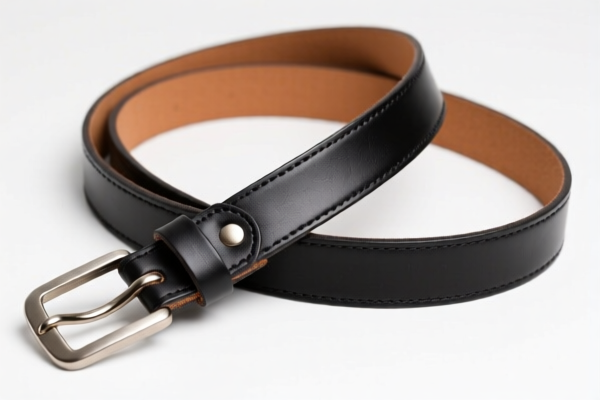
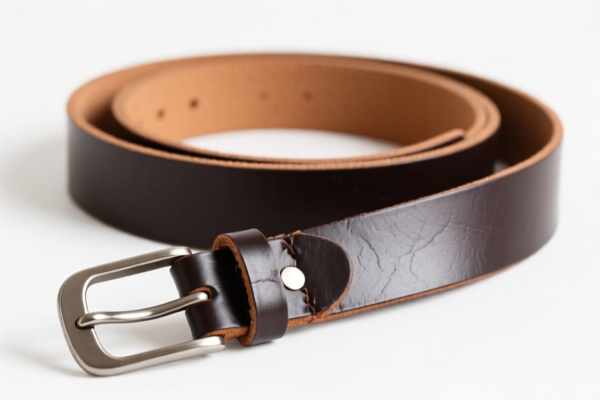
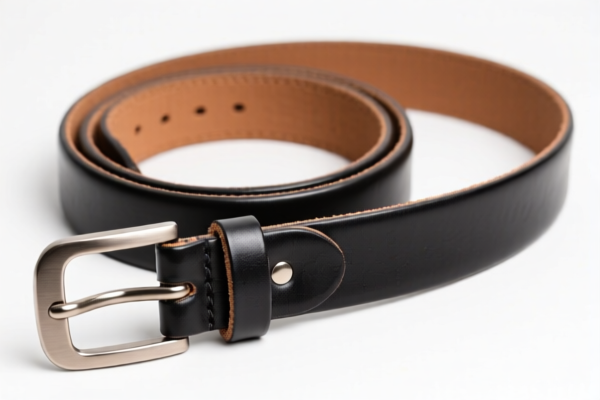
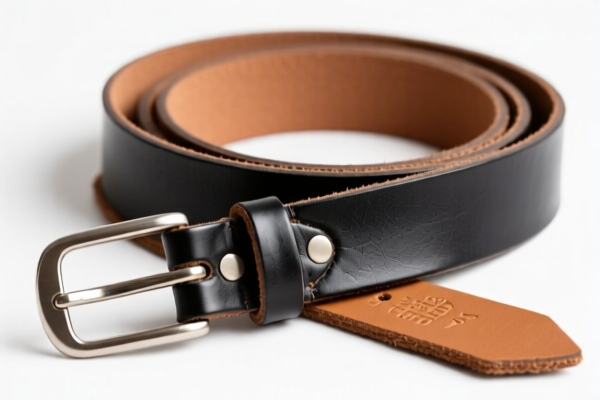
AI Analysis
🐄 Semi-Finished Belting Leather (Industrial & Raw Materials)
🌐 HS Code Reference & Customs Clearance Guide | 2026 Latest Tariff Analysis | Professional Compliance Strategy
📌 I. Product Definition & Classification: What Exactly is "Belting Leather"?
Semi-finished belting leather refers to raw or partially processed hides intended specifically for manufacturing industrial drive belts, conveyor belts, or similar mechanical transmission components. Unlike fashion leather (shoes, bags), this material prioritizes tensile strength, durability, and heat resistance over aesthetics.
In international trade, it is strictly categorized based on its processing stage:
- Specific Belting Leather (Subheading 4114.10): Leather that has been processed specifically for belting purposes (even if semi-finished).
- Other Semi-Finished Leather (Subheading 4114.90): General semi-finished leather (limed, beamhouse-finished, or crust) that is not specifically identified as belting leather, even if it could potentially be used for that purpose later.
⚠️ Critical Distinction Point:
- If the leather is identified, graded, or labeled specifically for "belting" or "drive belts" → Use 4114.10.
- If the leather is generic semi-finished hide (e.g., "crust leather," "limed hide") without specific belting designation → Use 4114.90.
📦 II. HS Code Classification Details (2026 Official Tariff Schedule)
| HS Code | Product Description | Application Scenario | Key Differentiator |
|---|---|---|---|
4114.10 |
Semi-finished belting leather, not further prepared than limed, beamhouse finished, or crust | Industrial drive belts, conveyor belts, machinery belts | ✅ Specifically for belting |
4114.90 |
Other semi-finished leather (not further prepared than limed, beamhouse finished, or crust) | General leather goods, generic raw hides, non-specified industrial use | ❌ Not specifically for belting |
🔍 Key Reminder:
- 4114.10 is the precise code for "Belting Leather." Even if it is only "limed" or "crust" (semi-finished), if the intent and description specify it is for belts, this code applies.
- 4114.90 is a "catch-all" for semi-finished leather that doesn’t fit 4114.10. Misclassifying belting leather here may lead to customs scrutiny if the buyer’s end-use documentation contradicts the code.
💰 III. 2026 Tariff Rate Details (Including Additional Duties & Policies)
✅ Applicable Country: United States (US)
✅ Origin: China (CN)
✅ Effective Date: November 10, 2025 (and subsequent imports)
🎯 1. 4114.10 —— Semi-finished Belting Leather
| Item | Content |
|---|---|
| Base Duty Rate | 0% (ad valorem) |
| USITC Additional Duty | +25% (Under USITC Footnote 9903.88.01 / Section 301) |
| IEEPA Additional Duty | +10% (For China/HK products, effective Nov 10, 2025) |
| Total Effective Rate | 45% |
| Tax Calculation | CIF Value × 45% |
| De Minimis Eligibility | ❌ Not Eligible (deny_de_minimis) |
| Legal Basis Path | IEEPA:9903.01.25 → IEEPA:9903.01.24 → USITC:4114.10 → FOOTNOTE:9903.88.01 |
📌 Explanation:
- Although the base duty for leather is often low or zero, Section 301 tariffs (25%) and IEEPA surcharges (10%) apply heavily to Chinese-origin goods.
- Total 45% is a significant cost factor. This is not a de minimis shipment. Large volume industrial imports must account for this high tax burden.
🎯 2. 4114.90 —— Other Semi-Finished Leather
| Item | Content |
|---|---|
| Base Duty Rate | 0% (ad valorem) |
| USITC Additional Duty | +25% |
| IEEPA Additional Duty | +10% |
| Total Effective Rate | 45% |
| Tax Calculation | CIF Value × 45% |
| De Minimis Eligibility | ❌ Not Eligible |
| Legal Basis Path | IEEPA:9901.25 → IEEPA:9903.01.24 → USITC:4114.90 → FOOTNOTE:9903.88.01 |
📌 Note:
- Both codes carry the same total effective rate of 45% for Chinese-origin goods.
- The distinction lies in customs compliance and documentation. Using 4114.10 requires proof of "belting" specification. Using 4114.90 is safer if the leather is generic, but you must ensure it’s not mistakenly imported as a finished product requiring higher scrutiny.
🛠️ IV. Customs Clearance Practical Advice (Real-World Pitfall Guide)
✅ 1. Required Documentation Checklist (Mandatory)
| Document | Required | Notes |
|---|---|---|
| ✅ Product Specification Sheet | ✔️ | Must detail thickness, grain type, tanning method, and intended use (e.g., "for industrial drive belts"). |
| ✅ Commercial Invoice | ✔️ | Must clearly state "Semi-finished Belting Leather" or "Semi-finished Leather for Industrial Use." Avoid vague terms like "Raw Hide." |
| ✅ Packing List | ✔️ | Specify unit of measurement (e.g., sq. ft., kg) and number of hides/pieces. |
| ✅ Origin Certificate | ✔️ | Critical for verifying China origin to apply correct IEEPA/Section 301 rates. |
| ✅ Photo of Goods | ✔️ | Show grain side, flesh side, and any markings/labels indicating "Belting" or "Industrial Grade." |
| ✅ Bill of Lading / Air Waybill | ✔️ | Standard shipping document. |
✅ 2. Declaration Tips (Key Mnemonics)
🔥 "Be Specific, Be Semi, Avoid 'Finished' Traps!"
| Scenario | Correct Declaration | Wrong Practice |
|---|---|---|
| Leather marked "Drive Belt Stock" | 4114.10 + "Semi-finished Belting Leather" |
Calling it "Raw Hide" → Risk of misclassification penalty |
| Generic crust leather (no specific end-use) | 4114.90 + "Semi-finished Leather, Crust" |
Calling it "Belting Leather" without proof → Audit risk |
| Finished, dyed, polished belting leather | NOT 4114.x.x → Must check Chapter 41 finished leather codes (e.g., 4115.00) | Declaring semi-finished when it’s finished → Duty evasion flag |
| Leather scraps/offcuts | Often 4115.10 or 4115.90 |
Declaring as full hides → Weight/value discrepancy |
✅ 3. Special Cases Handling
| Scenario | Handling Advice |
|---|---|
| Mixed Consignment (Belting + Non-Belting) | Split declaration: Use 4114.10 for belting-specific hides and 4114.90 for others. Do not combine under one code unless identical. |
| OEM Custom Leather | Provide customer PO and design specs showing belting requirements. Helps justify 4114.10. |
| Leather for Conveyor Belts | Same as drive belts. Clearly state "Conveyor Belt Material" in invoice. |
| Small Samples | Even small amounts are not eligible for de minimis if clearly belting leather. Declare properly. |
🌍 V. Global Customs Comparison (2026 Latest)
| Country/Region | Recommended HS Code | Tariff (China Origin) | Certification Requirements | Notes |
|---|---|---|---|---|
| 🇺🇸 USA | 4114.10 / 4114.90 |
45% (Total) | None specific | High tariffs apply. Section 301 + IEEPA. |
| 🇨🇳 China | 4114.10 / 4114.90 |
0% - 5% | N/A | Low duty, but VAT (13%) applies. |
| 🇪🇺 EU | 4114.10 / 4114.90 |
0% - 2% | REACH Compliance | Check for chemical restrictions in liming agents. |
| 🇬🇧 UK | 4114.10 / 4114.90 |
0% - 2% | UK REACH | Post-Brexit rules may vary slightly. |
| 🇦🇺 Australia | 4114.10 / 4114.90 |
5% | None | Standard GSP rates may apply for some origins. |
📌 Conclusion:
- USA is the most costly market for Chinese semi-finished belting leather due to 45% effective duty.
- EU/UK/AU offer more favorable rates but require strict chemical compliance (REACH) for tanning agents.
- Always verify if the leather is chromium-treated or uses restricted substances, as this affects clearance in all markets.
📌 VI. Common Mistakes & Pitfalls (Lessons Learned)
❌ Mistake 1: Declaring "Belting Leather" as "Raw Hide" to avoid higher inspection rates
👉 Consequence: Customs may reclassify, apply different duties, and impose penalties for misdeclaration.
❌ Mistake 2: Failing to distinguish between "Limed" and "Crust"
👉 Consequence: Both fall under 4114, but precise description helps avoid customs queries about processing level.
❌ Mistake 3: Ignoring IEEPA/Section 301 for US imports
👉 Consequence: Underpayment of 35% (25% + 10%). Back taxes + interest + fines apply.
❌ Mistake 4: Using vague terms like "Leather Goods"
👉 Consequence: Customs will likely assign a higher tariff code or hold the shipment for further inspection.
✅ Correct Practice:
"Semi-Finished Belting Leather, Limed, Unfinished, for Industrial Drive Belts, HS Code 4114.10, Origin: China, Value: $X, Weight: Y kg"
🎯 VII. Conclusion: Precision in Classification, Savings in Compliance
🎯 Remember the Mantra:
🔹 "Beating Specific, Tax is High (45%). Generic Semi, Still High. Clear Docs, Smooth Clearance."
🔹 "4114.10 for Belting, 4114.90 for Others. Don't Mix, Don't Guess."
📌 Pro Tip:
If your belting leather is sourced from non-China origins (e.g., Vietnam, Brazil, Italy), check for FTAs (Free Trade Agreements) that may reduce or eliminate Section 301/IEEPA duties.
For US imports, consider Advance Rulings from CBP to lock in the correct HS code and duty rate before shipping.
📣 Immediate Action:
📞 Contact a licensed customs broker
📄 Prepare detailed spec sheets & invoices
🔍 Apply for Pre-Import Ruling if volume is high
🚀 Ensure smooth, compliant, and cost-effective clearance!
✨ Professional Clearance Starts with Accurate Classification!
💼 Every dollar of duty saved is profit earned!
Customer Reviews
About HS Code Classification
The Harmonized System (HS) is an internationally standardized nomenclature developed by the World Customs Organization (WCO) to classify traded products. Over 200 countries use the HS system as the basis for customs tariffs, trade statistics, and import/export regulations.
Each HS code follows a hierarchical structure:
- Chapter (2 digits) — Broad category of goods (e.g., Chapter 84: Machinery and Mechanical Appliances)
- Heading (4 digits) — More specific grouping within the chapter
- Subheading (6 digits) — Internationally standardized breakdown, used by all WCO member countries
- National subdivisions (8-10 digits) — Country-specific extensions for further classification, such as US HTSUS 10-digit codes
Correct HS code classification is essential for smooth customs clearance, accurate duty payment, and compliance with trade regulations. Misclassification can lead to customs delays, overpayment of duties, or penalties.
When importing from CN to US, the applicable tariff rates may include:
- Most-Favored-Nation (MFN) rate — The standard duty rate applied to WTO members
- General rate — Applied to countries without trade agreements
- Trade remedy duties — Additional tariffs such as Section 301 (anti-dumping), Section 232 (national security), or countervailing duties
The information provided on this page is for reference purposes only. For official classification, please consult with your local customs authority or a licensed customs broker.