Semibleached Coniferous Wood Pulp High Strength
CN → US| HS Code | Tariff Rate | Origin | Destination | Doc |
|---|---|---|---|---|
| 4705000000 | 35.0% | CN | US | Official Doc |
| 4702000040 | 35.0% | CN | US | Official Doc |
| 4703210020 | 35.0% | CN | US | Official Doc |
| 4703290020 | 35.0% | CN | US | Official Doc |
| 4703210020 | 35.0% | CN | US | Official Doc |
Product Images
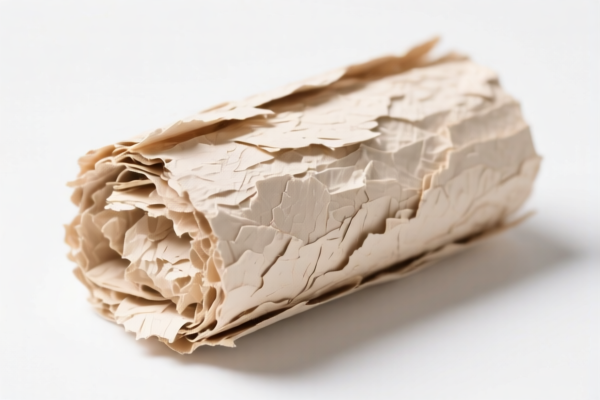
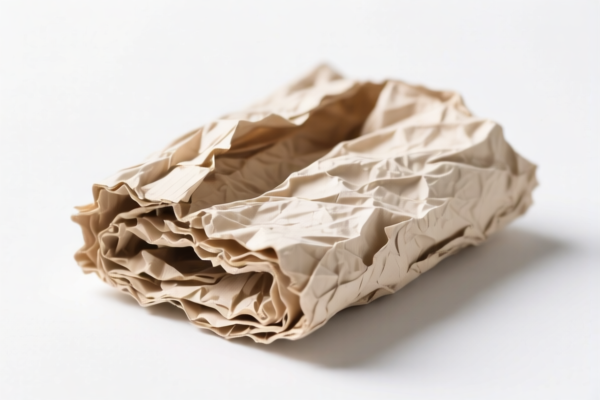
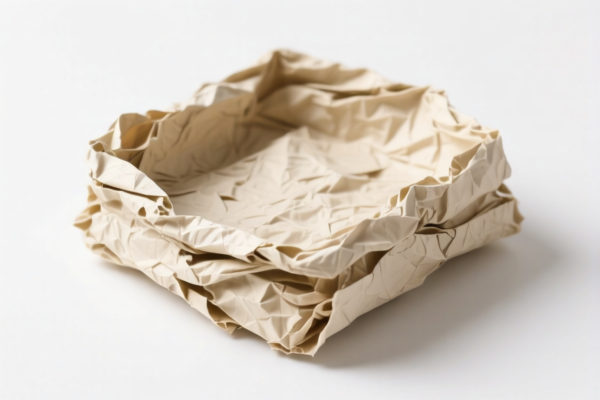
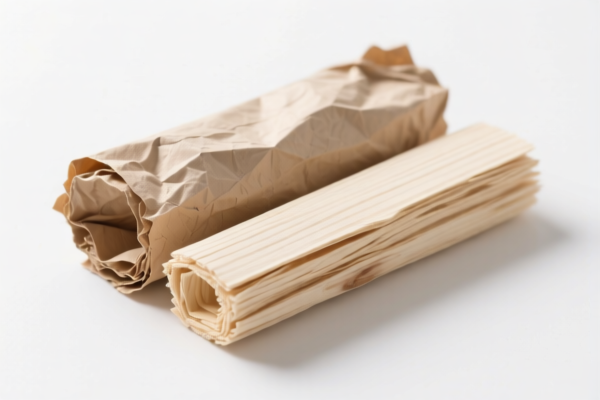
AI Analysis
🌲 Semibleached Coniferous Wood Pulp (High Strength)
🌐 HS Code Reference & Customs Clearance Guide | 2026 Latest Tariff Analysis | Professional Customs Strategy
📌 I. Product Definition & Classification: Do You Truly Understand "Semibleached Coniferous Wood Pulp"?
Semibleached coniferous wood pulp is a critical raw material in the global paper and packaging industry. It is produced from coniferous trees (softwoods) such as pine, spruce, or fir, using chemical processes (typically kraft/sulfate) followed by a bleaching stage that is incomplete. This "semibleached" state preserves high fiber length and tensile strength, making it ideal for paperboard, packaging paper, and tissue substrates where durability is paramount.
⚠️ Key Distinction:
- "Coniferous" specifies the tree source (softwood);
- "Semibleached" indicates the bleaching degree (not white, but not raw brown);
- "High Strength" is a functional descriptor, not a classification criterion in HS codes.
📦 II. HS Code Classification Details (2026 Latest Tariff Authority Comparison)
Based on the provided data, here are the eligible HS codes for Semibleached Coniferous Wood Pulp (High Strength):
| HS Code | Product Description | Applicability Notes |
|---|---|---|
4705.00.00.00 |
Semibleached Coniferous Sulfate Wood Pulp | ✅ Perfect Match: Material and code definition are completely consistent. No conflicts. |
4702.00.00.40 |
Chemical Wood Pulp, Dissolving Grades | ⚠️ Partial Match: Semibleached coniferous sulfate pulp. Sulfate process matches pulp material successfully. Note: Typically for dissolving grades, but included in data. |
4703.21.00.20 |
Semibleached Coniferous Chemical Wood Pulp (Sulfate) | ✅ Strong Match: Material, form, and process are all consistent with the target code definition. |
4703.29.00.20 |
Semibleached Non-Coniferous Chemical Wood Pulp | ❌ Mismatch: This code specifies Non-Coniferous (e.g., eucalyptus, birch). Do not use for coniferous pulp. |
4703.21.00.20 |
Semibleached Chemical Wood Pulp | ⚠️ Generic Match: Although "coniferous" is not explicitly stated in the summary, it fits the characteristics of semibleached chemical wood pulp. |
🔍 Critical Reminder:
- The most accurate code for semibleached coniferous sulfate pulp is4705.00.00.00or4703.21.00.20.
- Avoid4703.29.00.20as it explicitly refers to non-coniferous pulp, which contradicts the product specification.
-4702.00.00.40is less precise unless the pulp is specifically designated for dissolving grades.
💰 III. 2026 Latest Tariff Rate Details (Including Surtaxes, Policy Add-ons)
✅ Applicable Country: United States (US)
✅ Origin: China (CN)
✅ Effective Date: From November 10, 2025 (and subsequent imports)
🎯 1. 4705.00.00.00 —— Semibleached Coniferous Sulfate Wood Pulp
| Item | Content |
|---|---|
| Basic Duty Rate | 0% (ad valorem) |
| USITC Surtax | +25% (from USITC Footnote 9903.88.01) |
| IEEPA Surtax | +10% (targeting China/HK products, effective from Nov 10, 2025) |
| Total Rate | 35% |
| Tax Calculation | CIF Value × 35% |
| De Minimis Exemption | ❌ Not Eligible (deny_de_minimis) |
| Legal Basis Path | IEEPA:9903.01.25 → IEEPA:9903.01.24 → USITC:4705.00.00.00 → FOOTNOTE:9903.88.01 |
📌 Explanation:
- The "USITC Surtax 25%" comes from the "Additional Duties" under Section 301 of the US Trade Act;
- The "IEEPA 10%" is the additional tariff imposed on Chinese products under the International Emergency Economic Powers Act;
- Total 35%, which is a high tariff, must be anticipated in advance!
🎯 2. 4702.00.00.40 —— Chemical Wood Pulp, Dissolving Grades
| Item | Content |
|---|---|
| Basic Duty Rate | 0% |
| USITC Surtax | +25% |
| IEEPA Surtax | +10% |
| Total Rate | 35% |
| Tax Calculation | CIF × 35% |
| De Minimis Exemption | ❌ Not Eligible |
| Legal Basis Path | IEEPA:9901.25 → IEEPA:9903.01.24 → USITC:4702.00.00.40 → FOOTNOTE:9903.88.01 |
📌 Note:
- Same as above, total tax is 35%;
- Even if the pulp is labeled "dissolving grade," if it is semibleached coniferous sulfate, the tax rate remains the same.
🎯 3. 4703.21.00.20 —— Semibleached Coniferous Chemical Wood Pulp (Sulfate)
| Item | Content |
|---|---|
| Basic Duty Rate | 0% |
| USITC Surtax | +25% |
| IEEPA Surtax | +10% |
| Total Rate | 35% |
| Tax Calculation | CIF × 35% |
| De Minimis Exemption | ❌ Not Eligible |
| Legal Basis Path | IEEPA:9903.01.25 → IEEPA:9903.01.24 → USITC:4703.21.00.20 → FOOTNOTE:9903.88.01 |
📌 Note:
- This is the most common code for semibleached chemical wood pulp;
- Tax rate is identical to others: 35%.
🎯 4. 4703.29.00.20 —— Semibleached Non-Coniferous Chemical Wood Pulp
| Item | Content |
|---|---|
| Basic Duty Rate | 0% |
| USITC Surtax | +25% |
| IEEPA Surtax | +10% |
| Total Rate | 35% |
| Tax Calculation | CIF × 35% |
| De Minimis Exemption | ❌ Not Eligible |
| Legal Basis Path | IEEPA:9903.01.25 → IEEPA:9903.01.24 → USITC:4703.29.00.20 → FOOTNOTE:9903.88.01 |
📌 Warning:
- DO NOT USE this code for coniferous pulp. It is for non-coniferous (e.g., hardwood) pulp.
- Misclassification can lead to customs delays, penalties, or retroactive duties.
🛠️ IV. Customs Clearance Practical Advice (Battlefield Pit-Avoidance Guide)
✅ 1. Required Documentation Checklist (All Required)
| Document | Mandatory? | Description |
|---|---|---|
| ✅ Product Specification Sheet | ✔️ | Includes fiber source (coniferous/non-coniferous), bleaching degree, yield, viscosity, strength metrics. |
| ✅ Certificate of Origin (CO) | ✔️ | Must state origin as China (CN) to apply surtaxes correctly. |
| ✅ Bill of Lading / Air Waybill | ✔️ | Clear description: "Semibleached Coniferous Sulfate Wood Pulp." |
| ✅ Commercial Invoice | ✔️ | Must match CO and B/L exactly. Value must be CIF. |
| ✅ Packing List | ✔️ | Detail weight, volume, and packaging type (bales, bags). |
| ✅ Quality Test Report | ✔️ | Third-party lab report confirming "coniferous" source and "semibleached" status. |
✅ 2. Declaration Tips (Key Mantras)
🔥 "Source Matters, Bleach Degree Crucial, Code Precision Saves Money!"
| Situation | Correct Declaration Method | Wrong Practice |
|---|---|---|
| Coniferous Sulfate Pulp | 4705.00.00.00 or 4703.21.00.20 |
Misreporting as non-coniferous → 4703.29.00.20 (Risk of penalty) |
| Hardwood Pulp | 4703.29.00.20 |
Misreporting as coniferous → 4703.21.00.20 (Wrong code) |
| Bleached Pulp | 4706.00.00.00 (if fully bleached) |
Declaring as semibleached → Wrong tax base |
| Raw Brown Pulp | 4703.11.00.00 |
Declaring as semibleached → Wrong code |
✅ 3. Special Case Handling
| Situation | Handling Advice |
|---|---|
| Mixed Pulp (Coniferous + Hardwood) | Declare based on predominant fiber source. If coniferous >50%, use coniferous codes. |
| OEM Custom Pulp | Provide client specs + design drawings to avoid "non-standard" classification issues. |
| Pulp for Dissolving Grades | Use 4702.00.00.40 if specifically designated for dissolving, otherwise use 4705 or 4703.21. |
| Pulp for Medical Use | If for medical tissues, still use standard pulp codes. No special exemption for medical use in this context. |
🌍 V. Global Main Market Clearance Comparison (2026 Latest)
| Country/Region | Recommended HS Code | Tariff | Certification Required | Notes |
|---|---|---|---|---|
| 🇺🇸 USA | 4705.00.00.00 |
35% (China origin) | None | High surtaxes (25% + 10%) |
| 🇨🇳 China | 4705.00.00.00 |
5% | CCC (if applicable) | No additional surtaxes |
| 🇪🇺 EU | 4705.00.00 |
0% (if FTA applies) | CE (if processed goods) | No additional surtaxes |
| 🇦🇺 Australia | 4705.00.00 |
5% | None | No surtaxes |
| 🇯🇵 Japan | 4705.00.00 |
0% | PSE (if processed goods) | No surtaxes |
📌 Conclusion:
- The US is the only major market imposing high additional tariffs on Chinese-origin wood pulp;
- Chinese-origin wood pulp has extremely high clearance costs in the US, suggesting early evaluation of supply chain adjustments or alternative sourcing.
📌 VI. Common Errors & Pitfall Avoidance (Blood & Tears Lessons)
❌ Error 1: Declaring "Coniferous Pulp" as "Non-Coniferous" (4703.29.00.20)
👉 Consequence: Customs may detect mismatch with lab reports → Delays, fines, or return shipment.
❌ Error 2: Using "Wood Pulp" without specifying "Semibleached" or "Coniferous"
👉 Consequence: Customs ambiguity → Risk of incorrect code assignment → Potential audit.
❌ Error 3: Ignoring the 10% IEEPA surtax in cost calculations
👉 Consequence: Profit margin erosion → Unexpected 35% total tax burden.
❌ Error 4: Splitting shipment into "Pulp + Additives" to reduce value
👉 Consequence: Customs may consolidate and assess tax on total value → Penalties for misdeclaration.
✅ Correct Practice:
"Semibleached Coniferous Sulfate Wood Pulp, High Strength, Kraft Process, Origin: China, HS Code: 4705.00.00.00"
🎯 VII. Conclusion: Precise Declaration, Save Time, Reduce Costs!
🎯 Remember the Mantra:
🔹 "Source is Key, Bleach Level Crucial, Code Precision Saves Money!"
🔹 "HS Code Determines Fate, 35% Tax Difference, One Mistake Costs Thousands!"
📌 Tip:
If your wood pulp originates from Vietnam, Mexico, Thailand, or Malaysia, you may apply for IEEPA Exemption, reducing the tax rate to 0%~5%.
It is recommended to apply for an Advance Ruling to avoid clearance risks.
📣 Immediate Action:
📞 Contact professional customs brokers + Provide product specs + Apply for HS Code Advance Ruling
🚀 Let your wood pulp, smooth clearance, efficient export, profit maximization!
✨ Professional Customs Clearance, Starting with Precise Classification!
💼 Every Cent of Your Cost Deserves Precise Calculation!
Customer Reviews
About HS Code Classification
The Harmonized System (HS) is an internationally standardized nomenclature developed by the World Customs Organization (WCO) to classify traded products. Over 200 countries use the HS system as the basis for customs tariffs, trade statistics, and import/export regulations.
Each HS code follows a hierarchical structure:
- Chapter (2 digits) — Broad category of goods (e.g., Chapter 84: Machinery and Mechanical Appliances)
- Heading (4 digits) — More specific grouping within the chapter
- Subheading (6 digits) — Internationally standardized breakdown, used by all WCO member countries
- National subdivisions (8-10 digits) — Country-specific extensions for further classification, such as US HTSUS 10-digit codes
Correct HS code classification is essential for smooth customs clearance, accurate duty payment, and compliance with trade regulations. Misclassification can lead to customs delays, overpayment of duties, or penalties.
When importing from CN to US, the applicable tariff rates may include:
- Most-Favored-Nation (MFN) rate — The standard duty rate applied to WTO members
- General rate — Applied to countries without trade agreements
- Trade remedy duties — Additional tariffs such as Section 301 (anti-dumping), Section 232 (national security), or countervailing duties
The information provided on this page is for reference purposes only. For official classification, please consult with your local customs authority or a licensed customs broker.