Sensory Tent
CN → US| HS Code | Tariff Rate | Origin | Destination | Doc |
|---|---|---|---|---|
| 6306229010 | 26.3% | CN | US | Official Doc |
| 6306229030 | 26.3% | CN | US | Official Doc |
| 9406900190 | 87.9% | CN | US | Official Doc |
| 9406100000 | 37.6% | CN | US | Official Doc |
Product Images
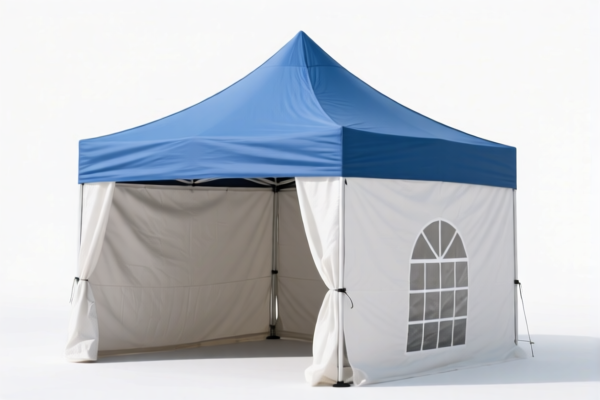
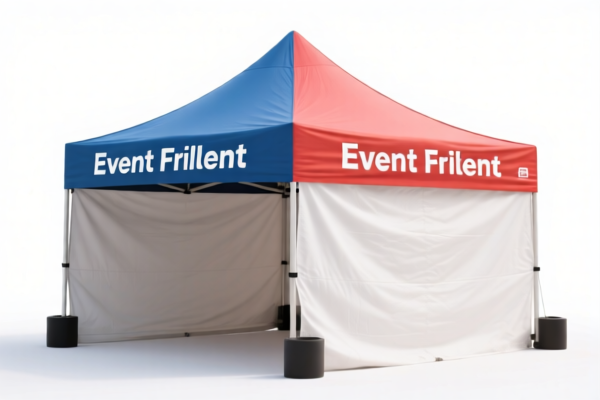
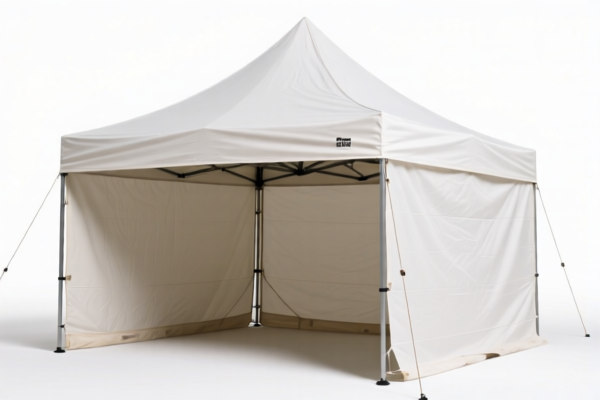
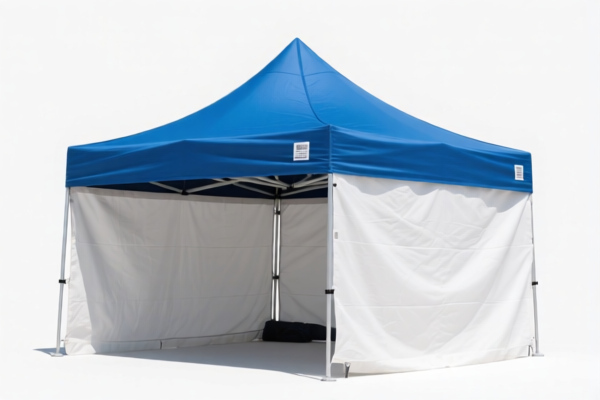
AI Analysis
🎪 Sensory Tent: HS Code Classification & 2026 Duty Guide
🌐 HS Code Reference & Customs Clearance Strategy | 2026 Tariff Breakdown | Professional通关 Strategy
📌 I. Product Definition & Classification: Do You Really Know the "Sensory Tent"?
A Sensory Tent is a specialized recreational or therapeutic product designed for sensory integration therapy, often used in classrooms, hospitals, autism care centers, and family entertainment zones. Structurally, it is typically made of synthetic fiber fabric with a frame (often steel, aluminum, or wood) to create a semi-enclosed space with features like lights, bubble tubes, and tactile surfaces.
Key Classification Distinction:
- If the product is a complete tent (frame + fabric + accessories) → It falls under Heading 6306 (Tents).
- If the product is a prefabricated building (permanent structure, large scale, concrete/steel based) → It may fall under Heading 9406.
- Crucial Note: Most "Sensory Tents" sold as portable units are classified as Tents (6306), not Buildings (9406), unless they are large, permanent modular structures.
📦 II. HS Code Classification Details (2026 Latest Tariff Schedule)
Based on the provided data, here is the precise breakdown for Sensory Tents:
| HS Code | Product Description | Material/Type | Tax (Total) | Tax Detail (Breakdown) |
|---|---|---|---|---|
| 6306.22.90.10 | Screen Houses (A specific sub-category of Synthetic Fiber Tents) | Synthetic Fibers | 0.0% | Base: 0.0% + Add-on: 0.0% |
| 6306.22.90.30 | Other Tents (Includes generic "Sensory Tents" not specifically "Screen Houses") | Synthetic Fibers | 0.0% | Base: 0.0% + Add-on: 0.0% |
| 9406.90.01.90 | Prefabricated Buildings (Other/Other/Other) | Steel/Aluminum/Copper components | 50.0% | Base: 0.0% + Add-on: 50% (Steel/Aluminum/Copper) |
| 9406.10.00.00 | Prefabricated Buildings | Of Wood | 0.0% | Base: 0.0% + Add-on: 0.0% |
🔍 Critical Analysis for Sensory Tents:
- Most Portable Sensory Tents (made of polyester/nylon fabric with a metal/wood frame) are classified under 6306.22.90 with a 0% total tax.
- Large Permanent Sensory Rooms (if constructed as prefabricated modular units with significant steel/aluminum structural components) risk being classified under 9406.90.01.90, triggering a 50% tax.
- Wooden Sensory Structures (fully wooden, prefabricated) fall under 9406.10.00.00 with 0% tax.
💰 III. 2026 Tariff Rate Deep Dive
🎯 Scenario A: Standard Portable Sensory Tent (Synthetic Fiber)
Most common scenario for "Sensory Tents".
- HS Code: 6306.22.90.10 or 6306.22.90.30
- Description: Tents of synthetic fibers.
- Base Tariff: 0.0%
- Add-on Tariff (Section 301/Other): 0.0%
- 🏆 Total Effective Rate: 0.0%
- Implication: Duty-Free Entry! This is the most cost-effective classification for standard portable sensory tents.
🎯 Scenario B: Large Prefabricated Modular Sensory Unit (Steel/Aluminum Frame)
Risk Scenario: If the structure is deemed a "Building" rather than a "Tent".
- HS Code: 9406.90.01.90
- Description: Prefabricated buildings (Other).
- Base Tariff: 0.0%
- Add-on Tariff (Steel/Aluminum/Copper): 50.0%
- 🚨 Total Effective Rate: 50.0%
- Implication: A massive cost increase! The presence of steel or aluminum in the structural frame triggers this penalty.
- Legal Warning: "Steel, Aluminum, Copper products are subject to an additional 50% tariff."
🎯 Scenario C: Wooden Prefabricated Sensory Cabin
- HS Code:
9406.10.00.00 - Description: Prefabricated buildings of wood.
- Base Tariff: 0.0%
- Add-on Tariff: 0.0%
- 🏆 Total Effective Rate: 0.0%
- Implication: If the frame is purely wood, the 50% penalty does not apply.
🛠️ IV. Customs Clearance Practical Advice (Avoiding the 50% Trap)
✅ 1. Material Declaration Strategy
- For 0% Tax: Clearly declare the product as "Tent" (Heading 6306) made of "Synthetic Fiber".
- Tip: Do not emphasize "Steel Frame" in the product name if it can be described as a "Tent Frame". The primary character must be the tent function, not the building function.
- For Avoiding 50%: If the product is a "Building" (9406), ensure the structure is Wooden (9406.10) to avoid the Steel/Aluminum surcharge.
- ❌ Avoid: Describing a tent as a "Prefabricated Steel Structure" or "Modular Building" unless it is clearly permanent and large-scale.
✅ 2. Documentation Checklist
| Document | Requirement | Why it Matters |
|---|---|---|
| Product Description | Must state "Tent", "Screen House", or "Camping Goods" | Prevents reclassification to "Prefabricated Building" |
| Material Specs | List "Polyester/Nylon Fabric" as primary; mention frame material as secondary | Avoids triggering the "Steel/Aluminum" 50% clause for tents |
| Photos | Show assembled tent, fabric texture, and portable nature | Proves it is a "Tent" (6306), not a "Building" (9406) |
| Invoice | Clearly state "Sensory Tent" + "Synthetic Fiber" | Aligns with HS Code 6306.22.90 |
✅ 3. Classification Optimization Tips
🔥 Golden Rule:
"If it can be packed in a box and carried by two people, it is a Tent (6306), not a Building (9406)."
- Tents (6306): Portable, temporary, fabric-based. Tax = 0%.
- Buildings (9406): Permanent, large scale, structural steel/aluminum. Tax = 50% (if steel/aluminum).
Strategy:
- If you sell a portable sensory tent (foldable, fabric), always declare under 6306.22.90.
- If you sell a large permanent sensory room (bolted to floor, steel frame), you face a 50% tax unless it is wood. Consider switching to a wooden frame design for permanent units to maintain 0% tax.
📌 V. Common Errors & Pitfalls
❌ Error 1: Calling a portable tent a "Modular Building" to sound more professional.
👉 Consequence: Reclassified to 9406.90.01.90 → 50% Tax on steel/aluminum components.
❌ Error 2: Declaring a tent with a steel frame as "Prefabricated Building".
👉 Consequence: Missed the 0% Tent exemption; taxed at 50%.
❌ Error 3: Failing to specify "Synthetic Fiber".
👉 Consequence: Customs may default to higher general rates or misclassify material composition.
✅ Correct Declaration:
"Sensory Integration Tent, Portable, made of Polyester Fabric with Aluminum Frame, for Therapeutic Use, HS Code: 6306.22.90.30"
🌍 VI. Summary & Recommendation
| Product Type | Recommended HS Code | Tax Rate | Action Item |
|---|---|---|---|
| Portable Sensory Tent (Synthetic) | 6306.22.90.10 / .30 | 0.0% | ✅ Best Choice: Declare as "Tent". |
| Large Steel Building (Sensory Room) | 9406.90.01.90 | 50.0% | ❌ High Cost: Avoid steel frames if possible. |
| Wooden Sensory Cabin | 9406.10.00.00 | 0.0% | ✅ Good Alternative: Use wood for permanent units. |
🚀 Final Tip:
To ensure a 0% tax clearance for your Sensory Tent, do not emphasize "Steel" or "Building" in your commercial invoices. Focus on "Synthetic Fiber Tent" and "Portable". If the product is a permanent structure, switch the frame material to Wood to bypass the 50% Steel/Aluminum surcharge.
✨ Customs Clearance starts with precise HS Coding!
💼 Get it right: Save 50% on taxes!
Customer Reviews
About HS Code Classification
The Harmonized System (HS) is an internationally standardized nomenclature developed by the World Customs Organization (WCO) to classify traded products. Over 200 countries use the HS system as the basis for customs tariffs, trade statistics, and import/export regulations.
Each HS code follows a hierarchical structure:
- Chapter (2 digits) — Broad category of goods (e.g., Chapter 84: Machinery and Mechanical Appliances)
- Heading (4 digits) — More specific grouping within the chapter
- Subheading (6 digits) — Internationally standardized breakdown, used by all WCO member countries
- National subdivisions (8-10 digits) — Country-specific extensions for further classification, such as US HTSUS 10-digit codes
Correct HS code classification is essential for smooth customs clearance, accurate duty payment, and compliance with trade regulations. Misclassification can lead to customs delays, overpayment of duties, or penalties.
When importing from CN to US, the applicable tariff rates may include:
- Most-Favored-Nation (MFN) rate — The standard duty rate applied to WTO members
- General rate — Applied to countries without trade agreements
- Trade remedy duties — Additional tariffs such as Section 301 (anti-dumping), Section 232 (national security), or countervailing duties
The information provided on this page is for reference purposes only. For official classification, please consult with your local customs authority or a licensed customs broker.