Sequin Memo Pads
CN → US| HS Code | Tariff Rate | Origin | Destination | Doc |
|---|---|---|---|---|
| 4820102060 | 35.0% | CN | US | Official Doc |
| 4820900000 | 35.0% | CN | US | Official Doc |
| 9619009000 | 24.5% | CN | US | Official Doc |
| 9619007900 | 17.3% | CN | US | Official Doc |
| 3926908800 | 0.0% | CN | US | Official Doc |
| 3926909989 | 22.8% | CN | US | Official Doc |
Product Images
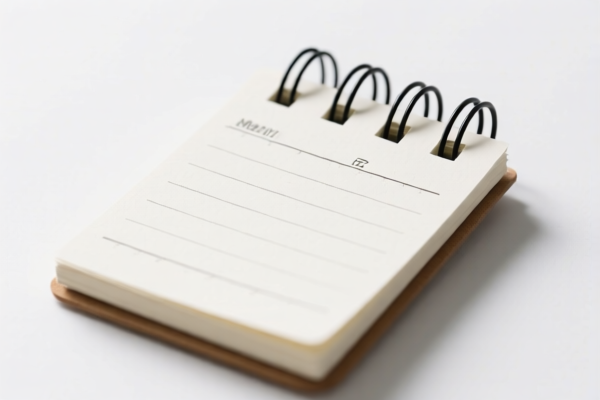
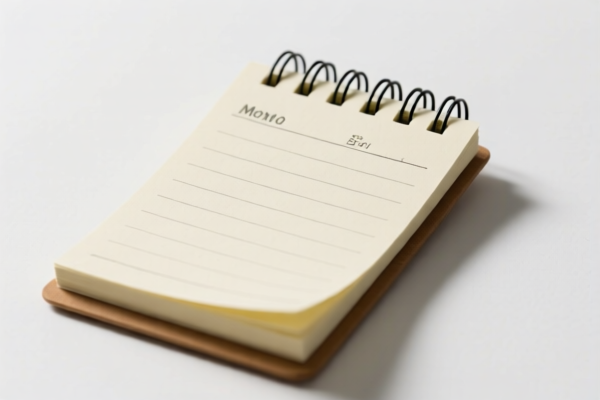
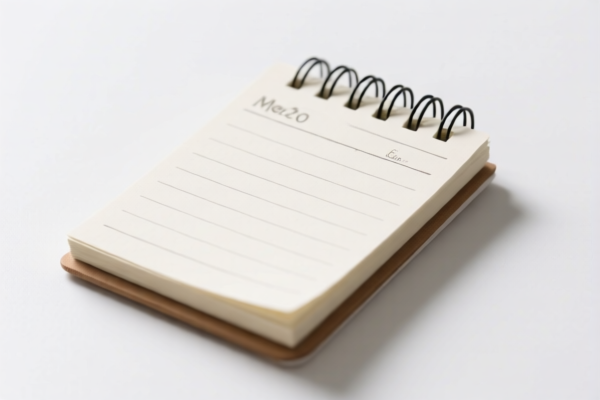
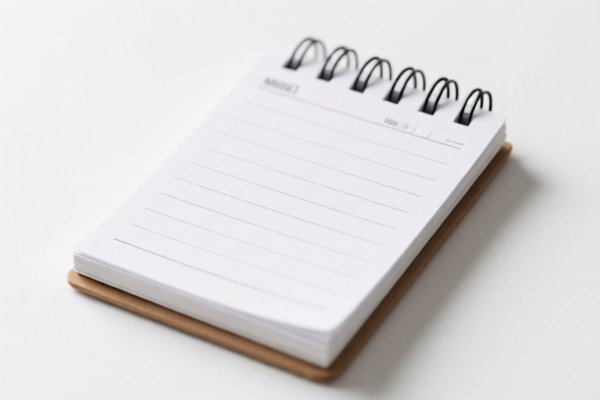
AI Analysis
📓 Sequin Memo Pads (Decorative Stationery)
🌐 HS Code Reference & Customs Clearance Guide | 2024/2026 Latest Tariff Analysis | Professional Level Strategy
📌 I. Product Definition & Classification: What Exactly Is a "Sequin Memo Pad"?
Sequin Memo Pads are decorative stationery items, typically made of paper or paperboard, adorned with sequins, glitter, or other embellishments. In international trade, they are generally classified under Stationery Articles of Paper or Paperboard.
The key to classification lies in distinguishing between: 1. Diaries/Notebooks with Binding: If the memo pad is bound (like a small diary or notebook) and intended for writing over time. 2. Letter Pads/Memorandum Pads: If it is a loose stack or unbound/notepad style used for quick notes. 3. Non-Paper Materials: If the primary material is plastic (e.g., a plastic cover with sticky notes inside), it may fall under Chapter 39.
⚠️ Key Distinction Point:
- If it is bound (like a diary or address book) and made of paper → 4820.10.20.60
- If it is a loose notepad/letter pad or other miscellaneous stationery not specifically listed elsewhere → 4820.90.00.00
- If it is made of plastic (e.g., plastic document binders) → 3926.90.88.00 or 3926.90.99.89
📦 II. HS Code Classification Details (Based on Provided Data)
| HS Code | Product Description | Applicable Scenario | Material Basis |
|---|---|---|---|
4820.10.20.60 |
Diaries, notebooks and address books, bound; memorandum pads, letter pads and similar articles Other | Bound memo pads, diaries, or address books with sequins. Includes "Memo Pads" that are bound as per specific subheading notes. | Paper/Paperboard |
4820.90.00.00 |
Other articles of stationery, of paper or paperboard | Loose memo pads, unbound notepads, or other stationery items not classified as bound diaries/notebooks. | Paper/Paperboard |
3926.90.88.00 |
Flexible plastic document binders with tabs, rolled or flat | If the "memo pad" is actually a plastic document binder or holder containing paper. | Plastics |
3926.90.99.89 |
Other articles of plastics | Plastic-based stationery items not elsewhere specified. | Plastics |
9619.00.90.00 |
Sanitary pads... Other | ❌ Incorrect for stationery. This is for hygiene products. | Any |
9619.00.79.00 |
Sanitary pads... of textile materials: Women's or girls' | ❌ Incorrect for stationery. | Textile |
🔍 Key Reminder:
- Most "Sequin Memo Pads" for personal use are paper-based stationery. - If the item is bound (stitched, glued, or stapled into a book-like form), it likely falls under 4820.10. - If it is a simple stack of paper (like a standard post-it pad or loose memo book), it may fall under 4820.90. - Sanitary pads (9619) are NOT stationery. Do not confuse "Memo Pads" (notebooks) with "Sanitary Pads" (hygiene).
💰 III. 2024/2026 Latest Tariff Rate Details (Including Additional Taxes)
✅ Applicable Country: United States (US)
✅ Country of Origin: China (CN)
✅ Effective Date: Current (Post-2025 Policy)
🎯 1. 4820.10.20.60 – Bound Diaries, Notebooks, Address Books, and Other Memo Pads
| Item | Content |
|---|---|
| Base Tariff Rate | 0% (ad valorem) |
| USITC Additional Tariff (Section 301) | +25% |
| IEEPA Additional Tariff | +0% (Note: Data shows only 25% additional, total 25%) |
| Total Tariff Rate | 25.0% |
| Tax Calculation | CIF Value × 25% |
| De Minimis Exemption? | ❌ Not Eligible (Standard Section 301 rules apply) |
| Legal Basis Path | USITC:4820.10.20.60 → FOOTNOTE:Section 301 |
📌 Explanation:
- Although the base tariff is 0%, the 25% Section 301 additional tariff applies to most paper stationery from China. - This is a high-cost item for importers if not planned correctly.
🎯 2. 4820.90.00.00 – Other Stationery Articles (Loose Memo Pads, etc.)
| Item | Content |
|---|---|
| Base Tariff Rate | 0% |
| USITC Additional Tariff (Section 301) | +25% |
| IEEPA Additional Tariff | +0% |
| Total Tariff Rate | 25.0% |
| Tax Calculation | CIF Value × 25% |
| De Minimis Exemption? | ❌ Not Eligible |
| Legal Basis Path | USITC:4820.90.00.00 → FOOTNOTE:Section 301 |
📌 Note:
- Same tax treatment as bound diaries. - Even if it's a "simple" memo pad, if it's paper-based and from China, it faces the 25% additional tariff.
🎯 3. 3926.90.88.00 – Flexible Plastic Document Binders
| Item | Content |
|---|---|
| Base Tariff Rate | Information Not Available (Retrieval Failed) |
| Total Tariff Rate | Error / Unknown |
| Recommendation | ❌ Do Not Use This Code unless you are certain it is a plastic document binder. |
| Note | If the product is paper-based but packaged in a plastic sleeve, it is still paper stationery (HS 4820). Only if the primary material is plastic (e.g., a plastic folder with tabs) should this code be considered. |
🎯 4. 3926.90.99.89 – Other Plastic Articles
| Item | Content |
|---|---|
| Base Tariff Rate | 5.3% |
| USITC Additional Tariff (Section 301) | +7.5% |
| Total Tariff Rate | 12.8% |
| Tax Calculation | CIF Value × 12.8% |
| Legal Basis | General plastic articles |
📌 Warning:
- If your "Sequin Memo Pad" is actually a plastic notebook cover with sticky notes inside, it might be classified here. - 12.8% is significantly lower than 25%. However, misclassification can lead to penalties. Only use this if the product is primarily plastic.
🛠️ IV. Customs Clearance Practical Advice (Real-World Pitfalls Guide)
✅ 1. Required Documentation Checklist
| Document | Must Provide | Description |
|---|---|---|
| ✅ Product Specifications | ✔️ | Material composition (e.g., "Paper core with sequin cover"), dimensions, weight. |
| ✅ Product Photos | ✔️ | Clear images of the front, back, and spine. Show if it's bound or loose. |
| ✅ Commercial Invoice | ✔️ | Clearly state "Paper Stationery: Sequin Memo Pads" or "Decorative Notebooks." |
| ✅ Packing List | ✔️ | Item count, net/gross weight. |
| ✅ Material Declaration | ✔️ | Confirm if >50% by value/weight is paper or plastic. |
| ✅ Certificate of Origin (CO) | ✔️ | To prove origin (China) for Section 301 application. |
✅ 2. Declaration Tips (Key Mnemonics)
🔥 "Bound = Diary (4820.10), Loose = Other (4820.90), Plastic = 3926.90. Never Mix!"
| Scenario | Correct HS Code | Common Mistake | Consequence |
|---|---|---|---|
| Bound Memo Pad (like a small diary) | 4820.10.20.60 |
Misdeclare as loose pad | Risk of misclassification, but tax rate is same (25%). |
| Loose Memo Pad (stack of paper) | 4820.90.00.00 |
Misdeclare as bound | Same tax rate, but description must match. |
| Plastic Document Binder | 3926.90.88.00 |
Use paper code | Tariff may differ, but retrieval failed – risky. |
| Hygiene Pads (Sanitary) | 9619.00.90.00 |
Use stationery code | Major Error – Wrong chapter, potential fraud penalty. |
📌 Critical Advice:
- Do NOT confuse "Memo Pads" (stationery) with "Sanitary Pads" (hygiene).
- Memo Pads = Paper/Plastic Stationery → HS 4820 or 3926
- Sanitary Pads = Hygiene Products → HS 9619
- If your product is paper-based, the total tariff is 25%.
- If your product is plastic-based, the tariff is 12.8% (for3926.90.99.89).
- Always verify the primary material to avoid misclassification.
✅ 3. Special Case Handling
| Scenario | Handling Advice |
|---|---|
| Sequin Decoration | Ensure sequins are attached (glued/sewn) and not loose. If loose, it may be classified differently. |
| Gift Sets | If sold with other items (pens, stickers), declare as a set. Main item determines classification. |
| Custom Designs | Provide design files to prove it's a decorative stationery item, not a generic plastic binder. |
| Plastic Cover with Paper Core | If the plastic cover is removable, it's still Paper Stationery (4820). If the plastic is the primary structural component, it may be Plastic (3926). |
🌍 V. Global Market Comparison (2024/2026)
| Country/Region | Recommended HS Code | Tariff Rate (China Origin) | Notes |
|---|---|---|---|
| 🇺🇸 United States | 4820.10.20.60 / 4820.90.00.00 |
25% (Section 301) | High tariff. Consider alternative origins if possible. |
| 🇨🇳 China | 4820.10.20.60 / 4820.90.00.00 |
0% (Import) | Domestic consumption has no tariff. |
| 🇪🇺 European Union | 4820.10.20.60 / 4820.90.00.00 |
4.5% (Standard) | No Section 301 tariffs. |
| 🇬🇧 United Kingdom | 4820.10.20.60 / 4820.90.00.00 |
4.5% (Standard) | Post-Brexit tariff applies. |
| 🇯🇵 Japan | 4820.10.20.60 / 4820.90.00.00 |
8.0% (Standard) | No additional tariffs. |
📌 Conclusion:
- US Market: High tariff (25%) makes it less competitive.
- EU/UK/Japan: Lower tariffs (4.5%-8.0%) make it more viable.
- Strategic Tip: Consider re-packaging or assembly in a third country (e.g., Vietnam, Malaysia) to avoid Section 301 tariffs, but ensure substantial transformation occurs.
📌 VI. Common Errors & Pitfalls (Lessons Learned)
❌ Error 1: Confusing "Memo Pads" (stationery) with "Sanitary Pads" (hygiene)
👉 Consequence: Wrong HS Code (9619), potential fraud investigation, heavy fines.
❌ Error 2: Misclassifying bound notebooks as "loose" pads
👉 Consequence: While tax rate is same (25%), description mismatch can lead to customs delays or audits.
❌ Error 3: Assuming plastic covers make the entire item "plastic"
👉 Consequence: If the paper core is the main component, it should be 4820. Misclassification as 3926 (12.8%) might seem beneficial but is risky if audited.
❌ Error 4: Ignoring Section 301 Tariffs
👉 Consequence: Importers fail to pay the 25% additional tariff, leading to back taxes, penalties, and shipment holds.
✅ Correct Practice:
"Sequin Memo Pad, Paper Core, Bound, Decorative Stationery, Model XYZ"
Use HS Code 4820.10.20.60 or 4820.90.00.00 depending on binding.
Always declare 25% additional tariff for US imports from China.
🎯 VII. Conclusion: Precise Classification Saves Money!
🎯 Remember:
🔹 "Bound = Diary, Loose = Other, Both = 25% in US."
🔹 "Plastic Binder? Check 3926. Hygiene? Check 9619. Paper? Check 4820."
🔹 "Never confuse Memo Pads with Sanitary Pads!"
📌 Pro Tip:
If your Sequin Memo Pads are plastic-based and you can prove it, you may benefit from the 12.8% tariff (HS 3926.90.99.89). However, if they are paper-based, you must pay 25%.
Recommendation:
📞 Consult a customs broker for advance classification ruling.
📦 Clearly label products as "Paper Stationery" or "Plastic Document Holder" on invoices.
🚀 Avoid the 25% tariff by exploring alternative supply chains if volume is high.
✨ Professional Clearance Starts with Accurate Classification!
💼 Your Profit Margin Depends on Getting the HS Code Right!
Customer Reviews
About HS Code Classification
The Harmonized System (HS) is an internationally standardized nomenclature developed by the World Customs Organization (WCO) to classify traded products. Over 200 countries use the HS system as the basis for customs tariffs, trade statistics, and import/export regulations.
Each HS code follows a hierarchical structure:
- Chapter (2 digits) — Broad category of goods (e.g., Chapter 84: Machinery and Mechanical Appliances)
- Heading (4 digits) — More specific grouping within the chapter
- Subheading (6 digits) — Internationally standardized breakdown, used by all WCO member countries
- National subdivisions (8-10 digits) — Country-specific extensions for further classification, such as US HTSUS 10-digit codes
Correct HS code classification is essential for smooth customs clearance, accurate duty payment, and compliance with trade regulations. Misclassification can lead to customs delays, overpayment of duties, or penalties.
When importing from CN to US, the applicable tariff rates may include:
- Most-Favored-Nation (MFN) rate — The standard duty rate applied to WTO members
- General rate — Applied to countries without trade agreements
- Trade remedy duties — Additional tariffs such as Section 301 (anti-dumping), Section 232 (national security), or countervailing duties
The information provided on this page is for reference purposes only. For official classification, please consult with your local customs authority or a licensed customs broker.