Service Spoon
CN → US| HS Code | Tariff Rate | Origin | Destination | Doc |
|---|---|---|---|---|
| 3924104000 | 13.4% | CN | US | Official Doc |
| 4419191000 | 15.3% | CN | US | Official Doc |
| 4419901100 | 15.3% | CN | US | Official Doc |
| 8215916000 | 21.7% | CN | US | Official Doc |
| 8215993500 | 24.3% | CN | US | Official Doc |
Product Images
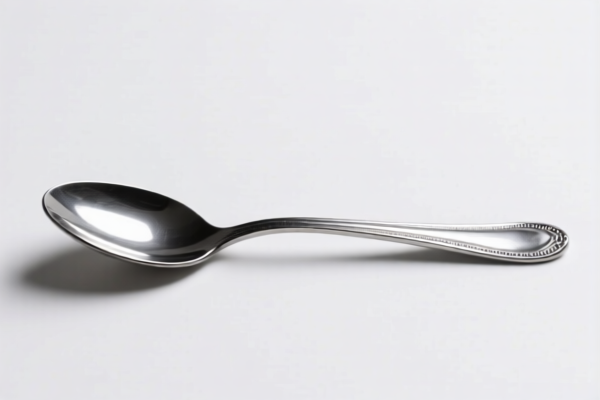
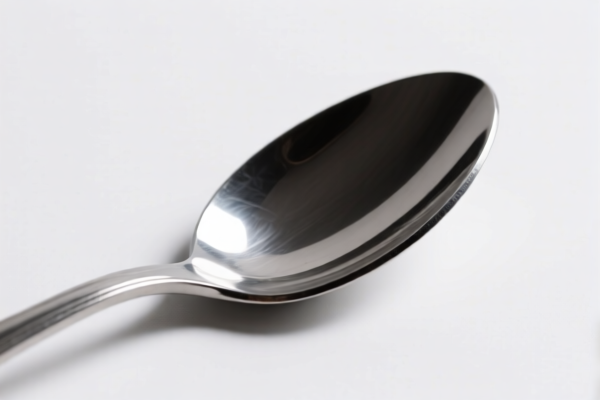
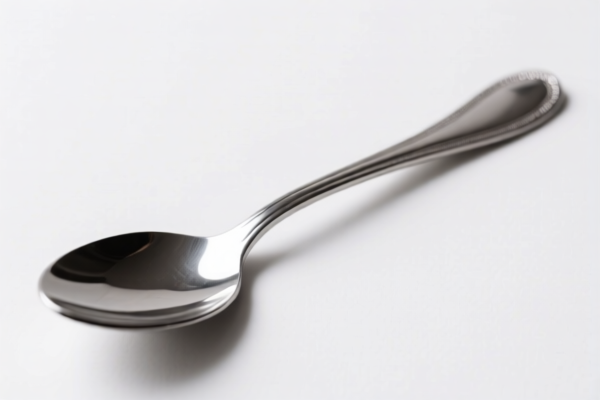

AI Analysis
🥄 Service Spoons (餐具/厨房用具)
🌐 HS Code Reference & Customs Clearance Guide | 2026 Latest Tariff Analysis | Professional Strategy
📌 I. Product Definition: What Exactly is a "Service Spoon"?
A "Service Spoon" refers to cutlery designed for serving food from communal dishes to individual plates, rather than eating directly. In international trade, the Harmonized System (HS) classifies these items strictly by material composition and function. The primary distinction lies in whether the item is made of plastic, wood/bamboo, or metal.
⚠️ Critical Distinction Point:
- Material is King: Customs authorities classify service spoons primarily based on their raw material (Plastic vs. Wood vs. Metal).
- Function is Secondary: Since all items in this dataset are defined as "Service Spoons" (cutlery/crockery), the function remains constant, but the HS Code shifts dramatically depending on the material.
📦 II. HS Code Classification Details (2026 Latest Tariff Authority对照)
The following table maps the specific material types to their corresponding HS Codes and Tax Rates as per your provided data.
| HS Code | Material Description | Summary in Data | Total Tax Rate | Tax Breakdown Details |
|---|---|---|---|---|
3924.10.40.00 |
Plastic | Plastic service spoon, falls under tableware category | 13.4% | Base: 3.4%, Added: 0.0%, Section 301 (122): 10% |
4419.19.10.00 |
Bamboo | Bamboo service spoon, fits cutlery use and form | 15.3% | Base: 5.3%, Added: 0.0%, Section 301 (122): 10% |
4419.90.11.00 |
Wood | Wooden service spoon, belongs to forks and spoons category | 15.3% | Base: 5.3%, Added: 0.0%, Section 301 (122): 10% |
8215.91.60.00 |
Metal / Base Metal | Metal or base metal service spoon; inferred as metal if material unclarified | 21.7% | Base: 4.2%, Added: 7.5%, Section 301 (122): 10% |
8215.99.35.00 |
Stainless Steel / Metal | Metal or stainless steel service spoon, category of spoons & ladles | 24.3% | Base: 6.8%, Added: 7.5%, Section 301 (122): 10% |
🔍 Key Insight:
- Plastic is the most tax-efficient option among these materials at 13.4%.
- Wood/Bamboo share the same rate (15.3%) due to similar base tariffs.
- Metal/Stainless Steel incurs the highest burden due to both base tariffs and significant "Added Tariffs" (likely Section 301 or similar trade measures), ranging from 21.7% to 24.3%.
💰 III. 2026 Tariff Rate Breakdown (Detailed Analysis)
✅ Context: Based on the tax details provided in the
<DATA>, the structure indicates a combination of Base Tariff, Added Tariff (likely US Section 301 or similar), and a specific 122-Clause Tariff (10%).
🎯 1. Plastic Service Spoons (3924.10.40.00)
| Item | Detail |
|---|---|
| Base Tariff | 3.4% |
| Added Tariff | 0.0% |
| 122-Clause Tariff | 10.0% |
| Total Tax | 13.4% |
| Why this Code? | Plastic tableware is classified under Heading 3924. The sub-code 10.40 specifies plastic spoons/forks. |
🎯 2. Bamboo Service Spoons (4419.19.10.00)
| Item | Detail |
|---|---|
| Base Tariff | 5.3% |
| Added Tariff | 0.0% |
| 122-Clause Tariff | 10.0% |
| Total Tax | 15.3% |
| Why this Code? | Bamboo is treated as wood but has specific sub-headings. 4419 covers tableware and kitchenware of wood. 10 typically denotes bamboo. |
🎯 3. Wooden Service Spoons (4419.90.11.00)
| Item | Detail |
|---|---|
| Base Tariff | 5.3% |
| Added Tariff | 0.0% |
| 122-Clause Tariff | 10.0% |
| Total Tax | 15.3% |
| Why this Code? | Generic wooden tableware falls under 4419.90. The sub-code 11 specifies forks and spoons. |
🎯 4. Metal/Base Metal Service Spoons (8215.91.60.00)
| Item | Detail |
|---|---|
| Base Tariff | 4.2% |
| Added Tariff | 7.5% |
| 122-Clause Tariff | 10.0% |
| Total Tax | 21.7% |
| Why this Code? | Cutlery of base metal is classified under Heading 8215. 91 usually refers to articles with handles of base metal. The high total tax is driven by the 7.5% Added Tariff. |
🎯 5. Stainless Steel Service Spoons (8215.99.35.00)
| Item | Detail |
|---|---|
| Base Tariff | 6.8% |
| Added Tariff | 7.5% |
| 122-Clause Tariff | 10.0% |
| Total Tax | 24.3% |
| Why this Code? | Stainless steel cutlery often falls under 8215.99 (other cutlery). The base tariff is higher (6.8%) compared to base metals (4.2%), resulting in the highest total rate. |
🛠️ IV. Customs Clearance Practical Advice
✅ 1. Documentation Checklist (Essential for Smooth Clearance)
| Document | Requirement | Purpose |
|---|---|---|
| Product Specification | ✔️ Material Composition | Must clearly state: "100% Plastic," "100% Bamboo," or "304 Stainless Steel." Ambiguity leads to incorrect HS classification. |
| Product Photos | ✔️ Clear Images | Show the item clearly as a "Spoon" (not a ladle or measuring cup) and highlight material texture. |
| Commercial Invoice | ✔️ Detailed Description | Use terms like "Plastic Service Spoon" or "Wooden Serving Spoon," avoiding generic terms like "Kitchen Utensil." |
| Material Certificate | ✔️ If Requested | For metal spoons, a material test report proving it is Stainless Steel (vs. other base metals) can help justify 8215.99 vs 8215.91. |
✅ 2. Classification Strategy & Tips
🔥 "Material Defines the Code, Tax Defines the Cost!"
| Scenario | Recommended HS Code | Risk/Note |
|---|---|---|
| Unspecified Material | 8215.91.60.00 (Metal) |
⚠️ High Risk: If you don't declare the material, customs may default to the highest tariff or the most common metal classification. Always declare! |
| Mixed Materials | Case-by-Case | If the handle is wood and head is metal, it may be classified as metal (8215) or wood (4419) depending on essential character rules. Be precise. |
| Bamboo vs. Wood | 4419.19 vs 4419.90 |
Ensure your supplier distinguishes between "Bamboo" and "Wood." While tax is the same in this dataset, documentation must match. |
✅ 3. Cost Optimization Tips
- Choose Plastic for Lowest Duty: If cost is the primary driver and product durability allows, Plastic (
3924.10.40.00) offers the lowest total tax at 13.4%. - Avoid Metal for High-Cost Items: Metal service spoons carry a 21.7% - 24.3% tax burden. If you are shipping high-value premium spoons, this percentage applies to a higher base price, significantly impacting margins.
- Check for "122 Clause" Exemptions: The data mentions a "122 Clause Tariff of 10%". Verify if this specific clause has any exemptions or if it applies universally. If it’s a specific trade remedy, check if your country of origin qualifies for any exclusions.
🌍 V. Global Market Comparison (Inferred)
| Market | Typical HS Code (Metal Cutlery) | Estimated Duty Trend | Notes |
|---|---|---|---|
| USA | 8215.99.35.00 / 8215.91.60.00 |
High (as shown: 21-24%) | Heavy Section 301/Added Tariffs apply to Chinese metal cutlery. |
| EU | 8215.20 |
Lower Base | Base duties are often lower, but VAT and anti-dumping duties may apply. No "122 Clause" equivalent. |
| China | 8215.20 |
Lower | Import duties for cutlery are generally modest; no heavy "added" tariffs like in the US dataset. |
📌 Conclusion:
The tax structure in the<DATA>strongly suggests US Import Regulations (given the specific breakdown of Base, Added, and 122-Clause tariffs). For exporters to the US, material selection is a critical cost-saving lever.
📌 VI. Common Mistakes & Pitfalls
❌ Mistake 1: Using "Spoon" without specifying material.
👉 Consequence: Customs may assign a default HS code, likely the highest-taxed metal category, or request additional info, causing delays.
❌ Mistake 2: Confusing "Service Spoon" with "Measuring Spoon."
👉 Consequence: Measuring spoons might fall under different headings if they are precision instruments. However, general kitchen service spoons are cutlery.
❌ Mistake 3: Assuming Bamboo and Wood are always identical in classification.
👉 Consequence: While tax rates are the same in this dataset, they fall under different sub-headings (4419.19 vs 4419.90). Inaccurate descriptions can lead to audits.
✅ Best Practice:
Always declare: "Material + Product Name + Usage"
Example: "100% Plastic Service Spoon, for food serving, Model XYZ"
🎯 VII. Final Takeaway
🎯 Remember:
🔹 Plastic = 13.4% Tax (Best for cost)
🔹 Wood/Bamboo = 15.3% Tax (Mid-range)
🔹 Metal = 21.7% - 24.3% Tax (Highest cost, potential trade barriers)
📌 Pro Tip:
If you are importing into a market with similar "Added Tariffs" (like the US), consider switching to plastic or bamboo for service spoons to save 7-10% in duty costs. For metal spoons, ensure the "122 Clause" is correctly applied and check for any available exclusions.
✨ Professional Clearance, Start with Accurate Classification!
💼 Your Duty Cost is Directly Linked to Your HS Code Choice!
Customer Reviews
About HS Code Classification
The Harmonized System (HS) is an internationally standardized nomenclature developed by the World Customs Organization (WCO) to classify traded products. Over 200 countries use the HS system as the basis for customs tariffs, trade statistics, and import/export regulations.
Each HS code follows a hierarchical structure:
- Chapter (2 digits) — Broad category of goods (e.g., Chapter 84: Machinery and Mechanical Appliances)
- Heading (4 digits) — More specific grouping within the chapter
- Subheading (6 digits) — Internationally standardized breakdown, used by all WCO member countries
- National subdivisions (8-10 digits) — Country-specific extensions for further classification, such as US HTSUS 10-digit codes
Correct HS code classification is essential for smooth customs clearance, accurate duty payment, and compliance with trade regulations. Misclassification can lead to customs delays, overpayment of duties, or penalties.
When importing from CN to US, the applicable tariff rates may include:
- Most-Favored-Nation (MFN) rate — The standard duty rate applied to WTO members
- General rate — Applied to countries without trade agreements
- Trade remedy duties — Additional tariffs such as Section 301 (anti-dumping), Section 232 (national security), or countervailing duties
The information provided on this page is for reference purposes only. For official classification, please consult with your local customs authority or a licensed customs broker.