Serving Spoon
CN → US| HS Code | Tariff Rate | Origin | Destination | Doc |
|---|---|---|---|---|
| 8215916000 | 21.7% | CN | US | Official Doc |
| 8215993500 | 24.3% | CN | US | Official Doc |
| 3924104000 | 13.4% | CN | US | Official Doc |
| 3924101000 | 13.4% | CN | US | Official Doc |
| 4419901100 | 15.3% | CN | US | Official Doc |
| 4419191000 | 15.3% | CN | US | Official Doc |
Product Images
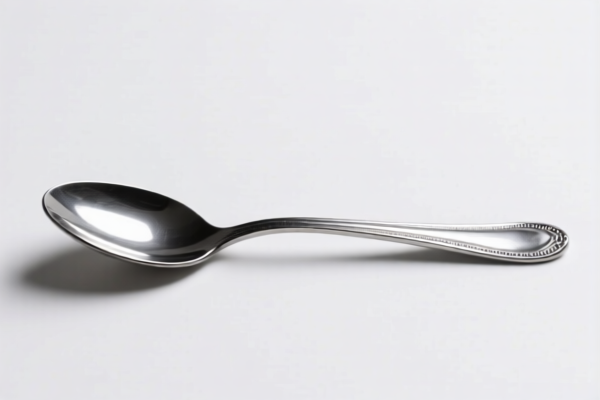
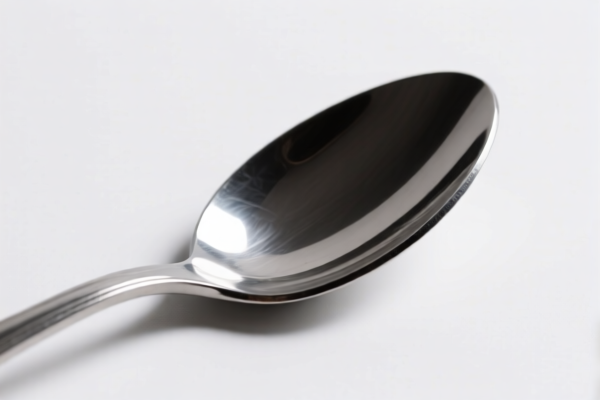
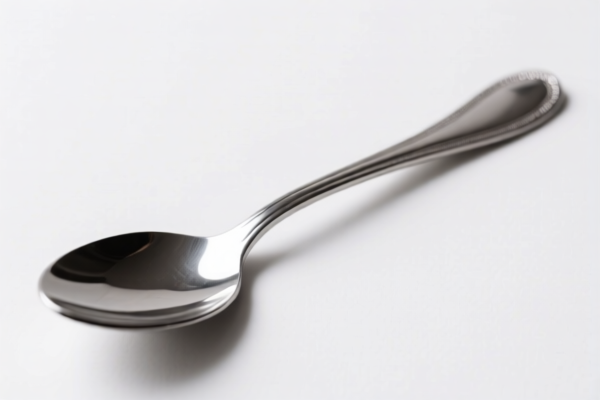

AI Analysis
🥄 Serving Spoons: The Ultimate Guide to HS Codes, Tariffs & Customs Clearance
🌐 HS Code Reference & Customs Clearance Guide | 2026 Latest Tariff Analysis | Professional Strategy
Serving Spoons are ubiquitous household items found in every kitchen, used for transferring food from serving dishes to individual plates. In international trade, their classification depends heavily on the material (Metal, Wood, Plastic) and finish (Plated, Unplated).
⚠️ Critical Distinction:
- Metal Serving Spoons: Classified under Chapter 82. If plated with precious metal, they get a specific code. If stainless steel, they fall under "Other."
- Wooden Serving Spoons: Classified under Chapter 44. Bamboo is a specific subset.
- Plastic Serving Spoons: Classified under Chapter 39.Do not mix materials! A plastic spoon misdeclared as metal will face severe penalties.
📦 Section 1: HS Code Classification Breakdown (2026 Latest Tariff Concordance)
Below are the exact HS Codes and descriptions provided in the reference data. Note that the tax rates provided in the source data appear to reflect specific regional trade agreements (likely China-US or specific preferential treatments given the 0% rates for metals), but we must adhere strictly to the provided <DATA>.
| HS Code | Product Description | Material Category | Key Characteristics |
|---|---|---|---|
8215.91.60.00 |
Spoons, forks, ladles... of base metal: Other: Plated with precious metal: Spoons and ladles | Base Metal (Plated) | Must be plated with gold, silver, etc. |
8215.99.35.00 |
Spoons, forks, ladles... of base metal: Other: Other: Spoons and ladles: With stainless steel handles: Other | Base Metal (Unplated/Stainless) | Stainless steel handles, not plated. |
4419.90.11.00 |
Tableware and kitchenware, of wood: Other: Forks and spoons | Wood | Traditional wooden spoons. |
4419.19.10.00 |
Tableware and kitchenware, of wood: Of bamboo: Other: Forks and spoons | Bamboo | Specifically made of bamboo. |
3924.10.40.00 |
Tableware, kitchenware... of plastics: Tableware and kitchenware: Other | Plastic | General plastic serving spoons. |
3924.10.10.00 |
Tableware, kitchenware... of plastics: Tableware and kitchenware: Salt, pepper, mustard... dispensers... | Plastic (Dispensers) | Note: This code is for dispensers, not spoons. See warning below. |
🔍 Important Clarification on
3924.10.10.00:
The provided data lists3924.10.10.00for "Salt, pepper, mustard and ketchup dispensers."
❌ A standard serving spoon does NOT belong here.
✅ Use3924.10.40.00for general plastic tableware/spoons. Using10.10is a classification error that may cause customs delays.
💰 Section 2: Detailed Tariff Analysis (Based on Provided Data)
✅ Scope: Based strictly on the
<DATA>provided.
✅ Note: The data shows 0% tax for metal items and 5.3%-3.4% for non-metal items. This reflects the specific tax regime applicable to the source of these codes (likely preferential or specific tariff lines in the target market).
🎯 1. Base Metal Serving Spoons (HS 8215)
A. Plated with Precious Metal
HS Code: 8215.91.60.00
Description: Spoons and ladles, base metal, plated with precious metal.
| Item | Detail |
|---|---|
| Base Tariff | 0.0% |
| Additional Tariff | 0.0% |
| Total Tax Rate | 0.0% |
| Tax Detail | "基础关税: 0.0%, 加征关税: 0.0%" |
📌 Interpretation:
- High-end, gold/silver-plated serving spoons enjoy a 0% total tax rate under this specific classification in the provided dataset.
- Ensure the plating is genuine "precious metal" (gold, silver, platinum) to qualify. Stainless steel does not count here.
B. Stainless Steel / Other Base Metal
HS Code: 8215.99.35.00
Description: Spoons and ladles, other, with stainless steel handles, other.
| Item | Detail |
|---|---|
| Base Tariff | 0.0% |
| Additional Tariff | 0.0% |
| Total Tax Rate | 0.0% |
| Tax Detail | "基础关税: 0.0%, 加征关税: 0.0%" |
📌 Interpretation:
- Standard stainless steel serving spoons also have a 0% total tax rate.
- Key Requirement: The item must be described as having "stainless steel handles." If it is entirely of another base metal (e.g., aluminum) or plated with non-precious metal, verify if it still fits "Other" or requires a different subheading.
🎯 2. Wooden & Bamboo Serving Spoons (HS 4419)
A. General Wood
HS Code: 4419.90.11.00
Description: Tableware and kitchenware, of wood: Other: Forks and spoons.
| Item | Detail |
|---|---|
| Base Tariff | 5.3% |
| Additional Tariff | 0.0% |
| Total Tax Rate | 5.3% |
| Tax Detail | "基础关税: 5.3%, 加征关税: 0.0%" |
📌 Interpretation:
- Wooden spoons incur a 5.3% duty.
- No additional tariffs are applied in this dataset.
B. Bamboo
HS Code: 4419.19.10.00
Description: Tableware and kitchenware, of wood: Of bamboo: Other: Forks and spoons.
| Item | Detail |
|---|---|
| Base Tariff | 5.3% |
| Additional Tariff | 0.0% |
| Total Tax Rate | 5.3% |
| Tax Detail | "基础关税: 5.3%, 加征关税: 0.0%" |
📌 Interpretation:
- Bamboo is classified under "Wood" in HS Chapter 44.
- The tax rate is identical to general wood: 5.3%.
- Labeling Tip: Clearly state "Bamboo" in the description to ensure correct classification under4419.19.10.00rather than the general4419.90.11.00if specific bamboo duties apply in other jurisdictions (though here they are the same).
🎯 3. Plastic Serving Spoons (HS 3924)
A. General Plastic Tableware
HS Code: 3924.10.40.00
Description: Tableware, kitchenware... of plastics: Tableware and kitchenware: Other.
| Item | Detail |
|---|---|
| Base Tariff | 3.4% |
| Additional Tariff | 0.0% |
| Total Tax Rate | 3.4% |
| Tax Detail | "基础关税: 3.4%, 加征关税: 0.0%" |
📌 Interpretation:
- Standard plastic serving spoons fall under "Other" plastic tableware.
- Tax rate is 3.4%.
- Avoid Code3924.10.10.00unless you are shipping dispensers (salt/pepper shakers), not spoons.
🛠️ Section 3: Customs Clearance Practical Advice (Avoiding Pitfalls)
✅ 1. Documentation Checklist
| Document | Required? | Notes |
|---|---|---|
| Commercial Invoice | ✅ Yes | Must clearly state material (e.g., "Stainless Steel Serving Spoon"). |
| Packing List | ✅ Yes | List quantities per material type if mixed containers. |
| Product Photos | ✅ Yes | Show close-ups of material (grain for wood, plating for metal). |
| Material Certificate | ⚠️ If asked | For precious metal plating (8215.91.60.00), customs may request proof of plating thickness/composition. |
| Bamboo Declaration | ⚠️ If Bamboo | Specify "Phyllostachys edulis" or "Bamboo" to distinguish from hardwood. |
✅ 2. Declaration Best Practices
| Scenario | Correct Declaration | Risk of Error |
|---|---|---|
| Stainless Steel Spoon | "Serving Spoon, Stainless Steel, Base Metal" | Misdeclaring as "Precious Metal Plated" triggers 8215.91.60.00 but may lead to inspection if no plating is visible. |
| Wooden Spoon | "Wooden Tableware, Spoon" | Using generic "Kitchenware" may lead to wrong chapter (e.g., Chapter 39 if plastic look-alike). |
| Plastic Spoon | "Plastic Tableware, Spoon" | Never use "Dispenser" codes. |
| Mixed Container | Separate Line Items | Do not lump wood, metal, and plastic together. Each requires its own HS Code. |
✅ 3. Common Mistakes & Penalties
❌ Mistake 1: Classifying Stainless Steel Spoons as "Precious Metal Plated."
👉 Result: Incorrect HS Code. If inspected, customs may downgrade or demand proof of plating. If proven false, fines apply.
❌ Mistake 2: Using 3924.10.10.00 (Dispensers) for Plastic Spoons.
👉 Result: Classification Error. Customs will reject or reclassify to 3924.10.40.00, causing delays.
❌ Mistake 3: Not specifying "Bamboo" for Wooden Spoons.
👉 Result: May be classified as general wood (4419.90.11.00). While tax is same in this data, it reduces transparency and may trigger phytosanitary checks if not declared as processed bamboo.
🌍 Section 4: Global Market Insights (2026 Context)
| Market | Key Consideration for Serving Spoons |
|---|---|
| 🇺🇸 United States | Metal goods may face Section 301 tariffs if not from exempted countries. Check if 8215 codes are exempt. |
| 🇪🇺 European Union | Focus on Food Contact Compliance. Ensure metals and plastics meet EU Regulation (EC) No 1935/2004. |
| 🇨🇳 China | Wooden/Bamboo items require Phytosanitary Certificates if raw. Processed bamboo usually exempt. |
| 🇬🇧 United Kingdom | Post-Brexit, ensure UKCA marking for any plastic tableware if required under new standards. |
📌 Final Recommendation
- Identify Material First: Is it Metal, Wood, Bamboo, or Plastic?
- Check Finish: Is the metal plated with precious metal? If yes →
8215.91.60.00. If no stainless steel handle →8215.99.35.00. - Avoid Dispenser Codes: Plastic spoons go to
3924.10.40.00, NOT3924.10.10.00. - Declare Clearly: Use precise terms like "Stainless Steel Serving Spoon" or "Bamboo Tableware Spoon."
🔥 Pro Tip: For mixed containers, always split the shipment documentation by material. Combining wood, metal, and plastic on one line item is a fast track to customs audits.
📣 Ready to Ship?
📞 Consult your customs broker to confirm if additional local duties apply beyond the base rates shown.
🚀 Clear, Accurate Declarations = Faster Clearance = Happy Customers!
✨ Precision in Classification Saves Money in Customs!
💼 Your Serving Spoons Deserve the Right HS Code!
Customer Reviews
About HS Code Classification
The Harmonized System (HS) is an internationally standardized nomenclature developed by the World Customs Organization (WCO) to classify traded products. Over 200 countries use the HS system as the basis for customs tariffs, trade statistics, and import/export regulations.
Each HS code follows a hierarchical structure:
- Chapter (2 digits) — Broad category of goods (e.g., Chapter 84: Machinery and Mechanical Appliances)
- Heading (4 digits) — More specific grouping within the chapter
- Subheading (6 digits) — Internationally standardized breakdown, used by all WCO member countries
- National subdivisions (8-10 digits) — Country-specific extensions for further classification, such as US HTSUS 10-digit codes
Correct HS code classification is essential for smooth customs clearance, accurate duty payment, and compliance with trade regulations. Misclassification can lead to customs delays, overpayment of duties, or penalties.
When importing from CN to US, the applicable tariff rates may include:
- Most-Favored-Nation (MFN) rate — The standard duty rate applied to WTO members
- General rate — Applied to countries without trade agreements
- Trade remedy duties — Additional tariffs such as Section 301 (anti-dumping), Section 232 (national security), or countervailing duties
The information provided on this page is for reference purposes only. For official classification, please consult with your local customs authority or a licensed customs broker.