Shade Cloth
CN → US| HS Code | Tariff Rate | Origin | Destination | Doc |
|---|---|---|---|---|
| 6306120000 | 18.8% | CN | US | Official Doc |
| 5903102010 | 35.0% | CN | US | Official Doc |
| 5903102090 | 35.0% | CN | US | Official Doc |
| 5603120070 | 35.0% | CN | US | Official Doc |
| 5603110070 | 35.0% | CN | US | Official Doc |
Product Images
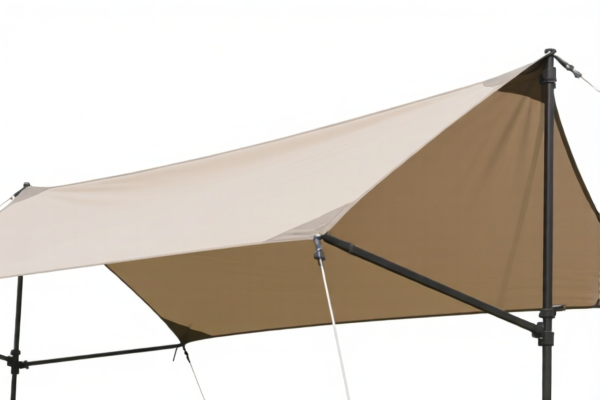
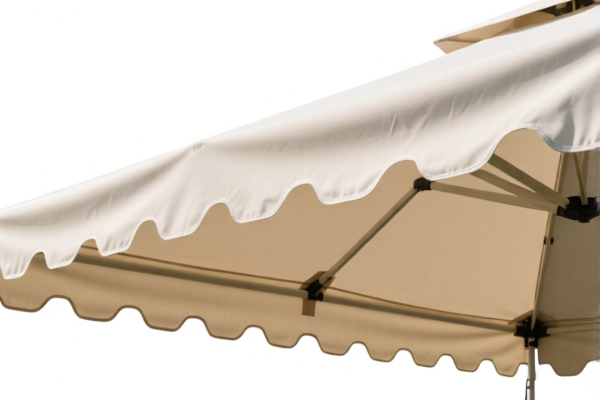
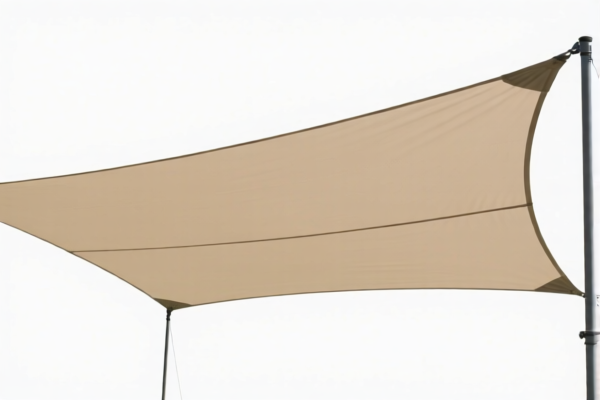
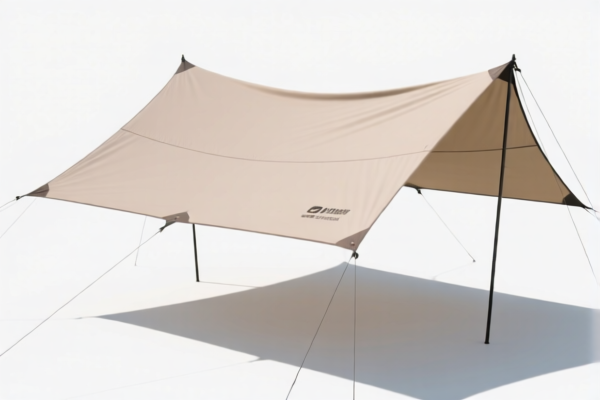
AI Analysis
☀️ Shade Cloth (遮阳布/防晒网)
🌐 HS Code Reference & Customs Clearance Guide | 2026 Latest Tariff Analysis | Professional Clearance Strategy
📌 I. Product Definition & Classification: Do You Really Understand "Shade Cloth"?
Shade cloth is a versatile textile product used primarily for agricultural, horticultural, and outdoor applications to reduce sunlight intensity, wind speed, and temperature. In international trade, the classification depends heavily on the material structure (woven, non-woven, or coated) and the processing method (impregnated, coated, or laminated).
Key Distinction Points: - Tarpaulin-like Structure: If it functions as a cover (like a tent or sunshade) made of synthetic fibers → HS 6306.12.00.00 - Coated/Laminated Fabric: If it is a textile fabric impregnated, coated, covered, or laminated with plastics → HS 5903.10.20.10 / 5903.10.20.90 - Non-woven Fabric: If it is a non-woven fabric made of synthetic fibers (e.g., Polyethylene/PP) → HS 5603.12.00.70 / 5603.11.00.70
⚠️ Critical Warning:
Misclassification leads to massive tariff differences (from 18.8% to 35.0%). You must determine the exact manufacturing process and material composition to choose the correct HS Code.
📦 II. HS Code Classification Details (2026 Latest Tariff Authority)
| HS Code | Product Description | Applicable Scenario | Material/Processing Key |
|---|---|---|---|
6306.12.00.00 |
Tarpaulins, tents, and sunblinds made of synthetic fibers | Ready-made sunshades, tent covers, solar sails | ✅ Finished textile article; Not primarily a coated fabric |
5903.10.20.10 |
Textile fabric impregnated, coated, covered or laminated with PVC (specific subtype) | Heavy-duty coated shade cloth, plastic-coated mesh | ✅ Coated/Laminated; Plastic-based |
5903.10.20.90 |
Other textile fabrics impregnated, coated, covered or laminated with plastics (excl. PVC) | General plastic-coated shade fabrics, composite materials | ✅ Composite fabric; Plastic coating present |
5603.12.00.70 |
Nonwovens, weighing > 70 g/m², of synthetic fibers (specific subtype) | Non-woven shade nets, spunbond polyethylene/PP | ✅ Non-woven structure; Synthetic fibers |
5603.11.00.70 |
Nonwovens, weighing ≤ 70 g/m², of synthetic fibers (specific subtype) | Lighter weight non-woven shade cloths | ✅ Non-woven structure; Synthetic fibers |
🔍 Key Reminder:
- If the product is a finished sunblind or tent-like structure, use 6306.
- If the product is a raw or semi-finished fabric that has been coated or laminated with plastic to create the shade effect, use 5903.
- If the product is a non-woven mesh (like agricultural frost cloth or shade netting without plastic coating), use 5603.
💰 III. 2026 Latest Tariff Rate Breakdown (Including Surtaxes & Policy Surcharges)
✅ Applicable Country: United States (US)
✅ Origin: China (CN)
✅ Effective Date: From November 10, 2025 (and subsequent imports)
🎯 1. 6306.12.00.00 —— Tarpaulins, Tents, Sunblinds (Synthetic Fibers)
| Item | Detail |
|---|---|
| Base Tariff | 8.8% (ad valorem) |
| Section 301 Surtax | 0.0% (Not subject to additional 301 tariffs in this specific subheading context based on provided data) |
| Section 122 Tariff | 10% (Specific surcharge for this category) |
| Total Tariff Rate | 18.8% |
| Tax Calculation | CIF Value × 18.8% |
| De Minimis Exemption | ❌ No (Subject to strict scrutiny if value is low, but generally taxable) |
| Legal Basis Path | Section 122 Authority → USITC:6306.12.00.00 |
📌 Explanation:
- This is the lowest tariff option among the five codes provided.
- It applies only if the item is clearly classified as a finished article (like a tent or sunblind) rather than a raw coated fabric.
- The Section 122 tariff adds 10%, while Section 301 does not apply here (0.0%).
🎯 2. 5903.10.20.10 & 5903.10.20.90 —— Coated/Laminated Textile Fabrics
| Item | Detail |
|---|---|
| Base Tariff | 0.0% |
| Section 301 Surtax | 25.0% (High penalty for Chinese-origin coated textiles) |
| Section 122 Tariff | 10% |
| Total Tariff Rate | 35.0% |
| Tax Calculation | CIF Value × 35.0% |
| De Minimis Exemption | ❌ No |
| Legal Basis Path | Section 301 (USITC Footnote) → Section 122 → USITC:5903.10.20.x0 |
📌 Explanation:
- Substantial Surtax: The 25% Section 301 surcharge is applied because these are considered processed textile goods subject to trade restrictions.
- Total Cost Impact: The effective tariff rate jumps from 0% (base) to 35%. This is a 87.2% increase compared to HS 6306.12.00.00.
- Both subcodes (10 and 90) have the same tax detail: 0% base + 25% Section 301 + 10% Section 122.
🎯 3. 5603.12.00.70 & 5603.11.00.70 —— Nonwoven Fabrics of Synthetic Fibers
| Item | Detail |
|---|---|
| Base Tariff | 0.0% |
| Section 301 Surtax | 25.0% |
| Section 122 Tariff | 10% |
| Total Tariff Rate | 35.0% |
| Tax Calculation | CIF Value × 35.0% |
| De Minimis Exemption | ❌ No |
| Legal Basis Path | Section 301 (USITC Footnote) → Section 122 → USITC:5603.11.00.70 / 5603.12.00.70 |
📌 Explanation:
- Even though these are non-woven fabrics, they are still subject to the same 25% Section 301 and 10% Section 122 surcharges as the coated fabrics.
- The distinction between 5603.11 (≤70 g/m²) and 5603.12 (>70 g/m²) is based on weight, but the tax rate remains identical at 35.0%.
🛠️ IV. Customs Clearance Practical Advice (Real-World Pitfall Guide)
✅ 1. Preparation Checklist (Non-Negotiable)
| Document | Must Provide? | Notes |
|---|---|---|
| ✅ Product Specification Sheet | ✔️ | Must detail: Material (Polyester/Nylon/PP), Weight (gsm), Treatment (Coated/Uncoated), Weave type |
| ✅ Photos of the Product | ✔️ | Show texture, coating visibility, and finished shape (if applicable) |
| ✅ Manufacturing Process Description | ✔️ | Crucial: Explain if it is "woven then coated" vs. "non-woven spunbond" vs. "finished tent" |
| ✅ Commercial Invoice | ✔️ | Use precise description: e.g., "Polyethylene Non-woven Shade Cloth" vs. "Synthetic Fiber Sunblind" |
| ✅ Certificate of Origin | ✔️ | To verify CN origin for Section 301/122 application |
| ✅ Packing List | ✔️ | Ensure weight and dimensions match specification |
✅ 2. Declaration Strategy (Key Mnemonic)
🔥 "Finished Article = 18.8%, Coated/Nonwoven = 35%! Name it Right, Save 16.2%!"
| Scenario | Correct Declaration | Wrong Approach | Result |
|---|---|---|---|
| Ready-made Sunshade/Tent | 6306.12.00.00 |
Calling it "Coated Fabric" | Saves 16.2% (18.8% vs 35%) |
| Raw Coated Mesh Fabric | 5903.10.20.x0 |
Calling it "Shade Cloth Article" | Correct 35% (Avoids penalty for misclassification) |
| Non-woven Agro-mesh | 5603.11/12.00.70 |
Calling it "Tent Material" | Correct 35% |
| Mixed Shipment | Split Declaration | Combining all under one code | High Risk of Audit & Back-tariffs |
✅ 3. Special Cases & Handling
| Case | Handling Suggestion |
|---|---|
| OEM Custom Shade Cloth | Provide design specs to prove it is a finished article (e.g., includes grommets, hemming, specific size) to aim for 6306. |
| Fabric with Both Woven & Non-woven Parts | Split shipment or declare the principal character. If woven+coated dominates, use 5903. |
| Import for Agricultural Use | No special tariff exemption for "agricultural use" in this context, but ensure description highlights agro-fabric if claiming specific non-woven status. |
| Small Samples | Even small quantities are subject to 35% or 18.8%; De Minimis does not apply to these HS codes from China. |
🌍 V. Global Market Comparison (2026 Latest)
| Country/Region | Recommended HS Code | Tariff (China Origin) | Certification Req. | Notes |
|---|---|---|---|---|
| 🇺🇸 USA | 6306.12.00.00 |
18.8% (Best Option) | N/A | Avoid 5903/5603 if possible (35%) |
| 🇨🇳 China | 6306.12.00.00 |
Varies (Import Tax) | CCC (if applicable) | Domestic consumption may differ |
| 🇪🇺 EU | 6306.12.00.00 |
0-7% (Typically low) | CE (if safety gear) | No Section 301/122 equivalents |
| 🇬🇧 UK | 6306.12.00.00 |
0-7% | UKCA | Post-Brexit rules apply |
| 🇦🇺 Australia | 6306.12.00.00 |
5% | N/A | Lower tariffs, no US-style surtaxes |
📌 Conclusion:
- USA is the only major market with these specific high surtaxes (Section 301 + Section 122).
- Strategy for USA: If your product can be reasonably classified as a finished sunblind/tent (6306), do so to save 16.2% in tariffs. If it is clearly a coated or non-woven fabric, accept the 35% rate. Do not force a misclassification.
📌 VI. Common Errors & Pitfall Guide (Lessons Learned)
❌ Mistake 1: Declaring all shade cloths under 6306 regardless of structure.
👉 Consequence: If audited, CBP will reclassify as 5903 or 5603 → Back-tariffs + Penalties.
❌ Mistake 2: Ignoring Section 122 and Section 301 in cost calculation.
👉 Consequence: Underquoting duties → Seizure or Delay.
❌ Mistake 3: Using generic term "Shade Cloth" on Invoice.
👉 Consequence: Customs may assign default high-rate code.
✅ Fix: Use specific terms: "Synthetic Fiber Sunblind, Finished" vs. "PVC-Coated Polyester Shade Fabric".
❌ Mistake 4: Assuming non-woven fabrics are exempt from Section 301.
👉 Consequence: 35% applies to non-woven synthetics too.
🎯 VII. Conclusion: Precise Classification Saves Money!
🎯 Remember the Rule of Thumb:
🔹 "Finished Tent/Shade = 18.8% | Coated/Nonwoven Fabric = 35%"
🔹 "Don't Force 6306 if it's Fabric; Don't Guess 35% if it's a Tent"
📌 Pro Tip:
If your product is manufactured in Vietnam, Thailand, or Malaysia, you may qualify for IEEPA/Section 301 Exemptions, reducing the effective tariff significantly.
Recommendation: Apply for an Advance Ruling from US Customs (CBP) if the classification is borderline between 6306 and 5903/5603.
📣 Immediate Action:
📞 Contact your customs broker + Provide product photos + Specify manufacturing process
🚀 Ensure accurate HS Code to avoid 16.2% overpayment or 35% penalty risks!
✨ Professional Clearance, Starts with Precise Classification!
💼 Every percent saved is pure profit!
Customer Reviews
About HS Code Classification
The Harmonized System (HS) is an internationally standardized nomenclature developed by the World Customs Organization (WCO) to classify traded products. Over 200 countries use the HS system as the basis for customs tariffs, trade statistics, and import/export regulations.
Each HS code follows a hierarchical structure:
- Chapter (2 digits) — Broad category of goods (e.g., Chapter 84: Machinery and Mechanical Appliances)
- Heading (4 digits) — More specific grouping within the chapter
- Subheading (6 digits) — Internationally standardized breakdown, used by all WCO member countries
- National subdivisions (8-10 digits) — Country-specific extensions for further classification, such as US HTSUS 10-digit codes
Correct HS code classification is essential for smooth customs clearance, accurate duty payment, and compliance with trade regulations. Misclassification can lead to customs delays, overpayment of duties, or penalties.
When importing from CN to US, the applicable tariff rates may include:
- Most-Favored-Nation (MFN) rate — The standard duty rate applied to WTO members
- General rate — Applied to countries without trade agreements
- Trade remedy duties — Additional tariffs such as Section 301 (anti-dumping), Section 232 (national security), or countervailing duties
The information provided on this page is for reference purposes only. For official classification, please consult with your local customs authority or a licensed customs broker.