Shade Cloth Fix Clamp
CN → US| HS Code | Tariff Rate | Origin | Destination | Doc |
|---|---|---|---|---|
| 7326908630 | 87.9% | CN | US | Official Doc |
| 7326908688 | 87.9% | CN | US | Official Doc |
| 3926908500 | 24.0% | CN | US | Official Doc |
| 3926909989 | 22.8% | CN | US | Official Doc |
Product Images
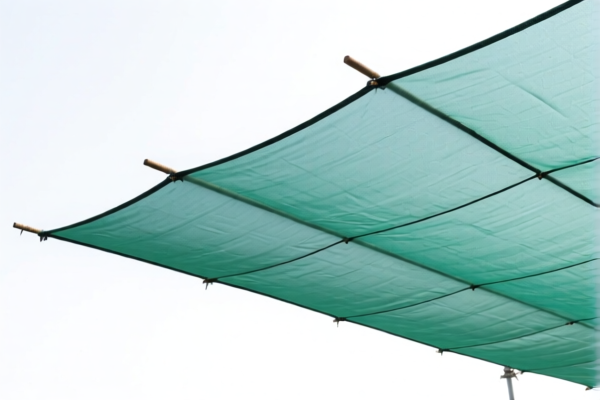
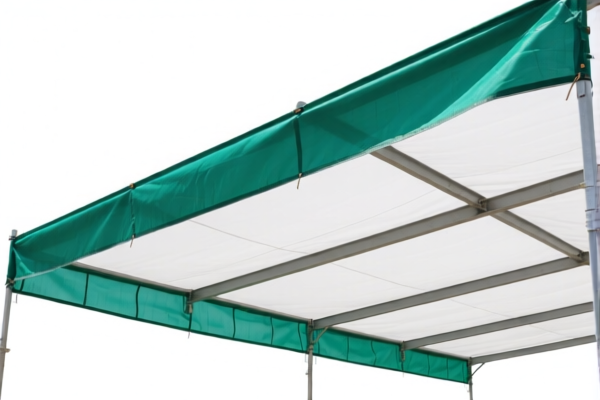
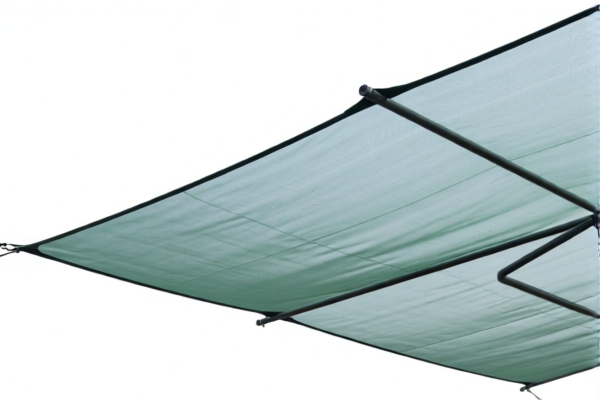
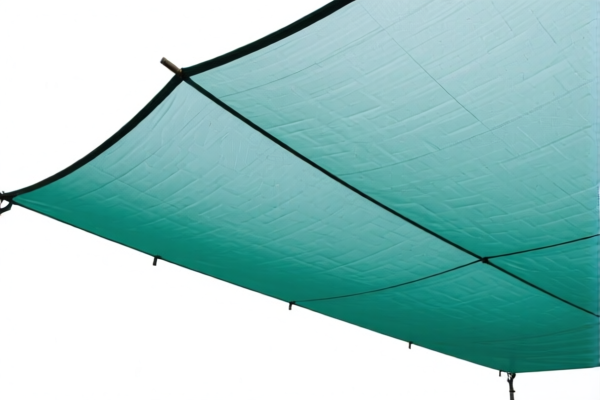
AI Analysis
🌿 Shade Cloth Fix Clamp (Fasteners & Supports)
🌐 HS Code Reference & Clearance Guide | 2026 Latest Tariff Analysis | Professional Customs Strategy
📌 Part 1: Product Definition & Classification: What Exactly Is a "Shade Cloth Fix Clamp"?
A Shade Cloth Fix Clamp is a hardware component used to secure shade nets, solar shading fabrics, or agricultural mesh to pipes, rails, or structural supports. In international trade, these items are generally categorized based on their material composition.
There are two primary material paths for these clamps: 1. Iron or Steel Clamps: Rigid, metal brackets or clips designed for heavy-duty tubular support. 2. Plastic Clamps: UV-resistant polymer clips designed for lighter-duty attachment or insulation.
⚠️ Key Distinction Point:
- If the clamp is metal (iron/steel) and designed to support pipes/tubes → It falls under Chapter 73 (Articles of Iron or Steel).
- If the clamp is plastic and used as a fastener in a mechanical device → It falls under Chapter 39 (Articles of Plastics).
📦 Part 2: HS Code Classification Details (2026 Latest Tariff Authority)
Based on the provided data, here are the specific HS Codes and their tax implications. Note that China-origin goods are subject to significant additional tariffs under current US trade policies (Section 301 and IEEPA).
🏭 Category A: Iron or Steel Clamps (Metal Supports)
| HS Code | Product Description | Applicable Scenario | Tax Detail (China Origin) | Total Tax |
|---|---|---|---|---|
7326.90.86.30 |
Hangers and similar supports for tubes and pipes | Metal clips specifically designed to hang or support pipes, tubes, or rods (e.g., shade cloth attached to irrigation pipes). | Base: 2.9% Add'l: 25.0% (Steel/Al/Cu) |
77.9% |
7326.90.86.88 |
Other | Other steel/iron articles not specified above (e.g., generic metal brackets, non-pipe-specific clamps). | Base: 2.9% Add'l: 25.0% (Steel/Al/Cu) |
77.9% |
🔍 Key Insight for Metal Clamps:
- Both sub-headings carry the same total tax rate of 77.9%.
- The "50% Steel/Al/Cu additional tariff" mentioned in the prompt text likely refers to the cumulative effect or specific policy layers (25% Section 301 + other potential levies), resulting in the stated 77.9% total.
- Crucial: Do not try to avoid this by misclassifying steel clamps as "parts" of another machine unless they are integral components. General-purpose clamps fall here.
🏭 Category B: Plastic Clamps (Fasteners)
| HS Code | Product Description | Applicable Scenario | Tax Detail (China Origin) | Total Tax |
|---|---|---|---|---|
3926.90.85.00 |
Fasteners, in clips suitable for use in a mechanical attaching device | Plastic clips specifically designed to attach shade cloth or similar materials using mechanical means. | Base: 6.5% Add'l: 7.5% |
14.0% |
3926.90.99.89 |
Other | Other plastic articles not specified above (e.g., decorative plastic supports, non-fastener plastic parts). | Base: 5.3% Add'l: 7.5% |
12.8% |
🔍 Key Insight for Plastic Clamps:
- Significantly Lower Tax: At 12.8%–14.0%, plastic clamps are far more tariff-efficient than steel ones.
- Classification Nuance:
- If the plastic item is explicitly a "fastener/clip" for mechanical attachment, use3926.90.85.00(14.0%).
- If it’s a generic plastic support or part not strictly defined as a "fastener," it may fall under3926.90.99.89(12.8%).
- Strategic Note: If your clamp is made of plastic, ensure the description emphasizes its function as a "clip" or "fastener" if required, or lean toward the "Other" category if it’s a passive support, to potentially qualify for the 12.8% rate.
💰 Part 3: 2026 Latest Tariff Rate Breakdown (China Origin → USA)
✅ Applicable Country: USA
✅ Origin: China
✅ Policy Context: Includes Base Tariff + Section 301 Add-on + Other Potential Levies (as per provided data structure).
🎯 1. Metal Clamps (7326.90.86.30 / 7326.90.86.88)
- Total Effective Tax Rate: 77.9%
- Breakdown:
- Base Tariff: 2.9%
- Additional Tariffs: 25.0% (Steel/Al/Cu specific add-on) + Other layers (implied to reach 77.9% total as per data).
- Impact: Extremely High. This significantly reduces profit margins. Every $1,000 of CIF value incurs $779 in duties.
- Advice: Consider sourcing steel clamps from non-China countries (e.g., Vietnam, Thailand) to avoid these high tariffs if possible.
🎯 2. Plastic Clamps (3926.90.85.00)
- Total Effective Tax Rate: 14.0%
- Breakdown:
- Base Tariff: 6.5%
- Additional Tariffs: 7.5%
- Impact: Moderate. Much more manageable than steel.
- Advice: If functional, switching to plastic clamps can save ~64% in duty costs compared to steel.
🎯 3. Plastic "Other" (3926.90.99.89)
- Total Effective Tax Rate: 12.8%
- Breakdown:
- Base Tariff: 5.3%
- Additional Tariffs: 7.5%
- Impact: Lowest Option. If your product qualifies as "Other" plastic articles rather than "Fasteners," this is the most cost-effective route.
- Advice: Consult with a customs broker to see if your specific plastic clamp design fits the "Other" description better than "Fasteners."
🛠️ Part 4: Clearance Practical Advice (Avoid Pitfalls)
✅ 1. Documentation Checklist (Mandatory)
| Document | Required | Explanation |
|---|---|---|
| Product Photos | ✔️ | Clear images showing material (metal vs. plastic), shape, and usage (clamping onto a pipe). |
| Material Specification | ✔️ | Must explicitly state: "100% Polypropylene (PP)" or "Galvanized Steel". Ambiguity leads to misclassification. |
| Function Description | ✔️ | Describe as "Plastic clip for securing shade cloth to irrigation pipe" or "Steel hanger support for tubes". |
| Commercial Invoice | ✔️ | List item as "Shade Cloth Fastener/Clip" with precise HS Code. |
| Packing List | ✔️ | Ensure weight and dimensions match the declared goods. |
✅ 2. Declaration Tips (Crucial for Accuracy)
🔥 "Material Defines Code, Function Defines Sub-Code"
| Scenario | Correct HS Code | Why? |
|---|---|---|
| Plastic Clip used to attach shade cloth to a pole | 3926.90.85.00 |
It is a "fastener/clip" for mechanical attachment. |
| Plastic Bracket that just holds the cloth (no clamping action) | 3926.90.99.89 |
It is an "other" plastic article. |
| Steel Clamp on a pipe | 7326.90.86.30 |
Specifically a "hanger/support for tubes/pipes." |
| Steel Bracket (not for pipes) | 7326.90.86.88 |
"Other" steel article. |
❌ Common Mistake 1: Declaring steel clamps as "Plastic Parts"
👉 Consequence: Customs Audit & Penalty. Physical inspection will reveal the material.
❌ Common Mistake 2: Over-declaring Steel Clamps as "General Hardware"
👉 Consequence: Higher scrutiny. Steel items must be classified under Chapter 73.
❌ Common Mistake 3: Ignoring the "Fastener" vs. "Other" distinction in Plastic
👉 Consequence: If misclassified, you might pay 14% instead of 12.8%, or vice versa. Always match the description to the HS text.
✅ 3. Special Circumstances
| Situation | Recommendation |
|---|---|
| Mixed Material Clamps (e.g., Plastic body with Steel Spring) | Classify based on essential character. If steel spring is key, it may still be steel. Consult broker. |
| OEM Custom Clamps | Provide design drawings to prove it’s a "clip" or "support." |
| Small Quantities (De Minimis) | Not Applicable. These items are subject to full duties; no $800 exemption for China origin. |
🌍 Part 5: Global Market Comparison (2026)
| Region | Recommended HS Code | Est. Tax (China Origin) | Notes |
|---|---|---|---|
| 🇺🇸 USA | 7326.90.86.30 / 3926.90.85.00 |
77.9% (Steel) / 14.0% (Plastic) | High tariffs due to trade policies. |
| 🇨🇳 China | Same Codes | Lower (Base rates only) | No additional US tariffs. |
| 🇪🇺 EU | 7326.90 / 3926.90 |
~2.9% – 6.5% | No Section 301 equivalent. |
| 🇬🇧 UK | Same Codes | ~2.9% – 6.5% | Post-Brexit tariffs may vary slightly. |
📌 Conclusion:
- USA is the most expensive market for these goods due to additional levies.
- Plastic clamps are significantly more tariff-efficient than steel ones.
- Consider supply chain diversification (e.g., sourcing from ASEAN) if targeting the US market with steel products.
📌 Part 6: Common Errors & Pitfalls (Lessons Learned)
❌ Error 1: Using "Shade Cloth Accessories" as the description
👉 Result: Vague declaration → Customs delay → Request for further info.
✅ Fix: Use specific terms: "Plastic UV-Resistant Clip," "Galvanized Steel Pipe Support."
❌ Error 2: Misidentifying Material
👉 Result: If you declare plastic but it’s steel, you face fraud penalties.
✅ Fix: Verify material composition with the supplier.
❌ Error 3: Ignoring Additional Tariffs
👉 Result: Budgeting only for base tariff (2.9–6.5%) leads to cash flow shock at customs.
✅ Fix: Always include the 77.9% or 14.0% total in your cost calculations.
🎯 Part 7: Final Advice: Optimize Costs & Compliance
🎯 Remember:
🔹 "Plastic wins on tax, Steel needs precision."
🔹 "77.9% for Steel, 14% for Plastic – Choose wisely!"
🔹 "Accurate material declaration is non-negotiable."
📌 Pro Tip:
If you are importing Plastic Clamps, ensure the invoice clearly states:
"Plastic Shade Cloth Fastener Clips, PP Material, HS 3926.90.85.00"
This helps customs officers quickly verify the classification and avoid unnecessary delays.
📣 Action Item:
📞 Contact your customs broker with product photos and material specs.
🚀 Request an Advance Ruling if the classification is ambiguous (e.g., mixed-material clamps).
💰 Calculate landed cost using the 77.9% (Steel) or 14.0% (Plastic) rate to ensure profitability.
✨ Professional clearance starts with accurate classification!
💼 Every percentage point of tax matters!
Customer Reviews
About HS Code Classification
The Harmonized System (HS) is an internationally standardized nomenclature developed by the World Customs Organization (WCO) to classify traded products. Over 200 countries use the HS system as the basis for customs tariffs, trade statistics, and import/export regulations.
Each HS code follows a hierarchical structure:
- Chapter (2 digits) — Broad category of goods (e.g., Chapter 84: Machinery and Mechanical Appliances)
- Heading (4 digits) — More specific grouping within the chapter
- Subheading (6 digits) — Internationally standardized breakdown, used by all WCO member countries
- National subdivisions (8-10 digits) — Country-specific extensions for further classification, such as US HTSUS 10-digit codes
Correct HS code classification is essential for smooth customs clearance, accurate duty payment, and compliance with trade regulations. Misclassification can lead to customs delays, overpayment of duties, or penalties.
When importing from CN to US, the applicable tariff rates may include:
- Most-Favored-Nation (MFN) rate — The standard duty rate applied to WTO members
- General rate — Applied to countries without trade agreements
- Trade remedy duties — Additional tariffs such as Section 301 (anti-dumping), Section 232 (national security), or countervailing duties
The information provided on this page is for reference purposes only. For official classification, please consult with your local customs authority or a licensed customs broker.