Shading Net
CN → US| HS Code | Tariff Rate | Origin | Destination | Doc |
|---|---|---|---|---|
| 6306120000 | 18.8% | CN | US | Official Doc |
| 5903102010 | 35.0% | CN | US | Official Doc |
| 5903102090 | 35.0% | CN | US | Official Doc |
| 5603120070 | 35.0% | CN | US | Official Doc |
| 5603110070 | 35.0% | CN | US | Official Doc |
Product Images
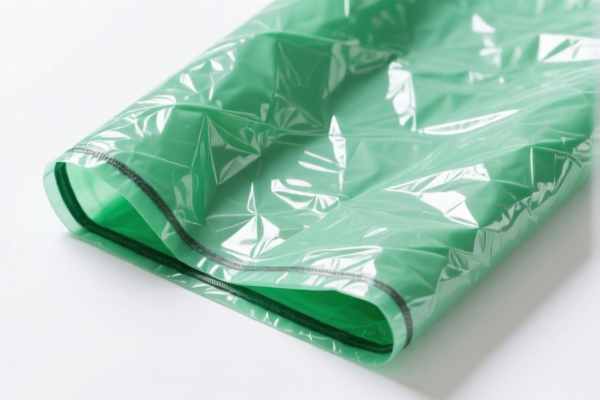
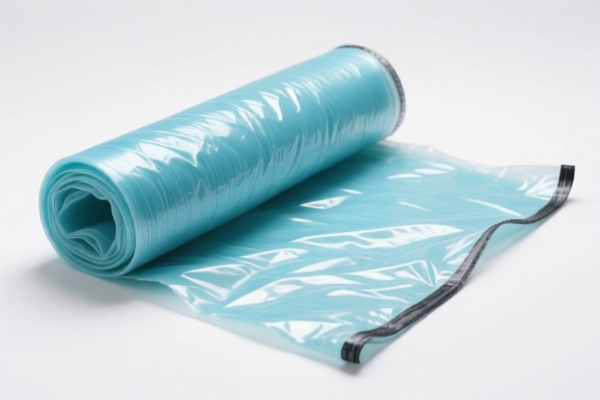
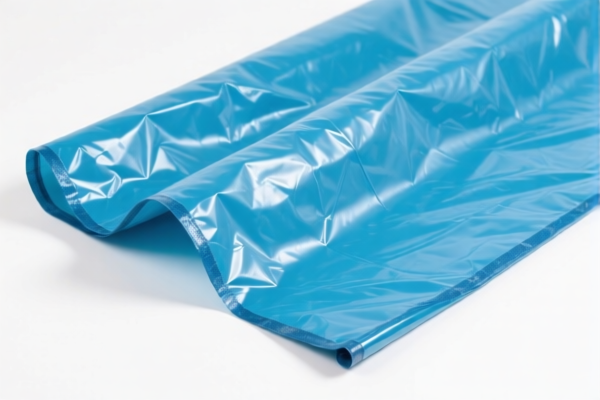
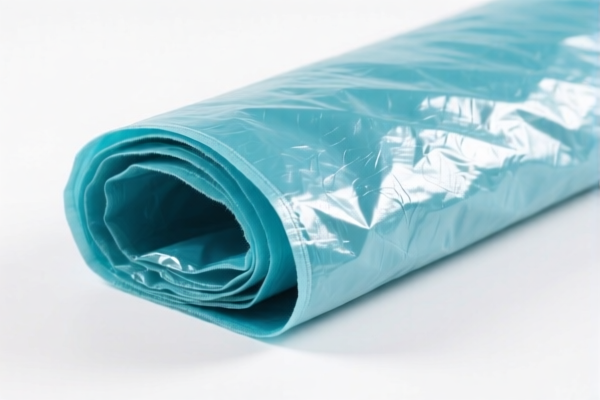
AI Analysis
🕶️ Shading Net (Sunshade Cloth / Netting)
🌐 HS Code Reference & Clearance Guide | 2026 Latest Tariff Analysis | Professional Clearance Strategy
📌 I. Product Definition & Classification: What is a "Shading Net"?
Shading nets, often referred to as sunshade cloths, agro-textiles, or shade sails, are permeable fabric structures designed to block sunlight, UV radiation, or provide physical protection. In international trade, they are primarily classified based on their manufacturing method (woven vs. non-woven) and surface treatment (coated/laminated).
The core classification dilemma lies in distinguishing between: 1. Finished Shade Structures: Treated as "Tents or Canvas Goods" (Chapter 63). 2. Fabric/Material: Treated as "Impregnated Textiles" (Chapter 59) or "Non-woven Fabrics" (Chapter 56).
⚠️ Key Distinction:
- If the product is a pre-sewn, ready-to-use structure (e.g., a tent or awning with ropes/hardware) →归入 6306
- If the product is a fabric roll, sheet, or raw material (even if coated) → 归入 5903 or 5603
📦 II. HS Code Classification Details (2026 Latest Tariff Mapping)
Based on the provided data, here are the four potential HS Codes for Shading Nets, categorized by their physical and chemical characteristics:
| HS Code | Product Description | Application Scenario | Key Characteristic |
|---|---|---|---|
| 6306.12.00.00 | Other tents; awnings | Ready-to-use shade structures, sun shelters, or large-scale canopy systems | ✅ Form: Finished Good / Structure 🧵 Material: Synthetic Fiber/Textile |
| 5903.10.20.10 | Textile fabrics impregnated/coated with PVC | Heavy-duty industrial shading fabrics, often rigid or stiff due to coating | ✅ Form: Coated/Laminated Fabric ⚗️ Material: PVC-coated textile |
| 5903.10.20.90 | Other textile fabrics impregnated/coated with plastics | Versatile shading cloths with plastic layers (PE/PVC/PU), common in agriculture | ✅ Form: Plastic-impregnated ⚗️ Material: Plastic-compound textile |
| 5603.12.00.70 | Non-woven fabrics, weighing >250g/m², synthetic | Thick, durable shading nets made from polyethylene (PE) or polypropylene (PP) filaments | ✅ Form: Non-woven/Net-like 🧵 Material: Synthetic Polymer (PE/PP) |
| 5603.11.00.70 | Non-woven fabrics, weighing ≤250g/m², synthetic | Lighter weight shading nets, often used for temporary agricultural cover | ✅ Form: Non-woven/Net-like 🧵 Material: Synthetic Polymer (PE/PP) |
🔍 Critical Note:
- HS 6306 is for finished products (like a tent). If you import "shade cloth rolls," do NOT use 6306 unless they are cut/sewn into specific shapes. - HS 5903 is for textiles treated with plastic (coated/laminated). This is very common for high-UV resistance shading nets. - HS 5603 is for non-woven synthetic fabrics. Many agricultural shading "nets" are actually extruded plastic meshes, which fall under non-wovens or specific plastic fabrics depending on the exact construction.
💰 III. 2026 Latest Tariff Rate Breakdown (Including Additional Duties)
✅ Applicable Country: United States (US)
✅ Country of Origin: China (CN)
✅ Effective Time: 2025/2026 (Post-Trade War Rates)
🎯 1. 6306.12.00.00 —— Other Tents / Awnings (Finished Shade Structures)
| Item | Detail |
|---|---|
| Base Duty | 8.8% (ad valorem) |
| Section 301 Additional Duty | 0.0% (Note: See explanation below) |
| IEEPA / Section 122 Clause | +10% (Specific clause mentioned in data) |
| Total Effective Rate | 18.8% |
| Calculation | CIF Value × 18.8% |
| De Minimis Exemption | ❌ Not Applicable (High tariff threshold) |
| Legal Path | Base Tariff (8.8%) + IEEPA Clause (10%) |
📌 Explanation:
- This is the most favorable rate among the options provided. - It applies if the shading net is imported as a finished structure (e.g., a pop-up gazebo, a specific awning kit). - Warning: If customs determines this is actually "fabric" and not a "tent," you will be reassigned to HS 5903 or 5603, increasing your tax significantly.
🎯 2. 5903.10.20.10 —— PVC-Impregnated Textile Fabrics
| Item | Detail |
|---|---|
| Base Duty | 0.0% |
| Section 301 Additional Duty | +25.0% (USITC Footnote 9903.88.01) |
| IEEPA / Section 122 Clause | +10.0% |
| Total Effective Rate | 35.0% |
| Calculation | CIF Value × 35.0% |
| De Minimis Exemption | ❌ Not Applicable |
| Legal Path | USITC:9903.88.01 (25%) + IEEPA:9903.01.24 (10%) |
📌 Explanation:
- Applies to shading fabrics coated with PVC. - Subject to 25% Section 301 tariffs (Trade War tax). - Plus an additional 10% under specific IEEPA provisions mentioned in the data. - Total Cost Impact: Very High.
🎯 3. 5903.10.20.90 —— Other Plastic-Impregnated Textiles
| Item | Detail |
|---|---|
| Base Duty | 0.0% |
| Section 301 Additional Duty | +25.0% |
| IEEPA / Section 122 Clause | +10.0% |
| Total Effective Rate | 35.0% |
| Calculation | CIF Value × 35.0% |
| De Minimis Exemption | ❌ Not Applicable |
| Legal Path | USITC:9903.88.01 (25%) + IEEPA:9903.01.24 (10%) |
📌 Explanation:
- Applies to shading fabrics coated with plastics other than PVC (e.g., PE, PU, or other polymers). - Same high tariff structure as PVC coatings. - Common Use: Most agricultural "shade cloths" are PE-coated, making this a very likely classification.
🎯 4. 5603.12.00.70 & 5603.11.00.70 —— Non-Woven Synthetic Fabrics
| Item | Detail |
|---|---|
| Base Duty | 0.0% |
| Section 301 Additional Duty | +25.0% |
| IEEPA / Section 122 Clause | +10.0% |
| Total Effective Rate | 35.0% |
| Calculation | CIF Value × 35.0% |
| De Minimis Exemption | ❌ Not Applicable |
| Legal Path | USITC:9903.88.01 (25%) + IEEPA:9903.01.24 (10%) |
📌 Explanation:
- Applies if the shading net is a non-woven mesh (extruded plastic fibers, not woven). -12refers to weight >250g/m²;11refers to ≤250g/m². - Many "knotted" or "extruded" plastic shade nets are classified here.
🛠️ IV. Clearance Practical Advice (Avoiding Pitfalls)
✅ 1. Preparation Checklist (Essential Documents)
| Document | Required? | Purpose |
|---|---|---|
| ✅ Product Specification Sheet | ✔️ | Must specify: Material (PE/PVC/PP), Weave Type (Woven/Non-woven), Coating Type, Weight (g/m²), and Mesh Size. |
| ✅ Photos (Raw & Finished) | ✔️ | Show the texture. Is it a stiff roll (coated) or a flexible net (non-woven)? |
| ✅ Bill of Lading & Invoice | ✔️ | Clearly state "Shading Net" or "Sunshade Fabric," NOT just "Textile." |
| ✅ Certificate of Origin | ✔️ | To prove origin (China) and apply correct Section 301 rates. |
| ✅ Composition Declaration | ✔️ | Explicitly state % of Plastic vs. Textile if coated. |
✅ 2. Declaration Strategy (Crucial Tips)
🔥 Golden Rule: "Define Form First, Then Material!"
| Scenario | Recommended HS Code | Reason |
|---|---|---|
| Importing Roll of Fabric | 5903.10.20.xx or 5603.11/12.xx |
It is a raw material/fabric, not a finished tent. |
| Importing Finished Gazebo/Awning | 6306.12.00.00 |
It is a "Tent" or "Awnings" (Finished Good). Lower Tax! |
| Importing Agricultural Shade Net (Roll) | 5603 or 5903 |
Depends on if it's woven/non-woven and coated. |
| Importing Mesh Netting (Knotted) | 5603 |
Likely non-woven/extruded plastic. |
⚠️ Common Mistake:
Declaring a roll of shade cloth as6306.12.00.00(Tent).
Risk: Customs will reject this because it's not a "tent" yet. They will reclassify it to5903or5603, triggering 35% tax + potential penalties for misclassification.
Correct Approach: If it is a roll, declare as Fabric (5903/5603). If you want the lower 18.8% tax, you must import it as a pre-assembled structure (with poles, ropes, etc.).
✅ 3. Special Case Handling
| Situation | Handling Suggestion |
|---|---|
| PE Coated Fabric | Check if coating is >50% by weight. If yes, likely 5903. If it's just a light film, it might still be 5903. |
| Knotted Net vs. Woven Fabric | Knotted nets are often considered "Non-woven" (5603) if made of extruded plastic. Woven fabrics are 5903 if coated. |
| OEM Custom Sizes | Provide cut lists. If cutting is minimal, still fabric. If cut and hemmed for a specific tent, argue for 6306. |
🌍 V. Global Market Comparison (2026)
| Country/Region | Preferred HS Code for Fabric Rolls | Approx. Duty (China Origin) | Notes |
|---|---|---|---|
| 🇺🇸 USA | 5903 or 5603 |
35.0% | High Section 301 + IEEPA. |
| 🇺🇸 USA | 6306 (Finished Tent) |
18.8% | Only if sold as a complete structure. |
| 🇨🇳 China | 5903 / 5603 |
0% - 5% | Low base duty, no additional tariffs. |
| 🇪🇺 EU | 5903 / 5603 |
0% - 4% | Generally favorable for textiles. |
| 🇬🇧 UK | 5903 / 5603 |
0% - 4% | Post-Brexit tariffs similar to EU. |
📌 Conclusion for US Importers:
- Cost Savings Strategy: If you can assemble the shading nets in a third country (e.g., Vietnam, Mexico) or import them as finished tents/awnings, you can save 16.2% in tariffs (35% vs 18.8%). - Risk Management: Ensure your product description matches the HS code. Do not try to pass off a fabric roll as a tent.
📌 VI. Common Errors & Pitfalls (Lessons Learned)
❌ Error 1: Declaring a roll of PE-shade cloth as 6306 (Tent).
👉 Result: Customs reclassifies to 5903/5603. Unexpected 35% tax + delays.
❌ Error 2: Ignoring the "Coating" aspect.
👉 Result: If the net is coated with plastic, it is not just a textile. It becomes a "Composite Good." Misdeclaring as pure textile (52 or 54 chapter) leads to Section 301 penalties.
❌ Error 3: Vague Description "Sunshade."
👉 Result: CBP may assign a general/residual tariff code. Clarify: "Polyethylene Non-Woven Shading Net, 90% Shade Rate."
✅ Correct Declaration Example:
"Shading Fabric, Roll, 5x50m, PE Coated Polyester, 90% UV Block, Not Assembled into Tent" → HS 5903.10.20.90
🎯 VII. Conclusion: Professional Classification, Cost Efficiency
🎯 Key Takeaway:
🔹 Finished Structure (Tent/Awning) = 18.8% (
6306)
🔹 Raw Fabric/Net (Roll) = 35.0% (5903/5603)
📌 Action Plan:
1. Analyze Product Form: Is it a roll or a finished item?
2. Check Material: Is it coated? (Yes → 5903) Is it non-woven? (Yes → 5603)
3. Calculate Cost: Compare 18.8% vs 35%.
4. Document Properly: Provide specs to justify the classification.
📞 Pro Tip:
If you are importing large volumes, consider Advance Rulings (CBP Ruling) to lock in the HS code and avoid surprise audits. For fabric imports, explore supply chain diversification if the 35% tariff erodes margins.
✨ Precision in Classification is Profit in Pocket!
💼 Don't let tariff uncertainty blind your strategy!
Customer Reviews
About HS Code Classification
The Harmonized System (HS) is an internationally standardized nomenclature developed by the World Customs Organization (WCO) to classify traded products. Over 200 countries use the HS system as the basis for customs tariffs, trade statistics, and import/export regulations.
Each HS code follows a hierarchical structure:
- Chapter (2 digits) — Broad category of goods (e.g., Chapter 84: Machinery and Mechanical Appliances)
- Heading (4 digits) — More specific grouping within the chapter
- Subheading (6 digits) — Internationally standardized breakdown, used by all WCO member countries
- National subdivisions (8-10 digits) — Country-specific extensions for further classification, such as US HTSUS 10-digit codes
Correct HS code classification is essential for smooth customs clearance, accurate duty payment, and compliance with trade regulations. Misclassification can lead to customs delays, overpayment of duties, or penalties.
When importing from CN to US, the applicable tariff rates may include:
- Most-Favored-Nation (MFN) rate — The standard duty rate applied to WTO members
- General rate — Applied to countries without trade agreements
- Trade remedy duties — Additional tariffs such as Section 301 (anti-dumping), Section 232 (national security), or countervailing duties
The information provided on this page is for reference purposes only. For official classification, please consult with your local customs authority or a licensed customs broker.