Shaker Bottle
CN → US| HS Code | Tariff Rate | Origin | Destination | Doc |
|---|---|---|---|---|
| 3924104000 | 13.4% | CN | US | Official Doc |
| 7323999030 | 88.4% | CN | US | Official Doc |
| 7323930060 | 62.0% | CN | US | Official Doc |
| 6911108010 | 38.3% | CN | US | Official Doc |
| 6911104500 | 24.0% | CN | US | Official Doc |
Product Images
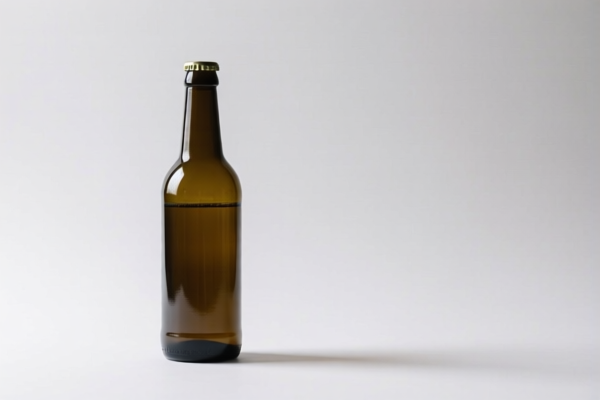
AI Analysis
🥤 Shaker Bottle (Protein Shaker / Mixing Bottle)
🌐 HS Code Reference & Customs Clearance Guide | 2026 Latest Tariff Analysis | Professional Entry Strategy
📌 I. Product Definition & Classification: What Exactly Is a "Shaker Bottle"?
The Shaker Bottle is a ubiquitous item in the fitness, sports, and wellness industry. It is designed to mix powders (protein, pre-workout) with liquids without clumps. However, in international trade, it is not a single unified product. Its classification depends entirely on material and specific design/function.
International trade customs (especially US CBP) distinguish between: 1. Plastic Shakers: The most common, lightweight, BPA-free plastic containers. 2. Ceramic/Enamel Lined Shakers: Often marketed as "premium" or "no-plastic-taste." 3. Insulated/Metal Shakers: Stainless steel or aluminum, often double-walled for temperature retention. 4. Glass/Shaker Sets: Less common but possible.
⚠️ Critical Distinction Point:
- If it is plastic → Look at Chapter 39 (Plastics).
- If it is ceramic/porcelain → Look at Chapter 69 (Ceramics).
- If it is stainless steel/aluminum → Look at Chapter 73 (Iron/Steel or Aluminum).
- Do not assume! Misclassifying a stainless steel bottle as plastic can lead to massive underpayment of duties (and penalties).
📦 II. HS Code Classification Details (2026 Latest Tariff Matrix)
Based on the provided data, here are the potential classifications for "Shaker Bottles," ranked by likelihood and cost efficiency.
| HS Code | Product Description | Material Inference | Tax Rate | Applicable Scenario |
|---|---|---|---|---|
| 3924.10.40.00 | Plastic Tableware / Kitchenware | Plastic | 13.4% | Most common shaker bottles. No material conflict. Fits "Plastic Tableware" logic. |
| 6911.10.45.00 | Ceramic/Tableware (Non-Standard) | Ceramic/Porcelain | 24.0% | Ceramic-lined or fully ceramic shakers. Fits "Mugs/Cups" logic. Lower tariff than porcelain dinnerware. |
| 6911.10.80.10 | Porcelain Tableware | Porcelain/Ceramic | 38.3% | High-end porcelain shakers. Higher base duty (20.8%) + additional tariffs. |
| 7323.93.00.60 | Steel Tableware (Kitchenware) | Stainless Steel | 62.0% | Stainless steel shakers. Note: Steel products face heavy "122 Clause" and Section 301 tariffs. |
| 7323.99.90.30 | Other Steel Tableware | Steel/Aluminum | 88.4% | Non-standard steel items. Highest tariff tier due to combined Section 301 (25%) + 122 Clause (10%) + Steel-specific add-ons. |
🔍 Key Insight:
- Plastic (3924.10.40.00) is the most cost-effective option for clearance (13.4%).
- Ceramic (6911.10.45.00) is a moderate-cost alternative (24.0%) if plastic is not feasible.
- Steel (7323.93.00.60) is expensive (62.0%) due to geopolitical trade policies. Avoid if possible for price-sensitive markets.
💰 III. 2026 Latest Tariff Rate Breakdown (Detailed Tax Clauses)
✅ Applicable Country: United States (US)
✅ Origin: China (CN)
✅ Effective Date: 2025/2026 (Current Trade Regime)
🎯 1. 3924.10.40.00 – Plastic Tableware (Recommended for Most Shakers)
This is the ideal HS Code for standard plastic shaker bottles.
| Item | Detail |
|---|---|
| Base Tariff | 3.4% |
| Section 301 (Add-on) | 0.0% |
| Section 122 Clause | 10.0% |
| Total Tariff | 13.4% |
| Calculation | CIF Value × 13.4% |
| De Minimis Eligibility | ✅ Yes (If value < $800, under Section 321, you may pay 0% duty if structured correctly). |
📌 Explanation:
- Base 3.4%: Standard US duty for plastic tableware.
- 0% Section 301: Plastic tableware is excluded from the heavy 25% Section 301 tariffs that affect many other Chinese goods.
- 10% Section 122: This is a specific surcharge on certain imported goods. It applies uniformly here.
- Result: Lowest possible tax burden for this product category.
🎯 2. 6911.10.45.00 – Ceramic Tableware (Mugs/Cups)
For shakers made of or lined with ceramic.
| Item | Detail |
|---|---|
| Base Tariff | 14.0% |
| Section 301 (Add-on) | 0.0% |
| Section 122 Clause | 10.0% |
| Total Tariff | 24.0% |
| Calculation | CIF Value × 24.0% |
| De Minimis Eligibility | ✅ Yes (Under $800, potentially duty-free). |
📌 Explanation:
- Base 14.0%: Higher than plastic because ceramic is considered a more durable/ornamental good.
- 0% Section 301: Like plastic, ceramic tableware is not subject to the 25% Section 301 penalty.
- 10% Section 122: Applies.
- Result: Moderate tax. Good if you need ceramic for flavor preservation.
🎯 3. 6911.10.80.10 – Other Porcelain/Ceramic Tableware
For higher-grade porcelain shakers.
| Item | Detail |
|---|---|
| Base Tariff | 20.8% |
| Section 301 (Add-on) | 7.5% |
| Section 122 Clause | 10.0% |
| Total Tariff | 38.3% |
| Calculation | CIF Value × 38.3% |
| De Minimis Eligibility | ❌ No (Likely higher value items). |
📌 Explanation:
- 20.8% Base: High base duty for fine porcelain.
- 7.5% Section 301: This subset of ceramic goods is subject to a partial Section 301 tariff.
- 10% Section 122: Applies.
- Result: High tax. Only use if marketing justifies the premium.
🎯 4. 7323.93.00.60 – Stainless Steel Kitchenware
For metal shaker bottles.
| Item | Detail |
|---|---|
| Base Tariff | 2.0% |
| Section 301 (Add-on) | 0.0% |
| Section 122 Clause | 10.0% |
| Steel/Aluminum Add-on | 50.0% |
| Total Tariff | 62.0% |
| Calculation | CIF Value × 62.0% |
| De Minimis Eligibility | ❌ No (Steel items often scrutinized). |
📌 Explanation:
- 2.0% Base: Low base duty.
- 50% Steel Add-on: This is the killer. Iron/Steel products from China face an additional 50% tariff under specific trade measures.
- Result: Very High Tax. Avoid unless the product sells at a very high margin.
🎯 5. 7323.99.90.30 – Other Steel Tableware
For non-standard steel shakers.
| Item | Detail |
|---|---|
| Base Tariff | 3.4% |
| Section 301 (Add-on) | 25.0% |
| Section 122 Clause | 10.0% |
| Steel/Aluminum Add-on | 50.0% |
| Total Tariff | 88.4% |
| Calculation | CIF Value × 88.4% |
| De Minimis Eligibility | ❌ No |
📌 Explanation:
- 25% Section 301: This subset is fully subject to the full 25% penalty.
- 50% Steel Add-on: Applies.
- Result: Extremely High Tax. Almost prohibitive for retail.
🛠️ IV. Customs Clearance Practical Advice (Pitfall Avoidance Guide)
✅ 1. Material Verification is Key
| Material | HS Code Recommendation | Risk if Wrong |
|---|---|---|
| Plastic | 3924.10.40.00 |
Misdeclaring steel as plastic → Underpayment of 48-75% tax + Penalties. |
| Ceramic | 6911.10.45.00 |
Misdeclaring ceramic as plastic → Same as above. |
| Stainless Steel | 7323.93.00.60 |
Misdeclaring steel as ceramic → Underpayment of 38% tax. |
🔥 Pro Tip:
Always specify the material in your commercial invoice.
Example: "100% BPA-Free Plastic Shaker Bottle" vs. "304 Stainless Steel Insulated Shaker."
✅ 2. Documentation Checklist
| Document | Required? | Purpose |
|---|---|---|
| Commercial Invoice | ✅ Yes | Clearly state material (e.g., "Polypropylene Plastic"). |
| Packing List | ✅ Yes | Weight and dimensions for duty calculation. |
| Product Photos | ✅ Yes | Show no metal parts if claiming plastic. |
| FCC Declaration | ❌ No | Shakers are passive; no electronic components. |
| FDA Compliance | ✅ Recommended | If for food contact, ensure FDA compliance statement. |
| Country of Origin | ✅ Yes | Crucial for Section 301 and 122 Clause application. |
✅ 3. De Minimis Strategy (Section 321)
🚀 Save Money with Direct-to-Consumer (DTC) Shipping!
- If shipping to individual consumers in the US:
- Under Section 321 (De Minimis), shipments valued under $800 are duty-free.
- Plastic Shakers (
3924.10.40.00) and Ceramic Shakers (6911.10.45.00) qualify. - Steel Shakers (
7323.93.00.60): While technically eligible under $800, some carriers may impose higher handling fees for "high-risk" material codes (Steel). Consult your freight forwarder.
📌 Action Item:
For B2C sales, use USPS/USPS Priority Mail International or couriers with De Minimis capabilities to bypass the 13.4%-24.0% duty entirely.
🌍 V. Global Market Comparison (2026)
| Market | Recommended HS Code | Est. Duty (China Origin) | Key Requirement |
|---|---|---|---|
| 🇺🇸 USA | 3924.10.40.00 (Plastic) |
13.4% | FDA Compliance |
| 🇪🇺 EU | 3924.10.00 (Plastic) |
4.2% | REACH Compliance |
| 🇨🇳 China | 3924.10.00.90 |
6.5% | GB Standard |
| 🇯🇵 Japan | 3924.10.00.00 |
0% | Food Safety Law |
📌 Conclusion:
- The US is the most complex due to Section 122 and potential Section 301 variations.
- Plastic is the safest and cheapest material for US clearance.
📌 VI. Common Mistakes & Pitfalls
❌ Mistake 1: Declaring a Stainless Steel shaker as "Plastic" to save tax.
👉 Consequence: Customs inspection will reveal steel. 62% duty + 25% penalty applied. Backdated taxes due.
❌ Mistake 2: Ignoring the Section 122 Clause (10%).
👉 Consequence: Underestimating landed cost. Even "low-tariff" items pay this 10%.
❌ Mistake 3: Using generic "Shaker Bottle" in HS Code description.
👉 Consequence: Customs officer may classify it under a higher-tariff "general kitchenware" code.
✅ Fix: Be specific. "Plastic Protein Shaker Bottle."
🎯 VII. Final Recommendation: How to Optimize
- Choose Plastic: If possible, source BPA-Free Plastic Shakers. HS Code
3924.10.40.00offers the lowest tax (13.4%) and no Section 301 penalty. - Use De Minimis: For B2C, ship via carriers that support Section 321 to pay $0 duty on orders under $800.
- Avoid Steel for Cost-Sensitive Lines: Unless your brand is premium, steel shakers face 62-88% tariffs. Factor this into your pricing.
- Clear Material Specs: Always list material on the invoice. Ambiguity leads to higher duty assessments.
📣 Immediate Action:
📦 For B2C: Use De Minimis shipping.
📦 For B2B: Classify as3924.10.40.00(Plastic) or6911.10.45.00(Ceramic).
🚫 Avoid:7323.99.90.30(Steel) unless you have high margins.
✨ Smart Classification = Higher Margins!
💼 Don't let tariff complexity eat your profit. Pick the right HS Code.
Customer Reviews
About HS Code Classification
The Harmonized System (HS) is an internationally standardized nomenclature developed by the World Customs Organization (WCO) to classify traded products. Over 200 countries use the HS system as the basis for customs tariffs, trade statistics, and import/export regulations.
Each HS code follows a hierarchical structure:
- Chapter (2 digits) — Broad category of goods (e.g., Chapter 84: Machinery and Mechanical Appliances)
- Heading (4 digits) — More specific grouping within the chapter
- Subheading (6 digits) — Internationally standardized breakdown, used by all WCO member countries
- National subdivisions (8-10 digits) — Country-specific extensions for further classification, such as US HTSUS 10-digit codes
Correct HS code classification is essential for smooth customs clearance, accurate duty payment, and compliance with trade regulations. Misclassification can lead to customs delays, overpayment of duties, or penalties.
When importing from CN to US, the applicable tariff rates may include:
- Most-Favored-Nation (MFN) rate — The standard duty rate applied to WTO members
- General rate — Applied to countries without trade agreements
- Trade remedy duties — Additional tariffs such as Section 301 (anti-dumping), Section 232 (national security), or countervailing duties
The information provided on this page is for reference purposes only. For official classification, please consult with your local customs authority or a licensed customs broker.