Shapewear Pants
CN → US| HS Code | Tariff Rate | Origin | Destination | Doc |
|---|---|---|---|---|
| 9021908100 | 10.0% | CN | US | Official Doc |
| 6212200020 | 37.5% | CN | US | Official Doc |
| 6212300020 | 41.0% | CN | US | Official Doc |
Product Images
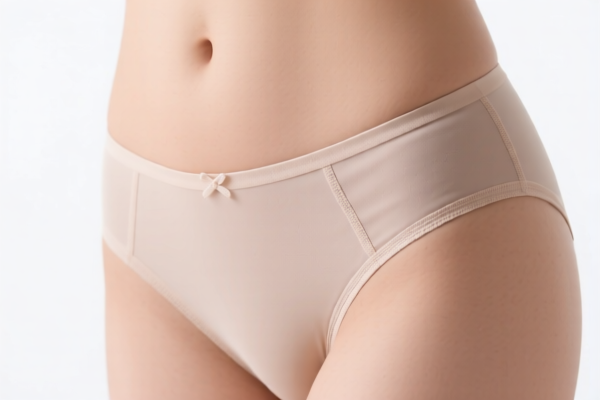
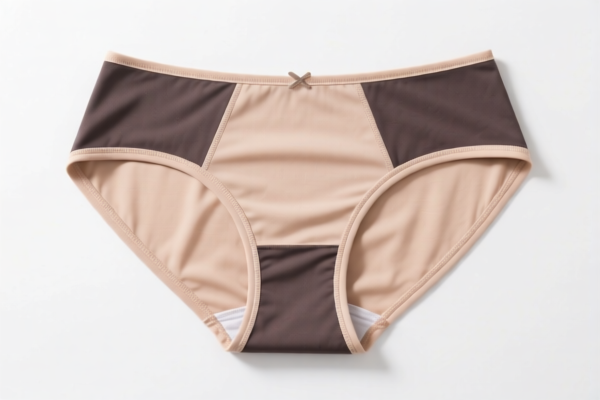
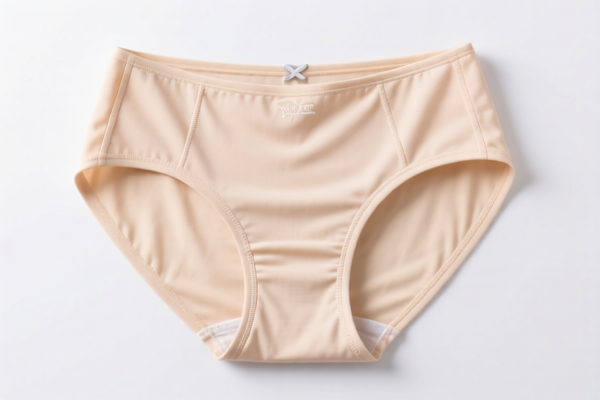
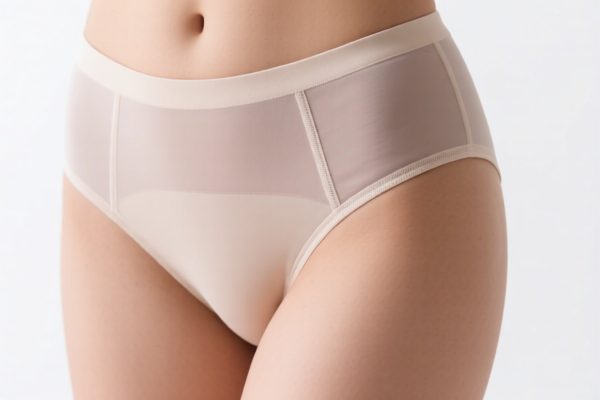
AI Analysis
👖 Shapewear Pants (High-Waist Control Top, Body Shapers)
🌐 HS Code Reference & Customs Clearance Guide | 2026 Latest Tariff Analysis | Professional-Level Customs Strategy
📌 Part 1: Product Definition & Classification: Do You Really Understand “Shapewear”?
Shapewear pants are functional garments designed to reshape the body silhouette, often used for aesthetic or medical/therapeutic purposes. In international trade, they are classified into two distinct categories based on function and material:
1. Orthopedic/Medical Support Garments:
Designed to compensate for defects, disabilities, or provide significant structural support (e.g., post-surgery garments, severe spinal supports). These fall under Chapter 90.
2. Fashion/Casual Undergarments:
Designed for aesthetic compression using synthetic fibers (nylon, spandex, polyester). These fall under Chapter 62 (if made of specific woven fabrics like those in subheading 6212) or Chapter 61 (knitted). Note: The provided data focuses on Chapter 62 interpretations.
⚠️ Key Distinction Point:
- If the primary purpose is medical compensation or disability support →归入 9021.90.81.00
- If the primary purpose is aesthetic shaping/corsetry made of man-made fibers → 归入 6212.20.00.20 or 6212.30.00.20
📦 Part 2: HS Code Classification Details (2026 Latest Tariff Authority Comparison)
| HS Code | Product Description | Application Scenario | Material Conflict? |
|---|---|---|---|
9021.90.81.00 |
Orthopedic appliances and articles, including corsets (medical/supportive) | Post-surgery wear, severe back support, disability compensation | ❌ None |
6212.20.00.20 |
Brassieres, girdles, bustiers, and similar articles (non-knitted) | Fashion body shapers, corsetry, aesthetic compression | ✅ No (Man-made fibers match) |
6212.30.00.20 |
Girdles, briefs, panty hose, tights, and similar articles (non-knitted) | High-waist control pants, shaping briefs | ✅ No (Material matches) |
🔍 Critical Reminder:
- Medical vs. Fashion: If the item is marketed as "medical" or provides structural support for a defect, 9021.90.81.00 is preferred (Lower Tax). If it is marketed as "fashion" or "slimming," it falls under 6212 (Higher Tax).
- Material Consistency: For 6212 codes, the garment must be made of man-made fibers. If it’s cotton or natural fiber, these codes may be invalid.
💰 Part 3: 2026 Latest Tariff Rate Details (Including Additional Taxes, Policy Add-ons)
✅ Applicable Country: USA (US)
✅ Country of Origin: China (CN)
✅ Effective Time: 2025-11-10 onwards (including subsequent imports)
🎯 1. 9021.90.81.00 —— Orthopedic Appliances & Supportive Articles
| Item | Content |
|---|---|
| Base Tariff | 0.0% |
| Section 301 Tariff | 0.0% |
| Section 122 Tariff | +10% |
| Total Tariff Rate | 10.0% |
| Tax Calculation | CIF Value × 10% |
| De Minimis Exemption | ❌ Not Applicable (Deny de_minimis) |
| Legal Basis Path | Base: 0.0% → 301: 0.0% → Section 122: 10.0% |
📌 Explanation:
- This is the most tax-efficient classification for shapewear.
- It applies because the goods are considered "orthopedic or supportive" in nature.
- Total burden is only 10%, significantly lower than the fashion garment categories.
- Section 122 adds 10%, but base and 301 are zeroed out for this specific subheading.
🎯 2. 6212.20.00.20 —— Brassieres, Girdles, Bustiers (Non-Knitted)
| Item | Content |
|---|---|
| Base Tariff | 20.0% |
| Section 301 Tariff | +7.5% |
| Section 122 Tariff | +10% |
| Total Tariff Rate | 37.5% |
| Tax Calculation | CIF Value × 37.5% |
| De Minimis Exemption | ❌ Not Applicable (Deny de_minimis) |
| Legal Basis Path | Base: 20.0% → 301: 7.5% → Section 122: 10.0% |
📌 Explanation:
- This code applies to "girdles" and "bustiers" (upper body shapers).
- The base tariff is high at 20%.
- Section 301 adds 7.5%, and Section 122 adds 10%.
- Total burden is 37.5%, nearly 4x higher than the orthopedic classification.
🎯 3. 6212.30.00.20 —— Panty Hose, Tights, Similar Articles (Non-Knitted)
| Item | Content |
|---|---|
| Base Tariff | 23.5% |
| Section 301 Tariff | +7.5% |
| Section 122 Tariff | +10% |
| Total Tariff Rate | 41.0% |
| Tax Calculation | CIF Value × 41.0% |
| De Minimis Exemption | ❌ Not Applicable (Deny de_minimis) |
| Legal Basis Path | Base: 23.5% → 301: 7.5% → Section 122: 10.0% |
📌 Explanation:
- This code is often used for "shaping pants" or "control top leggings" that are non-knitted.
- The base tariff is the highest at 23.5%.
- Total burden is 41.0%, the most expensive option.
- Avoid this classification if you can justify the "orthopedic/supportive" nature under9021.90.81.00.
🛠️ Part 4: Customs Clearance Practical Advice (Battle-Tested Pitfall Guide)
✅ 1. Required Documentation Checklist (Mandatory)
| Document | Must Provide | Description |
|---|---|---|
| ✅ Product Specification Sheet | ✔️ | Must clearly state "Orthopedic Support" or "Corsetry" function |
| ✅ Medical/Structural Diagram | ✔️ | Show how it supports the body/spine/defect |
| ✅ Product Photos (Labeled) | ✔️ | Highlight seams, materials, and support zones |
| ✅ Commercial Invoice | ✔️ | Clearly describe as "Orthopedic Shapewear" or "Girdle" |
| ✅ Certificate of Origin (CO) | ✔️ | Essential for origin verification |
| ✅ Packing List | ✔️ | Detail item-by-item to avoid bulk misclassification |
✅ 2. Declaration Tactics (Key Mnemonics)
🔥 “Function Defines Code, Support Lowers Tax, Fashion Pays More!”
| Scenario | Correct Declaration | Wrong Approach |
|---|---|---|
| Medical/Post-Surgery Shapewear | 9021.90.81.00 |
Misdeclare as "Lingerie" → 37.5%-41% |
| Fashion Body Shaper (Upper) | 6212.20.00.20 |
Declare as "Orthopedic" without proof → Audit Risk |
| Fashion Control Pants (Non-knit) | 6212.30.00.20 |
Declare as "Tights" (Knitted) → Code Mismatch |
| Knitted Shapewear | Not in Data | Using 6212 for knitted items → Rejection |
📌 Note: The provided data only covers non-knitted items under 6212. If your shapewear is knitted (like most leggings), these 6212 codes may be incorrect. However, based strictly on the provided
<DATA>, we focus on these three.
✅ 3. Special Handling for High-Value Claims
| Situation | Handling Advice |
|---|---|
| OEM Custom Medical Garments | Provide client order + design specs proving "compensatory function" |
| Dual-Purpose (Fashion + Support) | Argue primary purpose is support to use 9021.90.81.00 (Lower Tax) |
| Material Mismatch | Ensure invoice states "Man-Made Fiber" if using 6212 codes |
| Section 122 Impact | All codes incur 10% Section 122 tax; no exemption available |
🌍 Part 5: Global Market Comparison (2026 Latest)
| Country/Region | Recommended HS Code | Tariff | Certification | Remarks |
|---|---|---|---|---|
| 🇺🇸 USA | 9021.90.81.00 |
10% | N/A | Best for medical/supportive |
| 🇺🇸 USA | 6212.20.00.20 |
37.5% | N/A | High tax for fashion girdles |
| 🇺🇸 USA | 6212.30.00.20 |
41.0% | N/A | Highest tax for fashion pants |
| 🇨🇳 China | 6212.20.00.20 |
Low | N/A | No Section 122/301 |
| 🇪🇺 EU | 6212.20.00.20 |
12-16% | CE (if medical) | No Section 122 |
📌 Conclusion:
- USA Tariff Burden: The difference between9021(10%) and6212(37.5%-41%) is massive.
- Strategy: If your product can be justified as "orthopedic/supportive," always use9021.90.81.00.
- Risk: Misclassifying fashion items as orthopedic to save tax can lead to severe penalties.
📌 Part 6: Common Errors & Pitfall Guide (Lessons from Blood & Tears)
❌ Error 1: Declaring fashion body shapers as "Orthopedic" without proof
👉 Consequence: Customs audit → Back taxes + fines → Delay in clearance!
❌ Error 2: Using 6212.30.00.20 for knitted leggings
👉 Consequence: Code mismatch → Goods seized or returned!
(Note: Data only covers non-knitted 6212. Knitted items require Chapter 61 codes, not in this data.)
❌ Error 3: Ignoring Section 122 Tax
👉 Consequence: Unexpected 10% cost increase on ALL Chinese-origin garments → Margin erosion!
❌ Error 4: Wrong Material Declaration
👉 Consequence: If "Cotton" is declared for 6212 (Man-Made Fiber requirement) → Rejection!
✅ Correct Approach:
“Orthopedic Support Girdle, Man-Made Fiber, Non-Knitted, Model XYZ, For Post-Surgery Support”
🎯 Part 7: Conclusion: Precise Classification, Cost Optimization!
🎯 Remember the Mantra:
🔹 “Medical Support = 10% Tax, Fashion Girdle = 37.5%-41% Tax!”
🔹 “Function Defines Code, Save Thousands with Right HS!”
📌 Pro Tip:
If your shapewear is knitted (most common for pants), this data does not apply. You must check Chapter 61 codes (e.g., 6116.92.00 etc.), which have different tax structures. For non-knitted shapewear, prioritize 9021.90.81.00 for tax savings if medically justified.
📣 Immediate Action:
📞 Contact professional customs brokers + Provide product function proof
🚀 Let your shapewear clear smoothly, optimize costs, and maximize profit!
✨ Professional Customs Clearance Starts with Accurate Classification!
💼 Every cent of tax savings counts in the apparel industry!
Customer Reviews
About HS Code Classification
The Harmonized System (HS) is an internationally standardized nomenclature developed by the World Customs Organization (WCO) to classify traded products. Over 200 countries use the HS system as the basis for customs tariffs, trade statistics, and import/export regulations.
Each HS code follows a hierarchical structure:
- Chapter (2 digits) — Broad category of goods (e.g., Chapter 84: Machinery and Mechanical Appliances)
- Heading (4 digits) — More specific grouping within the chapter
- Subheading (6 digits) — Internationally standardized breakdown, used by all WCO member countries
- National subdivisions (8-10 digits) — Country-specific extensions for further classification, such as US HTSUS 10-digit codes
Correct HS code classification is essential for smooth customs clearance, accurate duty payment, and compliance with trade regulations. Misclassification can lead to customs delays, overpayment of duties, or penalties.
When importing from CN to US, the applicable tariff rates may include:
- Most-Favored-Nation (MFN) rate — The standard duty rate applied to WTO members
- General rate — Applied to countries without trade agreements
- Trade remedy duties — Additional tariffs such as Section 301 (anti-dumping), Section 232 (national security), or countervailing duties
The information provided on this page is for reference purposes only. For official classification, please consult with your local customs authority or a licensed customs broker.