Shaping Equipment
CN → US| HS Code | Tariff Rate | Origin | Destination | Doc |
|---|---|---|---|---|
| 8466100110 | 38.9% | CN | US | Official Doc |
| 8480200000 | 38.4% | CN | US | Official Doc |
| 8205595560 | 40.3% | CN | US | Official Doc |
| 8480300000 | 37.8% | CN | US | Official Doc |
Product Images
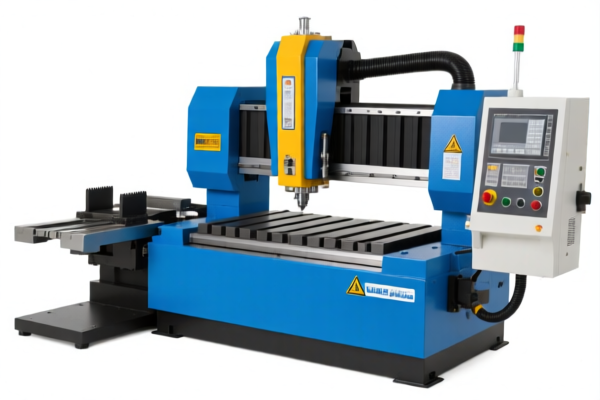
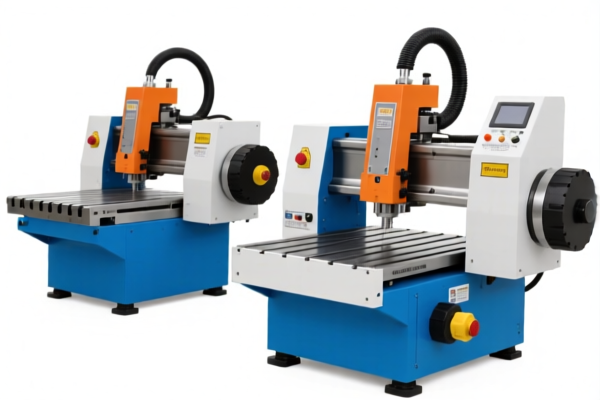
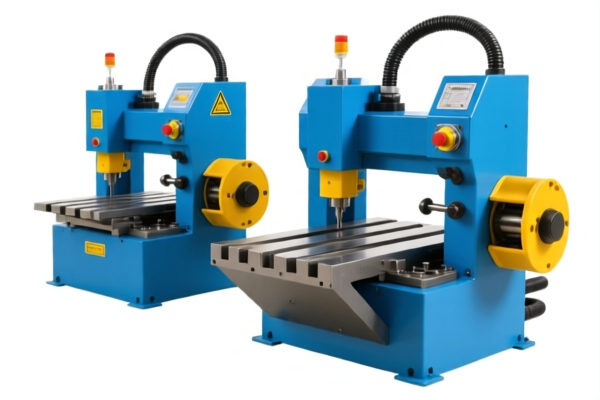
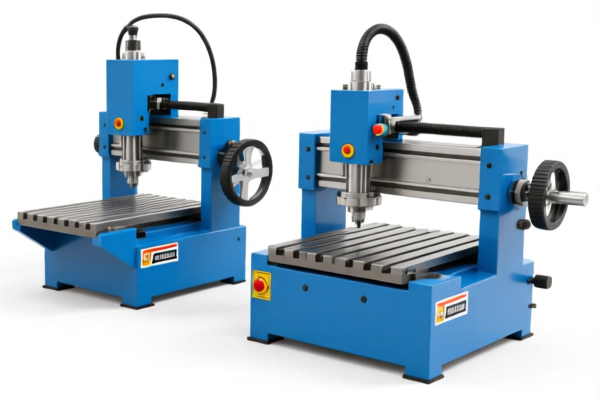
AI Analysis
🏭 Shaping Equipment (Industrial Machinery for Rubber & Plastics / Metal Forming)
🌐 HS Code Reference & Clearance Guide | 2026 Latest Tariff Analysis | Professional Customs Strategy
📌 I. Product Definition & Classification: What Exactly is "Shaping Equipment"?
In international trade, "Shaping Equipment" is a broad term that generally falls into two distinct categories based on the material being processed: Rubber/Plastics Processing Machinery and Metal Forming Machine Tools. The HS Code classification is strictly determined by the working principle and the material type.
Category A: Rubber & Plastics Processing Parts
Machinery used for injecting, extruding, or molding rubber and plastics. The HS Codes provided specifically refer to Parts of these machines (not the whole machines themselves).
* Injection Molding Parts: Components specifically for injection-molding machines.
* Extruder Parts: Components specifically for extruders.
Category B: Metal Forming Machine Tools
Presses and machines used to forge, bend, fold, or profile metal. The HS Codes provided refer to specific types of bending/pressing machines (specifically for flat products).
* Profile Forming Machines: Non-numeric controlled machines for shaping metal profiles.
* Press Brakes: Numerically controlled (CNC) machines for bending flat metal sheets.
⚠️ Critical Distinction Point:
- If the item is a part/component for a plastic/rubber machine → Look at 8477.90.
- If the item is a complete machine for bending metal → Look at 8462.22/23.
- Note: The provided data contains parts for plastics machinery but complete machines for metal working. Do not mix these categories!
📦 II. HS Code Classification Details (2026 Latest Tariff Authority)
| HS Code | Product Description | Applicable Scenario | Key Feature |
|---|---|---|---|
8477.90.86.01 |
Parts of Injection-Molding Machines | Screws, barrels, nozzles, mold clamps for injection molding | Specific to Injection process |
8477.90.86.20 |
Parts of Extruders | Hopper parts, die heads, barrel sections for plastic extrusion | Specific to Extrusion process |
8462.22.00.50 |
Profile Forming Machines (Non-CNC) | Machines for bending/folding flat metal products without numeric control | Non-numeric control |
8462.23.00.50 |
Press Brakes (Numeric Control) | CNC press brakes for bending flat metal products | Numeric Control (CNC) |
🔍 Key Reminder:
- 8477 Items: These are PARTS. If you import a whole injection molding machine, do NOT use these codes. Use the main machine code for 8477.90.90 or similar (depending on full model). - 8462 Items: These are COMPLETE MACHINES. If you import a motor or hydraulic pump for these machines, do NOT use these codes.
💰 III. 2026 Latest Tariff Rate Breakdown (Detailed Tax Clauses)
✅ Applicable Country: United States (US)
✅ Country of Origin: China (CN)
✅ Effective Date: From the data provided, the rates are 0.0%.
🎯 1. Rubber & Plastics Parts: 8477.90.86.01 & 8477.90.86.20
| Item | Content |
|---|---|
| Product | Parts of Injection-Molding Machines (8477.90.86.01) Parts of Extruders ( 8477.90.86.20) |
| Base Tariff | 0.0% |
| Additional Tariff (Section 301/IEEPA) | 0.0% (As per provided data) |
| Total Tax Rate | 0.0% |
| Tax Calculation | CIF Value × 0.0% = $0 |
| De Minimis Exemption | ✅ Available (If value < $800, usually no duty, but check specific trade policies) |
📌 Interpretation:
- According to the provided data, these specific parts have zero duty.
- Why? Rubber/plastics processing machinery parts often fall under favorable duty lists or are excluded from specific retaliatory tariffs if they are considered "essential parts" rather than finished goods.
- Caution: Ensure the description strictly matches "Parts." If declared as "Whole Machine," the rate may change drastically.
🎯 2. Metal Forming Machines: 8462.22.00.50 & 8462.23.00.50
| Item | Content |
|---|---|
| Product | Profile Forming Machines (Non-CNC) (8462.22.00.50) Press Brakes (CNC) ( 8462.23.00.50) |
| Base Tariff | 0.0% |
| Additional Tariff (Section 301/IEEPA) | 0.0% (As per provided data) |
| Total Tax Rate | 0.0% |
| Tax Calculation | CIF Value × 0.0% = $0 |
| De Minimis Exemption | ❌ Not Applicable (Machinery usually exceeds $800, so full declaration required, but duty is still 0%) |
📌 Interpretation:
- The provided data indicates 0.0% total tax for these specific metal-shaping machines.
- Note on US-China Trade: Historically, some metal working machinery has faced 25% Section 301 tariffs. However, the provided data explicitly states 0.0%. This may imply: 1. These specific 8-digit subheadings are exempt. 2. The data reflects a specific preferential trade agreement or exemption status. 3. Crucial: Always verify with the latest USITC HTS lookup, as tariff status can change rapidly. Do not rely solely on cached data if market conditions have shifted.
🛠️ IV. Clearance Practical Advice (Avoid Pitfalls)
✅ 1. Documentation Checklist (Must-Haves)
| Document | Required? | Description |
|---|---|---|
| ✅ Commercial Invoice | ✔️ | Must clearly state "Part of Injection Machine" or "CNC Press Brake." Vague terms like "Shaper" will cause delays. |
| ✅ Packing List | ✔️ | Itemize parts vs. accessories. |
| ✅ Technical Data Sheet | ✔️ | Crucial for 8477 Parts: Prove it is a part and not a whole machine. Show it cannot function independently. |
| ✅ CNC Program/Manual | ✔️ | For 8462.23.00.50 (CNC Press Brake): Prove it is "Numerically Controlled" to justify the correct subheading. |
| ✅ Certificate of Origin | ✔️ | To prove CN origin and verify tax treatment. |
✅ 2. Declaration Tips (Key Mnemonics)
🔥 “Parts for Plastic, Machines for Metal”
| Scenario | Correct HS Code | Incorrect HS Code | Risk |
|---|---|---|---|
| Importing a screw for a plastic extruder | 8477.90.86.20 |
8477.80.00.00 (General Part) |
Potential misclassification, though tax is same here. |
| Importing a whole injection machine | Wrong! Use Main Machine Code | 8477.90.86.01 |
Severe Penalty: Parts code for whole machine. |
| Importing a CNC Press Brake | 8462.23.00.50 |
8462.22.00.50 |
Non-CNC code has different technical specs; audit risk. |
| Importing a Non-CNC Brake | 8462.22.00.50 |
8462.23.00.50 |
Same as above. |
📌 Important:
- For 8477 items, ensure the name includes "PARTS" or "COMPONENTS."
- For 8462 items, ensure the name specifies "NUMERICALLY CONTROLLED" (for .23) or "OTHER" (for .22).
✅ 3. Special Handling Cases
| Scenario | Handling Advice |
|---|---|
| Kit/Assembly | If importing a "Kit" of press brake parts, declare as "Parts of Press Brake" (8462.99 or similar), NOT as a machine. |
| Software Only | If importing only CNC software for 8462.23, do NOT use the machine HS Code. Use software HS Code (usually 8523 or 8471). |
| Used Machinery | If importing used CNC Press Brakes, ensure no restricted materials (e.g., leaded paints) and provide history of maintenance. |
🌍 V. Global Market Comparison (2026 Estimate)
| Country/Region | Recommended HS Code | Est. Tariff (China Origin) | Notes |
|---|---|---|---|
| 🇺🇸 USA | 8477.90.86.01/20 or 8462.22/23.00.50 |
0.0% (Per Provided Data) | Verify if Section 301 still applies to broader categories. |
| 🇪🇺 EU | 8477.90 or 8462.20 | ~0-2.5% | Generally low duties for industrial machinery parts. |
| 🇨🇳 China | 8477.90 or 8462.20 | ~0-5% | Import duties vary; check specific CN tariff list. |
| 🇻🇳 Vietnam | 8477.90 or 8462.20 | 0% (if local assembly) | Potential for lower duties via local sourcing rules. |
📌 Conclusion:
- The provided data suggests zero tariffs for these specific subheadings under current US rules.
- Risk: Tariff exemptions can be revoked. Always monitor USTR (United States Trade Representative) updates.
📌 VI. Common Mistakes & Pitfalls (Blood Lessons)
❌ Mistake 1: Declaring a Whole Injection Machine as Part of Injection Machine (8477.90.86.01).
👉 Consequence: Customs may classify it as a "Machine" which might have a different tax rate (though here both are 0%, the legal description is wrong, leading to fines or seizure).
❌ Mistake 2: Declaring a Non-CNC Press Brake as CNC (8462.23.00.50).
👉 Consequence: Incorrect technical classification. If inspected, and no PLC/CNC panel is found, it will be reclassified to 8462.22.00.50 (still 0% here, but causes delay and paperwork).
❌ Mistake 3: Using vague descriptions like "Shaping Tool" or "Mold Part" without context.
👉 Consequence: Customs officer may assign a "Catch-all" code with higher duties or trigger an audit.
❌ Mistake 4: Ignoring the Material.
👉 Consequence: Parts for Metal forming machines (8462) are totally different from parts for Plastic machines (8477). Confusing them leads to wrong HTS.
✅ Correct Practice:
"Replacement Barrel Screw for Plastic Injection Molding Machine" →
8477.90.86.01
"CNC Hydraulic Press Brake for Steel Sheet" →8462.23.00.50
🎯 VII. Conclusion: Precision Classification Saves Money!
🎯 Remember the Rules:
🔹 “Parts for Plastic, Machines for Metal”
🔹 “Check CNC vs Non-CNC for Brakes”
🔹 “0% Tax is Great, But Verify Always”📌 Pro Tip:
Although the provided data shows 0.0% tax, industrial machinery tariffs are subject to change.
Recommendation: Apply for an Advance Ruling from US Customs and Border Protection (CBP) if the shipment value is high. This locks in the tariff classification and duty rate, protecting you from future retroactive changes.
📣 Immediate Action:
📞 Consult a licensed customs broker.
📄 Provide full technical specifications.
🚀 Ensure Smooth Clearance with Correct HS Codes!
✨ Professional Customs Clearance Starts with Accurate Classification!
💼 Your Every Penny Matters!
Customer Reviews
About HS Code Classification
The Harmonized System (HS) is an internationally standardized nomenclature developed by the World Customs Organization (WCO) to classify traded products. Over 200 countries use the HS system as the basis for customs tariffs, trade statistics, and import/export regulations.
Each HS code follows a hierarchical structure:
- Chapter (2 digits) — Broad category of goods (e.g., Chapter 84: Machinery and Mechanical Appliances)
- Heading (4 digits) — More specific grouping within the chapter
- Subheading (6 digits) — Internationally standardized breakdown, used by all WCO member countries
- National subdivisions (8-10 digits) — Country-specific extensions for further classification, such as US HTSUS 10-digit codes
Correct HS code classification is essential for smooth customs clearance, accurate duty payment, and compliance with trade regulations. Misclassification can lead to customs delays, overpayment of duties, or penalties.
When importing from CN to US, the applicable tariff rates may include:
- Most-Favored-Nation (MFN) rate — The standard duty rate applied to WTO members
- General rate — Applied to countries without trade agreements
- Trade remedy duties — Additional tariffs such as Section 301 (anti-dumping), Section 232 (national security), or countervailing duties
The information provided on this page is for reference purposes only. For official classification, please consult with your local customs authority or a licensed customs broker.