Sheepskin Clothing Material Skin Only
CN → US| HS Code | Tariff Rate | Origin | Destination | Doc |
|---|---|---|---|---|
| 4303900000 | 35.0% | CN | US | Official Doc |
| 4303100060 | 39.0% | CN | US | Official Doc |
Product Images
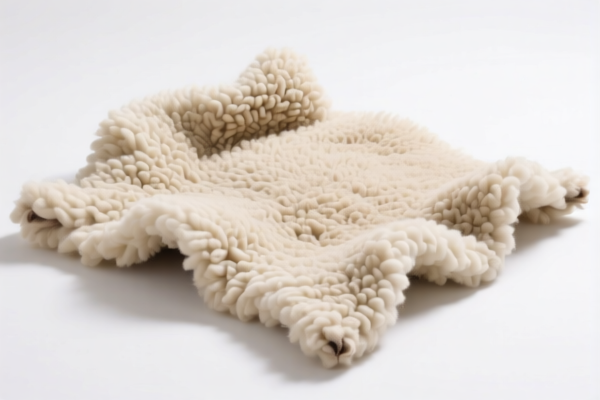
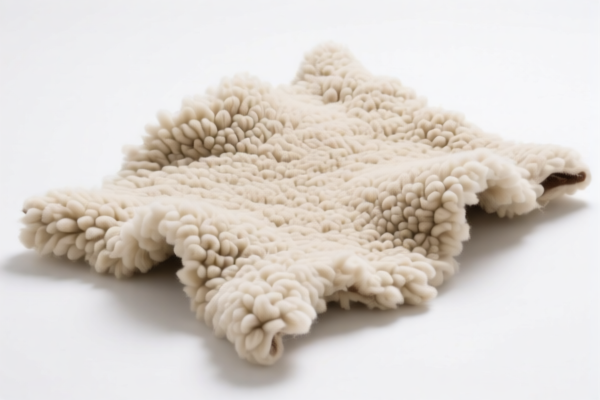
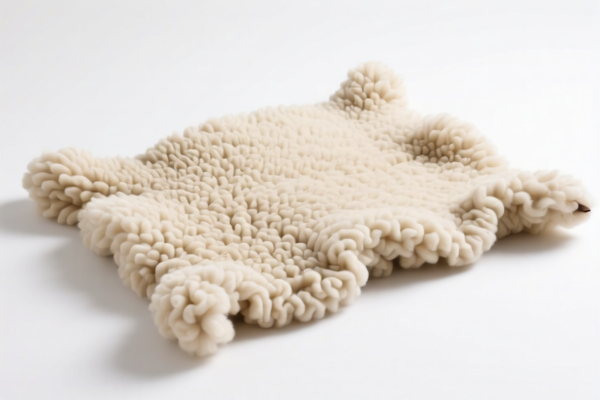
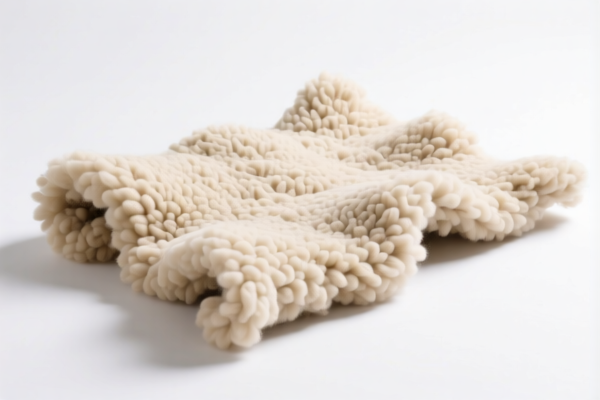
AI Analysis
🐑 Sheepskin Clothing (Skin Only / Unfinished)
🌐 HS Code Reference & Customs Clearance Guide | 2026 Latest Tariff Analysis | Professional Clearance Strategy
📌 I. Product Definition & Classification: What is "Sheepskin Clothing (Skin Only)"?
In international trade, "Sheepskin clothing material skin only" refers to raw or tanned sheepskins/furskins that are intended for the manufacture of apparel, but are not yet assembled into finished garments. These are typically flat pelts, sometimes dyed or dyed-and-finished, but not sewn into coats, jackets, vests, or other apparel items.
This is a critical distinction: * Finished Apparel: Sewn garments (coats, jackets, hats, gloves) → Classified under 4303.10 * Raw/Tanned Skins Only: Unassembled pelts, skins, or fur pieces → Classified under 4303.90
⚠️ Key Differentiator:
- If the item is cut and sewn into a specific garment shape (e.g., a finished coat) → 4303.10
- If the item is flat skins, pelts, or fur pieces not yet assembled into apparel → 4303.90
- Even if dyed, softened, or trimmed, if it is not sewn into a wearable garment, it falls under 4303.90.
📦 II. HS Code Classification Details (2026 Latest Tariff Authority Comparison)
| HS Code | Product Description | Applicable Scenario | Is it Finished Apparel? |
|---|---|---|---|
4303.90.00.00 |
Articles of apparel, clothing accessories and other articles of furskin: Other | Raw/tanned sheepskins, fur pelts, fur pieces for manufacturing | ❌ No (Skin only) |
4303.10.00.60 |
Articles of apparel, clothing accessories and other articles of furskin: Articles of apparel and clothing accessories Other | Finished sheepskin coats, jackets, vests, gloves, hats | ✅ Yes (Finished apparel) |
🔍 Critical Reminder:
- "Skin only" items must be declared as4303.90.00.00.
- Declaring raw skins as finished apparel (4303.10.00.60) is a misclassification and may lead to audits, penalties, or delayed clearance.
- Even if the skins are dyed, tanned, or processed for aesthetic purposes, they remain "Other" under 4303.90 unless sewn into a wearable item.
💰 III. 2026 Latest Tariff Rate Breakdown (Including Additional Duties, Policy Surcharges)
✅ Applicable Country: United States (US)
✅ Origin: China (CN)
✅ Effective Date: November 10, 2025 onwards
🎯 1. 4303.90.00.00 —— Sheepskin/Fur Skins Only (Not Finished Apparel)
| Item | Content |
|---|---|
| Base Tariff Rate | 0% (ad valorem) |
| Additional Tariff (Section 301) | +25% (from USITC Footnote 9903.88.01) |
| Total Tariff Rate | 25.0% |
| Tariff Calculation | CIF Value × 25% |
| De Minimis Exemption Eligible | ❌ No (deny_de_minimis) |
| Legal Basis Path | USITC:4303.90.00.00 → FOOTNOTE:9903.88.01 |
📌 Explanation:
- The 0% base rate applies to "Other" articles of furskin, including raw/tanned skins.
- The +25% additional tariff is imposed under Section 301 of the Trade Act on Chinese-origin goods in this category.
- Total effective rate: 25%. This is significantly lower than the 29% applied to finished apparel (4303.10.00.60).
- No de minimis exemption: Shipments valued under $800 cannot bypass this tariff.
🎯 2. 4303.10.00.60 —— Finished Sheepskin Apparel (For Comparison)
| Item | Content |
|---|---|
| Base Tariff Rate | 4.0% (ad valorem) |
| Additional Tariff (Section 301) | +25% (from USITC Footnote 9903.88.01) |
| Total Tariff Rate | 29.0% |
| Tariff Calculation | CIF Value × 29% |
| De Minimis Exemption Eligible | ❌ No (deny_de_minimis) |
| Legal Basis Path | USITC:4303.10.00.60 → FOOTNOTE:9903.88.01 |
📌 Note:
- Finished sheepskin apparel incurs a higher total tariff (29%) compared to skins-only (25%).
- This is a 4% difference in favor of declaring items as "skins only" if they are not yet finished.
- Do not misclassify finished apparel as skins-only to save costs; this is illegal and risks severe penalties.
🛠️ IV. Customs Clearance Practical Advice (Battlefield Pitfall Avoidance Guide)
✅ 1. Document Preparation Checklist (All Required)
| Document | Mandatory | Description |
|---|---|---|
| ✅ Product Specification Sheet | ✔️ | Must specify: Type of skin (sheep), tanning process, dyeing status, dimensions, intended use (for apparel manufacturing) |
| ✅ Photos of the Product | ✔️ | Clear images showing flat pelts, not sewn garments. Label as "Raw/Tanned Sheepskins – Not Finished Apparel" |
| ✅ Commercial Invoice | ✔️ | Must clearly state: "Sheepskin Skins Only, For Apparel Manufacturing, Not Finished Garments" |
| ✅ Packing List | ✔️ | List quantity of skins, weight, and dimensions. Avoid terms like "coat," "jacket," or "finished apparel" |
| ✅ Certificate of Origin (CO) | ✔️ | If non-Chinese origin, may qualify for reduced tariffs. For China, confirms CN origin for Section 301 applicability |
| ✅ Manufacturing Process Description | ✔️ | Explain tanning, dyeing, and cutting processes. Clarify that items are not assembled into wearable products |
✅ 2. Declaration Tips (Key Mantra)
🔥 "Skins Flat, Not Sewn, Declare 90, Save 4%!"
| Scenario | Correct Declaration | Wrong Declaration |
|---|---|---|
| Raw/Tanned Sheepskins (Flat) | 4303.90.00.00 |
4303.10.00.60 → 29% vs 25% |
| Finished Sheepskin Coat | 4303.10.00.60 |
4303.90.00.00 → Misclassification Penalty |
| Sheepskin Pieces (Cut but Not Sewn) | 4303.90.00.00 |
4303.10.00.60 → Risk of Audit |
| Sheepskin Hat (Finished) | 4303.10.00.60 |
4303.90.00.00 → Illegal |
✅ 3. Special Cases Handling
| Scenario | Handling Advice |
|---|---|
| Dyed/Tanned Skins | Still classified under 4303.90.00.00 if not sewn. Declare as "Dyed Sheepskins, For Apparel Manufacturing" |
| Skins with Labels/Tags | If tags indicate "Ready to Wear" or include size/branding, customs may reclassify as finished apparel. Avoid such labels if declaring as skins |
| Mixed Shipments | If skins and finished apparel are in the same shipment, declare separately. Do not mix to avoid audit |
| OEM for Foreign Brands | Provide purchase order and design specs to prove items are raw materials, not finished goods |
🌍 V. Global Market Clearance Comparison (2026 Latest)
| Country/Region | Recommended HS Code | Tariff (China Origin) | Certification Requirements | Notes |
|---|---|---|---|---|
| 🇺🇸 USA | 4303.90.00.00 |
25% (Section 301) | None | 29% for finished apparel |
| 🇨🇳 China | 4303.90.00.00 |
0% (Import) | None | No additional tariffs |
| 🇪🇺 EU | 4303.90.00.00 |
0% (if CITES compliant) | CITES, REACH | Strict wildlife trade regulations |
| 🇬🇧 UK | 4303.90.00.00 |
0% | None | Post-Brexit rules apply |
| 🇦🇺 Australia | 4303.90.00.00 |
5% | None | No additional tariffs |
| 🇯🇵 Japan | 4303.90.00.00 |
0% | None | No additional tariffs |
📌 Conclusion:
- USA is the only major market imposing significant additional tariffs (25%) on Chinese-origin sheepskins;
- EU and UK require CITES compliance for certain wild animal skins, but sheepskins (domestic) are generally exempt;
- Other markets have no or minimal additional tariffs, making USA the most expensive entry point.
📌 VI. Common Mistakes & Pitfall Avoidance (Blood & Tears Lessons)
❌ Mistake 1: Declaring finished sheepskin coats as "skins only" to avoid the 29% tariff
👉 Consequence: Customs reclassification, 25% tariff applied, plus potential fraud penalties and shipment delay.
❌ Mistake 2: Mixing raw skins with finished apparel in one shipment
👉 Consequence: Entire shipment audited, delayed clearance, possible rejection.
❌ Mistake 3: Using vague descriptions like "fur material" without specifying "skin only"
👉 Consequence: Customs ambiguity, manual review, additional duties imposed due to lack of clarity.
❌ Mistake 4: Ignoring CITES requirements for wild animal skins (e.g., wild sheep)
👉 Consequence: Seizure of goods, fines, and potential criminal charges in EU/UK.
✅ Correct Declaration Example:
"Sheepskin Pelts, Tanned and Dyed, Flat, For Apparel Manufacturing, Not Finished Garments, HS 4303.90.00.00, Origin: China"
🎯 VII. Conclusion: Precise Declaration, Cost Savings, Risk Mitigation!
🎯 Remember the Mantra:
🔹 "Skins Flat, Declare 90, Save 4% vs 29%!
🔹 "Finished? Declare 10, Or Face 29% & Penalties!**"
📌 Pro Tip:
If your sheepskins are originating from Vietnam, Bangladesh, India, or Turkey, they may not be subject to Section 301 additional tariffs (25%). Verify origin carefully to reduce tariffs from 25% to 0% (USA) or minimal rates in other markets.
Apply for a Binding Ruling (Advance Ruling) from US CBP to confirm HS Code classification before shipment.
📣 Immediate Action:
📞 Consult a Licensed Customs Broker
📄 Provide Product Photos + Specifications
🚀 Apply for HS Code Pre-Ruling
✅ Ensure Your Declaration Matches Reality: "Skin Only, Not Finished"
✨ Professional Clearance Starts with Accurate Classification!
💼 Your Cost Savings Are Calculated Down to the Cent!
Customer Reviews
About HS Code Classification
The Harmonized System (HS) is an internationally standardized nomenclature developed by the World Customs Organization (WCO) to classify traded products. Over 200 countries use the HS system as the basis for customs tariffs, trade statistics, and import/export regulations.
Each HS code follows a hierarchical structure:
- Chapter (2 digits) — Broad category of goods (e.g., Chapter 84: Machinery and Mechanical Appliances)
- Heading (4 digits) — More specific grouping within the chapter
- Subheading (6 digits) — Internationally standardized breakdown, used by all WCO member countries
- National subdivisions (8-10 digits) — Country-specific extensions for further classification, such as US HTSUS 10-digit codes
Correct HS code classification is essential for smooth customs clearance, accurate duty payment, and compliance with trade regulations. Misclassification can lead to customs delays, overpayment of duties, or penalties.
When importing from CN to US, the applicable tariff rates may include:
- Most-Favored-Nation (MFN) rate — The standard duty rate applied to WTO members
- General rate — Applied to countries without trade agreements
- Trade remedy duties — Additional tariffs such as Section 301 (anti-dumping), Section 232 (national security), or countervailing duties
The information provided on this page is for reference purposes only. For official classification, please consult with your local customs authority or a licensed customs broker.