Sheepskin Leather
CN → US| HS Code | Tariff Rate | Origin | Destination | Doc |
|---|---|---|---|---|
| 4102103000 | 12.0% | CN | US | Official Doc |
| 4102293000 | 19.5% | CN | US | Official Doc |
| 4301300000 | 10.0% | CN | US | Official Doc |
| 4301900000 | 10.0% | CN | US | Official Doc |
Product Images
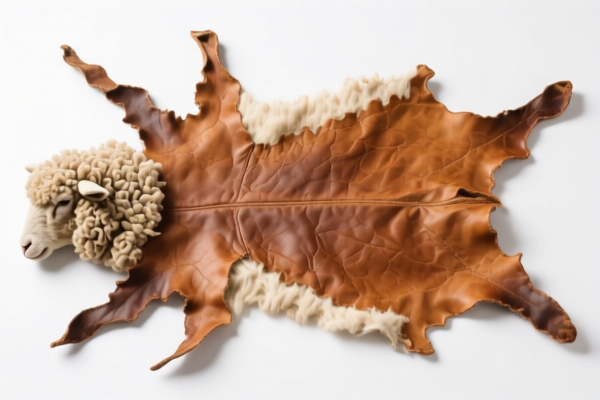
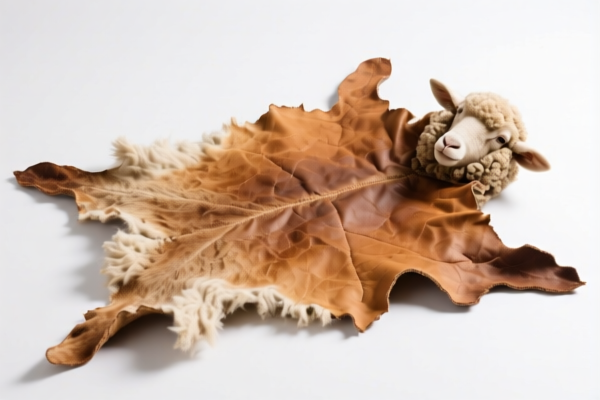
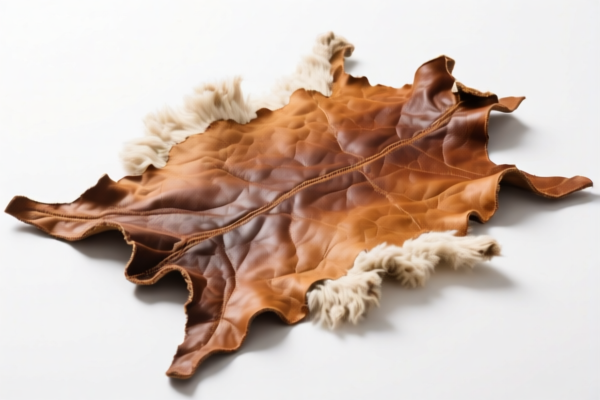
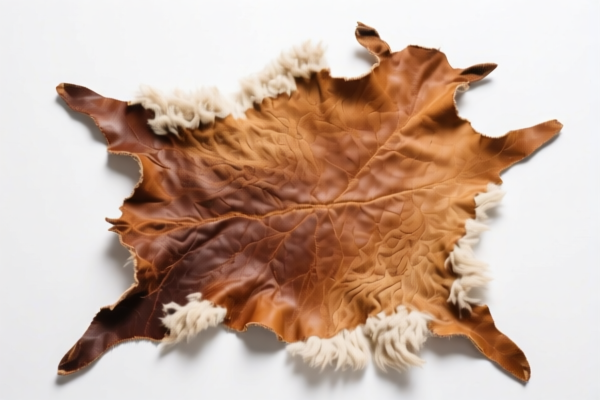
AI Analysis
🐑 Sheepskin Leather: HS Code Classification & Customs Clearance Guide (US Market)
🌐 HS Code Reference & Customs Strategy | 2026 Tariff Analysis | Professional Clearance Protocol
📌 I. Product Definition: What is "Sheepskin" in International Trade?
Sheepskin leather is a versatile raw material used in the manufacturing of apparel, footwear, gloves, and upholstery. In international trade, its classification depends strictly on its processing state and intended use.
Key Distinctions: 1. Raw/Hide State (Un-tanned): Freshly slaughtered skins or those merely salted/dried, not yet converted into leather. These fall under Chapter 41. 2. Fur/Skin State (Tanned/Preserved): Skins that have been tanned, dressed, or prepared for furriers or leather goods manufacturers. These often fall under Chapter 43 (if classified as fur skins) or remain in Chapter 41 if classified as specific leather types.
⚠️ Critical Classification Point:
- If the sheepskin is raw, un-tanned, or merely dried/salted → It is typically classified as a Raw Hide (Chapter 41).
- If the sheepskin is tanned, dressed, or intended for fur trade → It may be classified as Fur Skin (Chapter 43).
📦 II. HS Code Classification Details (Based on Provided Data)
| HS Code | Product Description | Matching Logic | Total Tax Rate | Tax Breakdown |
|---|---|---|---|---|
4102.10.30.00 |
Raw Sheepskin | Direct match: Name corresponds to material; fits characteristics of raw hides/skins. | 12.0% | Base: 2.0% Additional (Sec 122): 10% |
4102.29.30.00 |
Raw Sheep/Lamb Skin | Specific raw hide of sheep or lamb, un-tanned. | 19.5% | Base: 2.0% Section 301: 7.5% Additional (Sec 122): 10% |
4301.30.00.00 |
Lamb Skin/Fur Skin | Classified as a fur skin (lamb/sheep), fitting the furrier's skin category. | 10.0% | Base: 0.0% Additional (Sec 122): 10% |
4301.90.00.00 |
Other Fur Skins | General category for fur skins used by furriers, not specifically lamb. | 10.0% | Base: 0.0% Additional (Sec 122): 10% |
🔍 Key Insight:
- Raw Skins (Ch. 41) attract Base Tariffs (2%) plus various US-imposed additional tariffs.
- Fur Skins (Ch. 43) have 0% Base Tariff but still face the Section 122 Additional Tariff (10%).
- The total tax burden varies from 10.0% to 19.5% depending on the exact HS code chosen.
💰 III. 2026 Tariff Rate Detailed Analysis
✅ Applicable Country: United States (US)
✅ Origin: China (CN) (Assumed based on typical "Section 301" and "Section 122" context in provided data)
✅ Effective Time: Current regulations apply.
🎯 1. 4102.10.30.00 – Raw Sheepskin (General)
| Item | Details |
|---|---|
| Base Tariff | 2.0% |
| Section 122 Tariff | +10.0% (Applied to specific raw hides/skins) |
| Total Tax Rate | 12.0% |
| Tax Calculation | CIF Value × 12% |
| De Minimis Exemption | ❌ Not Eligible (Section 122 tariffs typically negate de minimis relief) |
| Legal Basis | Harmonized Tariff Schedule (HTS) 4102.10.30 + Section 122 Enforcement |
📌 Explanation:
- The 2.0% is the standard Most Favored Nation (MFN) rate for raw sheepskins.
- The 10% is an additional duty under Section 122 of the Trade Expansion Act, targeting specific raw materials.
- Total: 12.0%. This is a moderate burden compared to other raw materials.
🎯 2. 4102.29.30.00 – Raw Sheep/Lamb Skin (Specific)
| Item | Details |
|---|---|
| Base Tariff | 2.0% |
| Section 301 Tariff | +7.5% (China-specific additional duty) |
| Section 122 Tariff | +10.0% |
| Total Tax Rate | 19.5% |
| Tax Calculation | CIF Value × 19.5% |
| De Minimis Exemption | ❌ Not Eligible |
| Legal Basis | HTS 4102.29.30 + Section 301 (List 4A/Other) + Section 122 |
📌 Warning:
- This code incurs the highest tax rate (19.5%) due to the combination of Section 301 (geopolitical trade tariff) and Section 122.
- Avoid this classification if possible, unless the product strictly fits the definition of "raw sheep/lamb skin" under this specific subheading.
🎯 3. 4301.30.00.00 – Lamb Skin (Fur Classification)
| Item | Details |
|---|---|
| Base Tariff | 0.0% |
| Section 301 Tariff | 0.0% (No Section 301 duty on this fur category) |
| Section 122 Tariff | +10.0% |
| Total Tax Rate | 10.0% |
| Tax Calculation | CIF Value × 10% |
| De Minimis Exemption | ❌ Not Eligible |
| Legal Basis | HTS 4301.30 + Section 122 |
📌 Advantage:
- 0% Base Tariff makes this significantly cheaper than raw hides.
- Only the 10% Section 122 tariff applies.
- Ideal for: Lamb pelts intended for furrier use or specific leather goods where classification as "fur skin" is justified.
🎯 4. 4301.90.00.00 – Other Fur Skins
| Item | Details |
|---|---|
| Base Tariff | 0.0% |
| Section 301 Tariff | 0.0% |
| Section 122 Tariff | +10.0% |
| Total Tax Rate | 10.0% |
| Tax Calculation | CIF Value × 10% |
| De Minimis Exemption | ❌ Not Eligible |
| Legal Basis | HTS 4301.90 + Section 122 |
📌 Note:
- Similar to4301.30.00.00, this code offers a 10% total tax rate.
- Use this if the sheepskin does not qualify as "lamb skin" specifically but is still considered a fur skin.
🛠️ IV. Customs Clearance Practical Advice
✅ 1. Preparation Checklist (Essential Documents)
| Document | Required? | Notes |
|---|---|---|
| Commercial Invoice | ✔️ | Must clearly state "Sheepskin," "Raw/Fur," and HS Code. |
| Packing List | ✔️ | Detail weight, number of skins, and packaging type. |
| Product Description | ✔️ | Specify if "Un-tanned," "Salted," "Tanned," or "Fur Ready." |
| Photos of Goods | ✔️ | Show texture, markings, and condition (raw vs. dressed). |
| Certificate of Origin | ✔️ | Proves origin (China) to confirm applicability of Section 301/122. |
| Treatment Certificate | ✔️ | If raw, proof of salting/drying process to confirm "raw hide" status. |
✅ 2. Classification Strategy & Tips
🔥 Golden Rule:
"Raw Hides = Chapter 41 (Higher Tax) | Fur Skins = Chapter 43 (Lower Tax)"
| Scenario | Recommended HS Code | Tax Rate | Reason |
|---|---|---|---|
| Raw, un-tanned sheepskins | 4102.10.30.00 |
12.0% | General raw hide classification. |
| Raw sheep/lamb skins (specific) | 4102.29.30.00 |
19.5% | Avoid if possible due to Section 301. |
| Tanned/Dressed lamb pelts (fur trade) | 4301.30.00.00 |
10.0% | Best Option if qualifies as fur skin. |
| Other fur skins (non-lamb) | 4301.90.00.00 |
10.0% | Alternative if 4301.30 doesn't apply. |
📌 Critical Tip:
- If the sheepskin has been tanned or dressed, it cannot be classified under Chapter 41 (Raw Hides). It must go to Chapter 43 (Fur Skins) or Chapter 41 (Leather, if tanned for leather use).
- Misclassification Risk: Declaring tanned leather as "raw hide" to avoid Section 301 is fraudulent and will lead to seizures, fines, and blacklisting.
✅ 3. Special Considerations
| Issue | Solution |
|---|---|
| Section 122 Application | Applies to all sheepskins in this dataset. No exemption. |
| De Minimis (Section 321) | Not Available. Section 122 tariffs negate the $800 de minimis exemption for these goods. |
| Origin Labeling | Must clearly mark "Made in China" if applicable. |
| Animal Health Certificates | Required for raw hides to prove freedom from Foot-and-Mouth Disease and other diseases. |
🌍 V. Market Comparison & Strategy
| Market | Recommended HS Code | Estimated Tax | Notes |
|---|---|---|---|
| 🇺🇸 United States | 4301.30.00.00 |
10.0% | Best balance of low base tariff and manageable additional duties. |
| 🇨🇳 China (Import) | Varies | Varies | Different tariff schedule; likely lower for raw hides. |
| 🇪🇺 European Union | 4103/4301 | 0-5% | No Section 122/301. Check for anti-dumping duties. |
📌 Conclusion:
- For US Imports, Chapter 43 (4301.30.00.00) is the most cost-effective if the product qualifies as a fur skin.
- If it is strictly a raw hide,4102.10.30.00(12.0%) is preferable to4102.29.30.00(19.5%).
- Always verify the processing state (raw vs. tanned/dressed) with your supplier.
📌 VI. Common Mistakes & Pitfalls (Learn from Others' Errors)
❌ Mistake 1: Classifying tanned leather as raw hide to avoid higher taxes.
👉 Consequence: Customs seizure, fines, and potential criminal charges.
❌ Mistake 2: Assuming de minimis ($800) applies to Section 122 goods.
👉 Consequence: Duty evasion detection, delayed shipments, and back-taxes.
❌ Mistake 3: Using vague descriptions like "Leather Goods" without specifying "Sheepskin" or "Raw/Fur."
👉 Consequence: Customs reclassification to highest duty rate + penalties.
✅ Best Practice:
"Lamb Pelts, Un-tanned, Salted, for Fur Manufacturing, Origin: China, HS: 4301.30.00.00"
🎯 VII. Conclusion: Optimize Your Clearance Strategy
🎯 Key Takeaways:
🔹 Chapter 43 (Fur) = 10% Total Tax (0% Base + 10% Sec 122)
🔹 Chapter 41 (Raw Hide) = 12-19.5% Total Tax (2% Base + 7.5-10% Additional)
🔹 De Minimis Exemption = NOT Available for these goods.
📌 Pro Tip:
If your sheepskin is dressed or tanned for fur use, insist on
4301.30.00.00. This saves you 2.5% - 9.5% in taxes compared to raw hide classifications. Always consult a licensed customs broker to confirm the exact physical state of your goods.
📣 Immediate Action:
📞 Contact a customs broker with product photos.
📝 Request a Pre-Ruling if importing high volumes.
🚀 Ensure accurate documentation to avoid delays and extra costs.
✨ Precision in Classification = Savings in Costs!
💼 Your supply chain efficiency depends on these details!
Customer Reviews
About HS Code Classification
The Harmonized System (HS) is an internationally standardized nomenclature developed by the World Customs Organization (WCO) to classify traded products. Over 200 countries use the HS system as the basis for customs tariffs, trade statistics, and import/export regulations.
Each HS code follows a hierarchical structure:
- Chapter (2 digits) — Broad category of goods (e.g., Chapter 84: Machinery and Mechanical Appliances)
- Heading (4 digits) — More specific grouping within the chapter
- Subheading (6 digits) — Internationally standardized breakdown, used by all WCO member countries
- National subdivisions (8-10 digits) — Country-specific extensions for further classification, such as US HTSUS 10-digit codes
Correct HS code classification is essential for smooth customs clearance, accurate duty payment, and compliance with trade regulations. Misclassification can lead to customs delays, overpayment of duties, or penalties.
When importing from CN to US, the applicable tariff rates may include:
- Most-Favored-Nation (MFN) rate — The standard duty rate applied to WTO members
- General rate — Applied to countries without trade agreements
- Trade remedy duties — Additional tariffs such as Section 301 (anti-dumping), Section 232 (national security), or countervailing duties
The information provided on this page is for reference purposes only. For official classification, please consult with your local customs authority or a licensed customs broker.