Sheepskin Leather Material
CN → US| HS Code | Tariff Rate | Origin | Destination | Doc |
|---|---|---|---|---|
| 4102103000 | 12.0% | CN | US | Official Doc |
| 4102293000 | 19.5% | CN | US | Official Doc |
| 4301300000 | 10.0% | CN | US | Official Doc |
| 4301900000 | 10.0% | CN | US | Official Doc |
| 4105300000 | 12.0% | CN | US | Official Doc |
| 4105101000 | 12.0% | CN | US | Official Doc |
Product Images
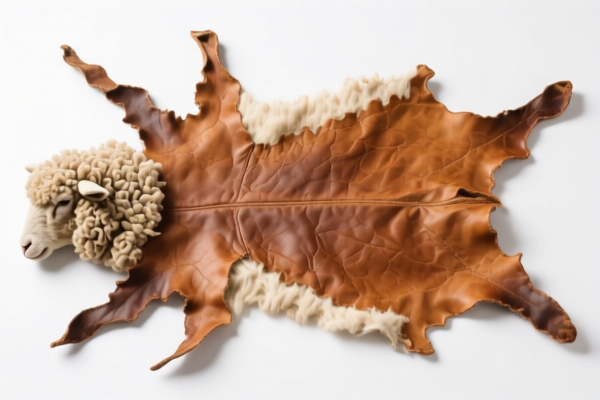
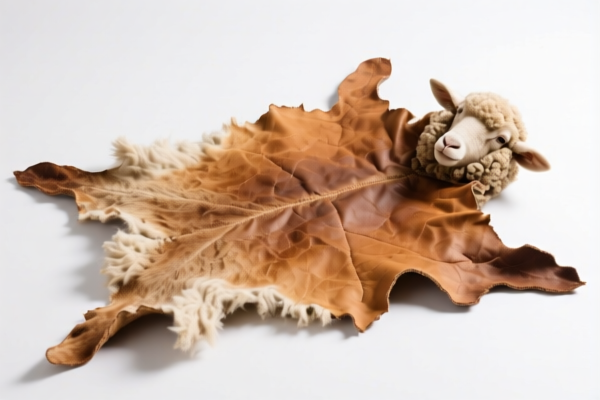
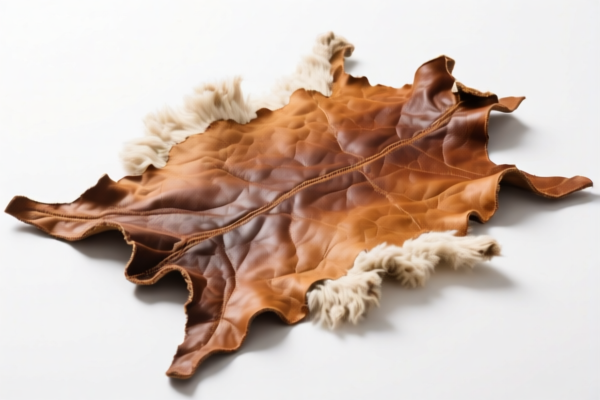
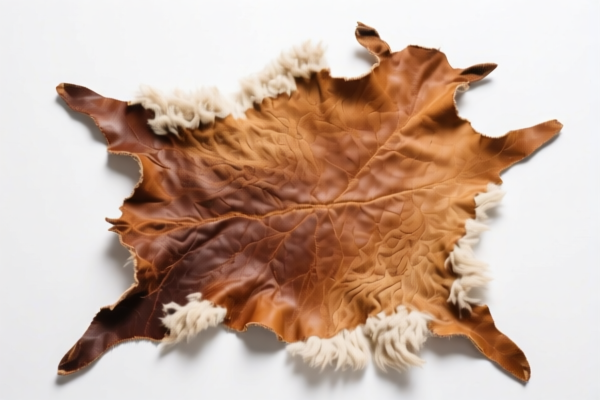
AI Analysis
🐑 Sheepskin Leather Material: HS Code Classification & Customs Clearance Guide (2026)
🌐 HS Code Reference & Customs Guide | 2026 Latest Tariff Analysis | Professional Clearance Strategy
📌 I. Product Definition & Classification: What Exactly is "Sheepskin"?
Sheepskin, in international trade, is not a single homogeneous commodity. It is categorized based on processing status, animal origin, and commercial form. Misclassification often leads to severe duty discrepancies due to the complex tariff structure for animal hides.
Key Distinctions: * Raw Skins (Unprocessed): Sheepskins that have only been salted or preserved but not tanned. These are agricultural/raw materials. * Tanned/Curried Skins: Sheepskins that have undergone chemical or vegetable tanning processes. These are semi-finished industrial materials. * Fur Skins: Sheepskins kept with the wool/fur intact, used primarily for fashion or lining.
⚠️ Critical Classification Point:
- If the sheepskin is unprocessed (raw salted), it typically falls under Chapter 41 (Raw Hides and Skins).
- If the sheepskin is tanned (with or without wool), it typically falls under Chapter 43 (Fur Skins) or specific subheadings in Chapter 41 depending on the finish.
- Wool presence is a major determinant. If the wool is retained and the skin is prepared for fur trade, Chapter 43 often applies.
📦 II. HS Code Classification Details (Based on Provided Data)
According to the provided dataset, here are the specific HS Code mappings for "Sheepskin Leather Material" with their corresponding tax explanations:
| HS Code | Summary & Matching Logic | Total Tax Rate | Tax Breakdown (China Origin to US) |
|---|---|---|---|
| 4102.10.30.00 | Sheepskin, Match Successful. The product name directly corresponds to the material. It fits the characteristics of raw skins under other categories. |
12.0% | Base Tariff: 2.0% Section 301 (Additional): 0.0% Section 122 Tariff: 10% |
| 4102.29.30.00 | Sheepskin, Match Successful. Material is raw hide of sheep/lamb. Form is unprocessed/un-tanned raw skin. |
19.5% | Base Tariff: 2.0% Section 301 (Additional): 7.5% Section 122 Tariff: 10% |
| 4301.30.00.00 | Sheepskin, Match by Material Category. Conforms to raw fur skin classification characteristics. |
10.0% | Base Tariff: 0.0% Section 301 (Additional): 0.0% Section 122 Tariff: 10% |
| 4301.90.00.00 | Sheepskin, Match by Fur Skin Category. Form is skin used by furriers (e.g., with wool retained). |
10.0% | Base Tariff: 0.0% Section 301 (Additional): 0.0% Section 122 Tariff: 10% |
| 4105.30.00.00 | Sheepskin Material. Use is unclear. Match successful based on material-category consistency. Leans towards being a "catch-all" category for un-specified sheepskin. |
12.0% | Base Tariff: 2.0% Section 301 (Additional): 0.0% Section 122 Tariff: 10% |
| 4105.10.10.00 | Sheepskin Material. Use is unclear. Matches material and form. Considers it tanned leather or wet-blue scope. |
12.0% | Base Tariff: 2.0% Section 301 (Additional): 0.0% Section 122 Tariff: 10% |
🔍 Key Observation:
- Chapter 41 (4102, 4105) generally applies to raw or tanned hides/skins where the focus is on the leather material itself.
- Chapter 43 (4301) applies to fur skins, where the wool/fur is the primary value driver, or the skin is prepared specifically for the fur trade.
- The Section 122 Tariff (10%) appears to be a consistent additional duty across all these categories for Chinese-origin goods.
- The Section 301 Tariff varies: it is 0% for some tanned/fur codes (4301, 4105) and 7.5% for raw sheep/lamb skins (4102.29.30.00). This is a critical cost difference.
💰 III. 2026 Latest Tariff Rate Detailed Explanation
✅ Applicable Country: USA (US)
✅ Origin: China (CN)
✅ Effective Time: Current rates apply (Subject to Section 122 and 301 rules)
🎯 1. Raw Skins: 4102.10.30.00 & 4102.29.30.00
| Item | Content |
|---|---|
| Base Tariff | 2.0% |
| Section 301 (USITC) | 0.0% (for 4102.10) or 7.5% (for 4102.29) |
| Section 122 Tariff | 10.0% |
| Total Tax Rate | 12.0% (4102.10) or 19.5% (4102.29) |
| Calculation Basis | CIF Value × Total Rate |
| De Minimis Exemption | ❌ Not Eligible (Section 122 and 301 duties usually bypass de minimis for bulk/commercial shipments) |
📌 Explanation:
-4102.10.30.00is a general raw sheepskin category with 0% Section 301, resulting in a lower total duty (12%).
-4102.29.30.00specifically targets raw sheep/lamb skins and incurs a 7.5% Section 301 duty, pushing the total to 19.5%.
- Section 122 (10%) is a significant additional cost applicable to most animal skins from China.
🎯 2. Fur Skins: 4301.30.00.00 & 4301.90.00.00
| Item | Content |
|---|---|
| Base Tariff | 0.0% |
| Section 301 (USITC) | 0.0% |
| Section 122 Tariff | 10.0% |
| Total Tax Rate | 10.0% |
| Calculation Basis | CIF Value × Total Rate |
| De Minimis Exemption | ❌ Not Eligible |
📌 Explanation:
- These codes classify sheepskins as fur skins (likely with wool retained).
- They benefit from a 0% Base Tariff and 0% Section 301.
- Only the 10% Section 122 Tariff applies, making this the lowest duty category (10%) among the options.
🎯 3. Tanned/Other Sheepskins: 4105.30.00.00 & 4105.10.10.00
| Item | Content |
|---|---|
| Base Tariff | 2.0% |
| Section 301 (USITC) | 0.0% |
| Section 122 Tariff | 10.0% |
| Total Tax Rate | 12.0% |
| Calculation Basis | CIF Value × Total Rate |
| De Minimis Exemption | ❌ Not Eligible |
📌 Explanation:
- These codes apply to sheepskins where the use is unclear or specifically tanned/wet-blue.
- They avoid Section 301 duties (0%), but still face the 10% Section 122 duty plus 2% base tariff.
🛠️ IV. Customs Clearance Practical Advice (Battle-Tested Pitfall Avoidance)
✅ 1. Essential Documentation Checklist
| Document | Mandatory? | Purpose |
|---|---|---|
| ✅ Product Specification Sheet | ✔️ | Must detail: Raw vs. Tanned, With/Without Wool, Salted/Dried, Weight, Dimensions. |
| ✅ Photos (Clear & Labeled) | ✔️ | Show texture, wool presence, and any processing marks. Crucial for distinguishing Ch. 41 vs. Ch. 43. |
| ✅ Commercial Invoice | ✔️ | Must explicitly state "Sheepskin" and specify form (e.g., "Raw Salted Sheepskin" or "Tanned Sheep Fur Skin"). |
| ✅ Packing List | ✔️ | Confirm weight and quantity. Discrepancies here trigger audits. |
| ✅ Certificate of Origin | ✔️ | To prove Chinese origin (applicable for Section 122/301 calculations). |
| ✅ Processing Declaration | ✔️ | Describe the tanning/currying process if applicable. If raw, state "Unprocessed." |
✅ 2. Declaration Strategies (Key Mnemonic)
🔥 "Raw vs. Tanned, Wool or No Wool, Chapter 41 or 43, Pick the Right One!"
| Scenario | Correct HS Code | Wrong Code & Consequence |
|---|---|---|
| Raw, Salted Sheepskin (No Wool) | 4102.10.30.00 or 4102.29.30.00 |
Declaring as 4301 → Customs Seizure for misclassification of raw hides. |
| Sheepskin WITH Wool (Fur Trade) | 4301.30.00.00 or 4301.90.00.00 |
Declaring as 4102 → Higher Duty (19.5% vs 10%) if incorrectly classified as raw hide. |
| Tanned Sheepskin (Leather) | 4105.10.10.00 or 4105.30.00.00 |
Declaring as 4301 → Audit Risk if wool is removed or processed for leather, not fur. |
| Mixed Lot (Raw & Tanned) | Split Declaration | Declaring as one code → Penalty for False Declaration. |
📌 Note:
- If the sheepskin has wool attached and is intended for fur/coat manufacturing, prioritize Chapter 43 codes (4301.xxxx). This often results in the lowest duty (10%).
- If the sheepskin is bare skin (no wool) and raw, use Chapter 41 (4102.xxxx).
- If tanned without wool, use Chapter 41 (4105.xxxx).
✅ 3. Special Case Handling
| Scenario | Advice |
|---|---|
| Sheepskin with Minimal Wool (Not Fur Grade) | May still be classified under 4102 if the wool is not considered a primary feature. Consult a broker. |
| Wet Blue Tanned Skins | Clearly state "Wet Blue Tanned" on invoice. Use 4105.10.10.00. |
| Sample Shipments (< $800) | Section 122 Tariff may still apply depending on current enforcement. Do not assume de minimis exemption for skins. |
| Re-exported Sheepskin | Ensure documentation shows no substantial transformation occurred in the third country. |
🌍 V. Global Market Comparison (2026)
| Country/Region | Recommended HS Code | Duty (Approx.) | Certification | Remarks |
|---|---|---|---|---|
| 🇺🇸 USA | 4301.30.00.00 (if fur) |
10.0% | None | Lowest duty for fur skins. Raw hides face higher duties. |
| 🇨🇳 China | 4102.10.30.00 |
Varies | None | Import duty for raw skins may differ. |
| 🇪🇺 EU | 4103.20.00 (Raw) |
Varies | REACH (if tanned) | EU has strict environmental rules for tanned skins. |
| 🇬🇧 UK | 4103.20.00 (Raw) |
Varies | UKCA (if finished goods) | Post-Brexit rules apply. |
| 🇯🇵 Japan | 4103.20.00 (Raw) |
Varies | None | Preferential rates may apply under EPA. |
📌 Conclusion:
- USA has the most complex tariff structure for sheepskin due to Section 122 and Section 301.
- Chapter 43 (Fur Skins) offers the most favorable duty rate (10%) for Chinese-origin sheepskin if the wool is retained.
- Raw Skins (Chapter 41) are subject to higher duties, especially if classified under4102.29.30.00(19.5%).
📌 VI. Common Mistakes & Pitfalls (Lessons Learned)
❌ Mistake 1: Declaring "Tanned Sheepskin" as "Raw Sheepskin" to avoid Section 301.
👉 Consequence: Customs inspection reveals tanning marks → Penalty + Back Duties.
❌ Mistake 2: Using "Leather" generically without specifying raw/tanned/wool.
👉 Consequence: Customs assigns a default higher rate or delays shipment for clarification.
❌ Mistake 3: Ignoring Section 122 Tariff.
👉 Consequence: Unexpected 10% duty charge upon arrival → Cash flow issues.
❌ Mistake 4: Assuming De Minimis applies.
👉 Consequence: Commercial shipments of skins are rarely exempt. Full duty applies.
✅ Correct Approach:
"Sheepskin, Raw, Salted, Without Wool, Chinese Origin" →
4102.10.30.00(12% Duty)
"Sheepskin Fur, With Wool, Tanned, Chinese Origin" →4301.30.00.00(10% Duty)
🎯 VII. Conclusion: Precise Classification, Cost Optimization!
🎯 Remember Mnemonic:
🔹 "Wool On = Chapter 43 (10%), Wool Off = Chapter 41 (12-19.5%), Always Pay Section 122!"
🔹 "HS Code Determines Duty, 10% vs 19.5% is a Big Gap, Declare Accurately to Save Money!"
📌 Pro Tip:
If your sheepskin has wool retained, insist on using Chapter 43 codes (
4301.xxxx) if the form qualifies. This can save you 2.5% - 9.5% in duties compared to raw sheepskin classifications.
Always pre-apply for a Binding Ruling from US Customs if the classification is ambiguous.
📣 Take Action Now:
📞 Contact a licensed customs broker + Provide Product Photos + Request HS Code Pre-Ruling
🚀 Ensure smooth customs clearance, minimize duties, and maximize profit!
✨ Professional Clearance Starts with Accurate Classification!
💼 Every Percent of Duty Saved is Pure Profit!
Customer Reviews
About HS Code Classification
The Harmonized System (HS) is an internationally standardized nomenclature developed by the World Customs Organization (WCO) to classify traded products. Over 200 countries use the HS system as the basis for customs tariffs, trade statistics, and import/export regulations.
Each HS code follows a hierarchical structure:
- Chapter (2 digits) — Broad category of goods (e.g., Chapter 84: Machinery and Mechanical Appliances)
- Heading (4 digits) — More specific grouping within the chapter
- Subheading (6 digits) — Internationally standardized breakdown, used by all WCO member countries
- National subdivisions (8-10 digits) — Country-specific extensions for further classification, such as US HTSUS 10-digit codes
Correct HS code classification is essential for smooth customs clearance, accurate duty payment, and compliance with trade regulations. Misclassification can lead to customs delays, overpayment of duties, or penalties.
When importing from CN to US, the applicable tariff rates may include:
- Most-Favored-Nation (MFN) rate — The standard duty rate applied to WTO members
- General rate — Applied to countries without trade agreements
- Trade remedy duties — Additional tariffs such as Section 301 (anti-dumping), Section 232 (national security), or countervailing duties
The information provided on this page is for reference purposes only. For official classification, please consult with your local customs authority or a licensed customs broker.