Sheepskin Material
CN → US| HS Code | Tariff Rate | Origin | Destination | Doc |
|---|---|---|---|---|
| 4102103000 | 12.0% | CN | US | Official Doc |
| 4102293000 | 19.5% | CN | US | Official Doc |
| 4301300000 | 10.0% | CN | US | Official Doc |
| 4301900000 | 10.0% | CN | US | Official Doc |
| 4105300000 | 12.0% | CN | US | Official Doc |
Product Images
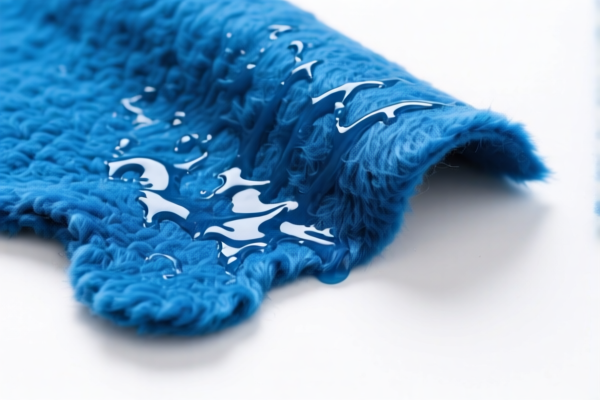
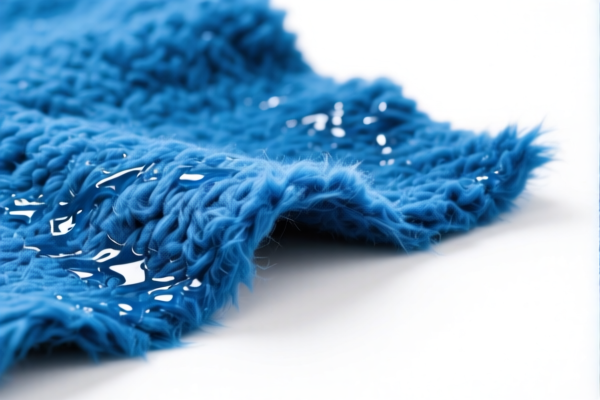
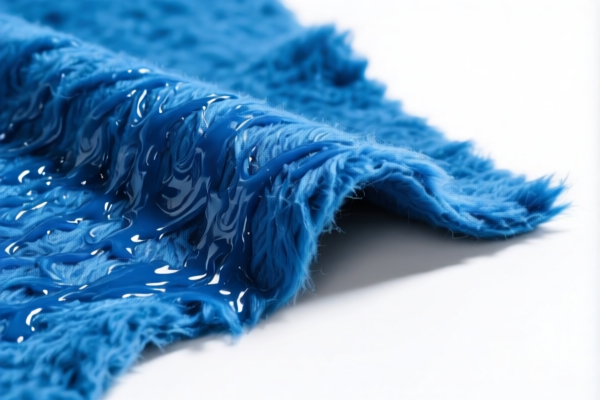
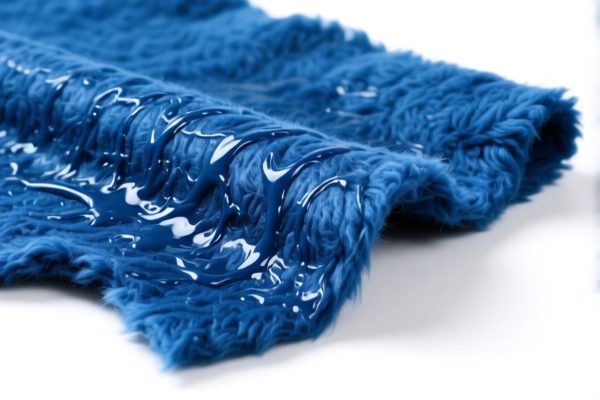
AI Analysis
🐑 Sheepskin Material (Raw Hides & Skins)
🌐 HS Code Reference & Customs Clearance Guide | 2026 Latest Tariff Analysis | Professional-Level Strategy for Raw Skins
📌 I. Product Definition & Classification: Do You Really Understand "Sheepskin"?
Sheepskin, in the context of international trade customs classification, primarily refers to raw hides and skins of sheep or lambs, either unwashed or salted, but not tanned or further worked beyond basic preservation. It is a critical raw material for the leather and fur industries.
In customs classification, the distinction is critical: * Raw Hides/Skins (Chapter 41 or 43): Un-tanned, preserved (wet-salted, fresh, or dried). * Tanned or Crust Leather (Chapter 41): Processed leather ready for further manufacturing. * Fur Skins (Chapter 43): Skins intended for the fur trade (often with hair retained).
⚠️ Key Distinction Point:
- If the skin is un-tanned, wet-salted, or dried → It falls under Chapter 41 (Leather) or Chapter 43 (Fur) depending on the specific state and intended use.
- If the skin is tanned, crust, or further worked → It falls under Chapter 41 (Leather).
- Note: The provided data suggests a mix of raw and semi-processed classifications, requiring careful alignment with the actual physical state of the goods.
📦 II. HS Code Classification Details (2026 Latest Tariff Authority Comparison)
Based on the provided data, here are the applicable HS Codes for Sheepskin, along with their tax implications.
| HS Code | Product Description & Matching Logic | Total Tax Rate | Tax Breakdown |
|---|---|---|---|
| 4102.10.30.00 | Sheepskin (Raw) Matched successfully. The product name directly corresponds to the material, fitting the characteristics of raw hides under other categories. |
12.0% | Base Duty: 2.0% Added Duty: 0.0% Section 122 Duty: 10% |
| 4102.29.30.00 | Sheepskin (Raw - Other) Matched successfully. Material matches sheep/lamb raw hides. Form is un-tanned or un-processed raw skin. |
19.5% | Base Duty: 2.0% Added Duty: 7.5% Section 122 Duty: 10% |
| 4301.30.00.00 | Sheepskin (Fur Category) Matched based on material category. Fits the characteristics of raw fur skins. |
10.0% | Base Duty: 0.0% Added Duty: 0.0% Section 122 Duty: 10% |
| 4301.90.00.00 | Sheepskin (Other Fur Skins) Matched based on raw fur skin category. Form is skin for fur trade use. |
10.0% | Base Duty: 0.0% Added Duty: 0.0% Section 122 Duty: 10% |
| 4105.30.00.00 | Sheepskin (Leather - Unspecified Use) Matched successfully. Material matches tanned or raw leather. Tendency to classify as a catch-all category due to unclear specific use. |
12.0% | Base Duty: 2.0% Added Duty: 0.0% Section 122 Duty: 10% |
| 4105.10.10.00 | Sheepskin (Leather - Wet Blue/Unprocessed) Matched material and form. Missing use info does not conflict. Fits wet blue or further unprocessed leather category. |
12.0% | Base Duty: 2.0% Added Duty: 0.0% Section 122 Duty: 10% |
🔍 Key Reminder:
- Chapter 41 covers Leather (raw hides, tanned leather).
- Chapter 43 covers Fur (skins with hair, for fur products).
- Misclassification between Chapter 41 and 43 can lead to significant duty differences (e.g., 19.5% vs. 10%).
💰 III. 2026 Latest Tariff Rate Detailed Explanation
✅ Applicable Country: United States (US)
✅ Origin: China (CN)
✅ Effective Time: 2025/2026 Tariff Schedule
🎯 1. 4102.10.30.00 & 4102.29.30.00 —— Sheepskins (Raw)
| Item | Content |
|---|---|
| Base Duty | 2.0% (Ad Valorem) |
| Section 301 Added Duty | 0.0% or 7.5% (Depending on specific sub-category) |
| Section 122 Duty | +10% (Specific to certain raw materials/skins) |
| Total Tax Rate | 12.0% or 19.5% |
| Calculation | CIF Value × Total Rate |
| De Minimis Exemption | ❌ Not Applicable (Raw hides/skins are typically not eligible for de minimis) |
| Legal Basis | USITC HTSUS 4102; Section 122 Tariff Order |
📌 Explanation:
- Base Duty (2.0%): Standard MFN rate for raw sheepskins.
- Section 122 Duty (10%): A specific additional tariff applied to certain agricultural and raw material imports.
- Section 301 (0-7.5%): Varies based on the exact sub-classification within Chapter 41.
- Total: Ranges from 12% to 19.5%, which is relatively moderate compared to manufactured goods.
🎯 2. 4301.30.00.00 & 4301.90.00.00 —— Fur Skins (Sheep/Lamb)
| Item | Content |
|---|---|
| Base Duty | 0.0% |
| Section 301 Added Duty | 0.0% |
| Section 122 Duty | +10% |
| Total Tax Rate | 10.0% |
| Calculation | CIF Value × 10% |
| De Minimis Exemption | ❌ Not Applicable |
| Legal Basis | USITC HTSUS 4301; Section 122 Tariff Order |
📌 Note:
- Fur skins classified under Chapter 43 often have lower base duties (0%) compared to leather hides (2%).
- However, the Section 122 Duty of 10% still applies, bringing the total to 10%.
- This is the most cost-effective classification if the goods qualify as "fur skins" rather than "leather hides."
🎯 3. 4105.30.00.00 & 4105.10.10.00 —— Sheep Leather (Wet Blue/Tanned)
| Item | Content |
|---|---|
| Base Duty | 2.0% |
| Section 301 Added Duty | 0.0% |
| Section 122 Duty | +10% |
| Total Tax Rate | 12.0% |
| Calculation | CIF Value × 12% |
| De Minimis Exemption | ❌ Not Applicable |
| Legal Basis | USITC HTSUS 4105; Section 122 Tariff Order |
📌 Explanation:
- These codes apply to leather (tanned or wet-blue) rather than raw hides.
- The tax rate is identical to4102.10.30.00(12%).
- Use this classification if the sheepskin has been pre-tanned or is in the wet-blue stage.
🛠️ IV. Customs Clearance Practical Advice (Battle-Tested Pitfall Guide)
✅ 1. Required Documentation Checklist (Mandatory)
| Document | Required? | Explanation |
|---|---|---|
| ✅ Product Specification Sheet | ✔️ | Must detail: Animal source (Sheep/Lamb), State (Raw/Tanned/Wet-Blue), Preservation method (Salted/Fresh). |
| ✅ Product Photos | ✔️ | Clear images of the skin, including hair side (if any) and flesh side. Must show texture and condition. |
| ✅ Commercial Invoice | ✔️ | Must explicitly state "Raw Sheepskins" or "Sheep Leather" and include HS Code. |
| ✅ Packing List | ✔️ | Detail gross/net weight, number of skins, and packaging type (e.g., bales, wrapped). |
| ✅ Certificate of Origin (CO) | ✔️ | If applicable for preferential treatment (though US-China trade relations may limit benefits). |
| ✅ Veterinary/Health Certificate | ✔️ | Often required for raw animal products to prove freedom from disease. |
| ✅ Section 122 Declaration | ✔️ | Confirm if the goods fall under Section 122 scope (usually yes for raw hides/skins). |
✅ 2. Classification Strategy (Critical Tips)
🔥 "Check State: Raw vs. Tanned, Fur vs. Leather, Title is Key!"
| Scenario | Correct HS Code | Wrong Action | Consequence |
|---|---|---|---|
| Raw, Wet-Salted Sheepskin | 4102.10.30.00 or 4102.29.30.00 |
Misclassify as Fur (4301) |
Potential duty under/over-payment; scrutiny. |
| Fur Skin (Hair On, For Fur Trade) | 4301.30.00.00 |
Misclassify as Raw Hide (4102) |
Higher Duty: 19.5% vs. 10%. |
| Wet-Blue Leather | 4105.10.10.00 |
Misclassify as Raw Hide | Delay in customs; request for more info. |
| Tanned Leather | 4105.30.00.00 (if unspecified) |
Misclassify as Fur | Higher Duty: 12% vs. 10%. |
📌 Strategic Advice:
- If the sheepskin is intended for fur products (e.g., coats, rugs) and is raw with hair retained, try to classify under Chapter 43 (4301.30.00.00) to benefit from the 0% base duty.
- If it is intended for leather goods (shoes, bags), classify under Chapter 41 (4102or4105).
- Always provide clear photos to customs to prove the state of the skin (raw vs. tanned, hair on vs. hair off).
✅ 3. Special Case Handling
| Case | Handling Advice |
|---|---|
| Mixed Bales (Raw & Tanned) | Declare Separately. Do not mix raw hides and tanned leather in one line item. Each line must have a distinct HS Code. |
| Salted vs. Fresh | Specify in the invoice. Salted skins are more common for international trade. Fresh skins may require additional veterinary checks. |
| Section 122 Applicability | Most raw hides and skins are subject to the 10% Section 122 duty. Ensure your customs broker confirms this. |
| Country of Origin | If not from China, Section 301 duties may not apply. However, Section 122 may still apply depending on the product and policy. |
🌍 V. Global Market Comparison (2026 Latest)
| Market | Recommended HS Code | Base Duty | Added Duty | Total | Notes |
|---|---|---|---|---|---|
| 🇺🇸 USA | 4102.10.30.00 / 4301.30.00.00 |
0-2% | 10% (Sec 122) | 10-12% | Check Sec 301 (0-7.5%) for specific sub-codes. |
| 🇨🇳 China | 4102.10.30.00 / 4301.30.00.00 |
2-8% | 0% | 2-8% | Import duties for raw skins vary by type. |
| 🇪🇺 EU | 4102.10.30 / 4301.30.00 |
2.5-12% | 0% | 2.5-12% | CE/EU regulations on raw animal products apply. |
| 🇬🇧 UK | 4102.10.30 / 4301.30.00 |
2-12% | 0% | 2-12% | Post-Brexit tariff schedules apply. |
| 🇯🇵 Japan | 4102.10.30 / 4301.30.00 |
2.9-8.7% | 0% | 2.9-8.7% | EPA agreements may reduce duties for some origins. |
📌 Conclusion:
- USA has the Section 122 duty of 10%, which is a significant cost driver.
- Chapter 43 (Fur) generally has lower base duties than Chapter 41 (Leather).
- Clear documentation of the skin's state (raw, tanned, hair on/off) is crucial to avoid misclassification and unexpected duties.
📌 VI. Common Errors & Pitfall Guide (Lessons Learned)
❌ Error 1: Misclassifying Raw Sheepskin as Finished Leather Goods
👉 Consequence: Wrong HS Code, potential duty underpayment, customs penalty.
❌ Error 2: Ignoring Section 122 Duty
👉 Consequence: Unexpected 10% additional tax at customs. Always confirm if the product falls under Section 122.
❌ Error 3: Providing Vague Descriptions (e.g., "Sheepskin")
👉 Consequence: Customs may detain the shipment for further inspection, leading to delays and storage fees.
❌ Error 4: Mixing Raw and Tanned skins in one declaration
👉 Consequence: Rejection of the entry, requiring re-submission with separate lines.
✅ Correct Practice:
"Raw Sheepskins, Wet-Salted, Un-tanned, Hair On, Grade A, Bales of 50 Skins, Origin: China"
🎯 VII. Conclusion: Precision in Classification, Savings in Duty!
🎯 Remember the Mantra:
🔹 "Raw vs. Tanned, Fur vs. Leather, Check the State First!"
🔹 "Section 122 is 10%, Don't Miss It!"
🔹 "Clear Photos, Clear Invoice, Smooth Customs!"
📌 Pro Tip:
If your sheepskin is intended for fur products, classify under Chapter 43 (
4301.30.00.00) to benefit from 0% base duty (Total 10%).
If it is for leather, classify under Chapter 41 (4102.10.30.00) (Total 12%).
Always consult with a licensed customs broker to confirm the final classification based on the physical product.
📣 Immediate Action:
📞 Contact a Customs Broker + Provide Product Photos + Confirm HS Code
🚀 Ensure Smooth Clearance, Minimize Costs, and Maximize Efficiency!
✨ Professional Customs Clearance Starts with Accurate Classification!
💼 Every Dollar Saved is a Dollar Earned!
Customer Reviews
About HS Code Classification
The Harmonized System (HS) is an internationally standardized nomenclature developed by the World Customs Organization (WCO) to classify traded products. Over 200 countries use the HS system as the basis for customs tariffs, trade statistics, and import/export regulations.
Each HS code follows a hierarchical structure:
- Chapter (2 digits) — Broad category of goods (e.g., Chapter 84: Machinery and Mechanical Appliances)
- Heading (4 digits) — More specific grouping within the chapter
- Subheading (6 digits) — Internationally standardized breakdown, used by all WCO member countries
- National subdivisions (8-10 digits) — Country-specific extensions for further classification, such as US HTSUS 10-digit codes
Correct HS code classification is essential for smooth customs clearance, accurate duty payment, and compliance with trade regulations. Misclassification can lead to customs delays, overpayment of duties, or penalties.
When importing from CN to US, the applicable tariff rates may include:
- Most-Favored-Nation (MFN) rate — The standard duty rate applied to WTO members
- General rate — Applied to countries without trade agreements
- Trade remedy duties — Additional tariffs such as Section 301 (anti-dumping), Section 232 (national security), or countervailing duties
The information provided on this page is for reference purposes only. For official classification, please consult with your local customs authority or a licensed customs broker.