Sheet Organizers and Storage
CN → US| HS Code | Tariff Rate | Origin | Destination | Doc |
|---|---|---|---|---|
| 3925900000 | 40.3% | CN | US | Official Doc |
| 9403200050 | 85.0% | CN | US | Official Doc |
| 9403708003 | 35.0% | CN | US | Official Doc |
| 3923102000 | 35.0% | CN | US | Official Doc |
| 4202999000 | 55.0% | CN | US | Official Doc |
Product Images
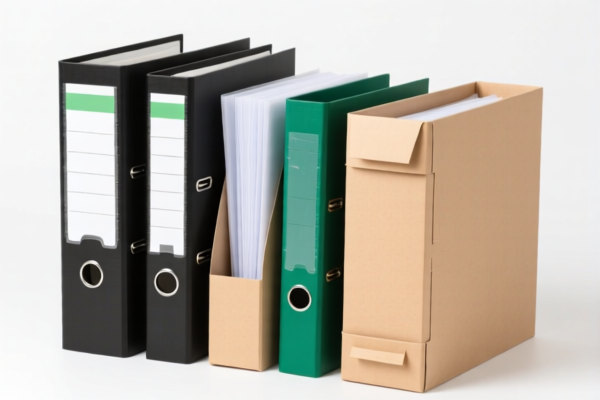
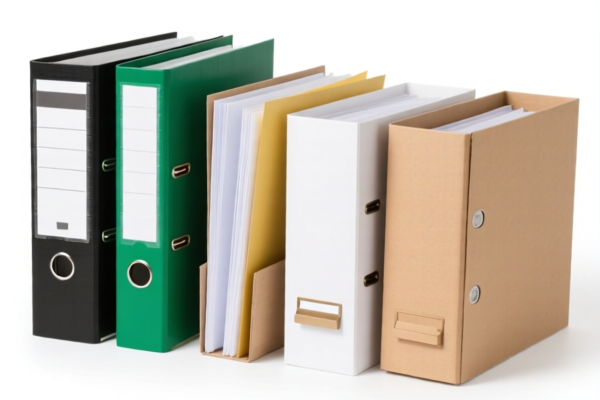
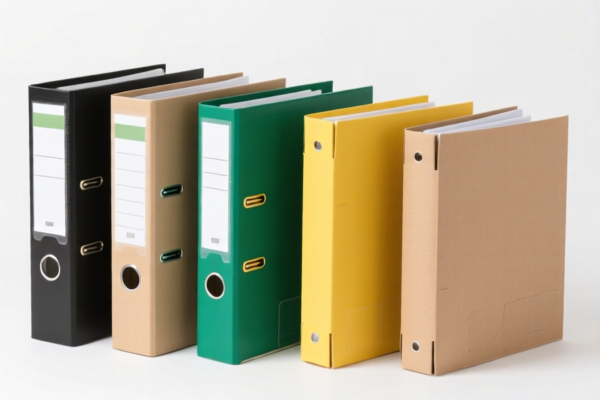
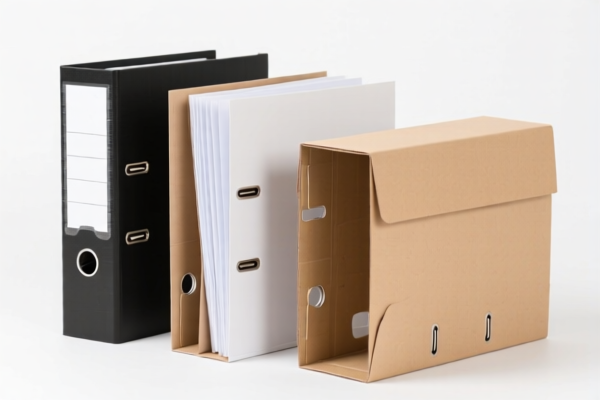
AI Analysis
📂 Sheet Organizers & Storage Solutions (Paper Files & Document Holders)
🌐 HS Code Reference & Customs Clearance Guide | 2026 Latest Tariff Analysis | Professional Clearance Strategy
📌 I. Product Definition & Classification: What Exactly Are "Sheet Organizers"?
Sheet Organizers and Storage refer to devices designed to hold, sort, and protect flat documents, papers, blueprints, or records. In international trade, the classification depends heavily on material composition and intended use/function. They are generally divided into two main categories:
1. Furniture Components/Accessories: Items attached to or forming part of a desk, cabinet, or shelving unit (e.g., built-in drawers, hanging file frames, plastic inserts for furniture).
2. General Packaging/Container Goods: Free-standing boxes, trays, or hanging folders made of plastic, paper, or textile materials used for transporting or storing goods/documents.
⚠️ Key Distinction Point:
- If the item is structurally part of a desk/shelf system or designed specifically as a furniture accessory → Classified under Chapter 94 (Furniture).
- If the item is a standalone container made of plastic/paper for holding documents → Classified under Chapter 39 (Plastics) or Chapter 42/48 (Other Materials).
📦 II. HS Code Classification Details (2026 Latest Tariff Authority Comparison)
Based on the provided data for "Bedside Storage Boxes" (which share similar material/logic with sheet organizers when used in office/home settings), here are the applicable HS Codes:
| HS Code | Product Description | Application Scenario | Material/Structure |
|---|---|---|---|
3925.90.00.00 |
Plastics articles for builders' work (Other) | Plastic storage bins, rigid plastic organizers attached to furniture | ✅ Plastic, Construction/Home Component |
9403.20.00.50 |
Metal Furniture | Metal filing frames, steel sheet organizers, aluminum storage components | ✅ Metal (Steel/Aluminum/Copper) |
9403.70.80.03 |
Furniture of Plastics | Plastic drawers, plastic bedside/desk organizers classified as furniture parts | ✅ Plastic, Furniture Component |
3923.10.20.00 |
Articles for the conveyance or packing of goods (Plastics) | Plastic file boxes, rigid plastic storage containers for papers | ✅ Plastic, Packaging/Container Type |
4202.99.90.00 |
Articles of apparel, clothing accessories, other articles | Flexible plastic/fabric document holders, paper/cardboard storage boxes | ✅ Plastic/Fabric/Paper, Container/Bag Type |
🔍 Key Reminder:
- If the organizer is rigid, plastic, and sold as part of a furniture set, it may fall under 9403.70 (Furniture).
- If it is a standalone plastic box for holding files, it is often classified as a plastic container (3923.10) or plastic builder’s article (3925.90) depending on rigidity.
- Metal organizers fall under 9403.20 if considered furniture components.
- Flexible or mixed-material containers (e.g., fabric-lined plastic) may fall under 4202.99.
💰 III. 2026 Latest Tariff Rate Details (Including Surcharges & Policy Add-ons)
✅ Applicable Country: USA (US)
✅ Origin: China (CN)
✅ Effective Date: From Nov 10, 2025 (and subsequent imports)
🎯 1. 3925.90.00.00 — Plastics Articles for Builders' Work
| Item | Detail |
|---|---|
| Base Tariff | 5.3% |
| Section 301 Surcharge | +25.0% |
| Section 122 Tariff | +10.0% |
| Total Tariff Rate | 40.3% |
| Tax Calculation | CIF Value × 40.3% |
| De Minimis Exemption | ❌ Not Applicable (High tariff items excluded) |
| Legal Basis | Standard Section 301 + Section 122 surcharge on plastic builder’s articles from China |
📌 Explanation:
- Plastic storage items classified as "builders' work" (e.g., rigid plastic bins for home/office storage) attract a base 5.3% tariff.
- The 25% Section 301 tariff applies to most Chinese plastic goods.
- The additional 10% Section 122 tariff (if applicable to specific plastic categories) brings the total to 40.3%.
- This is a high-cost category; accurate material declaration is critical.
🎯 2. 9403.20.00.50 — Metal Furniture
| Item | Detail |
|---|---|
| Base Tariff | 0.0% |
| Section 301 Surcharge | +25.0% |
| Section 122 Tariff | +10.0% |
| Steel/Aluminum/Copper Surcharge | +50.0% |
| Total Tariff Rate | 85.0% |
| Tax Calculation | CIF Value × 85.0% |
| De Minimis Exemption | ❌ Not Applicable |
| Legal Basis | IEEPA:9903.01.25 → USITC:9403.20.00.50 + Specific metal surcharge provisions |
📌 Critical Warning:
- If your sheet organizer is made of steel, aluminum, or copper and classified as furniture, it triggers the additional 50% tariff on metal products!
- Total rate: 0% (base) + 25% (301) + 10% (122) + 50% (Metal) = 85%.
- This is the highest possible rate in this dataset. Avoid classifying metal organizers as furniture if possible.
🎯 3. 9403.70.80.03 — Furniture of Plastics
| Item | Detail |
|---|---|
| Base Tariff | 0.0% |
| Section 301 Surcharge | +25.0% |
| Section 122 Tariff | +10.0% |
| Total Tariff Rate | 35.0% |
| Tax Calculation | CIF Value × 35.0% |
| De Minimis Exemption | ❌ Not Applicable |
| Legal Basis | Standard Section 301 + Section 122 on plastic furniture components |
📌 Explanation:
- Plastic sheet organizers that are considered parts of furniture (e.g., plastic drawers, integrated storage units) fall here.
- Base rate is 0%, but with 25% + 10% surcharges, the total is 35%.
- 35% is lower than 40.3% (3925.90), making this a potentially favorable classification if the product can be legally defined as a furniture component.
🎯 4. 3923.10.20.00 — Plastic Articles for Conveyance or Packing
| Item | Detail |
|---|---|
| Base Tariff | 0.0% |
| Section 301 Surcharge | +25.0% |
| Section 122 Tariff | +10.0% |
| Total Tariff Rate | 35.0% |
| Tax Calculation | CIF Value × 35.0% |
| De Minimis Exemption | ❌ Not Applicable |
| Legal Basis | Standard Section 301 + Section 122 on plastic packaging |
📌 Explanation:
- If the organizer is a standalone plastic box (not attached to furniture), it may be classified as a "packaging article."
- Like9403.70, it has a 0% base but 35% total with surcharges.
- This is a common classification for rigid plastic file boxes.
🎯 5. 4202.99.90.00 — Articles of Apparel/Other Containers (Plastic/Fabric/Paper)
| Item | Detail |
|---|---|
| Base Tariff | 20.0% |
| Section 301 Surcharge | +25.0% |
| Section 122 Tariff | +10.0% |
| Total Tariff Rate | 55.0% |
| Tax Calculation | CIF Value × 55.0% |
| De Minimis Exemption | ❌ Not Applicable |
| Legal Basis | Standard Section 301 + Section 122 on mixed-material containers |
📌 Explanation:
- If the organizer is made of plastic + fabric or cardboard and classified as a "container/bag," it falls here.
- Base rate is 20%, plus 25% + 10%, totaling 55%.
- This is a high-cost category; avoid this classification unless necessary.
🛠️ IV. Customs Clearance Practical Advice (Battle-Tested Pitfall Guide)
✅ 1. Document Checklist (Essential for Clearance)
| Document | Required | Notes |
|---|---|---|
| ✅ Product Specifications | ✔️ | Material (Plastic/Metal), Dimensions, Weight, Capacity |
| ✅ Product Photos | ✔️ | Clear images showing structure, usage, and any furniture attachment points |
| ✅ Commercial Invoice | ✔️ | Must describe item as "Plastic Sheet Organizer" or "Metal Filing Frame," not just "Storage Box" |
| ✅ Packing List | ✔️ | Include all accessories (dividers, labels, etc.) |
| ✅ Material Declaration | ✔️ | Explicitly state if made of Steel, Aluminum, Plastic, or Mixed Materials |
| ✅ FCC/CE Certificates (if electronic) | ✔️ | Only if the organizer has electronic components (e.g., LED light) |
✅ 2. Classification Strategy (Key Tips)
🔥 “Metal = 85%, Plastic = 35-40%, Furniture Part = 35%, Packaging = 35%!”
| Scenario | Recommended HS Code | Tariff Rate | Why? |
|---|---|---|---|
| Rigid Plastic Box (standalone) | 3923.10.20.00 |
35% | Classified as plastic packaging/container; lower base rate |
| Plastic Drawer/Insert (furniture part) | 9403.70.80.03 |
35% | Classified as furniture component; same total rate but may be easier to justify as furniture |
| Plastic Bin (builders' use) | 3925.90.00.00 |
40.3% | Higher base rate (5.3%); avoid unless necessary |
| Metal Filing Frame | 9403.20.00.50 |
85% | ⚠️ AVOID if possible; metal triggers 50% surcharge |
| Fabric/Paper Organizer | 4202.99.90.00 |
55% | High base rate; only use if no plastic/metal content |
✅ 3. Special Cases
| Scenario | Handling Advice |
|---|---|
| Mixed Material (Plastic + Metal) | Declare the primary material or classify as the more expensive component? → Consult a customs broker. Often, the furniture component (9403) takes precedence if it’s structural. |
| Organizer with Wheels | If it’s on wheels, it may be classified as furniture (9403.20 or 9403.70), not a container. Be cautious of the 85% metal rate. |
| Custom OEM Branding | Provide customer order + design specs to prove it’s a specific furniture component, not a general container. |
| Small Plastic Tray | Can be classified as 3923.10 (packaging) if it’s not structural furniture. |
🌍 V. Global Market Clearance Comparison (2026 Latest)
| Country/Region | Recommended HS Code | Tariff (China Origin) | Certification Required | Notes |
|---|---|---|---|---|
| 🇺🇸 USA | 3923.10.20.00 / 9403.70.80.03 |
35% (Plastic) 85% (Metal) |
None (Standard) | High risk for metal; prefer plastic |
| 🇨🇳 China | 3923.10.20.00 |
5-10% | None | Low tariff; easy clearance |
| 🇪🇺 EU | 3923.10.20.00 |
0-4% | REACH, RoHS | No 301/122 tariffs |
| 🇬🇧 UK | 3923.10.20.00 |
0-4% | UKCA, RoHS | No Section 301 |
| 🇦🇺 Australia | 3923.10.20.00 |
5% | RCM | Moderate tariff |
📌 Conclusion:
- USA is the most challenging market due to Section 301 & 122 tariffs.
- Metal organizers are extremely expensive (85% tariff) in the US.
- Plastic organizers (35% tariff) are more cost-effective.
- EU/UK/Australia have much lower tariffs and no US-style surcharges.
📌 VI. Common Errors & Pitfalls (Lessons Learned)
❌ Error 1: Classifying metal organizers as "Plastic Storage" to avoid 85% tariff
👉 Consequence: Customs audit → Penalty + Back Taxes + Seizure
❌ Error 2: Describing the item as "Furniture" when it’s a loose container
👉 Consequence: Misclassification → Possible delay or re-classification to higher tariff
❌ Error 3: Ignoring Section 122 Tariff for plastics
👉 Consequence: Underpaying taxes → Fines + Interest
❌ Error 4: Using vague terms like "Storage Box" without material specification
👉 Consequence: Customs unable to determine HS Code → Hold for Inspection
✅ Best Practice:
“Plastic Sheet Organizer, Model XYZ, 10-Drawer Unit, For Office Desks, Made of ABS Plastic, No Metal Components”
🎯 VII. Conclusion: Professional Classification, Cost Optimization
🎯 Remember the Key Rules:
🔹 “Metal = 85% (Avoid!)”
🔹 “Plastic Furniture = 35% (Optimal)”
🔹 “Plastic Container = 35% (Good)”
🔹 “Plastic Builder’s = 40.3% (Higher)”
🔹 “Mixed Material = 55% (Expensive)”
📌 Pro Tip:
If your product is shipped from Vietnam, Malaysia, or Thailand, you may avoid Section 301 tariffs. Consider supply chain diversification for US-bound goods.
Always apply for an Advance Ruling with US Customs if the classification is borderline.
📣 Take Action Now:
📞 Contact a licensed customs broker + Provide product photos + Request HS Code Pre-Ruling
🚀 Ensure smooth clearance, cost efficiency, and profit protection!
✨ Precision in Classification, Savings in Tariffs!
💼 Every percentage point matters!
Customer Reviews
About HS Code Classification
The Harmonized System (HS) is an internationally standardized nomenclature developed by the World Customs Organization (WCO) to classify traded products. Over 200 countries use the HS system as the basis for customs tariffs, trade statistics, and import/export regulations.
Each HS code follows a hierarchical structure:
- Chapter (2 digits) — Broad category of goods (e.g., Chapter 84: Machinery and Mechanical Appliances)
- Heading (4 digits) — More specific grouping within the chapter
- Subheading (6 digits) — Internationally standardized breakdown, used by all WCO member countries
- National subdivisions (8-10 digits) — Country-specific extensions for further classification, such as US HTSUS 10-digit codes
Correct HS code classification is essential for smooth customs clearance, accurate duty payment, and compliance with trade regulations. Misclassification can lead to customs delays, overpayment of duties, or penalties.
When importing from CN to US, the applicable tariff rates may include:
- Most-Favored-Nation (MFN) rate — The standard duty rate applied to WTO members
- General rate — Applied to countries without trade agreements
- Trade remedy duties — Additional tariffs such as Section 301 (anti-dumping), Section 232 (national security), or countervailing duties
The information provided on this page is for reference purposes only. For official classification, please consult with your local customs authority or a licensed customs broker.