Shelling Machine
CN → US| HS Code | Tariff Rate | Origin | Destination | Doc |
|---|---|---|---|---|
| 8433590090 | 35.0% | CN | US | Official Doc |
| 8433905080 | 35.0% | CN | US | Official Doc |
| 8479820080 | 35.0% | CN | US | Official Doc |
| 8479820040 | 35.0% | CN | US | Official Doc |
Product Images
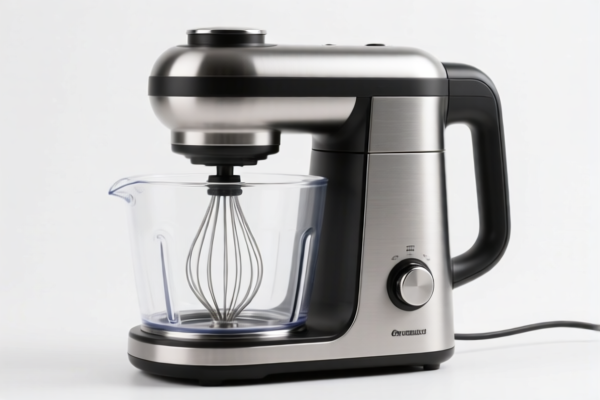
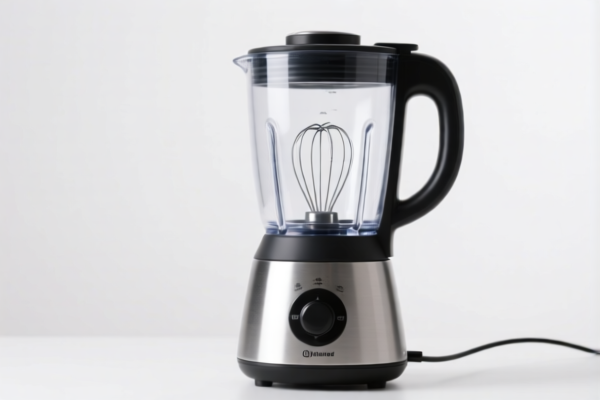
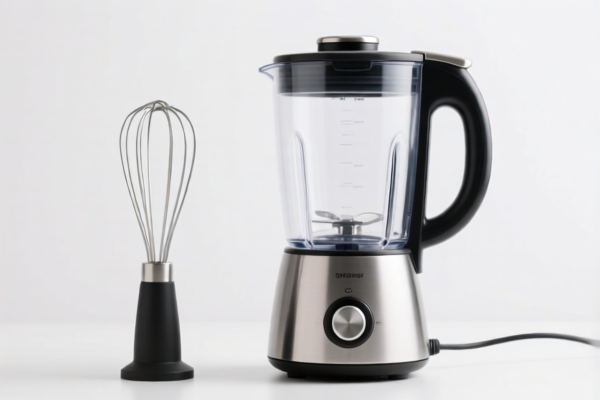
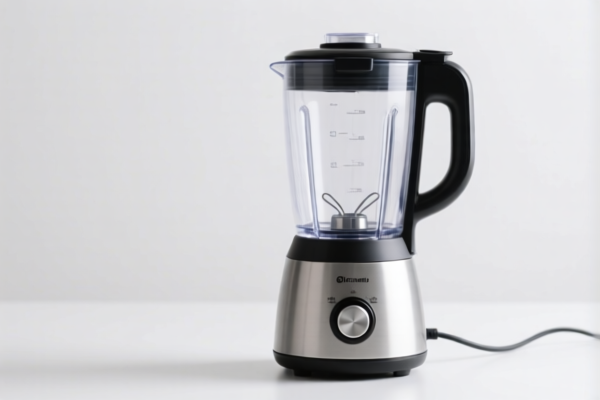
AI Analysis
🌽 Shelling Machine (Corn/Grain Decorticating Machinery)
🌐 HS Code Reference & Customs Clearance Guide | 2026 Latest Tariff Analysis | Professional Clearance Strategy
📌 I. Product Definition & Classification: What is a "Shelling Machine"?
In international trade, a "Shelling Machine" (also known as a Decorticator or Husker) is primarily used to remove the outer husk, shell, or casing from agricultural produce such as corn, peanuts, or soybeans.
According to the provided , these machines fall under Chapter 84 (Nuclear Reactors, Boilers, Machinery and Mechanical Appliances; Parts Thereof). Specifically, they are classified based on whether they are harvesting/shelling units or parts thereof, and whether they include sorting/cleaning functions.
⚠️ Critical Distinction for Classification: * Harvesting/Shelling Unit: If the machine’s primary function is the mechanical removal of the shell/husk, it generally falls under Heading 8433. * Parts Only: If you are importing loose components (gears, blades, frames) for a shelling machine, they may fall under Heading 8433 (Parts). * Mixing/Crushing Machines: If the "shelling" process involves heavy crushing, grinding, or mixing that changes the material state significantly (e.g., wet milling), it might be misclassified as 8479. However, standard dry shelling is 8433.
📦 II. HS Code Classification Details (Based on Provided Data)
The contains four specific HS Codes. Here is the breakdown of which code applies to your Shelling Machine:
| HS Code | Description | Application Scenario |
|---|---|---|
8433.59.00.90 |
Other harvesting machinery; threshing machinery; other | ✅ Primary Choice for Complete Machines. If the machine is a standalone unit for harvesting or threshing (which includes shelling/coriander removal) and does not fit specific sub-headings like balers or mowers, this is the catch-all for complete shelling/harvesting machines. |
8433.90.50.80 |
Parts: Other of machines for cleaning, sorting or grading fruit or other agricultural produce | ⚠️ Parts Only. If you are importing spare parts (e.g., rotors, sieves, blades) specifically for machines that clean/sort/grade fruit or ag produce. Note: This code specifies "fruit or other agricultural produce." If your shelling machine is for corn/grain, this might be a stretch, but it is in the . Use only if explicitly a "part" and not a whole machine. |
8479.82.00.80 |
Mixing, kneading, crushing, grinding, screening, sifting, homogenizing, emulsifying or stirring machines | ❌ Rarely for Standard Shelling. Use this only if the machine is primarily a mixer, grinder, or crusher (e.g., a wet corn mill). Standard dry shelling is 8433, not 8479. |
8479.82.00.40 |
Mixing, kneading or stirring machines | ❌ Not for Shelling. This is for mixers/stirrers (e.g., industrial food mixers). Do not use for agricultural shelling. |
🔍 Key Insight:
For a standard Corn Shelling Machine, the correct classification is almost certainly8433.59.00.90(Other harvesting/shelling machinery).
For Spare Parts of such machinery, check if8433.90.50.80applies, though8433.90.90(general parts) might be more accurate depending on local tariff schedules. The provided only lists8433.90.50.80for parts.
💰 III. 2026 Latest Tariff Rate Details (Detailed Breakdown)
✅ Applicable Country: United States (US)
✅ Origin: China (CN)
✅ Effective Date: Current trade policy (Section 301 tariffs apply)
✅ Base Tariff: 0% (for these specific subheadings in the provided data)
🎯 1. 8433.59.00.90 – Complete Shelling/Harvesting Machinery
| Item | Content |
|---|---|
| Base Tariff | 0.0% (Ad Valorem) |
| Section 301 Surcharge | +25.0% (Additional tariff on Chinese goods) |
| Total Tax Rate | 25.0% |
| Tax Calculation | CIF Value × 25% |
| De Minimis Exemption? | ❌ No (Section 301 tariffs apply to all commercial shipments) |
| Legal Basis | USITC:8433.59.00.90 → Section 301: Footnote 9903.88.01 |
📌 Explanation:
- Although the base tariff is 0%, the 25% Section 301 tariff is mandatory for Chinese-origin goods. - Total Duty Cost: 25% of the CIF (Cost, Insurance, and Freight) value.
🎯 2. 8433.90.50.80 – Parts for Cleaning/Sorting Machines
| Item | Content |
|---|---|
| Base Tariff | 0.0% |
| Section 301 Surcharge | +25.0% |
| Total Tax Rate | 25.0% |
| Tax Calculation | CIF Value × 25% |
| De Minimis Exemption? | ❌ No |
| Legal Basis | USITC:8433.90.50.80 → Section 301: Footnote 9903.88.01 |
📌 Explanation:
- Spare parts are also subject to the 25% surcharge. - Ensure the parts are clearly labeled as "Parts for Agricultural Machinery" to avoid being misclassified as "General Mechanical Parts" which might have different base rates.
🎯 3. 8479.82.00.80 & 8479.82.00.40 – Mixing/Crushing Machines
| Item | Content |
|---|---|
| Base Tariff | 0.0% |
| Section 301 Surcharge | +25.0% |
| Total Tax Rate | 25.0% |
| Tax Calculation | CIF Value × 25% |
| Note | Only apply if the machine is a mixer/crusher, not a sheller. |
🛠️ IV. Customs Clearance Practical Advice (Avoiding Pitfalls)
✅ 1. Documentation Checklist (Must-Haves)
| Document | Required | Purpose |
|---|---|---|
| ✅ Commercial Invoice | ✔️ | Must clearly state: "Corn Shelling Machine, Model XYZ, HS Code 8433.59.00.90" |
| ✅ Packing List | ✔️ | Detail weight, dimensions, and contents. Separate parts if importing both. |
| ✅ Product Specifications | ✔️ | Include: Capacity (tons/hour), Power (kW), Voltage, Machine Type (Static/Dynamic). |
| ✅ Photographs | ✔️ | Show the entire machine, nameplate, and internal components (rotors, sieves). |
| ✅ Certificate of Origin | ✔️ | To prove Chinese origin (triggers 25% tariff) or other origin (for potential exemptions). |
| ✅ Parts List (if applicable) | ✔️ | If importing parts, list each part with its function to justify HS Code 8433.90.50.80. |
✅ 2. Declaration Tips (Key Mnemonics)
🔥 "Machine vs. Part: Name it Right, Tariff Holds Tight!"
| Scenario | Correct HS Code | Wrong Action | Consequence |
|---|---|---|---|
| Complete Shelling Machine | 8433.59.00.90 |
Classify as 8479 (Mixer) |
May trigger anti-dumping or incorrect inspection |
| Spare Rotor/Blade | 8433.90.50.80 |
Declare as "Machine" | Overpaying on duty if misclassified, or underpaying if missed |
| Machine + Accessories | 8433.59.00.90 |
Split declaration | Higher administrative cost, no tax benefit |
| Non-China Origin | 8433.59.00.90 |
Ignore Country of Origin | Risk of misclassification & penalties |
✅ 3. Special Considerations
| Situation | Recommendation |
|---|---|
| Hybrid Machine (Shelling + Cleaning) | Still classify under 8433 as the primary function is agricultural processing. |
| Importing Parts Only | Ensure the invoice says "Spare Parts for [Machine Model]" to support 8433.90.50.80. |
| High-Value Machine | Consider Advance Ruling from CBP to confirm HS Code before shipment. |
| Origin Tracing | If components are from Vietnam/Thailand, investigate if de minimis or FTA benefits apply (though Section 301 is hard to avoid). |
🌍 V. Global Market Comparison (2026)
| Country | HS Code | Base Tariff | Section 301 (China) | Total Tariff | Notes |
|---|---|---|---|---|---|
| 🇺🇸 USA | 8433.59.00.90 |
0% | +25% | 25% | High duty on ag machinery from China. |
| 🇨🇳 China | 8433.59.00 |
5-10% | N/A | ~5-10% | Lower duty for domestic import. |
| 🇪🇺 EU | 8433.59 |
0-2.5% | N/A | ~0-2.5% | No Section 301. FTA benefits possible. |
| 🇬🇧 UK | 8433.59 |
0-2.5% | N/A | ~0-2.5% | Post-Brexit tariff schedule. |
| 🇦🇺 AU | 8433.59 |
5% | N/A | ~5% | Moderate duty. |
📌 Conclusion:
- The USA is the most expensive market for Chinese-made shelling machines due to the 25% additional tariff. - Diversify Supply Chain: Consider sourcing from Vietnam, Thailand, or EU to avoid Section 301 tariffs.
📌 VI. Common Mistakes & Pitfalls (Lessons Learned)
❌ Mistake 1: Classifying a Shelling Machine as 8479 (Mixer)
👉 Result: Incorrect HTS, potential audit, delayed clearance.
✅ Fix: Shelling is agricultural harvesting/processing → 8433.
❌ Mistake 2: Not declaring Chinese Origin
👉 Result: If discovered, back taxes + penalties + 25% retroactive duty.
✅ Fix: Always provide Certificate of Origin.
❌ Mistake 3: Importing Parts as "General Mechanical Parts"
👉 Result: May miss specific agricultural part codes, leading to valuation issues.
✅ Fix: Use precise description: "Rotor for Corn Sheller, Model XYZ".
🎯 VII. Conclusion: Clear Customs, Lower Costs!
🎯 Remember:
🔹 "Shelling = 8433, Not 8479!"
🔹 "Chinese Origin = +25% Duty!"
🔹 "Parts Must Be Labeled as Parts!"
📌 Pro Tip:
If your shelling machine is OEM/Custom, include design drawings and technical manuals to prove its function is specifically agricultural shelling, not general mixing.
📣 Immediate Action:
📞 Consult a Licensed Customs Broker before shipping.
📄 Verify HS Code 8433.59.00.90 with CBP if in doubt.
📦 Ensure All Documents Match the HS Code Description Exactly.
✨ Professional Clearance Starts with Accurate Classification!
💼 Save Money, Avoid Delays, Ship with Confidence!
Customer Reviews
About HS Code Classification
The Harmonized System (HS) is an internationally standardized nomenclature developed by the World Customs Organization (WCO) to classify traded products. Over 200 countries use the HS system as the basis for customs tariffs, trade statistics, and import/export regulations.
Each HS code follows a hierarchical structure:
- Chapter (2 digits) — Broad category of goods (e.g., Chapter 84: Machinery and Mechanical Appliances)
- Heading (4 digits) — More specific grouping within the chapter
- Subheading (6 digits) — Internationally standardized breakdown, used by all WCO member countries
- National subdivisions (8-10 digits) — Country-specific extensions for further classification, such as US HTSUS 10-digit codes
Correct HS code classification is essential for smooth customs clearance, accurate duty payment, and compliance with trade regulations. Misclassification can lead to customs delays, overpayment of duties, or penalties.
When importing from CN to US, the applicable tariff rates may include:
- Most-Favored-Nation (MFN) rate — The standard duty rate applied to WTO members
- General rate — Applied to countries without trade agreements
- Trade remedy duties — Additional tariffs such as Section 301 (anti-dumping), Section 232 (national security), or countervailing duties
The information provided on this page is for reference purposes only. For official classification, please consult with your local customs authority or a licensed customs broker.