Shelving Unit
CN → US| HS Code | Tariff Rate | Origin | Destination | Doc |
|---|---|---|---|---|
| 4421919880 | 38.3% | CN | US | Official Doc |
| 7326908630 | 87.9% | CN | US | Official Doc |
| 4421999880 | 38.3% | CN | US | Official Doc |
| 7326908688 | 87.9% | CN | US | Official Doc |
| 9403200082 | 85.0% | CN | US | Official Doc |
Product Images
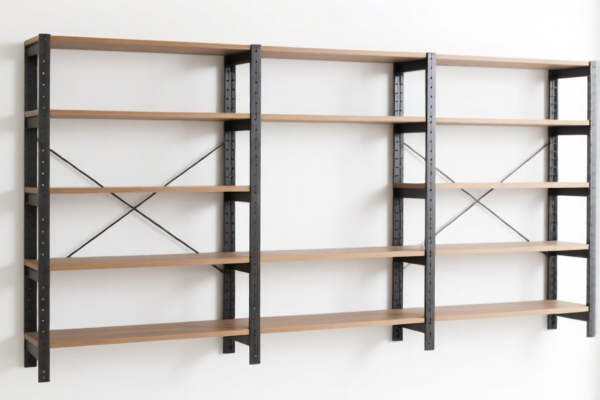
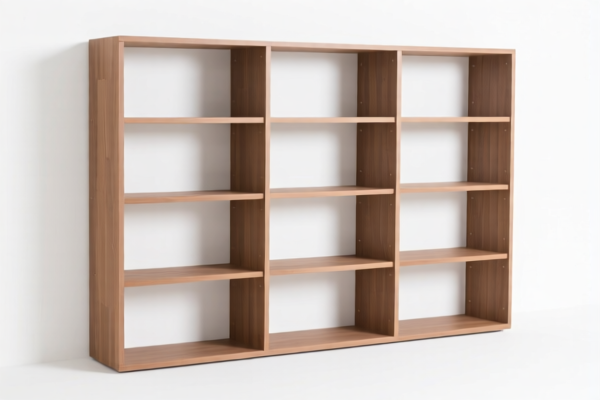
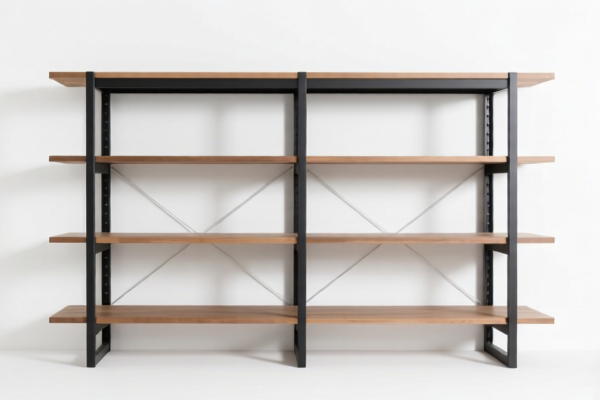
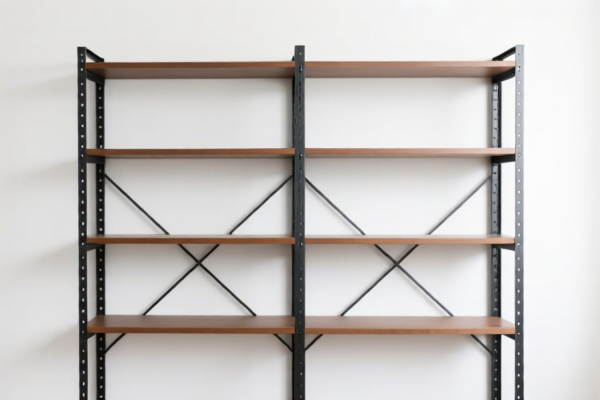
AI Analysis
🗄️ Shelving Unit (Storage Rack)
🌐 HS Code Reference & Customs Clearance Guide | 2026 Latest Tariff Analysis | Professional-Level Clearance Strategy
📌 I. Product Definition & Classification: What Exactly is a "Shelving Unit"?
A Shelving Unit is a general term for storage furniture designed to hold goods, materials, or household items. In international trade, classification is strictly material-dependent. The same physical object can have vastly different HS Codes and tax liabilities depending on whether it is made of Wood or Metal (Iron/Steel).
⚠️ Critical Distinction:
- Wooden/Bamboo Shelves → Fall under Chapter 44 (Wood & Articles of Wood).
- Metal (Iron/Steel) Shelves → Fall under Chapter 73 (Articles of Iron or Steel) OR Chapter 94 (Furniture).
- Misclassification Risk: Declaring a steel shelf as wood (or vice versa) leads to severe penalties, confiscation, or massive tariff miscalculations.
📦 II. HS Code Classification Matrix (Based on Provided Data)
Based on the inferred material and structure of "Shelving Units," the following HS Codes apply. Note that Wood and Metal categories have completely different tax structures.
🪵 Category A: Wooden/Bamboo Shelving Units (Chapter 44)
| HS Code | Product Description | Summary & Logic | Total Tax Rate |
|---|---|---|---|
4421.91.98.80 |
Wooden other articles; Storage racks (implied wood) | Summary: Based on the name "Shelving Unit" and its use, it is reasonably inferred to be made of wood (e.g., bamboo or wood). It fits the "Other" category under "Other wooden articles." No material or form conflict. | 38.3% |
4421.99.98.80 |
Wooden other articles; Other | Summary: Matches the use of "Shelving Unit." Reasonably inferred as wooden (within the scope of Chapter 44). Belonging to the "Other" sub-category for non-specific products. No material conflict. | 38.3% |
🔍 Key Insight for Wood:
Both codes result in the same total tax rate (38.3%). The distinction lies in the sub-heading detail, but for tariff calculation purposes in this context, they are identical.
🏗️ Category B: Metal (Iron/Steel) Shelving Units (Chapter 73 & 94)
| HS Code | Product Description | Summary & Logic | Total Tax Rate |
|---|---|---|---|
7326.90.86.30 |
Articles of iron or steel; Other | Summary: Common sense dictates most storage racks are metal (iron/steel). Their function is support, fitting "tubes and similar supports." No obvious material/category conflict. | 87.9% |
7326.90.86.88 |
Articles of iron or steel; Other | Summary: Inferred material is iron/steel, fitting "Articles of iron or steel." As a "catch-all" category under "Other," it is deemed compliant in the absence of material conflicts. | 87.9% |
9403.20.00.82 |
Furniture; Metal furniture; Other | Summary: Use Match: "Shelving Unit" fits "Storage cabinets, shelves." Material Match: Common sense implies metal furniture. No conflict with "Other metal furniture." | 85.0% |
🔍 Key Insight for Metal:
- Chapter 73 Codes (7326...) carry the highest burden (87.9%) due to the specific "Steel, Aluminum, Copper Products Additional Tariff." - Chapter 94 Code (9403.20.00.82) is slightly cheaper (85.0%) but still heavily taxed. It classifies the item as "Furniture" rather than just an "Industrial Article."
💰 III. 2026 Latest Tariff Rate Breakdown (Detailed Policy Analysis)
✅ Applicable Country: USA (US)
✅ Origin: China (CN)
✅ Effective Date: Current rates include ongoing Section 301 and IEEPA tariffs.
🎯 1. Wooden Shelving Units (4421.91.98.80 / 4421.99.98.80)
| Item | Content |
|---|---|
| Base Duty Rate | 3.3% |
| Section 301 Additional Duty | +25.0% (Standard for many wood products from China) |
| IEEPA Additional Duty | +10.0% (Section 122 Tariff on China) |
| Total Effective Rate | 38.3% |
| Calculation Basis | CIF Value × 38.3% |
| De Minimis Exemption | ❌ Not Eligible |
| Legal Basis Path | HTSUS:4421.91.98.80 → USITC:Section 301 → IEEPA:Section 122 |
📌 Explanation:
- The 3.3% is the standard Most Favored Nation (MFN) duty for wooden articles.
- The 25% is the standard Section 301 tariff applied to Chinese goods.
- The 10% is an additional layer specifically cited in the data (Section 122/IEEPA).
- Total: 38.3%. This is high for consumer goods but significantly lower than the metal counterparts.
🎯 2. Metal Shelving Units (7326.90.86.30 / 7326.90.86.88)
| Item | Content |
|---|---|
| Base Duty Rate | 2.9% |
| Section 301 Additional Duty | +25.0% |
| IEEPA Additional Duty | +10.0% |
| Special Metal Surcharge | +50.0% (Steel, Aluminum, Copper Products Additional Tariff) |
| Total Effective Rate | 87.9% |
| Calculation Basis | CIF Value × 87.9% |
| De Minimis Exemption | ❌ Not Eligible |
| Legal Basis Path | HTSUS:7326.90.86.30 → USITC:Section 301 → IEEPA:Section 122 → Special Metal Tariff |
📌 Explanation:
- The 2.9% is the base duty for articles of iron/steel.
- The 25% and 10% are standard trade war surcharges.
- Crucial: The +50% is a specific surcharge for Steel, Aluminum, and Copper products. This is the primary driver of the high cost.
- Total: 87.9%. This is an extremely high tariff wall, making metal shelving imports from China very expensive.
🎯 3. Metal Furniture Shelving (9403.20.00.82)
| Item | Content |
|---|---|
| Base Duty Rate | 0.0% |
| Section 301 Additional Duty | +25.0% |
| IEEPA Additional Duty | +10.0% |
| Special Metal Surcharge | +50.0% (Steel, Aluminum, Copper Products Additional Tariff) |
| Total Effective Rate | 85.0% |
| Calculation Basis | CIF Value × 85.0% |
| De Minimis Exemption | ❌ Not Eligible |
| Legal Basis Path | HTSUS:9403.20.00.82 → USITC:Section 301 → IEEPA:Section 122 → Special Metal Tariff |
📌 Explanation:
- Even though the base duty is 0%, the 50% metal surcharge still applies because it is made of steel.
- Total: 85.0%. Slightly better than Chapter 73 (87.9%) but still prohibitive.
🛠️ IV. Customs Clearance Practical Advice (Avoid Pitfalls)
✅ 1. Preparation Checklist (Must-Haves)
| Document | Required | Description |
|---|---|---|
| ✅ Product Specifications | ✔️ | Must clearly state Material (e.g., "Solid Wood," "Powder-Coated Steel"). Ambiguity leads to reclassification. |
| ✅ Material Certificate | ✔️ | For metal: Proof of steel/aluminum content. For wood: Proof of wood type/bamboo. |
| ✅ Product Photos | ✔️ | Clear images showing joints, finishes, and load-bearing structure. |
| ✅ Commercial Invoice | ✔️ | Accurate description: "Wooden Storage Rack" vs. "Metal Shelving Unit." Do not use vague terms like "Rack" without material. |
| ✅ Bill of Lading | ✔️ | Ensure HS Codes match the invoice exactly. |
✅ 2. Declaration Tips (Key Mantras)
🔥 "Material First, Structure Second! Wood is Cheap, Metal is Heavy Tax!"
| Scenario | Correct Declaration | Wrong Practice |
|---|---|---|
| Wooden Shelf | HS: 4421.91.98.80Description: "Wooden Storage Shelving Unit" |
Misdeclaring as metal to avoid 38.3%? → Fraud! |
| Metal Shelf (Industrial) | HS: 7326.90.86.30Description: "Steel Support Rack" |
Trying to hide the 50% surcharge? → Seized! |
| Metal Shelf (Household) | HS: 9403.20.00.82Description: "Metal Furniture Shelf" |
No difference in tax, but "Furniture" may face different inspection rules. |
| Mixed Materials | Check Dominant Material! | If frame is steel and shelves are wood → Likely classified as Metal (Chapter 73/94) due to structural integrity. |
✅ 3. Special Case Handling
| Scenario | Advice |
|---|---|
| OEM Custom Shelving | Provide design drawings. If the frame is metal but surfaces are wood veneer, it may still be classified as metal. |
| Kit Assembled vs. Pre-Assembled | Both are subject to the same HS Code. Do not try to split into "parts" to reduce tax; it will likely be aggregated. |
| Origin Labeling | Ensure "Made in China" is visible. This triggers the Section 301 and IEEPA tariffs. If re-exported from Vietnam, ensure sufficient transformation. |
🌍 V. Global Market Comparison (2026 Latest)
| Country/Region | Recommended HS Code (Wood) | Tax Rate (China Origin) | Recommended HS Code (Metal) | Tax Rate (China Origin) | Notes |
|---|---|---|---|---|---|
| 🇺🇸 USA | 4421.91.98.80 |
38.3% | 9403.20.00.82 / 7326.90.86.88 |
85.0% - 87.9% | USA has the highest metal tariffs due to the 50% steel surcharge. |
| 🇨🇳 China | 4421.91.98.80 |
~5-10% (VAT+Duty) | 9403.20.00.82 |
~5-10% (VAT+Duty) | Domestic consumption has standard rates, no Section 301. |
| 🇪🇺 EU | Varies by member state | Standard MFN (~3-5%) | Standard MFN (~4-6%) | Standard MFN (~4-6%) | EU does not have the 50% steel surcharge. Much cheaper for metal. |
| 🇬🇧 UK | Standard MFN | Low | Standard MFN | Low | Post-Brexit, UK follows its own tariff schedule, generally lower than US for steel. |
📌 Conclusion:
- If shipping to the USA:
- Wooden Shelving is the preferred option (38.3% vs 85%+).
- Metal Shelving is prohibitively expensive due to the 50% steel tariff. Consider sourcing from non-China origins (e.g., Vietnam, Thailand) if possible to mitigate Section 301, though steel surcharges may still apply depending on free trade agreements.
📌 VI. Common Errors & Pitfalls (Blood & Tears Lessons)
❌ Error 1: Declaring a Steel Rack as "Wooden" to save tax
👉 Consequence: Customs inspection reveals steel. Heavy fines, retroactive tax payment (87.9%), and legal action.
❌ Error 2: Using "Shelf" as a generic description
👉 Consequence: Customs officer has to guess. If they guess wrong, you face delayed clearance while they request clarification or issue a reclassification notice.
❌ Error 3: Ignoring the "50% Steel Surcharge"
👉 Consequence: Budgeting 30% tax, but actually paying 85%. Profit margin wiped out.
❌ Error 4: Splitting a metal rack into "Shelves" and "Frame"
👉 Consequence: The whole unit is considered one article. Splitting does not reduce the total tax and adds administrative burden.
✅ Correct Approach:
"Be Specific, Be Accurate. If it's Steel, Expect the 50% Hit. If it's Wood, Prepare for 38%."
🎯 VII. Conclusion: Professional Declaration, Cost Control, Efficient Clearance!
🎯 Remember the Mantras:
🔹 "Wood is 38%, Metal is 85%+. Material defines the tax!"
🔹 "HS Code determines life or death. A 50% steel surcharge can kill your business!"
📌 Tips:
- If your product is Metal, strongly consider origin diversification (e.g., Southeast Asia) to avoid China-specific tariffs.
- For Wood, ensure it is not treated with certain chemicals that might fall under different environmental regulations.
- Always apply for an Advance Ruling if the material is ambiguous (e.g., wood veneer on steel frame).
📣 Immediate Action:
📞 Contact your freight forwarder with exact material specifications.
🚀 Calculate the true landed cost: CIF + 38.3% (Wood) OR CIF + 87.9% (Metal).
💼 Your profit margin depends on accurate classification!
✨ Professional Clearance Starts with Precise Classification!
💼 Every penny of tax is worth calculating precisely!
Customer Reviews
About HS Code Classification
The Harmonized System (HS) is an internationally standardized nomenclature developed by the World Customs Organization (WCO) to classify traded products. Over 200 countries use the HS system as the basis for customs tariffs, trade statistics, and import/export regulations.
Each HS code follows a hierarchical structure:
- Chapter (2 digits) — Broad category of goods (e.g., Chapter 84: Machinery and Mechanical Appliances)
- Heading (4 digits) — More specific grouping within the chapter
- Subheading (6 digits) — Internationally standardized breakdown, used by all WCO member countries
- National subdivisions (8-10 digits) — Country-specific extensions for further classification, such as US HTSUS 10-digit codes
Correct HS code classification is essential for smooth customs clearance, accurate duty payment, and compliance with trade regulations. Misclassification can lead to customs delays, overpayment of duties, or penalties.
When importing from CN to US, the applicable tariff rates may include:
- Most-Favored-Nation (MFN) rate — The standard duty rate applied to WTO members
- General rate — Applied to countries without trade agreements
- Trade remedy duties — Additional tariffs such as Section 301 (anti-dumping), Section 232 (national security), or countervailing duties
The information provided on this page is for reference purposes only. For official classification, please consult with your local customs authority or a licensed customs broker.