Shirt
CN → US| HS Code | Tariff Rate | Origin | Destination | Doc |
|---|---|---|---|---|
| 6205202026 | 37.2% | CN | US | Official Doc |
| 6105100030 | 37.2% | CN | US | Official Doc |
| 6206303045 | 32.9% | CN | US | Official Doc |
| 6205302030 | 0.0% | CN | US | Official Doc |
| 6117909030 | 32.1% | CN | US | Official Doc |
Product Images
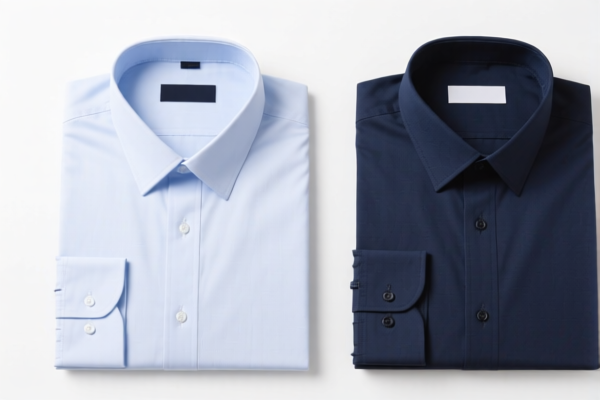
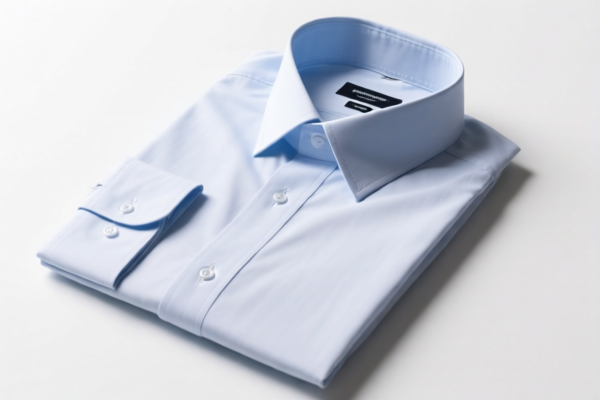
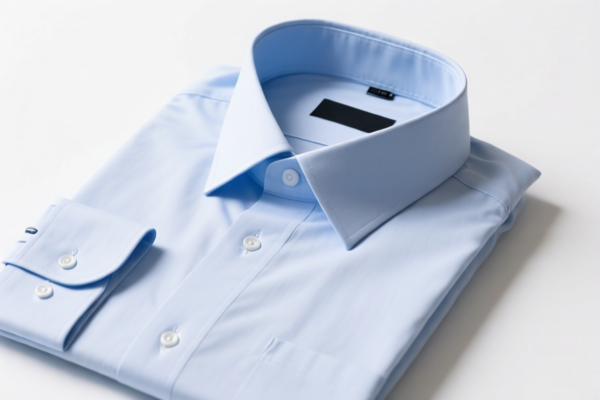
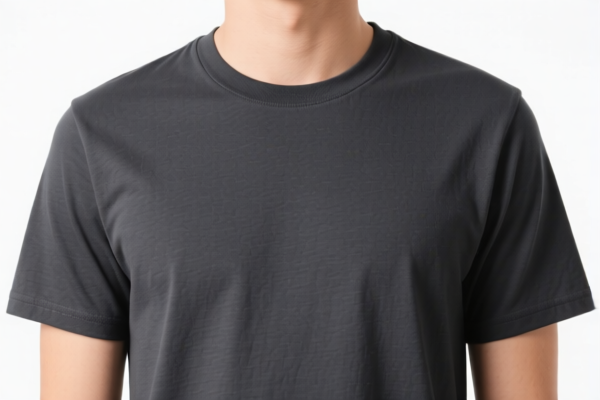
AI Analysis
Here is the comprehensive, Wiki-style guide for the Shirt product, based strictly on the provided data.
👔 Shirt (Men's & Women's) – Global Tariff & HS Code Master Guide (2026 Edition)
🚀 Fast-Track Clearance Strategy | High-Risk Tariff Analysis | Professional Classification Guide
🌐 Introduction: Are You Sure You Know What a "Shirt" Is?
In the complex world of international trade, a "Shirt" is not just a piece of clothing. It is a high-stakes classification challenge where a single missing detail (like material composition) can trigger massive tariff spikes or customs delays.
Based on the latest 2026 US Import Data, shirts are categorized primarily by Fabric Composition (Cotton, Man-Made) and Construction Method (Knitted vs. Woven).
⚠️ CRITICAL WARNING:
- Knitted shirts (like T-shirts) fall under Chapter 61.
- Woven shirts (like dress shirts) fall under Chapter 62.
- Missing Material Info? The system infers "Cotton" or "Other," but this is risky. Always declare material!
- Accessories? Shirt collars have their own code (6117.90.90.30).
📦 I. HS Code Classification Matrix (2026 Data Breakdown)
Below is the precise classification based on Product Shape, Material Inference, and Tax Logic.
| HS Code | Product Description (Inferred) | Construction/Type | Material Logic | Total Tax Rate |
|---|---|---|---|---|
| 6205.20.20.26 | Men's Woven Shirt | Woven, Cotton-based | Based on shape match, inferred Cotton | 37.2% |
| 6105.10.00.30 | Men's Knitted Shirt | Knitted (T-shirt style) | Shape consistent, material inferred | 37.2% |
| 6206.30.30.45 | Women's Woven Shirt | Woven, Cotton-based | Matches form, inferred Cotton (Fallback) | 32.9% |
| 6205.30.20.30 | Men's Woven Shirt (Mixed) | Woven, Other/Unknown | Fits form, inferred as "Other" category | 29.1¢/kg + 35.9% |
| 6117.90.90.30 | Shirt Collar | Accessory/Part | Matches use/shape, inferred Man-Made Fiber | 32.1% |
🔍 Key Insight:
- 61xx Series: Knitted garments (Stretchy, T-shirt fabric).
- 62xx Series: Woven garments (Crisp, Button-down fabric).
- 6117 Series: Parts and accessories (e.g., separate collars, cuffs).
💰 II. Deep Dive: Tax Rate Analysis & Legal Breakdown
🇺🇸 Target Market: United States
🇨🇳 Origin: China
📅 Effective: Current Trade Measures (Section 301 & 122)
🎯 1. The "Cotton Woven" Heavyweight (6205.20.20.26 & 6206.30.30.45)
- Base Duty: 19.7% (Standard MFN rate)
- Section 301 (Additional): +7.5% (Targeted trade barrier)
- Section 122 (Reciprocal): +10.0% (Newest retaliatory tariff)
- 🔥 TOTAL TAX: 37.2% (For 6205) / 32.9% (For 6206)
- Legal Path:
Base Tariff (19.7%)→Sec 301 (7.5%)→Sec 122 (10%)
💡 Why the difference?
Women's woven shirts (6206) have a slightly lower base duty (15.4%) compared to Men's (6205at 19.7%), resulting in a 32.9% total vs 37.2%.
🎯 2. The "Unknown Material" Trap (6205.30.20.30)
- Structure: 29.1 cents per kg (Specific Duty) + 25.9% (Ad Valorem).
- Note: NO Section 301 surcharge (0.0%), but YES Section 122 (10%).
- Total Effective Rate: ~35.9% (Variable based on weight/value ratio).
- ⚠️ Risk: If your shirt is actually 100% Cotton but declared "Other," you might pay a higher specific duty. Always declare Cotton!
🎯 3. The Accessory Loophole (6117.90.90.30)
- Product: Shirt Collars (Standalone).
- Base Duty: 14.6%
- Section 301: +7.5%
- Section 122: +10.0%
- Total: 32.1%
- Logic: Inferred as "Man-Made Fiber" (Synthetic) due to "Fallback Logic" for accessories.
🛠️ III. Customs Clearance Strategy: How to Avoid Delays & Fines
✅ 1. Declaration Best Practices (The "Golden Rule")
Do NOT just write "Shirt" on the commercial invoice. You must be specific.
❌ BAD:
Shirt, 100 pieces, China Origin✅ GOOD:Men's Woven Shirt, 100% Cotton, Class: 6205.20, Origin: CN
| Declaration Field | Required Info | Why? |
|---|---|---|
| Product Name | "Woven Shirt" vs. "Knitted Shirt" | Determines Chapter 61 vs. 62. |
| Material | "100% Cotton" or "90% Poly/10% Elastane" | Prevents "Inference" errors that trigger audits. |
| Weight | Gross & Net Weight (kg) | Critical for 6205.30 specific duty calculations. |
| HS Code | 8-10 digits (e.g., 6205.20.20.26) | Ensures correct tax matrix application. |
✅ 2. Critical "Inference" Traps to Avoid
- The "Missing Material" Trap: If you omit material, Customs will infer it (e.g., as Cotton). If your product is actually Polyester, you may face misdeclaration penalties or a different tax rate than calculated.
- The "Collar" Trap: Do not declare a standalone collar as a "Shirt." Declare it as
6117.90.90.30. If you miss this, you risk paying the wrong tax or a "parts" audit. - The "Section 122" Surprise: Ensure you understand the 10% Section 122 tariff. It applies to almost all shirt categories in the dataset provided.
✅ 3. Documentation Checklist
| Document | Status | Purpose |
|---|---|---|
| Commercial Invoice | ✅ Mandatory | Must list HS Code, Material %, and Unit Price. |
| Packing List | ✅ Mandatory | Weight verification for specific duty items. |
| Bill of Lading | ✅ Mandatory | Origin confirmation. |
| Material Test Report | 🟡 Highly Recommended | Proves "Cotton" vs. "Man-Made" to avoid inference disputes. |
| Labeling | ✅ Mandatory | Fiber content label must match declaration. |
🚨 IV. Common Pitfalls & "Real Life" Scenarios
| Scenario | Mistake | Consequence |
|---|---|---|
| "Just a Shirt" | Declaring generic "Shirt" without material | Customs infers "Cotton" → Tax Audit if wrong. |
| "Knit vs. Woven" | Saying "Knitted" but packing "Woven" fabric | HS Code Mismatch → 100% Seizure Risk. |
| "Separate Collar" | Declaring collar as part of shirt | Undervaluation → Potential fraud accusation. |
| "100% Cotton" | Declaring Cotton but fabric is Blended | Duty Evasion → Fines + Retrospective Tax. |
📌 V. Expert Conclusion: The "Tax & Trade" Verdict
- High Tax Environment: Almost all shirts imported from China face ~32% to 37% total tariffs due to the combination of Base Duty + Sec 301 (7.5%) + Sec 122 (10%).
- Material is King: The difference between 32.9% and 37.2% is often just the gender of the wearer or the exact fabric blend. Accuracy saves money.
- No Magic Tricks: There is no "De Minimis" exemption for these items (as per the data,
deny_de_minimisapplies). Every shirt counts toward the tariff wall.
🚀 Pro Tip: If you are shipping Knitted T-shirts (
6105.10.00.30), you are in the same high-tax bracket as woven shirts. Do not expect lower rates based on style alone.
📢 Final Advice:
Prepare your Material Certificate and Detailed Invoice before booking freight. A single missing decimal in the HS Code or a vague material description can turn a $10,000 shipment into a $3,700 tax bill overnight.
🔒 Secure Your Clearance Today.
Precision Classification = Profit Protection.
Customer Reviews
About HS Code Classification
The Harmonized System (HS) is an internationally standardized nomenclature developed by the World Customs Organization (WCO) to classify traded products. Over 200 countries use the HS system as the basis for customs tariffs, trade statistics, and import/export regulations.
Each HS code follows a hierarchical structure:
- Chapter (2 digits) — Broad category of goods (e.g., Chapter 84: Machinery and Mechanical Appliances)
- Heading (4 digits) — More specific grouping within the chapter
- Subheading (6 digits) — Internationally standardized breakdown, used by all WCO member countries
- National subdivisions (8-10 digits) — Country-specific extensions for further classification, such as US HTSUS 10-digit codes
Correct HS code classification is essential for smooth customs clearance, accurate duty payment, and compliance with trade regulations. Misclassification can lead to customs delays, overpayment of duties, or penalties.
When importing from CN to US, the applicable tariff rates may include:
- Most-Favored-Nation (MFN) rate — The standard duty rate applied to WTO members
- General rate — Applied to countries without trade agreements
- Trade remedy duties — Additional tariffs such as Section 301 (anti-dumping), Section 232 (national security), or countervailing duties
The information provided on this page is for reference purposes only. For official classification, please consult with your local customs authority or a licensed customs broker.