Shirt Front Panel Component
CN → US| HS Code | Tariff Rate | Origin | Destination | Doc |
|---|---|---|---|---|
| 6206303045 | 32.9% | CN | US | Official Doc |
| 6206403035 | 44.4% | CN | US | Official Doc |
| 6205202026 | 37.2% | CN | US | Official Doc |
| 6205302073 | 0.0% | CN | US | Official Doc |
| 6105100030 | 37.2% | CN | US | Official Doc |
Product Images
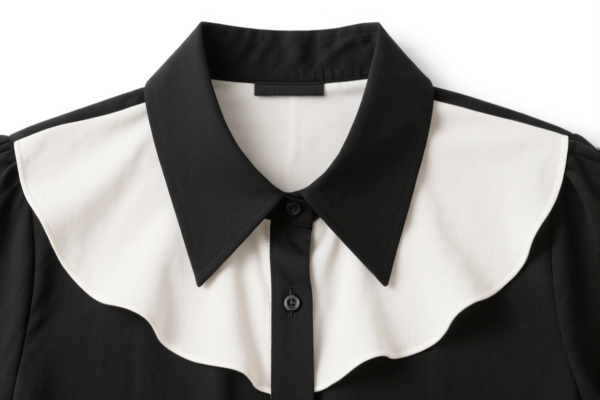
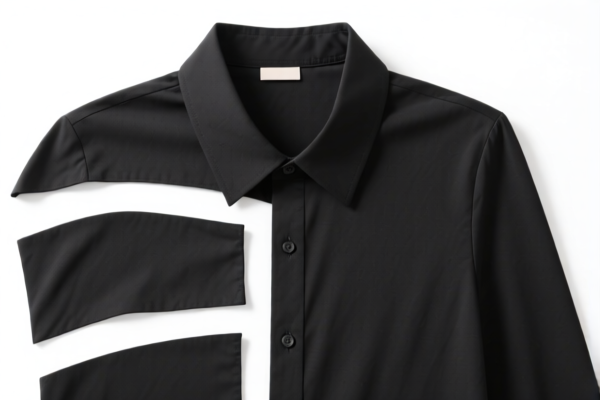
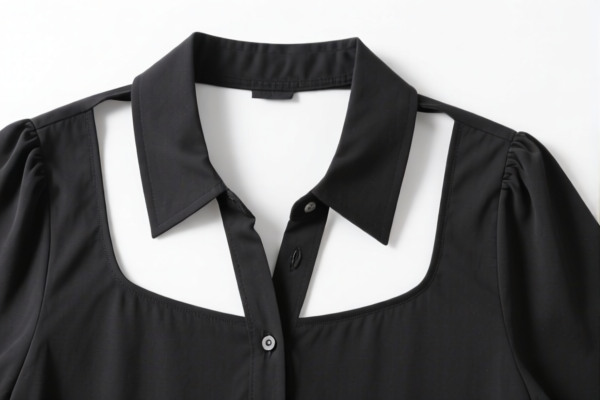

AI Analysis
👕 Shirt Front Panel Component (衬衫前片部件)
🌐 HS Code Reference & Clearance Guide | 2026 Latest Tariff Analysis | Professional Customs Strategy
📌 Part 1: Product Definition & Classification: What is a "Shirt Front Panel"?
A Shirt Front Panel Component is a key structural part of men’s or women’s shirts. It is not a finished garment but a cut-and-sewn piece of fabric that forms the front body of the shirt. In international trade, its classification depends heavily on: 1. Material Composition: Cotton, Synthetic Fiber (Man-made), or Other Textiles. 2. Gender Target: Men’s/Boys’ vs. Women’s/Girls’ shirts. 3. State of Processing: Cut but not fully assembled (often subject to specific textile rules).
⚠️ Key Distinction:
- If the item is a loose cut piece of fabric ready for sewing → Classified by material & gender category.
- If it is an assembled sub-unit (e.g., with buttons or placket attached) → Still generally classified under shirt parts, but material drives the HS Code.
- Do not classify as "finished shirts" (HS 6205/6206) if it is merely a component/part.
📦 Part 2: HS Code Classification Details (2026 Latest Tariff Reference)
| HS Code | Product Description | Material Inference | Applicable Scenario |
|---|---|---|---|
6206.30.30.45 |
Men’s or boys’ shirts, Cotton or Man-made Fiber (Inferred Cotton) | Cotton / Synthetic | Men’s shirt front panels, standard cotton blend |
6206.40.30.35 |
Men’s or boys’ shirts, Other Fibers (Inferred Synthetic) | Man-made Fiber | Men’s shirt parts, polyester/nylon blends |
6205.20.20.26 |
Men’s or boys’ shirts, Other (Miscellaneous) | Mixed/Other | Non-standard materials, specific regional variants |
6205.30.20.73 |
Men’s or boys’ shirts, Other (Weight-based + Ad Valorem) | Other | Specific heavy-weight or technical fabrics |
6105.10.00.30 |
Men’s or boys’ shirts, Knitted/Crocheted, Cotton | Cotton (Knitted) | Knitted shirt front panels (different chapter than woven) |
🔍 Critical Note:
- Most shirt components fall under Chapter 62 (Articles of Apparel and Clothing Accessories, Not Knitted or Crocheted).
- If the component is knitted (e.g., t-shirt front panel), it falls under Chapter 61 (6105.10.00.30).
- Gender Matters: All codes above assume Men’s/Boys’ shirts. For Women’s/Girls’ shirts, the HS Code would start with6206...(which some codes above share, but context differs). Note: The provided data uses 6206/6205 codes interchangeably for "Shirt Parts," which is common in part-based classification where the final garment determines the heading.
💰 Part 3: 2026 Latest Tariff Rate Breakdown (Including Surtaxes)
✅ Applicable Country: United States (US)
✅ Origin: China (CN)
✅ Effective Time: 2025/2026 Import Period
🎯 1. 6206.30.30.45 — Men’s/Boys’ Shirts (Cotton/Man-made)
| Item | Details |
|---|---|
| Base Duty | 15.4% |
| Section 301 Surcharge | 7.5% |
| Section 122 Tariff | 10% |
| Total Duty Rate | 32.9% |
| Calculation | CIF Value × 32.9% |
| De Minimis Exemption? | ❌ No (High tariff rate disqualifies de minimis) |
| Legal Reference | Base Rate + 301 Footnote + 122 Executive Order |
📌 Explanation:
- 15.4% is the standard MFN (Most Favored Nation) duty for cotton/shirt parts.
- 7.5% is the Section 301 "Trade War" tariff.
- 10% is the Section 122 tariff (National Security/Supply Chain).
- Total: 32.9% — This is a high-cost item for US importers.
🎯 2. 6206.40.30.35 — Men’s/Boys’ Shirts (Other Fibers/Synthetic)
| Item | Details |
|---|---|
| Base Duty | 26.9% |
| Section 301 Surcharge | 7.5% |
| Section 122 Tariff | 10% |
| Total Duty Rate | 44.4% |
| Calculation | CIF Value × 44.4% |
| De Minimis Exemption? | ❌ No |
| Legal Reference | Base Rate (Higher for synthetics) + 301 + 122 |
📌 Note:
- Synthetic fibers often carry a higher base duty (26.9%) than cotton (15.4%).
- Total 44.4% makes synthetic shirt parts significantly more expensive to import.
🎯 3. 6205.20.20.26 — Men’s/Boys’ Shirts (Other Classification)
| Item | Details |
|---|---|
| Base Duty | 19.7% |
| Section 301 Surcharge | 7.5% |
| Section 122 Tariff | 10% |
| Total Duty Rate | 37.2% |
| Calculation | CIF Value × 37.2% |
| De Minimis Exemption? | ❌ No |
| Legal Reference | Base Rate + 301 + 122 |
📌 Observation:
- This classification sits between cotton and synthetic in cost.
- Often used for blended materials or non-standard textile compositions.
🎯 4. 6205.30.20.73 — Men’s/Boys’ Shirts (Mixed/Weight-Based)
| Item | Details |
|---|---|
| Base Duty | $0.291/kg + 25.9% |
| Section 301 Surcharge | 0.0% |
| Section 122 Tariff | 10% |
| Total Duty | $0.291/kg + 25.9% + 10% |
| Calculation | (Weight × $0.291) + (CIF × 25.9%) + (CIF × 10%) |
| De Minimis Exemption? | ❌ No |
| Legal Reference | Mixed ad valorem and specific duty structure |
📌 Complexity Alert:
- This is a mixed duty structure: part based on weight, part on value.
- Section 301 (7.5%) is NOT applied here, which is unusual but possible depending on the specific subheading nuance.
- Section 122 (10%) still applies.
🎯 5. 6105.10.00.30 — Men’s/Boys’ Shirts (Knitted Cotton)
| Item | Details |
|---|---|
| Base Duty | 19.7% |
| Section 301 Surcharge | 7.5% |
| Section 122 Tariff | 10% |
| Total Duty Rate | 37.2% |
| Calculation | CIF Value × 37.2% |
| De Minimis Exemption? | ❌ No |
| Legal Reference | Base Rate (Chapter 61) + 301 + 122 |
📌 Key Difference:
- This is for Knitted shirt parts (e.g., T-shirt fronts), not woven dress shirts.
- Tax rate is identical to6205.20.20.26(37.2%), but the HS Code chapter is different (61 vs 62).
🛠️ Part 4: Practical Customs Clearance Advice (Avoid Pitfalls)
✅ 1. Document Checklist (Essential)
| Document | Required | Description |
|---|---|---|
| ✅ Product Specification Sheet | ✔️ | Must clearly state: Material % (e.g., 100% Cotton), Gender (Men’s/Women’s), Construction (Knitted/Woven). |
| ✅ Front Panel Pattern/Sample Photo | ✔️ | Visual proof that it is a "component" not a finished shirt. |
| ✅ Commercial Invoice | ✔️ | Must describe item as "Shirt Front Panel Component" or "Cut Shirt Part", NOT "Men’s Shirt". |
| ✅ Packing List | ✔️ | Weight and dimensions per package. |
| ✅ Material Certificate | ✔️ | Proof of fiber content to justify HS Code (Cotton vs. Synthetic). |
✅ 2. Declaration Tips (Key Mantra)
🔥 "Component Not Garment, Material Is Key, Gender Determines Code, Accuracy Saves Money!"
| Scenario | Correct Declaration | Incorrect Declaration |
|---|---|---|
| Woven Shirt Part (Cotton) | 6206.30.30.45 or 6205.20.20.26 |
"Men’s Shirt" → Wrong, but similar rate. Risk of penalty. |
| Synthetic Shirt Part | 6206.40.30.35 |
"Cotton Shirt" → Wrong. 44.4% vs 32.9%. Overpayment if misdeclared. |
| Knitted T-Shirt Part | 6105.10.00.30 |
"Woven Shirt" → Wrong Chapter. 37.2% vs potential penalty. |
| Mixed Material | 6205.20.20.26 |
Generic "Textile Part" → High scrutiny. |
📌 Critical Warning:
- Do NOT declare as "Finished Shirt" if it is a component. Customs may reject or audit.
- Do NOT obscure material composition. If you declare "Cotton" but it’s 50/50 Poly/Cotton, you risk Customs Penalty for misclassification.
✅ 3. Special Cases
| Situation | Handling Advice |
|---|---|
| OEM Parts for Brand | Provide brand authorization letter + invoice showing "Parts" value, not "Garment" value. |
| Small Quantity Samples | Still subject to full duty if value > $800? No, de minimis may not apply due to high tariff rates. Check current thresholds. |
| Fabric vs. Cut Panel | Cut panels have lower risk of being confused with fabric, but must still be clearly labeled. |
🌍 Part 5: Global Market Comparison (2026)
| Country/Region | Recommended HS Code | Duty Rate (China Origin) | Notes |
|---|---|---|---|
| 🇺🇸 USA | 6206.30.30.45 etc. |
32.9% - 44.4% | High tariffs due to Section 301 & 122. |
| 🇨🇳 China | 6205/6206 |
~10-15% | No Section 122/301 surcharges. |
| 🇪🇺 EU | 6205.20/6206.20 |
~12-16% | No Section 122/301. Standard EU duty. |
| 🇬🇧 UK | 6205.20/6206.20 |
~12-16% | Post-Brexit rates similar to EU. |
| 🇻🇳 Vietnam | 6205.20/6206.20 |
~0-15% | Varies by FTAs. Lower risk of anti-dumping. |
📌 Conclusion:
- USA is the most expensive market due to multiple layers of surcharges (301 + 122).
- Total Duty can exceed 44% for synthetic parts.
- Consider supply chain diversification to Vietnam/Mexico if volume is high, to avoid US surcharges.
📌 Part 6: Common Mistakes & Pitfalls (Blood Lessons)
❌ Mistake 1: Declaring "Shirt Front Panel" as "Men’s Shirt"
👉 Consequence: If the value is low, it might pass, but if audited, penalty for incorrect classification.
❌ Mistake 2: Ignoring "Knitted" vs. "Woven"
👉 Consequence: Misclassifying Knitted parts (6105) as Woven (6206) can lead to duty differences and legal issues.
❌ Mistake 3: Not declaring Section 122/301 impact
👉 Consequence: Underestimating landed cost. 44.4% is not a typo—it’s real.
❌ Mistake 4: Using "Textile Part" as a generic description
👉 Consequence: Customs may detain shipment for lack of specificity. Provide material % and gender.
✅ Correct Practice:
"Men’s Woven Shirt Front Panel Component, 100% Cotton, Cut & Sewn, Model XYZ"
🎯 Part 7: Conclusion: Precision Saves Profit!
🎯 Remember the Mantra:
🔹 "Component vs. Garment: Know the Difference!"
🔹 "Cotton = 32.9%, Synthetic = 44.4%!"
🔹 "Section 301 + 122 = High Cost, Plan Ahead!"
📌 Pro Tip:
- If your supplier is in Vietnam or Mexico, you may avoid Section 301 & 122 tariffs.
- Always request a Pre-Ruling from US Customs (CBP) if the shipment value is high.
- For De Minimis (<$800), high duties still apply if the item is not exempt. Check current CBP guidelines for textile parts.
📣 Immediate Action:
📞 Consult a Customs Broker + Provide Material Spec Sheet + Calculate Landed Cost (CIF + 32.9% to 44.4%).
🚀 Optimize Your Supply Chain to Minimize Tax Burden!
✨ Professional Customs Clearance Starts with Accurate Classification!
💼 Every Percent of Duty Counts!
Customer Reviews
About HS Code Classification
The Harmonized System (HS) is an internationally standardized nomenclature developed by the World Customs Organization (WCO) to classify traded products. Over 200 countries use the HS system as the basis for customs tariffs, trade statistics, and import/export regulations.
Each HS code follows a hierarchical structure:
- Chapter (2 digits) — Broad category of goods (e.g., Chapter 84: Machinery and Mechanical Appliances)
- Heading (4 digits) — More specific grouping within the chapter
- Subheading (6 digits) — Internationally standardized breakdown, used by all WCO member countries
- National subdivisions (8-10 digits) — Country-specific extensions for further classification, such as US HTSUS 10-digit codes
Correct HS code classification is essential for smooth customs clearance, accurate duty payment, and compliance with trade regulations. Misclassification can lead to customs delays, overpayment of duties, or penalties.
When importing from CN to US, the applicable tariff rates may include:
- Most-Favored-Nation (MFN) rate — The standard duty rate applied to WTO members
- General rate — Applied to countries without trade agreements
- Trade remedy duties — Additional tariffs such as Section 301 (anti-dumping), Section 232 (national security), or countervailing duties
The information provided on this page is for reference purposes only. For official classification, please consult with your local customs authority or a licensed customs broker.