Shock Absorber Bracket
CN → US| HS Code | Tariff Rate | Origin | Destination | Doc |
|---|---|---|---|---|
| 7326190080 | 87.9% | CN | US | Official Doc |
| 7326908688 | 87.9% | CN | US | Official Doc |
| 4016995500 | 37.5% | CN | US | Official Doc |
| 4016993000 | 35.0% | CN | US | Official Doc |
| 8487900080 | 88.9% | CN | US | Official Doc |
Product Images


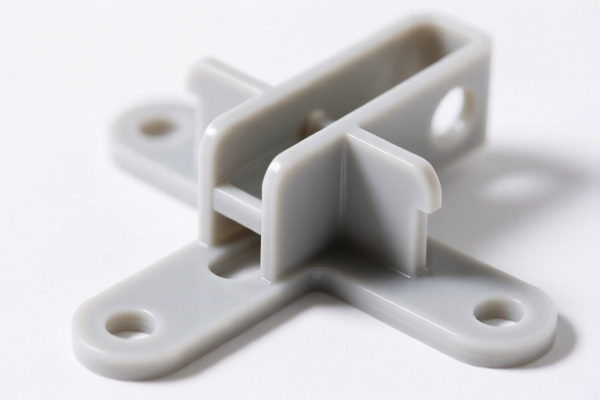
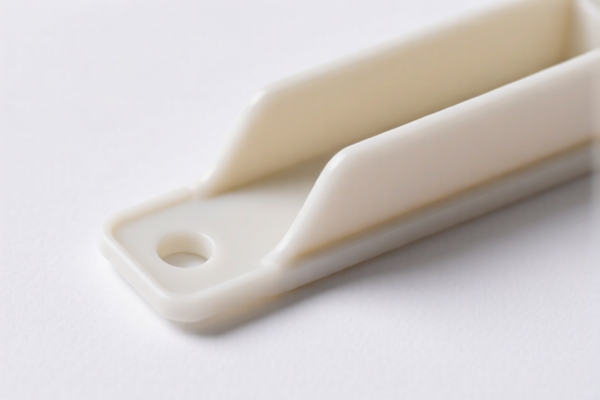
AI Analysis
🚗 Shock Absorber Bracket (The Hidden Hero of Vehicle Stability)
🌐 HS Code Reference & Customs Clearance Guide | 2026 Tax Regime Analysis | Professional Clearance Strategy
📌 One, Product Definition & Classification: What exactly is a "Shock Absorber Bracket"?
The Shock Absorber Bracket is a critical structural component in vehicle suspension systems, designed to mount, secure, and transfer the load of shock absorbers between the chassis and the wheel assembly. In international trade, its classification hinges entirely on the material composition and specific function:
- Iron/Steel Brackets (Structural): Purely metallic support structures used to hold the shock absorber in place. These fall under Chapter 73 (Articles of Iron or Steel).
- Rubber/Vibration Dampening Parts (Functional): Brackets that include rubber elements specifically designed to absorb shock and vibration, or pure rubber vibration parts used in the assembly. These fall under Chapter 40 (Rubber and Articles Thereof).
- Generic Mechanical Parts: If the bracket is a specialized, unnamed part of a larger machine (not just a vehicle), it may fall under Chapter 84.
⚠️ Key Classification Distinction:
- If it is a metal frame holding the shock absorber: It is classified as an "Iron/Steel Article" (HS 7326).
- If it contains natural or synthetic rubber as the primary vibration-dampening element: It is classified as a "Rubber Article" (HS 4016).
- If it is a specialized, non-standard mechanical part of a specific machine: It might be "Other Mechanical Parts" (HS 8487).
📦 Two, HS Code Classification Details (2026 Latest Tariff Concordance)
| HS Code | Product Description | Material Composition | Primary Function | Applicable Tariff Rate | | :--- | :--- | :--- | :--- : :--- | | 7326.19.00.80 | Steel Product Brackets | Iron / Steel | Structural support for shock absorbers | 87.9% | | 7326.90.86.88 | Other Iron/Steel Articles | Iron / Steel | Miscellaneous iron/steel parts (including generic brackets) | 87.9% | | 4016.99.55.00 | Rubber Vibration Parts | Synthetic Rubber | Vibration damping, rubber components in suspension | 37.5% | | 4016.99.30.00 | Natural Rubber Vibration Products | Natural Rubber | Vehicle shock absorption products (rubber-based) | 35.0% | | 8487.90.00.80 | Other Mechanical Parts | Mixed/Metal | Specialized parts of machinery (non-standard) | 88.9% |
🔍 Critical Reminder:
- Metal Brackets (7326) attract the highest tax due to the "Steel/Aluminum/Copper" specific surcharge.
- Rubber Brackets (4016) are significantly cheaper but require strict material verification (Natural vs. Synthetic).
- General Mechanical Parts (8487) often carry the highest rate due to the 50% surcharge on steel products if mixed.
💰 Three, 2026 Latest Tariff Rate Breakdown (Including Surcharges & Policy Add-ons)
✅ Applicable Country: United States (US)
✅ Country of Origin: China (CN)
✅ Effective Date: Based on 2026 current trade restrictions and Section 232/301/Section 122 clauses.
🎯 1. 7326.19.00.80 & 7326.90.86.88 —— Steel/Iron Brackets (The High-Cost Category)
| Item | Content |
|---|---|
| Base Duty | 2.9% (Standard MFN Rate) |
| Section 301 Surcharge (Added) | +25.0% (Trade Remedy Tariff) |
| Section 232 Surcharge (Steel/Alu/Copper) | +50.0% (Specific to Steel/Aluminum/Copper products under Section 122) |
| Total Duty | 87.9% |
| Tax Calculation | CIF Value × 87.9% |
| De Minimis Exemption | ❌ No (Section 122 and 301 surcharges apply fully) |
| Legal Path | Base: 2.9% + 301: 25.0% + 232 Steel: 50.0% = 87.9% |
📌 Explanation:
- This category is a "Triple Tax Hit". You pay the base duty, the Section 301 trade penalty, and the heavy Section 232 "Steel" surcharge.
- Note: Even if the bracket is small, the material (Steel) triggers the 50% surcharge. This makes metal shock absorber brackets extremely expensive to import into the US from China.
🎯 2. 4016.99.55.00 —— Synthetic Rubber Vibration Parts
| Item | Content |
|---|---|
| Base Duty | 2.5% |
| Section 301 Surcharge | +25.0% |
| Section 232 (General) | +10.0% (General "10%" clause for Section 122) |
| Total Duty | 37.5% |
| Tax Calculation | CIF Value × 37.5% |
| De Minimis Exemption | ❌ No |
| Legal Path | Base: 2.5% + 301: 25.0% + 122 Clause: 10.0% = 37.5% |
📌 Explanation:
- Rubber products avoid the massive 50% Steel surcharge.
- The rate is significantly lower than steel brackets (37.5% vs 87.9%).
- Crucial: Ensure the product is not "primarily" steel with a rubber coating; it must be classified as a rubber article.
🎯 3. 4016.99.30.00 —— Natural Rubber Shock Products
| Item | Content |
|---|---|
| Base Duty | 0.0% |
| Section 301 Surcharge | +25.0% |
| Section 232 (General) | +10.0% |
| Total Duty | 35.0% |
| Tax Calculation | CIF Value × 35.0% |
| De Minimis Exemption | ❌ No |
| Legal Path | Base: 0.0% + 301: 25.0% + 122 Clause: 10.0% = 35.0% |
📌 Explanation:
- This is the most tax-efficient option if the product is made of Natural Rubber.
- No base duty is applied, saving 2.5% compared to synthetic rubber.
🎯 4. 8487.90.00.80 —— Other Mechanical Parts
| Item | Content |
|---|---|
| Base Duty | 3.9% |
| Section 301 Surcharge | +25.0% |
| Section 232 (Steel) | +50.0% (If contains steel/aluminum/copper) |
| Total Duty | 88.9% |
| Tax Calculation | CIF Value × 88.9% |
| De Minimis Exemption | ❌ No |
| Legal Path | Base: 3.9% + 301: 25.0% + 232 Steel: 50.0% = 88.9% |
📌 Explanation:
- This is the worst-case scenario (highest rate).
- Usually applies if the bracket is considered a "part of a machine" and contains steel components, triggering the full 50% surcharge on top of the base rate.
🛠️ Four, Customs Clearance Practical Advice (Pitfall Avoidance Guide)
✅ 1. Preparation Checklist (Must-Haves)
| Material | Required? | Explanation |
|---|---|---|
| ✅ Material Certificate | ✔️ | Critical: Must explicitly state % of Steel vs. Rubber vs. Aluminum. |
| ✅ Product Structure Diagram | ✔️ | Show the assembly: Is the bracket metal with rubber inserts, or a rubber part with metal core? |
| ✅ Bill of Materials (BOM) | ✔️ | Breakdown of materials to prove classification (e.g., "90% Steel, 10% Rubber" vs "100% Rubber"). |
| ✅ Functional Description | ✔️ | Explain if it is a "support bracket" (Steel) or "vibration damper" (Rubber). |
| ✅ Photos (Clear View) | ✔️ | Show cross-sections or material textures. |
| ✅ Commercial Invoice | ✔️ | Must match the HS Code description exactly. |
✅ 2. Declaration Strategy (Key Mantra)
🔥 "Material Truth, Classification Right, Avoid Steel Trap!"
| Scenario | Correct Declaration | Wrong Declaration |
|---|---|---|
| Steel Bracket with Rubber Bushings | 7326.19.00.80 (Steel Bracket) | Declare as Rubber (4016) → Penalty + Re-classification |
| Pure Rubber Vibration Mount | 4016.99.30.00 (Natural Rubber) | Declare as Mechanical Part (8487) → Pay 88.9% instead of 35% |
| Mixed Material (Steel Frame + Rubber) | 7326 (If steel is primary structure) | Split shipment → Each part taxed separately |
| Generic "Bracket" (No Description) | Detailed Description Required | "Bracket" only → Customs delays + 100% audit |
✅ 3. Special Situations & Solutions
| Situation | Suggested Action |
|---|---|
| High Steel Content | Re-design: If possible, reduce steel usage or use aluminum (if applicable) to avoid the 50% "Steel" surcharge, or shift sourcing to non-Section 232 countries. |
| Rubber vs. Metal Confusion | Send Samples: Provide a physical sample to the broker. If the rubber component is the primary function (vibration), argue for 4016 classification. |
| OEM Custom Parts | Provide Engineering Drawing: Explicitly label the material composition in the drawing. |
| Small "Shrink Wrapping" | Bundle Carefully: Do not pack metal brackets with rubber parts in the same box unless declared correctly; mixed shipments complicate classification. |
🌍 Five, Global Market Clearance Comparison (2026)
| Country/Region | Recommended HS Code | Est. Duty (China Origin) | Key Requirement | Note |
|---|---|---|---|---|
| 🇺🇸 USA | 7326.19.00.80 / 4016.99.x |
35.0% - 88.9% | Section 232 (Steel) & 301 | Steel brackets are expensive (87.9%). |
| 🇨🇳 China | 7326 / 4016 |
2.5% - 5.0% | CCC, RoHS | No Section 232/301 surcharges. |
| 🇪🇺 EU | 7326 / 4016 |
2.5% - 3.0% | CE, E-mark | No 50% surcharge, but CE certification needed. |
| 🇯🇵 Japan | 7326 / 4016 |
0.0% - 3.5% | PSE, JIS | Generally lower duties, no Section 301. |
📌 Conclusion:
- USA is the "Trap Market" for steel brackets due to the 50% Section 232 surcharge.
- Rubber parts are the smart choice for US import if functionally viable (35-37.5% vs 87.9%).
- China/EU/Japan have standard duties without the punitive 50% steel surcharge.
📌 Six, Common Errors & Lessons Learned (Blood & Tears)
❌ Error 1: Declaring a Steel Bracket with Rubber Bushings as "Rubber Product" (4016).
👉 Consequence: Customs audits the steel content. 87.9% tariff applies, plus fines for false declaration.
❌ Error 2: Declaring "Shock Absorber Bracket" as "Mechanical Part" (8487) to avoid Section 232.
👉 Consequence: Customs determines it is primarily steel. 88.9% tariff applies (higher than steel bracket).
❌ Error 3: Mixing "Steel Brackets" and "Rubber Mounts" in one HS Code shipment.
👉 Consequence: Customs splits the shipment. One part taxed at 87.9%, the other at 37.5%.
❌ Error 4: Failing to specify "Steel/Aluminum/Copper" material in the description.
👉 Consequence: Automatic 50% surcharge applied as default for suspicious steel goods.
✅ Correct Action:
"Shock Absorber Mount, Natural Rubber (90%), Steel Insert (10%), Model XYZ, RoHS Certified."
(If primarily rubber, claim 4016. If primarily steel, claim 7326).
🎯 Seven, Conclusion: Smart Classification, Profit Protection!
🎯 Remember the Mantra:
🔹 "Steel = 87.9% (The High Cost)"
🔹 "Rubber = 35.0% (The Sweet Spot)"
🔹 "Don't Lie, Declare Truth, or Pay the Price!"
📌 Pro Tip:
If your Shock Absorber Bracket is 80%+ Rubber (e.g., rubber mounts, bushings), insist on 4016.99.30.00 (Natural Rubber) or 4016.99.55.00 (Synthetic) to save 50%+ in duties.
If it is Steel, consider sourcing from non-China countries or redesigning to reduce steel content if possible.
📣 Immediate Action Required:
📞 Contact your Broker NOW to verify the Material Composition Report.
🚀 Adjust your HS Code Declaration based on actual material (Steel vs. Rubber).
📉 Calculate the real landed cost before shipping to avoid surprise 87.9% bills!
✨ Professional Customs Clearance Starts with Accurate Material Classification!
💼 Your Profit Margin Depends on This 50% Difference!
Customer Reviews
About HS Code Classification
The Harmonized System (HS) is an internationally standardized nomenclature developed by the World Customs Organization (WCO) to classify traded products. Over 200 countries use the HS system as the basis for customs tariffs, trade statistics, and import/export regulations.
Each HS code follows a hierarchical structure:
- Chapter (2 digits) — Broad category of goods (e.g., Chapter 84: Machinery and Mechanical Appliances)
- Heading (4 digits) — More specific grouping within the chapter
- Subheading (6 digits) — Internationally standardized breakdown, used by all WCO member countries
- National subdivisions (8-10 digits) — Country-specific extensions for further classification, such as US HTSUS 10-digit codes
Correct HS code classification is essential for smooth customs clearance, accurate duty payment, and compliance with trade regulations. Misclassification can lead to customs delays, overpayment of duties, or penalties.
When importing from CN to US, the applicable tariff rates may include:
- Most-Favored-Nation (MFN) rate — The standard duty rate applied to WTO members
- General rate — Applied to countries without trade agreements
- Trade remedy duties — Additional tariffs such as Section 301 (anti-dumping), Section 232 (national security), or countervailing duties
The information provided on this page is for reference purposes only. For official classification, please consult with your local customs authority or a licensed customs broker.