Shoe
CN → US| HS Code | Tariff Rate | Origin | Destination | Doc |
|---|---|---|---|---|
| 6403999065 | 20.0% | CN | US | Official Doc |
| 6403999071 | 20.0% | CN | US | Official Doc |
| 6402993145 | 16.0% | CN | US | Official Doc |
Product Images
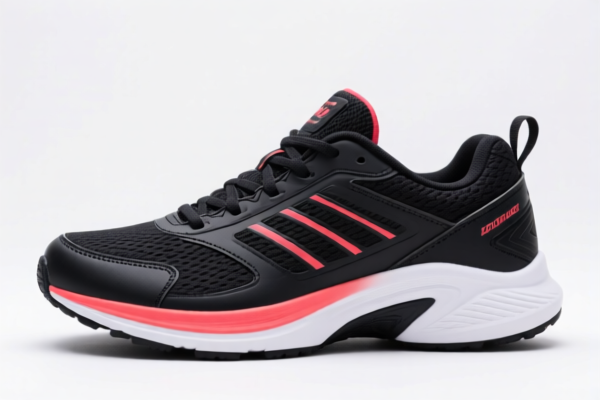
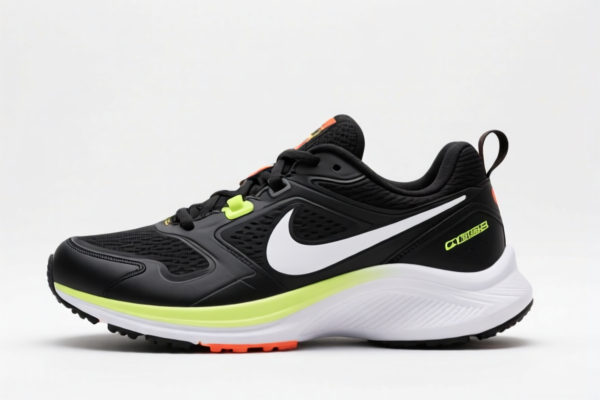
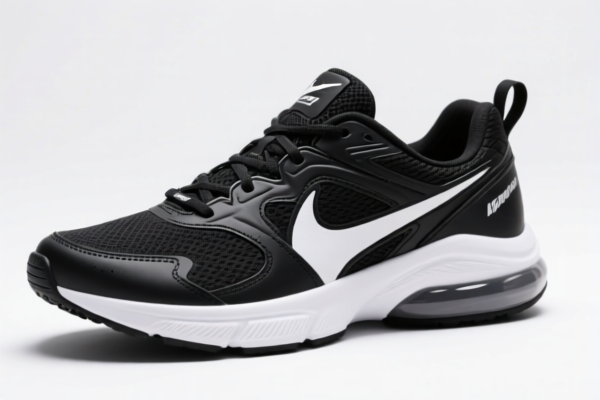
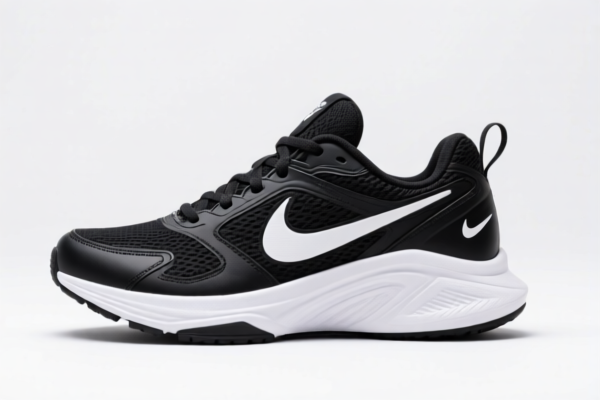
AI Analysis
🥿 Shoes (Footwear)
🌐 HS Code Reference & Customs Clearance Guide | 2026 Latest Tariff Analysis | Professional Entry Strategy
📌 I. Product Definition & Classification: Do You Truly Understand "Shoes"?
Footwear is a fundamental commodity in global trade, but its classification depends entirely on material composition and sole type. In international trade, shoes are broadly divided based on the upper material and the outsole construction:
- Leather-Upper Shoes: Characterized by genuine leather uppers, often paired with rubber/plastic soles. These fall under Chapter 64 (Rubber/Plastic Soles) or Chapter 61/62 (Textile/Other) depending on specific construction.
- Textile/Fabric-Upper Shoes: Made primarily of woven materials, canvas, or synthetic fabrics.
- Mixed/Material-Neutral Shoes: Footwear where the upper material is not clearly dominant or conflicts with standard categories, often falling into "catch-all" or residual subheadings.
⚠️ Key Distinction Point:
- If the upper is Leather and the sole is Rubber/Plastic → Look to 6403.99.90.xx series.
- If the material is ambiguous or lacks specific material conflict → Look to 6402.99.31.45 (Catch-all/Residual).
📦 II. HS Code Classification Details (2026 Latest Tariff Authority Comparison)
Based on the provided data, here are the specific HS Codes inferred for "Shoes":
| HS Code | Product Description (Inferred) | Key Characteristics | Material Logic |
|---|---|---|---|
6403.99.90.65 |
Shoes, inferred based on footwear morphology and leather upper with rubber/plastic outsole. | Standard Leather Shoe | Leather Upper + Rubber/Plastic Sole |
6403.99.90.71 |
Shoes, inferred based on footwear morphology and residual category for leather-upper footwear. | General Leather Shoe | Leather Upper (Residual/Other) |
6402.99.31.45 |
Shoes, inferred based on footwear morphology and no obvious material conflict (Residual Principle). | Ambiguous/Mixed Shoe | No Clear Material Conflict (Catch-all) |
🔍 Important Reminder:
-6403Series: Specifically targets shoes with leather uppers and rubber/plastic soles.
-6402Series: Generally targets shoes with rubber/plastic/leather soles and other uppers (or residual categories where material isn't strictly leather/textile defined in higher subheadings).
- Residual Codes (.45,.71,.65): These are "catch-all" subcategories. Misclassification here can lead to disputes if the actual material (e.g., synthetic leather vs. genuine leather) is not clearly documented.
💰 III. 2026 Latest Tariff Rate Details (Including Surtaxes & Policy Add-ons)
✅ Applicable Country: United States (US)
✅ Origin: China (CN) (Inferred from "Section 122" and typical trade context)
✅ Effective Time: Current applicable rates as per provided data
🎯 1. 6403.99.90.65 & 6403.99.90.71 — Leather-Upper Shoes
Both codes share the same tariff structure based on the provided data.
| Item | Content |
|---|---|
| Basic Tariff (MFN) | 10.0% |
| Section 301/Additional Tariff | 0.0% |
| Section 122 Tariff | +10.0% |
| Total Tariff Rate | 20.0% |
| Tax Calculation | CIF Value × 20% |
| De Minimis Exemption | ❌ Not Applicable (General rule for China-origin goods under 8U/Section 301 usually excludes de minimis, though Section 122 specifics vary, the total rate implies full application). |
| Legal Basis Path | HTSUS:6403.99.90.65/71 → Section 122 Tariff Act → Total 20% |
📌 Explanation:
- "Basic Tariff 10%": The standard Most Favored Nation (MFN) rate for leather-uppers shoes with rubber/plastic soles.
- "Section 122 Tariff 10%": A specific punitive/additional tariff applied to certain Chinese imports.
- "Section 301 0%": Interestingly, the data shows 0% for Section 301 here. This is unusual for general footwear (often 25%). Note: This implies these specific subcodes might be exempt from Section 301 or the data reflects a specific exemption scenario. However, the Section 122 tariff remains fully applicable.
- Total Cost Impact: 20% is a significant duty burden.
🎯 2. 6402.99.31.45 — Residual/Material-Ambiguous Shoes
| Item | Content |
|---|---|
| Basic Tariff (MFN) | 6.0% |
| Section 301/Additional Tariff | 0.0% |
| Section 122 Tariff | +10.0% |
| Total Tariff Rate | 16.0% |
| Tax Calculation | CIF Value × 16% |
| De Minimis Exemption | ❌ Not Applicable |
| Legal Basis Path | HTSUS:6402.99.31.45 → Section 122 Tariff Act → Total 16% |
📌 Note:
- The basic rate for6402is lower (6%) than6403(10%), reflecting the general tariff hierarchy for non-leather or residual footwear.
- However, the Section 122 surcharge is uniform at 10%, leading to a 16% total.
- Risk: Misclassifying a leather shoe as6402to save 4% is a high-risk customs evasion strategy that can lead to penalties, audits, and seizure.
🛠️ IV. Customs Clearance Practical Advice (Battle-Tested Pitfall Guide)
✅ 1. Documentation Checklist (Non-negotiable)
| Document | Required? | Explanation |
|---|---|---|
| ✅ Product Composition Sheet | ✔️ | Must specify % of Leather vs. Textile/Synthetic in the upper. Critical for choosing between 6403 and 6402. |
| ✅ Material Sample/Photo | ✔️ | Close-up of the upper material to prove it is genuine leather (for 6403) or mixed/residual (for 6402). |
| ✅ Sole Material Declaration | ✔️ | Confirm the outsole is Rubber/Plastic/EVA. If it is foam or other materials, the HS Code changes completely. |
| ✅ Commercial Invoice | ✔️ | Must clearly state "Shoes" or "Footwear" and include HTS Code. |
| ✅ Packing List | ✔️ | Detail quantities and packaging to avoid "missing package" delays. |
✅ 2. Classification Strategy (Key Mantra)
🔥 "Leather Up 6403, Ambiguous Up 6402, 122 Surcharges Bite Hard!"
| Scenario | Correct HS Code | Why? | Risk of Misclassification |
|---|---|---|---|
| Genuine Leather Upper + Rubber Sole | 6403.99.90.65 or .71 |
Meets definition of leather-uppers footwear. | If reported as 6402, you risk penalty + back duty for undervaluation. |
| Synthetic/Textile Upper + Rubber Sole | 6402.99.31.45 (if residual) |
No leather content. | If reported as 6403, you overpay by 4%. |
| Mixed Materials (e.g., Leather + Canvas) | Depends on Principal Material | US Customs uses "Principal Material" test. | If Leather > 50%, use 6403. If < 50%, use 6402. |
| Foam Sole | Not in Data | Falls under different 64xx codes. | Using 6402/6403 for foam soles leads to rejection. |
✅ 3. Special Handling for Section 122
| Situation | Action |
|---|---|
| Section 122 Applicability | Verify if your specific product type is on the current "122 List." Most general footwear is subject. |
| Country of Origin | Ensure the Certificate of Origin matches the declaration. If re-routed through Vietnam, ensure substantial transformation occurred, not just transshipment. |
| Cost Calculation | Always budget for the full 16-20% tariff. Do not rely on "low value" exemptions if the shipment is commercial. |
🌍 V. Global Market Comparison (2026 Snapshot)
| Country/Region | Recommended HS Code | Base Tariff | Additional Tariffs (China) | Total Effective Rate |
|---|---|---|---|---|
| 🇺🇸 USA | 6403.99.90.65 |
10% | +10% (Section 122) | 20% |
| 🇺🇸 USA | 6402.99.31.45 |
6% | +10% (Section 122) | 16% |
| 🇨🇳 China (Import) | 6403.10.00.00 |
Varies | None | ~10-15% |
| 🇪🇺 EU | 6403.99 |
6.5% | None (GSP/WTO) | 6.5% |
| 🇬🇧 UK | 6403.99 |
12% | None | 12% |
📌 Conclusion:
- USA is the most expensive market for Chinese footwear due to Section 122 and potential Section 301 (though data shows 0% for 301 here, Section 122 is fixed).
- EU/UK offer significantly lower duties, making them more competitive for price-sensitive markets.
- Key Takeaway: The 4% difference between6403(20%) and6402(16%) is negligible compared to the 10% Section 122 hit. Focus on compliance rather than marginal tax optimization.
📌 VI. Common Mistakes & Pitfalls (Lessons from Blood and Tears)
❌ Mistake 1: Claiming "Synthetic Leather" when it is Genuine Leather to use 6402.
👉 Consequence: Customs audit, 20% penalty, and potential criminal fraud charges.
❌ Mistake 2: Ignoring the Section 122 tariff.
👉 Consequence: Unexpected 10% bill at customs, causing cash flow crisis or refusal of payment.
❌ Mistake 3: Using generic "Shoes" on the invoice without HS Code.
👉 Consequence: Customs delays for 1-2 weeks while they determine the correct classification.
❌ Mistake 4: Confusing Sole Material.
👉 Consequence: If the sole is not rubber/plastic (e.g., wood, cork, foam), 6402/6403 are wrong. Must use other 64xx codes.
✅ Correct Practice:
"Men's Leather Boots, Rubber Outsole, 100% Genuine Leather Upper, Model XYZ, Made in China"
HS Code:6403.99.90.65
Duty: 20%
🎯 VII. Conclusion: Professional Declaration, Smooth Clearance, Cost Control
🎯 Remember the Mantra:
🔹 "Leather Upper 6403, Residual 6402, 122 Surcharges are Real!"
🔹 "Total Rate 20% or 16%, Don't Get Caught in the Crossfire!"
📌 Pro Tip:
- If your shoes are not from China (e.g., Vietnam, Indonesia), Section 122 may not apply, reducing your duty to 6-10%.
- Consider supply chain diversification to avoid high US tariffs on Chinese-made footwear.
- Always use HTSUS Pre-Rulings for new product lines to secure the correct HS Code and tax rate.
📣 Take Action Now:
📞 Contact a Licensed Customs Broker + Provide Material Specs + Apply for Pre-Ruling
🚀 Let your shoes cross borders smoothly, avoid penalties, and maximize profit!
✨ Professional Customs Clearance Starts with Accurate Classification!
💼 Every Penny of Duty Saved is Pure Profit Gained!
Customer Reviews
About HS Code Classification
The Harmonized System (HS) is an internationally standardized nomenclature developed by the World Customs Organization (WCO) to classify traded products. Over 200 countries use the HS system as the basis for customs tariffs, trade statistics, and import/export regulations.
Each HS code follows a hierarchical structure:
- Chapter (2 digits) — Broad category of goods (e.g., Chapter 84: Machinery and Mechanical Appliances)
- Heading (4 digits) — More specific grouping within the chapter
- Subheading (6 digits) — Internationally standardized breakdown, used by all WCO member countries
- National subdivisions (8-10 digits) — Country-specific extensions for further classification, such as US HTSUS 10-digit codes
Correct HS code classification is essential for smooth customs clearance, accurate duty payment, and compliance with trade regulations. Misclassification can lead to customs delays, overpayment of duties, or penalties.
When importing from CN to US, the applicable tariff rates may include:
- Most-Favored-Nation (MFN) rate — The standard duty rate applied to WTO members
- General rate — Applied to countries without trade agreements
- Trade remedy duties — Additional tariffs such as Section 301 (anti-dumping), Section 232 (national security), or countervailing duties
The information provided on this page is for reference purposes only. For official classification, please consult with your local customs authority or a licensed customs broker.