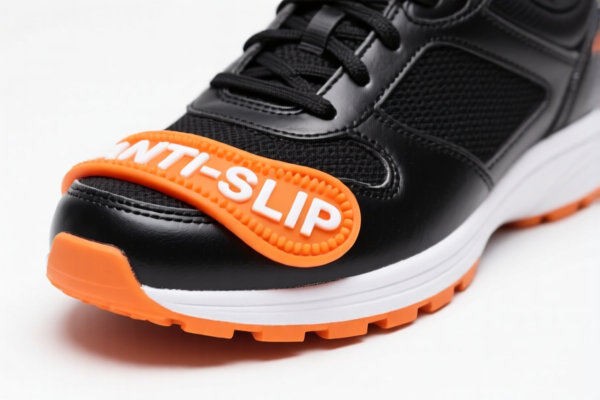
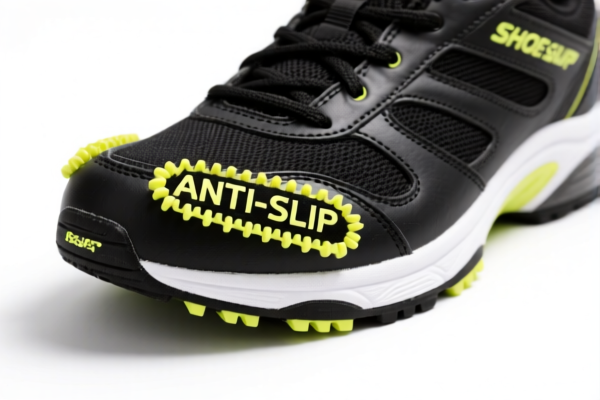
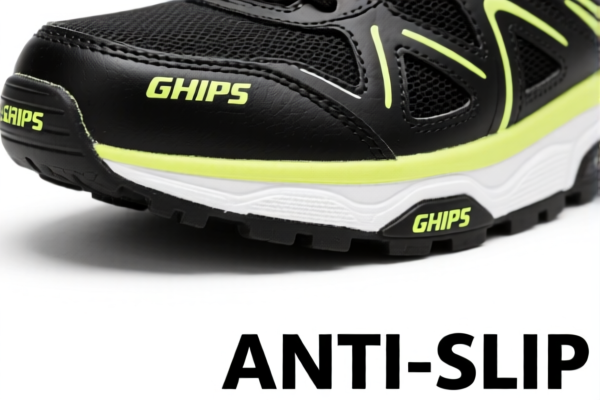
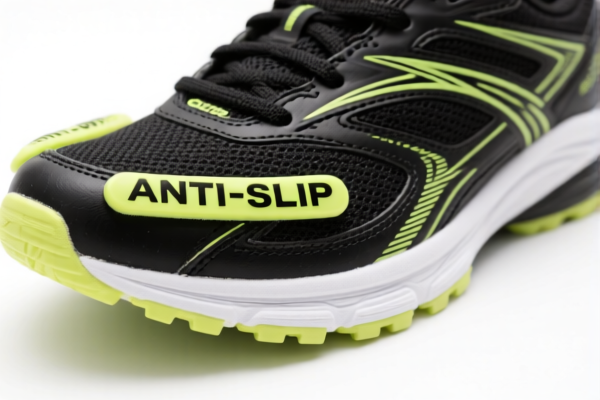
Shoe Anti slip Grippers
CN → US| HS Code | Tariff Rate | Origin | Destination | Doc |
|---|---|---|---|---|
| 4016996050 | 37.5% | CN | US | Official Doc |
| 6406200000 | 20.2% | CN | US | Official Doc |
| 4016990500 | 20.9% | CN | US | Official Doc |
| 6406903030 | 15.3% | CN | US | Official Doc |
| 6406909000 | 17.5% | CN | US | Official Doc |
Product Images
AI Analysis
👟 Shoe Anti-slip Grippers (Traction Pads / Outsole Accessories)
🌐 HS Code Reference & Customs Clearance Guide | 2026 Latest Tariff Analysis | Professional Logistics Strategy
📌 1. Product Definition & Classification: Do You Really Know What "Anti-slip Grippers" Are?
Shoe Anti-slip Grippers are accessories or components added to footwear to enhance traction on slippery surfaces. In international trade, they are generally classified based on their physical form and material composition. They fall into two main categories:
Category A: Rubber/Plastic Outsoles (Shoe Parts)
If the grippers are manufactured as distinct outsole units or substantial rubber/plastic pads designed to be attached to the bottom of shoes, they are classified as "Parts of Footwear."
Category B: Other Rubber Articles
If the grippers are considered simple rubber制品 (products) not specifically identifiable as standard footwear parts (e.g., generic rubber pads), they may be classified under "Other articles of vulcanized rubber."
⚠️ Key Distinction Point:
- If it’s a structured outsole/pad meant to replace or attach to a shoe sole → Chapter 64 (Footwear Parts)
- If it’s a generic rubber pad/accessory not specifically shaped for a single shoe type → Chapter 40 (Rubber Articles)
📦 2. HS Code Classification Details (2026 Latest Tariff Authority Comparison)
| HS Code | Product Description | Application Scenario | Material/Form |
|---|---|---|---|
4016.99.60.50 |
Other vulcanized rubber articles, other (Anti-slip鞋底 as rubber products) | Generic rubber traction pads, not specific to one shoe type | ✅ Vulcanized Rubber |
6406.20.00.00 |
Footwear parts: Outer soles and heels, of rubber or plastics | Specific shoe outsoles, replacement grips made of rubber/plastic | ✅ Rubber/Plastic |
4016.99.05.00 |
Other vulcanized rubber articles, other (accessories/home items) | Rubber accessories, less specific classification | ✅ Vulcanized Rubber |
6406.90.30.30 |
Other footwear parts: Other (Shoe parts, sole-like) | Rubber/plastic shoe parts, general sole components | ✅ Rubber/Plastic |
6406.90.90.00 |
Other footwear parts: Other (Detachable insoles) | Note: Data suggests this may apply to detachable insoles, not anti-slip grips | ⚠️ Check Specificity |
🔍 Key Reminder:
- Anti-slip Grippers are typically classified under Chapter 64 (6406) if they are clearly identifiable as parts of footwear (especially if they resemble outsoles). - If they are generic rubber pads without specific footwear shaping, they may fall under Chapter 40 (4016). - Misclassification Risk: Declaring footwear parts as "rubber products" (or vice versa) can lead to incorrect duty rates and customs delays.
💰 3. 2026 Latest Tariff Rate Breakdown (Including Additional Taxes & Policy Surcharges)
✅ Applicable Country: United States (US)
✅ Origin: China (CN)
✅ Effective Date: From November 10, 2025 (and subsequent imports)
🎯 1. 4016.99.60.50 —— Other Vulcanized Rubber Articles
| Item | Detail |
|---|---|
| Base Duty Rate | 2.5% |
| Section 301 Additional Duty | +25.0% |
| Section 122 Duty (Uyghur Forced Labor Prevention Act - UFLPA) | +10% |
| Total Effective Rate | 37.5% |
| Tax Calculation | CIF Value × 37.5% |
| De Minimis Eligibility | ❌ Not Eligible (High tariff prevents de minimis benefit) |
| Legal Basis Path | Section 301: 9903.88.01 → Section 122: UFLPA → USITC: 4016.99.60.50 |
📌 Explanation:
- 2.5% is the standard MFN (Most Favored Nation) duty for other rubber articles. - +25% is the Section 301 tariff on Chinese-origin rubber goods. - +10% is the Section 122 tariff targeting specific supply chains. - Total: 37.5% – This is a high tariff, requiring careful cost planning.
🎯 2. 6406.20.00.00 —— Footwear Parts: Outer Soles/Heels (Rubber/Plastic)
| Item | Detail |
|---|---|
| Base Duty Rate | 2.7% |
| Section 301 Additional Duty | +7.5% |
| Section 122 Duty | +10% |
| Total Effective Rate | 20.2% |
| Tax Calculation | CIF Value × 20.2% |
| De Minimis Eligibility | ❌ Not Eligible |
| Legal Basis Path | Section 301: 9903.88.01 → Section 122: UFLPA → USITC: 6406.20.00.00 |
📌 Note:
- If the anti-slip grippers are clearly outsoles, this classification applies. - Total: 20.2% – Lower than Category A, but still significant.
🎯 3. 4016.99.05.00 —— Other Vulcanized Rubber Articles (Accessories)
| Item | Detail |
|---|---|
| Base Duty Rate | 3.4% |
| Section 301 Additional Duty | +7.5% |
| Section 122 Duty | +10% |
| Total Effective Rate | 20.9% |
| Tax Calculation | CIF Value × 20.9% |
| De Minimis Eligibility | ❌ Not Eligible |
| Legal Basis Path | Section 301: 9903.88.01 → Section 122: UFLPA → USITC: 4016.99.05.00 |
📌 Note:
- Slightly higher than6406.20.00.00due to a higher base rate.
🎯 4. 6406.90.30.30 —— Other Footwear Parts (Sole-like)
| Item | Detail |
|---|---|
| Base Duty Rate | 5.3% |
| Section 301 Additional Duty | +0.0% |
| Section 122 Duty | +10% |
| Total Effective Rate | 15.3% |
| Tax Calculation | CIF Value × 15.3% |
| De Minimis Eligibility | ❌ Not Eligible |
| Legal Basis Path | Section 301: Exempt → Section 122: UFLPA → USITC: 6406.90.30.30 |
📌 Important:
- This is the lowest total tariff (15.3%) among the options. - No Section 301 tariff applies to this specific subheading (check latest USITC updates). - Strategic Advantage: If the product can be classified here, it offers significant cost savings.
🎯 5. 6406.90.90.00 —— Other Footwear Parts (Detachable Insoles)
| Item | Detail |
|---|---|
| Base Duty Rate | 0.0% |
| Section 301 Additional Duty | +7.5% |
| Section 122 Duty | +10% |
| Total Effective Rate | 17.5% |
| Tax Calculation | CIF Value × 17.5% |
| De Minimis Eligibility | ❌ Not Eligible |
| Legal Basis Path | Section 301: 9903.88.01 → Section 122: UFLPA → USITC: 6406.90.90.00 |
📌 Caution:
- This classification is for detachable insoles, not anti-slip grips/outsoles. - Misclassifying outsoles as insoles can lead to customs penalties. Only use if the product is explicitly an insole.
🛠️ 4. Customs Clearance Practical Advice (Real-World Pitfall Guide)
✅ 1. Required Documentation Checklist (Mandatory)
| Document | Required | Notes |
|---|---|---|
| ✅ Product Specification Sheet | ✔️ | Dimensions, material (e.g., TPU, Rubber), weight, SKU |
| ✅ Product Photos (Clear) | ✔️ | Show sole attachment points, flexibility, and branding |
| ✅ Commercial Invoice | ✔️ | Clearly state "Anti-slip Grippers for Footwear" |
| ✅ Packing List | ✔️ | Specify units per carton, gross/net weight |
| ✅ Certificate of Origin (CO) | ✔️ | If from China, ensure accurate origin declaration |
| ✅ Material Declaration | ✔️ | Confirm no prohibited substances (e.g., specific chemicals under REACH) |
✅ 2. Declaration Tips (Key Strategy)
🔥 "Specify Material, Clarify Function, Avoid Ambiguity!"
| Scenario | Correct Declaration | Error to Avoid |
|---|---|---|
| Rubber Outsole Grips | 6406.20.00.00 (Footwear Parts) |
Declaring as "Rubber Products" → 37.5% |
| Generic Rubber Pads | 4016.99.60.50 (Rubber Articles) |
Declaring as "Footwear Parts" → Unjustified lower rate if not parts |
| Sole-like Components | 6406.90.30.30 (Other Parts) |
Mislabeling as "Insoles" → 6406.90.90.00 (Risk) |
| Detachable Insoles | 6406.90.90.00 |
Using for outsoles → Misclassification Penalty |
✅ 3. Special Cases Handling
| Case | Recommendation |
|---|---|
| OEM Custom Grippers | Provide design drawings to prove specific footwear part status |
| Mixed Shipments (Shoes + Grippers) | Declare separately if grippers are accessories, not integral to the shoe |
| High-Value Anti-slip Tech | If embedded with electronic sensors, consider Chapter 85 (Electrical) – consult specialist |
| Small Retail Packages | Ensure de minimis threshold is not exceeded, but note high tariffs negate de minimis benefits |
🌍 5. Global Market Clearance Comparison (2026 Latest)
| Country/Region | Recommended HS Code | Tariff (China Origin) | Certification | Notes |
|---|---|---|---|---|
| 🇺🇸 USA | 6406.90.30.30 |
15.3% | ASTM F2913 (Footwear Traction) | Lowest duty option |
| 🇨🇳 China | 6406.90.30.30 |
~5% | CCC (if applicable) | No major surcharges |
| 🇪🇺 EU | 6406.90.30.30 |
~0-3% | CE (if safety equipment) | Check REACH compliance |
| 🇬🇧 UK | 6406.90.30.30 |
~5-10% | UKCA | Post-Brexit rules apply |
| 🇨🇦 Canada | 6406.90.30.30 |
~0-5% | Health Canada (if medical) | No Section 301 equivalent |
📌 Conclusion:
- USA has the highest tariffs due to Section 301 and 122. - Canada and EU offer more favorable rates for footwear parts. - USA Shippers: Must prioritize6406.90.30.30or6406.90.90.00if applicable, to minimize costs.
📌 6. Common Errors & Pitfall Guide (Lessons Learned)
❌ Error 1: Classifying rubber outsoles as "Other Rubber Articles" (4016.99)
👉 Consequence: Higher tariff (37.5% vs 15.3%) → Increased Cost
❌ Error 2: Mislabeling outsoles as "Insoles" (6406.90.90.00)
👉 Consequence: Customs audit → Penalties + Delays
❌ Error 3: Not declaring Section 122 (UFLPA) compliance
👉 Consequence: Detention at Port → Supply Chain Disruption
❌ Error 4: Using vague terms like "Shoe Accessories"
👉 Consequence: Customs ambiguity → Audits & Delays
✅ Correct Approach:
"Anti-slip Rubber Outsole Grippers, TPU Material, Non-Integral Accessory, Model XYZ, US Size Compatibility"
🎯 7. Conclusion: Precision Classification Saves Money!
🎯 Remember These Rules:
🔹 "Parts of Footwear = Chapter 64; Rubber Articles = Chapter 40"
🔹 "Lowest Duty:6406.90.30.30(15.3%)"
🔹 "Highest Duty:4016.99.60.50(37.5%)"
🔹 "Always Declare Section 122 Compliance for China-Origin Goods"
📌 Pro Tip:
If your anti-slip grippers are not manufactured in China (e.g., Vietnam, Thailand), you may avoid Section 301 tariffs.
Recommendation: Apply for Advance Ruling from US Customs (CBP) to confirm HS Code and duty rate before shipment.
📣 Take Action Now:
📞 Contact a Certified Customs Broker + Provide Product Specs + File Advance Ruling
🚀 Ensure Smooth Clearance, Minimize Tariffs, Maximize Profit!
✨ Professional Clearance Starts with Accurate Classification!
💼 Every Percentage Point in Duty Impacts Your Bottom Line!
Customer Reviews
About HS Code Classification
The Harmonized System (HS) is an internationally standardized nomenclature developed by the World Customs Organization (WCO) to classify traded products. Over 200 countries use the HS system as the basis for customs tariffs, trade statistics, and import/export regulations.
Each HS code follows a hierarchical structure:
- Chapter (2 digits) — Broad category of goods (e.g., Chapter 84: Machinery and Mechanical Appliances)
- Heading (4 digits) — More specific grouping within the chapter
- Subheading (6 digits) — Internationally standardized breakdown, used by all WCO member countries
- National subdivisions (8-10 digits) — Country-specific extensions for further classification, such as US HTSUS 10-digit codes
Correct HS code classification is essential for smooth customs clearance, accurate duty payment, and compliance with trade regulations. Misclassification can lead to customs delays, overpayment of duties, or penalties.
When importing from CN to US, the applicable tariff rates may include:
- Most-Favored-Nation (MFN) rate — The standard duty rate applied to WTO members
- General rate — Applied to countries without trade agreements
- Trade remedy duties — Additional tariffs such as Section 301 (anti-dumping), Section 232 (national security), or countervailing duties
The information provided on this page is for reference purposes only. For official classification, please consult with your local customs authority or a licensed customs broker.