Shoe Components Upper and Parts
CN → US| HS Code | Tariff Rate | Origin | Destination | Doc |
|---|---|---|---|---|
| 4203406000 | 35.0% | CN | US | Official Doc |
| 6406109040 | 22.0% | CN | US | Official Doc |
| 6406106000 | 17.5% | CN | US | Official Doc |
| 4205008000 | 35.0% | CN | US | Official Doc |
| 6406909000 | 17.5% | CN | US | Official Doc |
Product Images
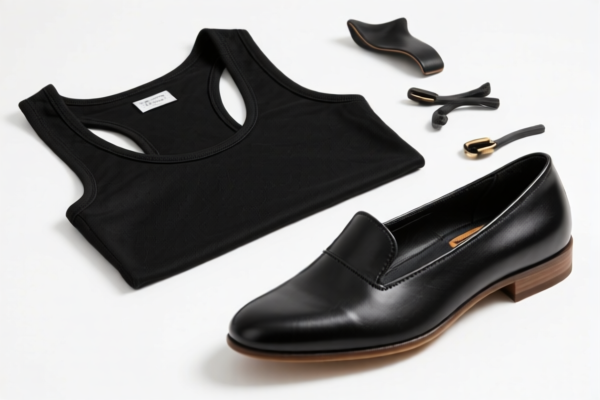
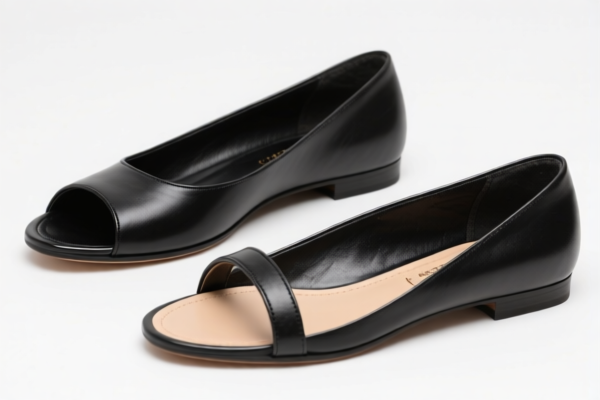


AI Analysis
🥿 Shoe Components: Upper & Parts (鞋面及其零件)
🌐 HS Code Reference & Customs Clearance Guide | 2026 Latest Tariff Analysis | Professional Compliance Strategy
📌 I. Product Definition & Classification: What Are "Shoe Uppers and Parts"?
Shoe Uppers and Parts refer to the structural components that form the main body of footwear (excluding the sole unit attached in the final assembly). In international trade, these are critical inputs for shoe manufacturers. They are primarily classified based on Material (Leather vs. Non-Leather) and Function.
Key Distinction Logic: * Leather/Composite Leather Uppers: Treated as "Articles of Leather" → Generally classified under Chapter 42. * Non-Leather/Unclassified Uppers: Treated as "Parts of Footwear" → Generally classified under Chapter 64.
⚠️ Critical Classification Point:
- If the material is Leather (or considered leather-like/composite) → It is an "Article of Leather" (HS 4203/4205).
- If the material is Textile, Rubber, Plastic, or other non-leather → It is a "Part of Footwear" (HS 6406).
- Conflict Rule: If the material is ambiguous, customs may default to the "Part of Footwear" classification if no material conflict exists, but explicit leather content triggers Chapter 42.
📦 II. HS Code Classification Details (2026 Latest Tariff Data)
| HS Code | Product Description | Material/Logic Basis | Tax Rate (Total) |
|---|---|---|---|
4203.40.60.00 |
Up Pers & Parts, Leather | Material inferred as Leather or Synthetic Leather. Classified under "Clothing Accessories / Others". | 35.0% |
6406.10.90.40 |
Up Pers & Parts, Non-Leather | Form and use match; no material conflict. Default inclination to Footwear Parts. | 22.0% |
6406.10.60.00 |
Up Pers & Parts, Specific Non-Leather | Use and classification fully consistent. No material conflict. | 17.5% |
4205.00.80.00 |
Other Leather Articles (Shoe Accessories) | Material inferred as Leather or Composite Leather. Classified under "Other Leather Articles". | 35.0% |
6406.90.90.00 |
Other Footwear Parts | Use consistent with shoe parts. No material conflict. Inclined to Footwear Parts. | 17.5% |
🔍 Key Reminder:
- Chapter 42 (Leather) attracts higher tariffs due to the "Section XI" exclusion rules in Chapter 64. If your upper is made of genuine leather, expect 35%.
- Chapter 64 (Parts) is the safer harbor for textile, synthetic, or rubber components, with rates ranging from 17.5% to 22%.
💰 III. 2026 Latest Tariff Rate Breakdown (Including Surcharges & Policy Add-ons)
✅ Applicable Country: United States (US)
✅ Origin: China (CN)
✅ Effective Date: 2025-11-10 onwards (including subsequent imports)
🎯 1. 4203.40.60.00 & 4205.00.80.00 —— Leather/Composite Leather Uppers
| Item | Content |
|---|---|
| Base Duty Rate | 0% (ad valorem) |
| USITC Surcharge (Section 301) | +25.0% |
| IEEPA Surcharge (Section 122/China Add-on) | +10.0% |
| Total Tax Rate | 35.0% |
| Calculation Basis | CIF Value × 35% |
| De Minimis Eligibility | ❌ Not Eligible (denied) |
| Legal Basis Path | IEEPA:9903.01.25 → USITC:4203.40.60.00 / 4205.00.80.00 → FOOTNOTE:Surcharge |
📌 Explanation:
- The 25% is the standard Section 301 tariff for Chapter 42 goods from China.
- The 10% is an additional IEEPA surcharge applied to Chinese-origin goods.
- Total 35% is significant. Ensure your declaration correctly identifies the material as non-leather if you wish to avoid this bracket, but beware of false declarations.
🎯 2. 6406.10.90.40 —— Shoe Uppers (Non-Leather, General)
| Item | Content |
|---|---|
| Base Duty Rate | 4.5% |
| USITC Surcharge (Section 301) | +7.5% |
| IEEPA Surcharge (Section 122/China Add-on) | +10.0% |
| Total Tax Rate | 22.0% |
| Calculation Basis | CIF Value × 22% |
| De Minimis Eligibility | ❌ Not Eligible (denied) |
| Legal Basis Path | IEEPA:9901.25 → USITC:6406.10.90.40 → FOOTNOTE:Surcharge |
📌 Note:
- This code applies to shoe uppers made of textiles, synthetic materials, or rubber that do not fall into the more specific6406.10.60category.
- The 7.5% surcharge is lower than the 25% for leather goods, reflecting different trade policy targets.
🎯 3. 6406.10.60.00, 6406.90.90.00 —— Other Shoe Parts (Optimized Rates)
| Item | Content |
|---|---|
| Base Duty Rate | 0% |
| USITC Surcharge (Section 301) | +7.5% |
| IEEPA Surcharge (Section 122/China Add-on) | +10.0% |
| Total Tax Rate | 17.5% |
| Calculation Basis | CIF Value × 17.5% |
| De Minimis Eligibility | ❌ Not Eligible (denied) |
| Legal Basis Path | IEEPA:9903.01.24 → USITC:6406.10.60.00 / 6406.90.90.00 → FOOTNOTE:Surcharge |
📌 Strategy:
- These codes offer the lowest tariff burden (17.5%).
-6406.10.60.00is for uppers/parts with full consistency in use and classification.
-6406.90.90.00is a "catch-all" for other footwear parts not specified elsewhere.
- Crucial: To use these, you must prove the material is NOT leather or leather-like composites that trigger Chapter 42.
🛠️ IV. Customs Clearance Practical Advice (Real-World Pitfall Avoidance)
✅ 1. Documentation Checklist (Non-Negotiable)
| Document | Required | Purpose |
|---|---|---|
| ✅ Product Spec Sheet | ✔️ | Must detail material composition (e.g., "100% Polyester Textile" vs. "PU Leather"). |
| ✅ Material Declaration | ✔️ | Explicitly state if the item is Genuine Leather, Synthetic Leather, or Textile. |
| ✅ Photos (Clear Label) | ✔️ | Show texture. Leather has grain/pores; synthetic is uniform. |
| ✅ Commercial Invoice | ✔️ | Description must match HS Code (e.g., "Shoe Upper, Synthetic Material" for 6406, not just "Shoe Part"). |
| ✅ Packing List | ✔️ | Verify if items are unassembled uppers vs. assembled shoes. |
✅ 2. Declaration Techniques (Key Mantra)
🔥 "Material Defines Chapter, Leather is 35%, Fabric is 17-22%!"
| Scenario | Correct Declaration | Wrong Declaration | Consequence |
|---|---|---|---|
| Synthetic Leather Upper | 6406.10.90.40 or 6406.90.90.00 |
Declare as 4203.40.60.00 (Leather) |
Overpay Tax (22% vs 35%) |
| Genuine Leather Upper | 4203.40.60.00 |
Declare as 6406... (Non-Leather) |
Smuggling Risk/Fines (Misclassification) |
| Textile Mesh Upper | 6406.10.60.00 |
Declare as 4205.00.80.00 |
Overpay Tax (17.5% vs 35%) |
| Mixed Material Upper | Analyze Principal Material | Vague description | Customs Detention/Re-classification |
✅ 3. Special Situation Handling
| Situation | Handling Advice |
|---|---|
| "Leather-like" Synthetic | If the synthetic is marketed as "Leather" but is not real, use HS 6406 (17.5%-22%). Do not use HS 4203 unless it contains actual leather fibers > 10-20% (check specific trade definitions). |
| Shoe Parts with Metal/Zippers | If metal parts are > 50% of weight/value, check if it shifts to Chapter 71 or 83. However, for shoe uppers, the functional part (footwear) usually dictates Chapter 64. |
| OEM Custom Uppers | Provide design sketches showing the material. If the supplier uses a "Leather Substitute," explicitly state "Synthetic" to avoid 35% duty. |
🌍 V. Global Market Clearance Comparison (2026 Latest)
| Country/Region | Recommended HS Code | Tariff (China Origin) | Key Certification | Notes |
|---|---|---|---|---|
| 🇺🇸 USA | 6406.10.60.00 / 4203.40.60.00 |
17.5% - 35% | None Specific | High Surcharges. 35% for Leather, 22% for Synthetics. |
| 🇨🇳 China | 6406.10.90.40 |
10% (Est.) | None | Lower base rate, no Section 301/IEEPA. |
| 🇪🇺 EU | 6406.90.90 |
5% - 10% | REACH (Chemicals) | No 10% IEEPA surcharge. Lower overall burden. |
| 🇬🇧 UK | 6406.90.90 |
5% - 10% | UKCA | Post-Brexit rules apply, generally favorable. |
📌 Conclusion:
- The US market is the most expensive for shoe components due to the叠加 (layered) tariffs (Base + 301 + IEEPA).
- Leather classification (35%) is a cost trap. Ensure synthetic materials are accurately declared as such to secure the 17.5%-22% rate.
📌 VI. Common Errors & Pitfalls (Lessons Learned)
❌ Error 1: Calling a "Synthetic Leather Upper" "Leather Upper"
👉 Consequence: You pay 35% instead of 22%. Waste of profit!
❌ Error 2: Declaring "Shoe Parts" without material specification
👉 Consequence: Customs will audit. If they suspect leather, they may apply 35% or detain the cargo.
❌ Error 3: Using 4205.00.80.00 for simple textile laces or eyelets
👉 Consequence: Misclassification. Textile parts should be in Chapter 64 (17.5%).
✅ Correct Approach:
"Shoe Upper, Synthetic PU Material, No Leather Content, Model XYZ, For Athletic Shoes"
🎯 VII. Conclusion: Precision in Material, Precision in Tax!
🎯 Remember the Mantra:
🔹 "Leather = 35%, Synthetic = 22%, Textile = 17.5%."
🔹 "Declare Material Clearly, Avoid Chapter 42 if Possible."
📌 Pro Tip:
If you are importing large volumes of synthetic shoe uppers, consider Advance Ruling from US Customs (CBP) to lock in the 17.5% or 22% rate and avoid post-clearance audits.
📣 Immediate Action:
📞 Contact your Customs Broker + Provide Material Test Reports + Verify HS Code
🚀 Keep your tax burden low, your clearance fast, and your profits high!
✨ Professional Clearance Starts with Accurate Classification!
💼 Every 1% tax saved is pure profit!
Customer Reviews
About HS Code Classification
The Harmonized System (HS) is an internationally standardized nomenclature developed by the World Customs Organization (WCO) to classify traded products. Over 200 countries use the HS system as the basis for customs tariffs, trade statistics, and import/export regulations.
Each HS code follows a hierarchical structure:
- Chapter (2 digits) — Broad category of goods (e.g., Chapter 84: Machinery and Mechanical Appliances)
- Heading (4 digits) — More specific grouping within the chapter
- Subheading (6 digits) — Internationally standardized breakdown, used by all WCO member countries
- National subdivisions (8-10 digits) — Country-specific extensions for further classification, such as US HTSUS 10-digit codes
Correct HS code classification is essential for smooth customs clearance, accurate duty payment, and compliance with trade regulations. Misclassification can lead to customs delays, overpayment of duties, or penalties.
When importing from CN to US, the applicable tariff rates may include:
- Most-Favored-Nation (MFN) rate — The standard duty rate applied to WTO members
- General rate — Applied to countries without trade agreements
- Trade remedy duties — Additional tariffs such as Section 301 (anti-dumping), Section 232 (national security), or countervailing duties
The information provided on this page is for reference purposes only. For official classification, please consult with your local customs authority or a licensed customs broker.