Shoe Covers (Laboratory Special)
CN → US| HS Code | Tariff Rate | Origin | Destination | Doc |
|---|---|---|---|---|
| 6401999000 | 47.5% | CN | US | Official Doc |
| 3926201020 | 10.0% | CN | US | Official Doc |
| 6307909875 | 24.5% | CN | US | Official Doc |
| 3926909989 | 22.8% | CN | US | Official Doc |
| 6307909884 | 24.5% | CN | US | Official Doc |
Product Images
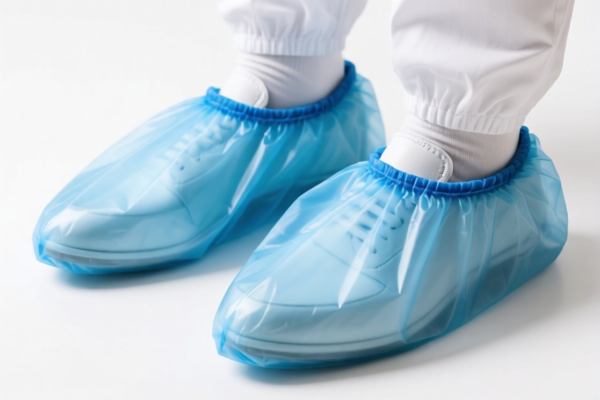
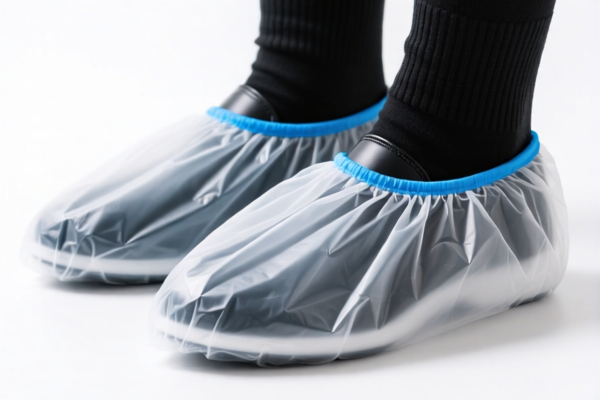
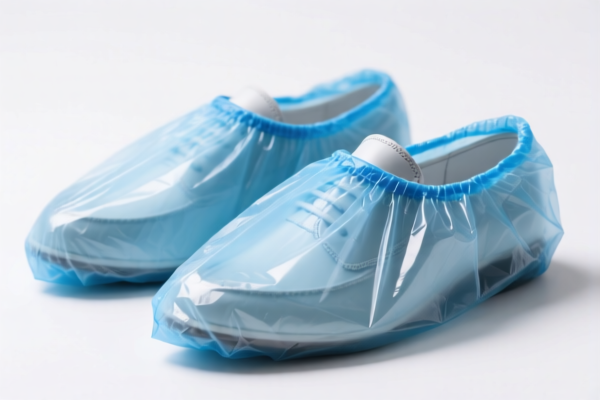
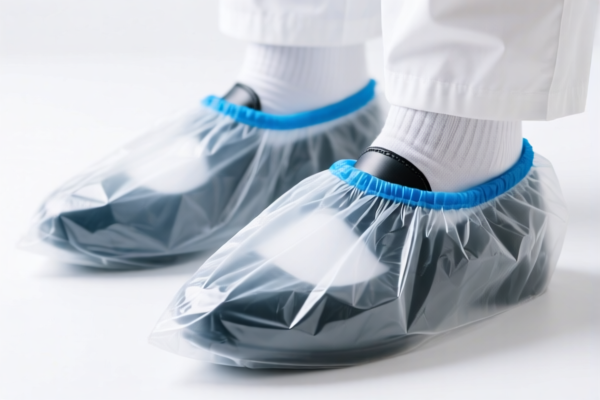
AI Analysis
👟 Laboratory Shoe Covers (Specialized Protective Footwear)
🌐 HS Code Reference & Customs Clearance Guide | 2026 Latest Tariff Analysis | Professional Level Strategy
📌 I. Product Definition & Classification: Do You Really Understand "Laboratory Shoe Covers"?
Laboratory shoe covers are critical personal protective equipment (PPE) designed to maintain sterile environments, prevent cross-contamination, and ensure compliance in pharmaceutical, biotech, and cleanroom settings. In international trade, their classification hinges on material composition and functional design.
Plastic/Synthetic Covers (Non-Woven or Film): Typically classified under Chapter 39 (Plastics) or Chapter 63 (Other Made-Up Articles);
Fabric/Textile Covers (Disposable or Reusable): Typically classified under Chapter 63 (Textile-based);
Shoe-Form Accessories: Sometimes misclassified under Chapter 64 (Footwear), though rare for disposable covers.
⚠️ Key Distinction Point:
- If the product is a simple sleeve/film slipped over standard shoes → Usually Chapter 39 or Chapter 63;
- If the product has a rigid sole, heel, and toe box resembling a shoe → Might be classified under Chapter 64;
- Labeling matters: "Protective Cover" vs. "Footwear Accessory" changes the duty rate significantly.
📦 II. HS Code Classification Details (2026 Latest Tariff Authoritative Comparison)
Based on the provided data, here are the five potential HS Codes for "Laboratory Shoe Covers," each reflecting different material or structural interpretations:
| HS Code | Product Description | Application Scenario | Material/Structure Inference |
|---|---|---|---|
6307.90.98.75 |
Disposable/Specialized Protective Shoe Covers (Finished Goods) | Cleanrooms, Pharma Labs | Plastic or Non-Woven Fabric |
3926.90.99.89 |
Lab-Specific Shoe Covers (Plastic/Synthetic) | General Lab Protection | Plastic/Synthetic Material |
6307.90.98.84 |
Consumer-Grade Finished Shoe Covers (Lab Use) | Commercial Lab Supplies | Synthetic Fiber/Plastic Blend |
6401.99.90.00 |
Lab Shoe Covers (Shoe-Form Accessory) | Specialized Footwear Add-on | Plastic or Rubber Sole Structure |
3926.20.10.20 |
Lab-Specific Shoe Covers (Plastic) | High-Purity Environments | Pure Plastic/Polymer |
🔍 Critical Note:
- The difference between Chapter 39 (Plastics) and Chapter 63 (Textiles) depends on the primary material;
- Chapter 64 (6401.99.90.00) is high-risk: if customs perceives the item as "footwear" rather than a "cover," the base tariff jumps to 37.5%;
-3926.20.10.20offers the lowest base tariff (0%) but is highly specific to "plastic" classification under USITC rules.
💰 III. 2026 Latest Tariff Rate Breakdown (Including Surtaxes & Policy Add-ons)
✅ Applicable Country: United States (US)
✅ Origin: China (CN)
✅ Effective Date: November 10, 2025 (and subsequent imports)
🎯 1. 6307.90.98.75 — Disposable/Specialized Protective Shoe Covers (Chapter 63)
| Item | Content |
|---|---|
| Base Tariff | 7.0% |
| Section 301 Surtax | 7.5% |
| IEEPA Surtax (122 Clause) | 10.0% |
| Total Tariff Rate | 24.5% |
| Tax Calculation | CIF Value × 24.5% |
| De Minimis Eligibility | ❌ Not Eligible (Section 301/IEEPA goods are excluded from $800 de minimis threshold) |
| Legal Basis Path | USITC:6307.90.98.75 → Section 301: 7.5% → IEEPA: 10% |
📌 Explanation:
- This is a textile/fabric-based protective item.
- The 24.5% total rate is moderate compared to footwear but still significant for low-margin PPE.
- Warning: Must declare as "Protective Cover," not "Footwear."
🎯 2. 3926.90.99.89 — Lab-Specific Shoe Covers (Plastic/Synthetic)
| Item | Content |
|---|---|
| Base Tariff | 5.3% |
| Section 301 Surtax | 7.5% |
| IEEPA Surtax (122 Clause) | 10.0% |
| Total Tariff Rate | 22.8% |
| Tax Calculation | CIF Value × 22.8% |
| De Minimis Eligibility | ❌ Not Eligible |
| Legal Basis Path | USITC:3926.90.99.89 → Section 301: 7.5% → IEEPA: 10% |
📌 Explanation:
- Classified as an other plastic article.
- 22.8% is slightly lower than Chapter 63 due to a lower base rate (5.3% vs. 7.0%).
- Ideal for non-woven plastic or polyethylene film covers.
🎯 3. 6307.90.98.84 — Consumer-Grade Finished Shoe Covers (Lab Use)
| Item | Content |
|---|---|
| Base Tariff | 7.0% |
| Section 301 Surtax | 7.5% |
| IEEPA Surtax (122 Clause) | 10.0% |
| Total Tariff Rate | 24.5% |
| Tax Calculation | CIF Value × 24.5% |
| De Minimis Eligibility | ❌ Not Eligible |
| Legal Basis Path | USITC:6307.90.98.84 → Section 301: 7.5% → IEEPA: 10% |
📌 Explanation:
- Similar to6307.90.98.75, but categorized under "finished consumer goods."
- Same 24.5% rate. Ensure your commercial invoice clearly states "Laboratory Use Only" to avoid misclassification as general-purpose covers.
🎯 4. 6401.99.90.00 — Lab Shoe Covers (Shoe-Form Accessory)
| Item | Content |
|---|---|
| Base Tariff | 37.5% |
| Section 301 Surtax | 0.0% |
| IEEPA Surtax (122 Clause) | 10.0% |
| Total Tariff Rate | 47.5% |
| Tax Calculation | CIF Value × 47.5% |
| De Minimis Eligibility | ❌ Not Eligible |
| Legal Basis Path | USITC:6401.99.90.00 → IEEPA: 10% |
📌 Critical Warning:
- This is the highest tax bracket (47.5%).
- Why? Customs views this as Footwear (Chapter 64), not a cover.
- Avoid This Code unless the product has a molded sole, heel, and toe cap that makes it indistinguishable from a shoe.
- Risk: High chance of audit, penalty, and reclassification if declared as "shoe cover" but structured as "footwear."
🎯 5. 3926.20.10.20 — Lab-Specific Shoe Covers (Plastic)
| Item | Content |
|---|---|
| Base Tariff | 0.0% |
| Section 301 Surtax | 0.0% |
| IEEPA Surtax (122 Clause) | 10.0% |
| Total Tariff Rate | 10.0% |
| Tax Calculation | CIF Value × 10.0% |
| De Minimis Eligibility | ❌ Not Eligible (IEEPA 10% still applies) |
| Legal Basis Path | USITC:3926.20.10.20 → IEEPA: 10% |
📌 Optimal Strategy:
- This is the most cost-effective code (10%).
- Prerequisite: The product must be clearly identifiable as a plastic item (e.g., PE film, non-woven polypropylene) and fit the specific subheading3926.20(Articles of Apparel and Clothing Accessories, of Plastic).
- Action: If your shoe covers are made of plastic/non-woven fabric, strive to classify under3926.20.10.20to save 12.8%–37.5% in tariffs.
🛠️ IV. Customs Clearance Operational Advice (Practical Pitfall Guide)
✅ 1. Required Documentation Checklist (Mandatory)
| Document | Required | Notes |
|---|---|---|
| ✅ Product Specification Sheet | ✔️ | Must specify material (e.g., "100% Polyethylene," "Non-Woven PP") |
| ✅ Product Photos | ✔️ | Show item on foot, highlight flexibility, no rigid sole |
| ✅ Commercial Invoice | ✔️ | Use precise description: "Disposable Lab Shoe Cover, Plastic, Not Footwear" |
| ✅ Certificate of Origin (CO) | ✔️ | Essential for proving China origin |
| ✅ Material Declaration | ✔️ | Confirm no rubber soles or hard plastics to avoid Chapter 64 |
| ✅ FCC/CE Certificates | Optional | If marketed as electronic-integrated (rare for shoe covers) |
✅ 2. Declaration Tips (Key Mantra)
🔥 “Plastic Code, Zero Base; Chapter 64, High Cost; Describe 'Cover', Not 'Shoe'!”
| Scenario | Correct Declaration | Incorrect Practice |
|---|---|---|
| Plastic/Non-Woven Cover | 3926.20.10.20 (10%) or 3926.90.99.89 (22.8%) |
Declare as 6401.99.90.00 → 47.5% |
| Fabric/Textile Cover | 6307.90.98.75 (24.5%) |
Declare as 3926.20.10.20 → Audit risk |
| Hybrid (Plastic Sole + Fabric Top) | Likely 6401.99.90.00 (47.5%) |
Attempt to split components → Complex penalties |
| "Shoe" with Elastic Top | 6401.99.90.00 |
Claim as "Cover" → Misclassification |
✅ 3. Special Case Handling
| Scenario | Handling Advice |
|---|---|
| Non-Woven Fabric | Declare under Chapter 63 (6307.90.xxxx). Base rate 7%+17.5% = 24.5%. |
| PE Film/Plastic | Strive for 3926.20.10.20. Base 0%+10% = 10%. Provide material test report. |
| Reusable Rubber Boots | Declare under 6401.99.90.00. Base 37.5%+10% = 47.5%. Do not call them "covers." |
| Bundle Sale (Cover + Storage Box) | Declare covers separately. Box may have different tariff. |
🌍 V. Global Market Clearance Comparison (2026 Latest)
| Country/Region | Recommended HS Code | Tariff Rate (China Origin) | Certification Requirements | Notes |
|---|---|---|---|---|
| 🇺🇸 USA | 3926.20.10.20 |
10% (Best Case) | None for PPE | Avoid 6401 (47.5%) |
| 🇪🇺 EU | 6307.90.99 |
0% - 4% | CE Mark (PPE Regulation) | Lower tariffs, strict safety standards |
| 🇨🇳 China | 6307.90.90 |
5% - 10% | CCC (if applicable) | No surtaxes |
| 🇬🇧 UK | 6307.90.99 |
0% - 4% | UKCA Mark | Post-Brexit rules apply |
| 🇯🇵 Japan | 6307.90.90 |
5% - 15% | PSE (if electrical) | Moderate duties |
📌 Conclusion:
- USA is the most tariff-sensitive market due to Section 301 and IEEPA surtaxes;
- Optimizing HS Code from 6307/3926 to 3926.20 can save 12.8%;
- Avoiding Chapter 64 is critical to saving 23%–37.5%.
📌 VI. Common Mistakes & Pitfall Guide (Lessons Learned)
❌ Mistake 1: Using 6401.99.90.00 for simple plastic slip-ons
👉 Consequence: 47.5% tariff instead of 10% → Loss of 37.5% profit margin!
❌ Mistake 2: Calling "Non-Woven Shoe Covers" "Plastic" to get 0% base rate
👉 Consequence: Customs audit → Reclassification to 6307 → Back taxes + penalties!
❌ Mistake 3: Ignoring IEEPA 10% surtax in cost calculation
👉 Consequence: Underquoting CIF value → Unexpected duty bill at border!
❌ Mistake 4: Declaring "Lab Shoe" for a disposable cover
👉 Consequence: Misdeclaration → Shipment hold + demurrage charges!
✅ Correct Approach:
"Disposable Laboratory Shoe Cover, Made of Non-Woven Polypropylene, For Cleanroom Use, Not Footwear, Model XYZ"
🎯 VII. Conclusion: Precise Classification, Maximize Profit!
🎯 Remember the Mantra:
🔹 "Plastic Code, Ten Percent; Textile Code, Twenty-Five; Footwear Code, Forty-Seven-Five!"
🔹 "Describe Material, Not Just Function; Save Thousands on Every Container!"
📌 Pro Tip:
- If your shoe covers are made of 100% plastic film or non-woven fabric, always argue for 3926.20.10.20.
- Prepare a Material Composition Certificate from your supplier to support the "Plastic" classification.
- For fabric-based covers, 6307.90.98.75 is the safest bet at 24.5%.
📣 Immediate Action:
📞 Consult a licensed customs broker + Provide product photos + Apply for Advance Ruling if shipment value is high.
🚀 Clear the border, minimize duty, maximize margin!
✨ Professional Clearance Starts with Accurate Classification!
💼 Every Percent Counts in International Trade!
Customer Reviews
About HS Code Classification
The Harmonized System (HS) is an internationally standardized nomenclature developed by the World Customs Organization (WCO) to classify traded products. Over 200 countries use the HS system as the basis for customs tariffs, trade statistics, and import/export regulations.
Each HS code follows a hierarchical structure:
- Chapter (2 digits) — Broad category of goods (e.g., Chapter 84: Machinery and Mechanical Appliances)
- Heading (4 digits) — More specific grouping within the chapter
- Subheading (6 digits) — Internationally standardized breakdown, used by all WCO member countries
- National subdivisions (8-10 digits) — Country-specific extensions for further classification, such as US HTSUS 10-digit codes
Correct HS code classification is essential for smooth customs clearance, accurate duty payment, and compliance with trade regulations. Misclassification can lead to customs delays, overpayment of duties, or penalties.
When importing from CN to US, the applicable tariff rates may include:
- Most-Favored-Nation (MFN) rate — The standard duty rate applied to WTO members
- General rate — Applied to countries without trade agreements
- Trade remedy duties — Additional tariffs such as Section 301 (anti-dumping), Section 232 (national security), or countervailing duties
The information provided on this page is for reference purposes only. For official classification, please consult with your local customs authority or a licensed customs broker.