Shoe Heel Nails
CN → US| HS Code | Tariff Rate | Origin | Destination | Doc |
|---|---|---|---|---|
| 6406903030 | 15.3% | CN | US | Official Doc |
| 9605000000 | 18.1% | CN | US | Official Doc |
| 6406903060 | 15.3% | CN | US | Official Doc |
| 7318130030 | 90.7% | CN | US | Official Doc |
| 7318158066 | 93.5% | CN | US | Official Doc |
Product Images
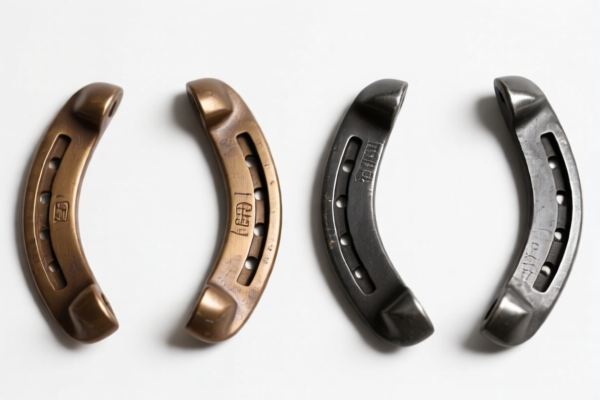
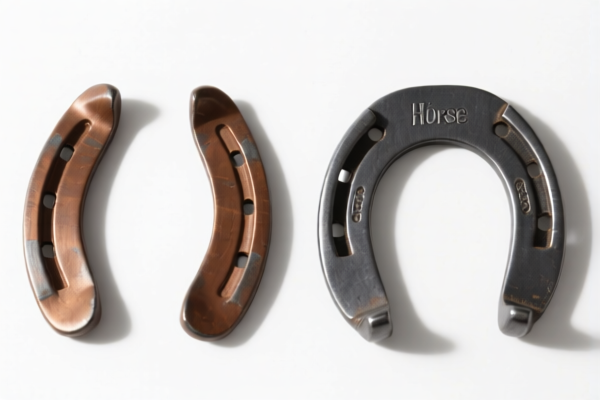
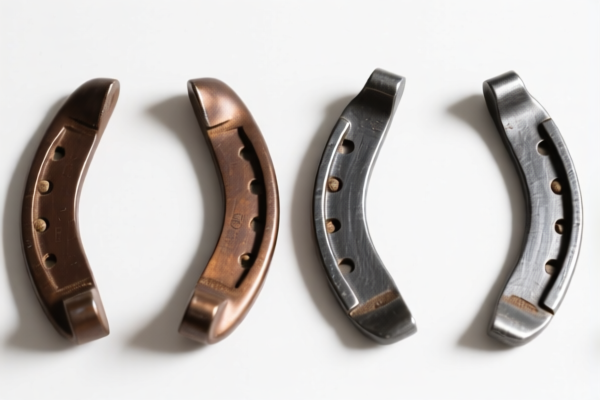
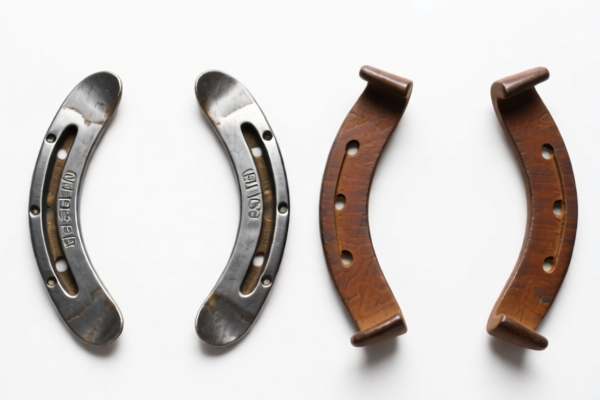
AI Analysis
👟 Shoe Heel Nails (Spikes/Nibs for Footwear)
🌐 HS Code Reference & Customs Clearance Guide | 2026 Latest Tariff Full Analysis | Professional Clearance Strategy
📌 I. Product Definition & Classification: Do You Really Know "Shoe Heel Nails"?
Shoe Heel Nails are small, specialized fasteners or inserts used in the footwear industry, primarily for athletic shoes (e.g., track spikes, football studs) or industrial safety footwear. They are not standard screws or bolts but rather functional components of the shoe assembly.
In international trade, they are classified based on two main factors: 1. Material: Are they made of metal (iron, steel, brass) or non-metal (rubber, plastic)? 2. Function: Are they integral parts of the shoe, or are they generic fasteners?
⚠️ Key Distinction:
- If the product is made of metal and resembles a screw/bolt, it may be classified under Chapter 73 (Articles of Iron or Steel) → High Tariffs.
- If the product is a part of footwear (even if metal), it is generally classified under Chapter 64 (Footwear Parts) → Lower Tariffs.
- If the material is non-metal (rubber/plastic), it is strictly classified under Chapter 64 → Lower Tariffs.
📦 II. HS Code Classification Details (2026 Latest Tariff Authority Comparison)
| HS Code | Product Description | Applicable Scenario | Material |
|---|---|---|---|
| 6406.90.30.30 | Parts of footwear, excluding removable soles and heels; metal components for footwear | Metal heel nails/studs for shoes | ✅ Metal |
| 9605.00.00.00 | Personal toilet, sewing, cleaning or dressing kits; accessories for kits (e.g., small metal/plastic inserts) | Shoe nails deemed as accessories for "toilet/cleaning kits" (less common for pure industrial use) | ✅ Metal/Plastic/Rubber |
| 6406.90.30.60 | Parts of footwear, excluding removable soles and heels; non-metal components (rubber/plastic) | Rubber/plastic heel studs/nibs | ✅ Non-Metal |
| 7318.13.00.30 | Screws, bolts, nuts, coach screws, screw hooks, rivets, cotters, cottered pins and washers, of iron or steel | Metal heel nails misclassified as generic iron/steel screws/rivets | ✅ Iron/Steel |
| 7318.15.80.66 | Other screws and bolts, with or without their nuts or washers, of iron or steel | Other metal fasteners misclassified as generic bolts | ✅ Iron/Steel |
🔍 Critical Reminder:
- Do NOT automatically classify metal heel nails under Chapter 73 just because they are metal. If they are specifically designed for footwear, Chapter 64 (6406.90) is the correct classification according to GRI 1 and Note 2 to Chapter 64.
- Misclassification into 7318 leads to significantly higher tariffs due to US-China trade war penalties.
- If the heel nail is made of rubber or plastic, it MUST go under 6406.90.30.60.
💰 III. 2026 Latest Tariff Rate Details (Including Additional Taxes & Policy Add-ons)
✅ Applicable Country: United States (US)
✅ Origin: China (CN)
✅ Effective Time: 2025/2026 (Current Trade War Tariffs)
🎯 1. 6406.90.30.30 & 6406.90.30.60 —— Footwear Parts (Correct Classification for Shoe Heel Nails)
| Item | Content |
|---|---|
| Base Tariff Rate | 5.3% (Ad Valorem) |
| Section 301 Additional Tariff | 0.0% (List 4B, many footwear parts are excluded or have lower rates) |
| Section 122 Tariff (Bicameral/Political) | +10% (Specific to certain Chinese imports, applies here) |
| Steel/Aluminum/Copper Additional Tariff | 0% (Not applicable unless misclassified as Chapter 73) |
| Total Tariff Rate | 15.3% |
| Tax Calculation | CIF Value × 15.3% |
| De Minimis Exemption? | ❌ NO (Cannot use $800 de minimis if value exceeds or if classified under restricted lists; however, standard commercial imports pay full duty) |
| Legal Basis Path | HTS:6406.90.30 → FOOTNOTE:122 |
📌 Explanation:
- This is the recommended classification for shoe heel nails, whether metal (specifically for shoes) or non-metal.
- The total tax of 15.3% is significantly lower than the 90%+ rates for metal fasteners.
- Why 10% Section 122? This refers to specific retaliatory or political tariffs often applied to Chinese consumer goods.
🎯 2. 9605.00.00.00 —— Personal/Toilet/Cleaning Kits Accessories (Alternative/Edge Case)
| Item | Content |
|---|---|
| Base Tariff Rate | 8.1% (Ad Valorem) |
| Section 301 Additional Tariff | 0.0% |
| Section 122 Tariff | +10% |
| Total Tariff Rate | 18.1% |
| Tax Calculation | CIF Value × 18.1% |
| De Minimis Exemption? | ❌ NO |
| Legal Basis Path | HTS:9605.00.00 → FOOTNOTE:122 |
📌 Note:
- This classification is less common for industrial shoe nails but might apply if the nails are sold as part of a "shoe care kit" or "sewing/mending kit."
- Still significantly cheaper than Chapter 73.
🎯 3. 7318.13.00.30 & 7318.15.80.66 —— Iron/Steel Screws & Bolts (WRONG Classification - High Risk)
| Item | Content |
|---|---|
| Base Tariff Rate | 5.7% - 8.5% (Ad Valorem) |
| Section 301 Additional Tariff | +25.0% (List 3/4 Tariffs) |
| Section 122 Tariff | +10% |
| Steel/Aluminum/Copper Additional Tariff | +50% (Specific to steel articles under certain sections) |
| Total Tariff Rate | 90.7% - 93.5% |
| Tax Calculation | CIF Value × ~90% |
| De Minimis Exemption? | ❌ NO |
| Legal Basis Path | HTS:7318.13/15 → FOOTNOTE:9903.88.01 (Steel) + FOOTNOTE:122 |
📌 Warning:
- DO NOT USE THIS HS CODE unless the product is a generic industrial bolt NOT designed for footwear.
- If customs determines your "metal heel nails" are actually just screws, they will reclassify them here, leading to a penalty and back taxes of nearly 90%.
- The difference between 15.3% and 93.5% is 78.2% — a massive cost difference!
🛠️ IV. Customs Clearance Practical Advice (Real-World Pitfall Avoidance Guide)
✅ 1. Preparation Checklist (Mandatory)
| Document | Required | Explanation |
|---|---|---|
| ✅ Product Specifications | ✔️ | Must clearly state: "Shoe Heel Nails/Studs," Material (Metal/Rubber), Size, Quantity per pair/set. |
| ✅ Product Photos | ✔️ | Show the item attached to a shoe or in its natural context. Prove it is a footwear part, not a generic screw. |
| ✅ Commercial Invoice | ✔️ | Description must read: "Parts of Footwear: Metal Heel Nails for Athletic Shoes" (NOT "Steel Screws"). |
| ✅ Packing List | ✔️ | Clearly list items as footwear accessories. |
| ✅ Certificate of Origin | ✔️ | For any potential tariff preferences (though limited for China-US currently). |
✅ 2. Declaration Tips (Key Mantra)
🔥 “Declare as Footwear Parts, NOT Metal Fasteners!”
| Scenario | Correct Declaration | Wrong Declaration | Consequence |
|---|---|---|---|
| Metal Heel Nails | HS 6406.90.30.30 | HS 7318.13.00.30 | Save ~75% in taxes! |
| Rubber Heel Nibs | HS 6406.90.30.60 | HS 3926.90 (Plastics) | Avoids unnecessary scrutiny |
| Metal Heel Nails | HS 6406.90.30.30 | HS 9605.00.00.00 | Minor risk, but 15.3% < 18.1% |
✅ 3. Special Situation Handling
| Situation | Handling Advice |
|---|---|
| Mixed Materials (e.g., Metal core + Rubber tip) | Declare as Footwear Parts (6406.90). Provide proof that the rubber tip is integral to the footwear function. |
| OEM Custom Heel Nails | Provide design drawings showing the nail is specific to a shoe model. This strengthens the case for Chapter 64. |
| Bulk Shipment of Metal Pins | If the nails look exactly like industrial screws, add value by providing shoe industry certification or usage manuals. Otherwise, risk reclassification. |
🌍 V. Global Market Comparison (2026 Latest)
| Country/Region | Recommended HS Code | Tariff Rate (China Origin) | Remarks |
|---|---|---|---|
| 🇺🇸 USA | 6406.90.30.30 / 6406.90.30.60 |
15.3% | Avoid 7318 (90%+) |
| 🇨🇳 China | 6406.90.90 |
~5-10% | Domestic trade friendly |
| 🇪🇺 EU | 6406.90 |
0-12% (varies by material) | No Section 122 equivalent |
| 🇬🇧 UK | 6406.90 |
0-12% | Post-Brexit tariffs apply |
📌 Conclusion:
- The US market is the most critical for accurate classification due to the Section 122 (10%) and Section 301 (0-25%) complexities.
- Metal does not automatically mean Chapter 73. Context matters.
📌 VI. Common Errors & Pitfall Guide (Blood & Tears Lessons)
❌ Error 1: Describing "Shoe Heel Nails" as "Steel Screws" on the invoice.
👉 Consequence: Customs assigns HS 7318, charges 93.5% tax, and issues a penalty.
✅ Fix: Always use "Parts of Footwear" in the description.
❌ Error 2: Using HS 9605 for generic metal heel nails.
👉 Consequence: Unnecessary 18.1% tax instead of 15.3%.
✅ Fix: Use HS 6406 for footwear-specific items.
❌ Error 3: Ignoring the Section 122 Tariff.
👉 Consequence: Budgeting only for base duties (5.3%) leads to cash flow issues when the 10% hits.
✅ Fix: Always calculate Base + Section 122.
🎯 VII. Conclusion: Professional Declaration, Save Costs!
🎯 Remember the Mantra:
🔹 "Shoe Parts, Not Metal Parts. 6406, Not 7318. Save 78% in Taxes!"
🔹 "15.3% vs 93.5%: The difference is a professional description."
📌 Pro Tip:
If your supplier sends you invoices saying "Metal Nails," do not copy-paste. Edit the invoice description to:
"Metal Heel Nibs, Specific to Athletic Footwear, HS 6406"
📣 Immediate Action:
📞 Consult with a customs broker to confirm Section 122 applicability for your specific product type.
🚀 Ensure your Invoice Description matches HS 6406 to avoid 90%+ tariffs.
✨ Professional Clearance Starts with Accurate Classification!
💼 Your Profit Margin Depends on This 15.3% vs 93.5% Decision!
Customer Reviews
About HS Code Classification
The Harmonized System (HS) is an internationally standardized nomenclature developed by the World Customs Organization (WCO) to classify traded products. Over 200 countries use the HS system as the basis for customs tariffs, trade statistics, and import/export regulations.
Each HS code follows a hierarchical structure:
- Chapter (2 digits) — Broad category of goods (e.g., Chapter 84: Machinery and Mechanical Appliances)
- Heading (4 digits) — More specific grouping within the chapter
- Subheading (6 digits) — Internationally standardized breakdown, used by all WCO member countries
- National subdivisions (8-10 digits) — Country-specific extensions for further classification, such as US HTSUS 10-digit codes
Correct HS code classification is essential for smooth customs clearance, accurate duty payment, and compliance with trade regulations. Misclassification can lead to customs delays, overpayment of duties, or penalties.
When importing from CN to US, the applicable tariff rates may include:
- Most-Favored-Nation (MFN) rate — The standard duty rate applied to WTO members
- General rate — Applied to countries without trade agreements
- Trade remedy duties — Additional tariffs such as Section 301 (anti-dumping), Section 232 (national security), or countervailing duties
The information provided on this page is for reference purposes only. For official classification, please consult with your local customs authority or a licensed customs broker.