Shoe Parts
CN → US| HS Code | Tariff Rate | Origin | Destination | Doc |
|---|---|---|---|---|
| 4205002000 | 35.0% | CN | US | Official Doc |
| 4205008000 | 35.0% | CN | US | Official Doc |
| 6406909000 | 17.5% | CN | US | Official Doc |
| 3926904000 | 12.8% | CN | US | Official Doc |
| 6406109090 | 22.0% | CN | US | Official Doc |
Product Images
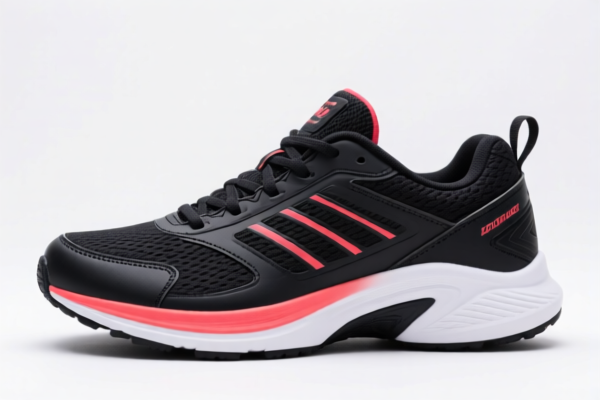
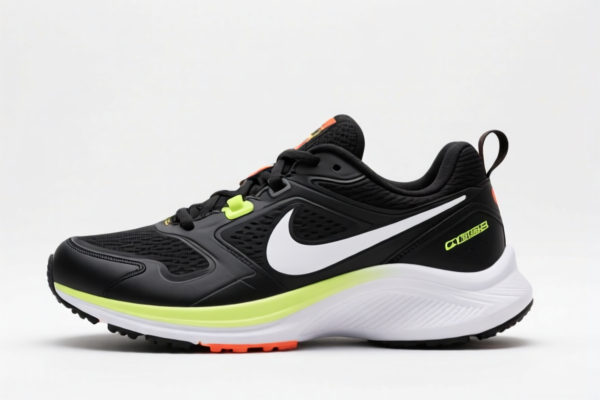
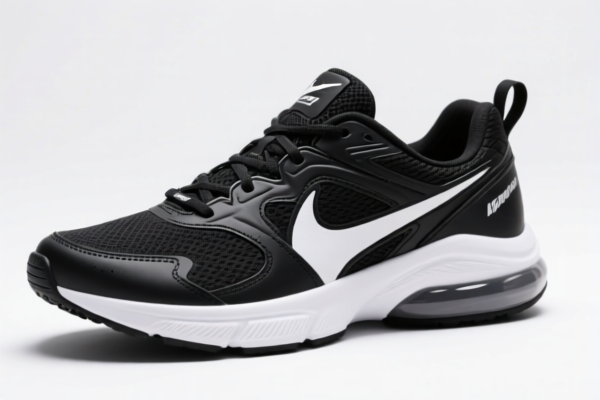
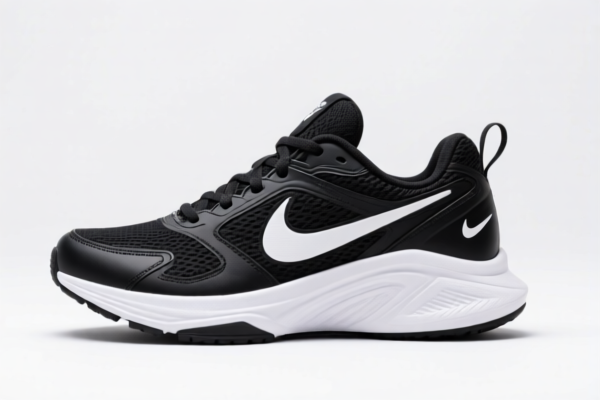
AI Analysis
👟 Shoe Parts (Footwear Accessories & Components)
🌐 HS Code Reference & Customs Clearance Guide | 2026 Latest Tariff Analysis | Professional Entry Strategy
📌 I. Product Definition & Classification: What Exactly Are "Shoe Parts"?
Shoe parts encompass a wide variety of components used in the manufacturing, repair, or decoration of footwear. Unlike finished shoes (Chapter 64), parts are classified based on material composition and specific function. In international trade, misclassification often leads to massive tariff discrepancies (e.g., 12.8% vs. 35%).
Key Distinctions: * Leather/Composite Leather Parts (e.g., uppers, linings, decorative trims): Fall under Chapter 42 (Articles of Leather). * Plastic Parts (e.g., buckles, decorative studs, plastic heels): Fall under Chapter 39 (Plastics). * General/Undetermined Material Parts (e.g., generic insoles, unlabeled straps): Fall under Chapter 64 (Footwear Parts) as residual categories.
⚠️ Critical Classification Point:
- If the material is explicitly Leather → Use 4205 or 4206 logic (Note: Your data maps leather parts to 4205.00.20/80).
- If the material is explicitly Plastic → Use 3926.90.40.00.
- If the material is Unspecified/Mixed (and not clearly plastic/leather) → Use 6406 (Footwear Parts) residual codes.
📦 II. HS Code Classification Details (Based on Provided Data)
| HS Code | Product Description | Material Assumption | Applicable Scenario |
|---|---|---|---|
4205.00.20.00 |
Shoe Accessories (Leather/Regenerated Leather) | Leather or Recycled Leather | Shoe laces, leather straps, leather decorative pieces. Classified as residual leather articles. |
4205.00.80.00 |
Shoe Accessories (Other Leather Parts) | Leather or Composite Leather | Other leather fittings, leather patches, composite leather components. Residual leather parts category. |
3926.90.40.00 |
Shoe Decorative Items | Plastic | Plastic buckles, plastic logos, plastic eyelets, decorative plastic studs. "Other plastic articles." |
6406.90.90.00 |
Shoe Parts (General/Undetermined) | Undetermined/Mixed | Generic shoe parts where material is not specified. Residual category for footwear components. |
6406.10.90.90 |
Shoe Decorative Items (Non-Leather/Non-Plastic Specific) | Other Materials | Decorative items for shoes that don't fit plastic or specific leather codes. Residual "other materials" logic. |
🔍 Key Reminder:
- Leather items are heavily taxed due to anti-dumping/special tariffs (35% total).
- Plastic items have lower base tariffs but still face 122 Clause tariffs (12.8% total).
- Undetermined materials fall into Chapter 64, with varying rates (17.5% - 22%) depending on the specific sub-heading logic.
💰 III. 2026 Latest Tariff Rate Breakdown (Detailed Tax Clauses)
✅ Applicable Country: United States (US)
✅ Origin: China (CN)
✅ Effective Date: 2025/2026 (Current Import Regime)
🎯 1. 4205.00.20.00 & 4205.00.80.00 — Leather/Regenerated Leather Shoe Parts
These codes fall under Chapter 42 (Articles of Leather). Due to specific trade measures, these carry the highest tariff burden in this dataset.
| Item | Details |
|---|---|
| Base Tariff | 0.0% (ad valorem) |
| Section 301 Tariff | +25.0% (USITC Additional Duty) |
| Section 122 Clause Tariff | +10.0% (Specific Clause for this category) |
| Total Tax Rate | 35.0% |
| Tax Calculation | CIF Value × 35% |
| De Minimis Eligibility | ❌ Not Eligible (High tariff items usually exempted from de minimis benefits if value exceeds threshold, but structure implies standard commercial entry) |
| Legal Basis Path | USITC:4205.00.20.00 → Section 301 Footnote → Section 122 Clause |
📌 Explanation:
- The 25% Section 301 tariff applies to most Chinese-made goods, including leather articles.
- The 10% Section 122 tariff is a specific additional duty applicable to certain leather and footwear-related goods.
- Total 35% is a significant cost factor. Ensure the item is genuinely leather to avoid misclassification penalties.
🎯 2. 6406.90.90.00 — General Shoe Parts (Undetermined Material)
When the material is not clearly defined as plastic or specific leather, this "residual" code under Chapter 64 applies.
| Item | Details |
|---|---|
| Base Tariff | 0.0% (ad valorem) |
| Section 301 Tariff | +7.5% (USITC Additional Duty) |
| Section 122 Clause Tariff | +10.0% |
| Total Tax Rate | 17.5% |
| Tax Calculation | CIF Value × 17.5% |
| De Minimis Eligibility | ⚠️ Check Thresholds (Lower rate may allow for different de minimis handling, but commercial entry still requires full disclosure) |
| Legal Basis Path | USITC:6406.90.90.00 → Section 301 Footnote → Section 122 Clause |
📌 Explanation:
- Lower base tax than leather parts.
- However, if the item is actually leather but declared here to save tax, it risks customs seizure and back taxes + penalties.
- "Undetermined material" must be justified by lack of specific material declaration.
🎯 3. 3926.90.40.00 — Plastic Shoe Decorative Items
For parts made explicitly of plastic (e.g., plastic buckles, decorations).
| Item | Details |
|---|---|
| Base Tariff | 2.8% (ad valorem) |
| Section 301 Tariff | 0.0% (Note: Some plastic goods may be exempt from 301 depending on specific HTS sub-heading nuances, but data shows 0% here) |
| Section 122 Clause Tariff | +10.0% |
| Total Tax Rate | 12.8% |
| Tax Calculation | CIF Value × 12.8% |
| De Minimis Eligibility | ✅ Potentially Eligible (Lower total rate may facilitate de minimis claims if value < $800, but check current CBP rules) |
| Legal Basis Path | USITC:3926.90.40.00 → Section 122 Clause |
📌 Explanation:
- Most cost-effective option if the item is truly plastic.
- The 2.8% base rate is standard for many plastic articles.
- The 10% Section 122 tariff is the main additional cost.
- Do not use this code for leather parts; it is for plastic only.
🎯 4. 6406.10.90.90 — Other Shoe Decorative Items (Residual)
For decorative shoe items that don't fit the plastic or general undetermined molds specifically.
| Item | Details |
|---|---|
| Base Tariff | 4.5% (ad valorem) |
| Section 301 Tariff | +7.5% |
| Section 122 Clause Tariff | +10.0% |
| Total Tax Rate | 22.0% |
| Tax Calculation | CIF Value × 22.0% |
| De Minimis Eligibility | ⚠️ Case-by-Case |
| Legal Basis Path | USITC:6406.10.90.90 → Section 301 Footnote → Section 122 Clause |
📌 Explanation:
- Mid-range tariff.
- Used when the item is a decorative part but doesn't fit the general "parts" (6406.90) or plastic (3926) categories cleanly.
- High base rate (4.5%) compared to 6406.90.
🛠️ IV. Customs Clearance Practical Advice (Pro Tips for Avoiding Pitfalls)
✅ 1. Document Checklist (Non-Negotiable)
| Document | Required | Purpose |
|---|---|---|
| ✅ Product Specifications | ✔️ | Must explicitly state Material (e.g., "100% Leather," "Polyester," "Plastic"). This is the #1 factor for HS Code selection. |
| ✅ Material Certificate | ✔️ | If claiming Leather (4205), provide leather origin certificates. If Plastic (3926), provide polymer type. |
| ✅ Photos (Clear & Detailed) | ✔️ | Show texture, hardware, and any brand labels. Helps customs verify if it's "part" vs. "finished shoe." |
| ✅ Commercial Invoice | ✔️ | Must accurately describe the item as "Shoe Accessory" or "Shoe Part," NOT "Shoe." |
| ✅ Packing List | ✔️ | Separate packaging of parts from finished shoes is crucial. |
| ✅ De Minimis Form (if applicable) | ✔️ | For shipments < $800, ensure HS Code supports de minimis (Plastic may qualify better than Leather). |
✅ 2. Declaration Strategy (Critical Mantras)
🔥 "Material Defines Code, Code Defines Tax, Mismatch Means Pain!"
| Scenario | Correct Declaration | Wrong Declaration | Consequence |
|---|---|---|---|
| Leather Laces | 4205.00.20.00 (Shoe Accessories) |
6406.90.90.00 (Undetermined) |
Risk of Audit: If customs inspects and confirms leather, you owe 25% difference (35% vs 17.5%) + penalties. |
| Plastic Buckles | 3926.90.40.00 (Plastic Parts) |
6406.90.90.00 (Undetermined) |
Overpayment: You paid 17.5% instead of 12.8%. Minor loss, but inefficient. |
| Plastic Buckles | 3926.90.40.00 (Plastic Parts) |
4205.00.20.00 (Leather) |
Major Risk: If customs finds plastic, they may question why you declared leather (potential fraud suspicion). |
| Mixed Package (Leather + Plastic) | Split Declaration | Single HS Code for whole box | Seizure/Back Tax: Each item must be classified by its own material. |
✅ 3. Special Circumstances & Optimization
| Situation | Recommendation |
|---|---|
| OEM Branded Parts | Provide Authorization Letter. If branded, ensure trademark compliance in US. |
| Samples/Prototypes | If value < $800 and not for resale, consider Section 321 De Minimis. Plastic items (12.8%) are safer than Leather (35%) for de minimis claims due to lower risk profile. |
| Unspecified Material | Define it! Don't use 6406.90.90.00 if you know the material. Specify it to avoid customs detention for "missing material info." |
| High-Value Leather Parts | Consider Advance Ruling from CBP. The 35% rate is fixed, but an Advance Ruling provides legal certainty and prevents future disputes. |
🌍 V. Global Market Comparison (2026 Update)
| Region | Preferred HS Code (Example) | Est. Total Tariff | Key Requirement |
|---|---|---|---|
| 🇺🇸 USA | 3926.90.40.00 (Plastic) or 4205.00.20.00 (Leather) |
12.8% - 35.0% | Strict material declaration; Section 301 & 122 apply. |
| 🇪🇺 EU | 3926.90 (Plastic) or 4205 (Leather) | 0% - 4.5% | CE Marking for some plastic goods; No Section 301 equivalent. |
| 🇨🇳 China | 3926 or 4205 | 0% - 5% | CCC Certification for certain plastics; VAT 13%. |
| 🇯🇵 Japan | 3926 or 4205 | 0% - 6% | PSE Mark for plastic electrical parts (if applicable). |
📌 Conclusion:
- USA has the highest tariffs due to Section 301 and Section 122.
- Leather parts are the most expensive to export to the US (35%).
- Plastic parts offer the best tariff advantage (12.8%) in the US market among the provided codes.
📌 VI. Common Errors & Pitfalls (Learn from Others' Mistakes)
❌ Error 1: Declaring all shoe accessories as 6406.90.90.00 to avoid higher rates.
👉 Result: Customs inspection reveals leather content → Back taxes (17.5% diff) + Interest + Penalty.
❌ Error 2: Declaring plastic buckles as 4205.00.20.00 (Leather).
👉 Result: Unlikely to pass customs scrutiny for leather items → Detention & Request for Proof.
❌ Error 3: Missing "Material" in the description.
👉 Result: Customs assigns the highest possible duty or requires laboratory testing for material identification, causing delays of 2-4 weeks.
❌ Error 4: Mixing finished shoes and parts in one shipment without separate lines.
👉 Result: Rejection of De Minimis for the whole package; entire shipment undergoes full commercial entry.
✅ Correct Practice:
"Shoe Accessory, Plastic, Buckle, Model XYZ, 100% Polypropylene, HS 3926.90.40.00"
"Shoe Accessory, Leather, Lace, Model ABC, 100% Genuine Leather, HS 4205.00.20.00"
🎯 VII. Conclusion: Precision in Classification Saves Money!
🎯 Key Takeaway:
🔹 Material is King: Leather = 35% Tax. Plastic = 12.8% Tax. Undetermined = 17.5-22% Tax.
🔹 Be Specific: Never leave "Material" blank in your commercial invoice.
🔹 Check De Minimis: If shipping small quantities, plastic parts (3926.90.40.00) are the safest bet for US entry under $800.
📌 Pro Tip:
For high-volume shipments of leather shoe parts (4205 series), consider supply chain diversification (e.g., sourcing from Vietnam or India) to potentially avoid Section 301 tariffs, or invest in CBP Advance Rulings to mitigate compliance risk.
📣 Immediate Action:
📞 Verify Material Composition with your supplier.
📝 Update HS Codes on all invoices to match actual material (Leather vs. Plastic).
🚀 Optimize for Low-Tariff Codes (Plastic) where possible to maximize profit margins!
✨ Accurate Declaration, Smooth Clearance, Lower Costs!
💼 Every percentage point of tax matters in global trade.
Customer Reviews
About HS Code Classification
The Harmonized System (HS) is an internationally standardized nomenclature developed by the World Customs Organization (WCO) to classify traded products. Over 200 countries use the HS system as the basis for customs tariffs, trade statistics, and import/export regulations.
Each HS code follows a hierarchical structure:
- Chapter (2 digits) — Broad category of goods (e.g., Chapter 84: Machinery and Mechanical Appliances)
- Heading (4 digits) — More specific grouping within the chapter
- Subheading (6 digits) — Internationally standardized breakdown, used by all WCO member countries
- National subdivisions (8-10 digits) — Country-specific extensions for further classification, such as US HTSUS 10-digit codes
Correct HS code classification is essential for smooth customs clearance, accurate duty payment, and compliance with trade regulations. Misclassification can lead to customs delays, overpayment of duties, or penalties.
When importing from CN to US, the applicable tariff rates may include:
- Most-Favored-Nation (MFN) rate — The standard duty rate applied to WTO members
- General rate — Applied to countries without trade agreements
- Trade remedy duties — Additional tariffs such as Section 301 (anti-dumping), Section 232 (national security), or countervailing duties
The information provided on this page is for reference purposes only. For official classification, please consult with your local customs authority or a licensed customs broker.