Shoe Spikes
CN → US| HS Code | Tariff Rate | Origin | Destination | Doc |
|---|---|---|---|---|
| 6403191000 | 22.5% | CN | US | Official Doc |
| 6402190530 | 16.0% | CN | US | Official Doc |
| 6402190560 | 16.0% | CN | US | Official Doc |
| 6403192000 | 17.5% | CN | US | Official Doc |
| 6404112060 | 20.5% | CN | US | Official Doc |
Product Images
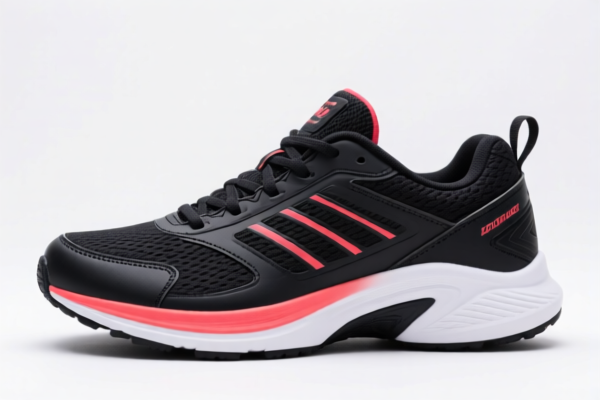
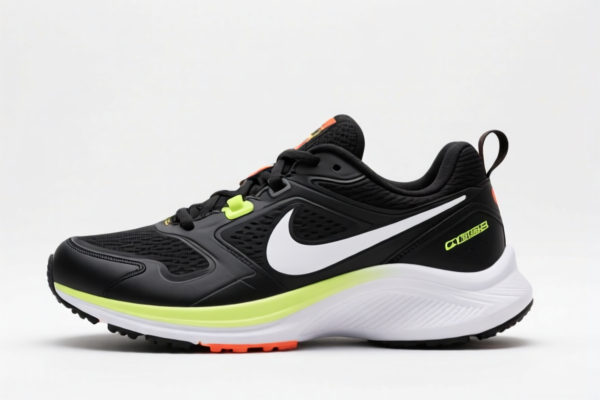
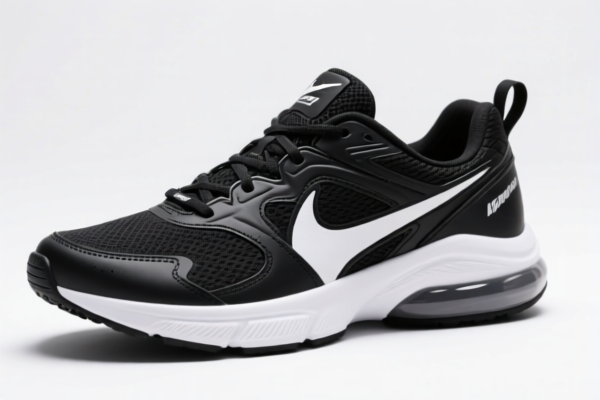
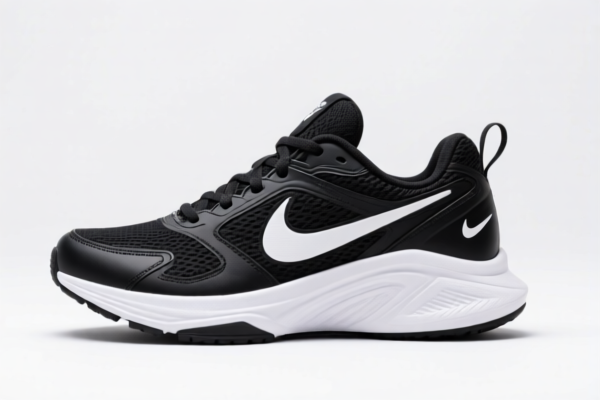
AI Analysis
👟 Shoe Spikes (Athletic Cleats/Spiked Shoes)
🌐 HS Code Reference & Customs Clearance Guide | 2026 Latest Tariff Analysis | Professional Strategy
📌 1. Product Definition & Classification: What Exactly Are "Shoe Spikes"?
Shoe Spikes (commonly known as Athletic Cleats, Spiked Shoes, or Track Shoes) are specialized footwear designed to provide traction on soft or slippery surfaces, primarily used in sports such as track and field (running), golf, and baseball.
In international trade, these products are classified based on two critical factors: 1. Material of the Upper: Leather/Synthetic Leather vs. Other Materials (Textiles/Rubber). 2. Material of the Sole: Rubber/Plastic vs. Other Materials.
⚠️ Key Classification Distinction: * Leather/Synthetic Leather Upper + Rubber/Plastic Sole: Generally falls under Chapter 64.03. This is the most common classification for high-performance track spikes and golf shoes. * Non-Leather Upper (e.g., Textiles, Mesh) + Rubber/Plastic Sole: Generally falls under Chapter 64.02. This often applies to lighter, synthetic athletic shoes. * Note: The presence of "spikes" or "cleats" defines the use (sports footwear), but the material dictates the HS Code.
📦 2. HS Code Classification Details (2026 Latest Tariff Authority Match)
| HS Code | Product Description | Material Characteristics | Applicable Scenario |
|---|---|---|---|
6403.19.20.00 |
Footwear with outer soles of rubber/plastic; uppers of leather/synthetic leather | Upper: Leather/Synthetic Leather Sole: Rubber/Plastic |
High-end track spikes, leather-based athletic shoes |
6404.11.20.60 |
Footwear with outer soles of rubber/plastic; uppers of textiles/rubber/plastic | Upper: Textiles/Rubber/Plastic Sole: Rubber/Plastic |
Lightweight synthetic sports shoes, breathable mesh spikes |
6403.19.10.00 |
Golf Shoes & Sewn Shoes (Leather) | Upper: Leather/Synthetic Leather Specific Type: Golf/Sewn |
Golf spikes, formal sports shoes with leather uppers |
6402.19.05.30 |
Sports Footwear (Non-Leather) | Upper: Non-Leather (Rubber/Plastic/Textile) Sole: Rubber/Plastic |
General synthetic athletic shoes, non-leather spikes |
6402.19.05.60 |
Sports Footwear (Non-Leather) | Upper: Non-Leather Sole: Rubber/Plastic |
General synthetic athletic shoes, variant packaging/type |
🔍 Critical Reminder: * Leather vs. Non-Leather is the deciding factor. If the upper is genuinely leather (or substantial synthetic leather), look to
6403. If it is primarily textile, mesh, or molded rubber/plastic, look to6402or6404. * Golf Shoes: Often have specific sub-codes (6403.19.10.00) due to traditional leather construction. * "Sports Footwear" Definition: Must be designed specifically for physical exercise (running, golf, etc.), not general casual wear.
💰 3. 2026 Latest Tariff Rate Breakdown (Including Surtaxes & Policy Add-ons)
✅ Applicable Country: United States (US)
✅ Origin: China (CN)
✅ Effective Date: 2025 Nov 10 onwards (and subsequent imports)
🎯 1. 6403.19.20.00 – Leather/Synthetic Leather Upper, Rubber/Plastic Sole
| Item | Content |
|---|---|
| Base Tariff | 0% (ad valorem) |
| Section 301 Surtax | +7.5% |
| Section 122 Tariff | +10% |
| Total Rate | 17.5% |
| Tax Calculation | CIF Value × 17.5% |
| De Minimis Exemption? | ❌ No (denied for China-origin goods under these specific surtaxes) |
| Legal Basis | Section 301: 9903.01.08 → Section 122: 9903.01.24 |
📌 Explanation:
Although the base tariff is 0%, the Section 301 and Section 122 surtaxes apply aggressively to Chinese-origin footwear. * Total Cost Impact:* 17.5% is a significant addition to the landed cost.
🎯 2. 6404.11.20.60 – Textile/Rubber/Plastic Upper, Rubber/Plastic Sole
| Item | Content |
|---|---|
| Base Tariff | 10.5% |
| Section 301 Surtax | 0% |
| Section 122 Tariff | +10% |
| Total Rate | 20.5% |
| Tax Calculation | CIF Value × 20.5% |
| De Minimis Exemption? | ❌ No |
| Legal Basis | Section 122: 9903.01.24 → USITC: 6404.11.20.60 |
📌 Explanation:
Unlike6403, this code has a higher base tariff (10.5%) but benefits from 0% Section 301. * Total Cost Impact:* 20.5% is the highest among the listed codes. The base tax eats up the savings from avoiding Section 301.
🎯 3. 6403.19.10.00 – Golf Shoes / Sewn Leather Shoes
| Item | Content |
|---|---|
| Base Tariff | 5.0% |
| Section 301 Surtax | +7.5% |
| Section 122 Tariff | +10% |
| Total Rate | 22.5% |
| Tax Calculation | CIF Value × 22.5% |
| De Minimis Exemption? | ❌ No |
| Legal Basis | Section 301: 9903.01.08 → Section 122: 9903.01.24 → USITC: 6403.19.10.00 |
📌 Explanation:
Golf shoes often fall into specific sub-categories. While the base tax is lower (5%), the combination of Section 301 and 122 pushes the total to 22.5%. * This is the most expensive* option among the provided codes.
🎯 4. 6402.19.05.30 – Sports Footwear (Non-Leather)
| Item | Content |
|---|---|
| Base Tariff | 6.0% |
| Section 301 Surtax | 0% |
| Section 122 Tariff | +10% |
| Total Rate | 16.0% |
| Tax Calculation | CIF Value × 16.0% |
| De Minimis Exemption? | ❌ No |
| Legal Basis | Section 122: 9903.01.24 → USITC: 6402.19.05.30 |
📌 Explanation:
This code offers a favorable rate of 16.0%. * It avoids Section 301 (0%) and has a moderate base tariff (6%). * Key Condition: The upper must not* be leather. It must be rubber, plastic, or textile.
🎯 5. 6402.19.05.60 – Sports Footwear (Non-Leather, Variant)
| Item | Content |
|---|---|
| Base Tariff | 6.0% |
| Section 301 Surtax | 0% |
| Section 122 Tariff | +10% |
| Total Rate | 16.0% |
| Tax Calculation | CIF Value × 16.0% |
| De Minimis Exemption? | ❌ No |
| Legal Basis | Section 122: 9903.01.24 → USITC: 6402.19.05.60 |
📌 Explanation:
Identical tariff structure to6402.19.05.30. * Differentiation between.30and.60is often based on specific product form or packaging nuances within the "non-leather sports footwear" category. * Total Cost Impact: 16.0% is the lowest total tax rate* among all options provided.
🛠️ 4. Customs Clearance Practical Advice (Battle-Tested Pitfall Guide)
✅ 1. Documentation Checklist (Essential)
| Document | Mandatory? | Explanation |
|---|---|---|
| ✅ Product Specification Sheet | ✔️ | Must clearly state: Upper material (Leather vs. Textile/Rubber), Sole material (Rubber/Plastic), and Intended Sport (Track/Golf). |
| ✅ Material Breakdown | ✔️ | Percentage of leather vs. synthetic vs. textile in the upper. Critical for 6403 vs. 6402 distinction. |
| ✅ Product Photos (Clear) | ✔️ | Show the sole, the upper material close-up, and any spikes/cleats attached. |
| ✅ Commercial Invoice | ✔️ | Must describe the item as "Athletic Spiked Shoes" or "Golf Shoes," not just "Shoes." |
| ✅ Packaging List | ✔️ | Confirm if spikes are attached or loose. |
✅ 2. Classification Strategy (Key Mantra)
🔥 "Check the Upper! Leather = 6403, Non-Leather = 6402. Section 122 bites everyone, Section 301 misses non-leather."
| Scenario | Recommended HS Code | Estimated Total Tax | Reason |
|---|---|---|---|
| Golf Shoes (Leather Upper) | 6403.19.10.00 |
22.5% | Highest base + 301 + 122 |
| Track Spikes (Synthetic Leather) | 6403.19.20.00 |
17.5% | Base 0 + 301 + 122 |
| Running Spikes (Textile/Mesh Upper) | 6402.19.05.30 / .60 |
16.0% | Lowest Rate! Base 6 + 122 only |
📌 Optimization Tip:
If the shoe upper is not genuine leather (e.g., mesh, nylon, synthetic rubber), classifying under6402(16.0%) saves 1.5% - 4.5% compared to6403or6404. Ensure the material composition supports this classification to avoid penalties.
✅ 3. Special Cases & Risks
| Situation | Handling Advice |
|---|---|
| Loose Spikes Included | Declare as part of the shoe if they are custom-fit. If generic, declare separately as "Parts of Footwear" if necessary, but usually included in the unit price. |
| Mixed Materials | If the upper is 51% leather and 49% synthetic, it is likely "Leather Upper" → 6403. If it is 51% textile, it is 6402. Be precise. |
| "Sporty" Casual Shoes | If the shoe is not designed for active sports (no specialized sole pattern, no spike holes), it may be classified as "Other Footwear" → Higher base tariffs. Ensure marketing says "Athletic/Sports." |
| Section 122 Impact | All these codes are subject to Section 122 (10%). Do not attempt to hide this. It is a broad-based tariff. |
🌍 5. Global Market Comparison (2026 Snapshot)
| Country/Region | Recommended HS Code | Base Tariff | Surtaxes (China) | Total Effective Rate | Notes |
|---|---|---|---|---|---|
| 🇺🇸 USA | 6402.19.05.30 |
6.0% | Section 122: 10% | 16.0% | Best Option. Avoids Section 301. |
| 🇪🇺 EU | 6402 or 6403 |
6-10% | None | 6-10% | No Section 301/122. Standard MFN rates apply. |
| 🇨🇳 China | 6402 or 6403 |
10-20% | None | 10-20% | Higher base tariffs, no US-style surtaxes. |
| 🇬🇧 UK | 6402 or 6403 |
6-12% | None | 6-12% | Post-Brexit tariffs align closely with EU pre-2020 levels. |
📌 Conclusion:
US Market is the Hardest: Due to Section 301 and Section 122. * Strategy: Optimize for6402.19.05.30or6402.19.05.60(16.0%) by ensuring non-leather uppers. * EU/UK Market is Easier:* Standard rates apply, significantly lower total landed cost.
📌 6. Common Mistakes & Pitfalls (Lessons from the Field)
❌ Mistake 1: Classifying Golf Shoes as 6402 because they have rubber soles.
👉 Consequence: Golf shoes with leather uppers MUST go to 6403.19.10.00. Misclassification leads to audits and back taxes.
❌ Mistake 2: Ignoring Section 122.
👉 Consequence: Assuming 0% base tax means 0% total tax. Section 122 adds 10% to ALL footwear from China. You will face unexpected costs.
❌ Mistake 3: Using "Synthetic Leather" incorrectly.
👉 Consequence: If the "synthetic leather" is substantial and resembles leather, CBP may still classify it under 6403. Ensure documentation specifies "Textile Mesh" or "Rubber Upper" if aiming for 6402.
✅ Correct Approach:
"Athletic Running Shoes, Upper: Polyester Mesh & Synthetic Rubber, Sole: Rubber with Cleats, Model XYZ, For Track Use"
🎯 7. Conclusion: Precision in Classification Saves Money!
🎯 Remember the Mantra:
🔹 "Non-Leather Wins: 16% Total. Leather Loses: 17.5-22.5% Total."
🔹 "Section 122 is the Silent Killer: 10% on All."
🔹 "Golf is Special: 22.5% Pain."
📌 Pro Tip:
If your product is not made in China (e.g., Vietnam, Indonesia, India), Section 301 does NOT apply. You may only pay Section 122 (10%) + Base Tariff.
Example: Vietnam-made 6402 shoes → 6% Base + 10% Sec 122 = 16%.
Example: Vietnam-made 6403 shoes → 0% Base + 10% Sec 122 = 10%.
Check your supply chain origin!
📣 Immediate Action:
📞 Verify your upper material composition TODAY.
📝 Ensure your invoice explicitly states "Synthetic/Textile Upper" if targeting6402.
🚀 Clear Customs Smoothly, Minimize Tariff Burden, Maximize Profit!
✨ Professional Customs Clearance Starts with Accurate Classification!
💼 Your Bottom Line Depends on These Decimal Points!
Customer Reviews
About HS Code Classification
The Harmonized System (HS) is an internationally standardized nomenclature developed by the World Customs Organization (WCO) to classify traded products. Over 200 countries use the HS system as the basis for customs tariffs, trade statistics, and import/export regulations.
Each HS code follows a hierarchical structure:
- Chapter (2 digits) — Broad category of goods (e.g., Chapter 84: Machinery and Mechanical Appliances)
- Heading (4 digits) — More specific grouping within the chapter
- Subheading (6 digits) — Internationally standardized breakdown, used by all WCO member countries
- National subdivisions (8-10 digits) — Country-specific extensions for further classification, such as US HTSUS 10-digit codes
Correct HS code classification is essential for smooth customs clearance, accurate duty payment, and compliance with trade regulations. Misclassification can lead to customs delays, overpayment of duties, or penalties.
When importing from CN to US, the applicable tariff rates may include:
- Most-Favored-Nation (MFN) rate — The standard duty rate applied to WTO members
- General rate — Applied to countries without trade agreements
- Trade remedy duties — Additional tariffs such as Section 301 (anti-dumping), Section 232 (national security), or countervailing duties
The information provided on this page is for reference purposes only. For official classification, please consult with your local customs authority or a licensed customs broker.