Shoe Sticker
CN → US| HS Code | Tariff Rate | Origin | Destination | Doc |
|---|---|---|---|---|
| 3926909989 | 22.8% | CN | US | Official Doc |
| 6406109090 | 22.0% | CN | US | Official Doc |
| 6406105000 | 36.2% | CN | US | Official Doc |
| 3926902500 | 24.0% | CN | US | Official Doc |
| 6401999000 | 47.5% | CN | US | Official Doc |
Product Images
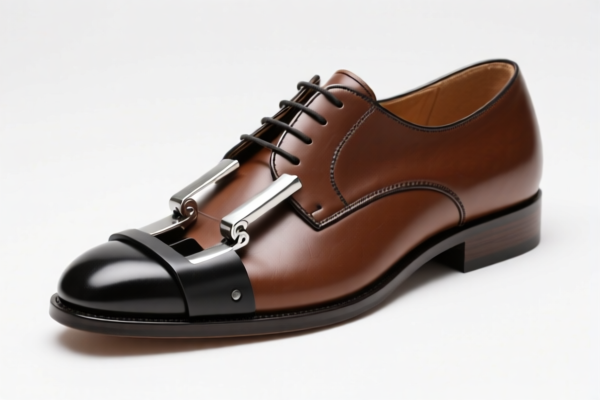
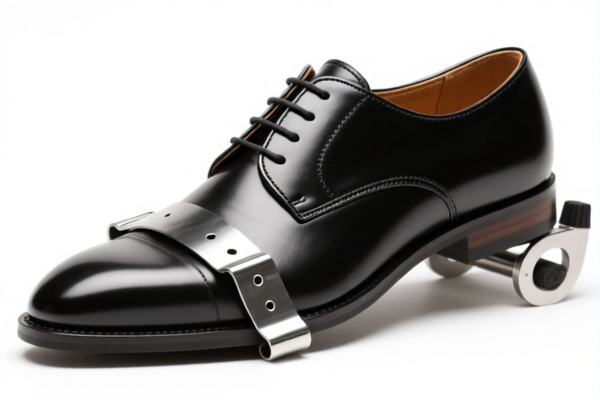
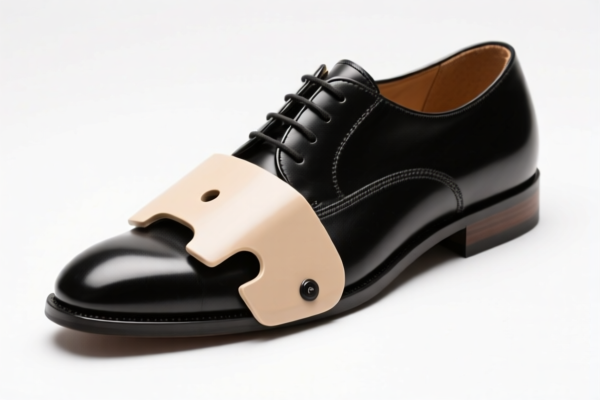
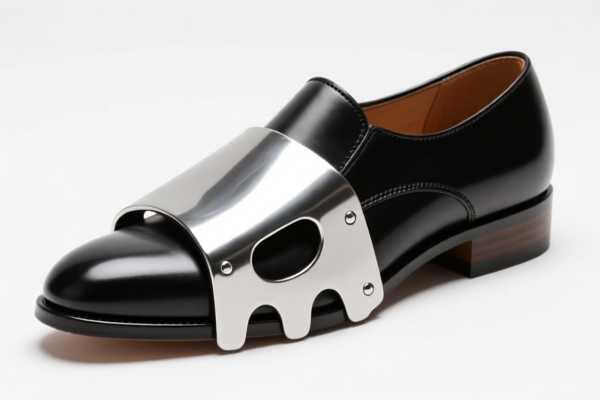
AI Analysis
👟 Shoe Stickers (Insoles / Heel Liners)
🌐 HS Code Reference & Customs Clearance Guide | 2026 Latest Tariff Analysis | Professional Clearance Strategy
📌 I. Product Definition & Classification: What exactly is a "Shoe Sticker"?
In the context of footwear accessories, "Shoe Sticker" is a colloquial term often referring to heel liners, foot pads, insoles, or anti-slip pads attached inside or outside shoes. These items are functional components designed for comfort, shape retention, or repair.
Because materials vary (Plastic, Leather, Rubber, Composite), international trade customs classify them differently based on their primary material and function.
⚠️ Key Distinction:
- If made of Plastic: Classified under Chapter 39 (Plastics).
- If made of Rubber/Leather and specific to footwear: Classified under Chapter 64 (Footwear Parts).
- Critical Risk: Misclassification leads to massive tariff discrepancies (from 22% to 47.5%).
📦 II. HS Code Classification Details (Latest 2026 Tariff Rules)
| HS Code | Product Description | Material Basis | Applicable Scenario |
|---|---|---|---|
3926.90.99.89 |
Other articles of plastics (General Plastic Parts) | Plastic | Generic plastic heel pads, non-specific plastic liners |
6406.10.90.90 |
Other footwear parts (Footbeds/Insoles) | Leather/Rubber/Composite | Standard shoe insoles, heel liners, shoe tongue pads |
6406.10.50.00 |
Other footwear parts (Catch-all) | Any Material | Foot pads classified as general footwear components under residual categories |
3926.90.25.00 |
Other plastic articles (Specific Plastic Parts) | Plastic/Rubber/Leather Composite | Plastic-based shoe accessories, composite plastic liners |
6401.99.90.00 |
Waterproof footwear parts (Repair/Friction) | Rubber/Plastic | Rubber/Plastic pads used for waterproofing, anti-slip repair, or heel protection |
💰 III. 2026 Latest Tariff Rate Breakdown (Detailed Tax Clauses)
✅ Applicable Country: USA (US)
✅ Origin: China (CN)
✅ Effective Date: Current regulations include Base Tariff + Section 301 (7.5%) + Section 122 (10%)
🎯 1. 3926.90.99.89 — Other Articles of Plastics
| Item | Content |
|---|---|
| Base Tariff | 5.3% |
| Section 301 Surcharge | 7.5% |
| Section 122 Tariff | 10.0% |
| Total Effective Rate | 22.8% |
| Calculation | CIF Value × 22.8% |
| De Minimis Exemption | ❌ Not Eligible (Section 122 usually blocks small package exemptions for certain plastic goods or requires full duty payment) |
📌 Explanation:
- This code applies if the "shoe sticker" is primarily considered a general plastic article rather than a specific footwear part.
- Section 122 imposes an additional 10% on specific plastic goods from China, significantly impacting cost.
🎯 2. 6406.10.90.90 — Footwear Parts (Insoles/Heel Liners)
| Item | Content |
|---|---|
| Base Tariff | 4.5% |
| Section 301 Surcharge | 7.5% |
| Section 122 Tariff | 10.0% |
| Total Effective Rate | 22.0% |
| Calculation | CIF Value × 22.0% |
| De Minimis Exemption | ❌ Not Eligible |
📌 Explanation:
- This is the most common classification for standard leather, rubber, or composite shoe insoles/heel liners.
- It falls under "Footwear Parts" (Chapter 64).
- Tip: This is one of the lowest tax rates in the provided list, making it the preferred classification if the product clearly fits the definition of a footwear part.
🎯 3. 6406.10.50.00 — Other Footwear Parts (Catch-all)
| Item | Content |
|---|---|
| Base Tariff | 26.2% |
| Section 301 Surcharge | 0.0% |
| Section 122 Tariff | 10.0% |
| Total Effective Rate | 36.2% |
| Calculation | CIF Value × 36.2% |
| De Minimis Exemption | ❌ Not Eligible |
📌 Explanation:
- Used when the product doesn't fit specific insole codes but is still a footwear part.
- Note: No Section 301 tariff (7.5%) here, but the Base Tariff is high (26.2%), resulting in a higher total than6406.10.90.90.
🎯 4. 3926.90.25.00 — Other Plastic Articles (Specific)
| Item | Content |
|---|---|
| Base Tariff | 6.5% |
| Section 301 Surcharge | 7.5% |
| Section 122 Tariff | 10.0% |
| Total Effective Rate | 24.0% |
| Calculation | CIF Value × 24.0% |
| De Minimis Exemption | ❌ Not Eligible |
📌 Explanation:
- Applies to composite materials (Plastic/Rubber/Leather) where plastic is a dominant feature but it's classified under a specific subheading of Chapter 39.
- Slightly higher than the primary plastic code due to the higher base rate.
🎯 5. 6401.99.90.00 — Waterproof Footwear Parts (Repair/Heel)
| Item | Content |
|---|---|
| Base Tariff | 37.5% |
| Section 301 Surcharge | 0.0% |
| Section 122 Tariff | 10.0% |
| Total Effective Rate | 47.5% |
| Calculation | CIF Value × 47.5% |
| De Minimis Exemption | ❌ Not Eligible |
📌 Explanation:
- HIGHEST TAX RATE in this dataset.
- Applies if the "shoe sticker" is viewed as a waterproofing material or a general repair patch made of rubber/plastic, falling under "Other waterproof footwear."
- Avoid this code unless your product is explicitly marketed as a "waterproof repair patch" for rubber boots, as it nearly doubles the cost compared to standard insoles.
🛠️ IV. Customs Clearance Practical Advice (Pitfall Avoidance Guide)
✅ 1. Preparation Checklist (Must-Have Documents)
| Document | Required? | Description |
|---|---|---|
| ✅ Product Specifications | ✔️ | Must specify material (e.g., "100% Leather," "PVC Plastic," "Memory Foam"). |
| ✅ Photos | ✔️ | Show the item both flat and installed in a shoe to prove function as "insole/liner." |
| ✅ Commercial Invoice | ✔️ | Describe as "Shoe Insoles" or "Heel Liners" rather than vague "Stickers." |
| ✅ Material Declaration | ✔️ | Critical for distinguishing between Ch. 39 (Plastic) and Ch. 64 (Footwear Parts). |
✅ 2. Classification Strategy (Key Mnemonic)
🔥 “Material First, Function Second; Footwear Part Saves Tax!”
| Scenario | Recommended HS Code | Tax Rate | Why? |
|---|---|---|---|
| Standard Leather/Rubber Insoles | 6406.10.90.90 |
22.0% | ✅ Lowest Tax. Clearly a footwear part. |
| Pure Plastic Heel Pads | 3926.90.99.89 |
22.8% | Acceptable if no leather/rubber. |
| Composite/General Plastic Part | 3926.90.25.00 |
24.0% | Higher base tariff. |
| Unclear/Catch-all Footwear Part | 6406.10.50.00 |
36.2% | Avoid if possible; high base rate. |
| Rubber/Plastic Repair Patch | 6401.99.90.00 |
47.5% | ❌ Avoid. Highest risk and cost. |
✅ 3. Special Handling Tips
| Situation | Advice |
|---|---|
| Mixed Material | If >50% leather/rubber, try to argue for Chapter 64 (6406.10.90.90) for lower tax. |
| Small Quantities (De Minimis) | ⚠️ Warning: Section 122 tariffs (10%) often invalidate the $800 de minimis exemption for plastic/footwear goods from China. Do not rely on De Minimis without verifying current CBP enforcement. |
| Naming in Invoice | Use "Footwear Liners" or "Insoles." Avoid "Stickers" which may imply adhesive tape (Ch. 35/37) or lead to misclassification. |
🌍 V. Global Market Comparison (2026 Outlook)
| Market | Recommended HS Code | Est. Total Tax (China Origin) | Key Certification |
|---|---|---|---|
| 🇺🇸 USA | 6406.10.90.90 |
22.0% | No specific tech cert, but clear material desc. |
| 🇪🇺 EU | 6406.90.90 |
~8-12% (Varies by material) | REACH (Chemical safety) for rubber/plastic. |
| 🇨🇳 China | 6406.90.90 |
5-10% | CCC (if applicable to final shoe). |
📌 Conclusion:
- The USA imposes high tariffs due to Section 301 (7.5%) and Section 122 (10%).
- Chapter 64 (6406) is generally more favorable than Chapter 39 (3926) for functional shoe parts, provided the material composition supports it.
📌 VI. Common Mistakes & Pitfalls (Lessons Learned)
❌ Mistake 1: Using "Shoe Sticker" as the HS Code description
👉 Result: Customs may classify it as an adhesive product (Ch. 35) or miscellaneous plastic (Ch. 39), leading to audits and delays.
❌ Mistake 2: Ignoring Material Composition
👉 Result: If you declare "Plastic" but it's 60% Leather, you risk being reclassified to 6406.10.90.90 (correct) or penalized for false declaration.
❌ Mistake 3: Assuming De Minimis Applies to Section 122 Goods
👉 Result: Section 122 tariffs apply to shipments regardless of value. Your $50 package may still incur duty, destroying profit margins.
🎯 VII. Conclusion: Smart Classification for Maximum Profit
🎯 Remember the Golden Rule:
🔹 "Footwear Parts (6406) < Plastic Parts (3926) < Repair Patches (6401)"
🔹 22.0% is the target. 47.5% is the disaster.
✅ Action Plan:
1. Label accurately: "Leather Heel Liners" or "Rubber Insoles."
2. Provide Material Specs: Prove it's not just a "plastic sticker."
3. Select 6406.10.90.90: Aim for the 22.0% total tax rate.
4. Verify De Minimis: Check if your carrier allows duty-free entry for these specific codes (often no for China-origin goods under current rules).
📣 Immediate Action:
📞 Consult a Customs Broker to confirm if your specific material blend qualifies for
6406.10.90.90.
🚀 Optimize your supply chain to avoid the 47.5% trap by ensuring clear product descriptions and material declarations.
✨ Precision Classification = Maximizing Your Margin!
💼 Don't let a 25% tariff difference erase your profit.
Customer Reviews
About HS Code Classification
The Harmonized System (HS) is an internationally standardized nomenclature developed by the World Customs Organization (WCO) to classify traded products. Over 200 countries use the HS system as the basis for customs tariffs, trade statistics, and import/export regulations.
Each HS code follows a hierarchical structure:
- Chapter (2 digits) — Broad category of goods (e.g., Chapter 84: Machinery and Mechanical Appliances)
- Heading (4 digits) — More specific grouping within the chapter
- Subheading (6 digits) — Internationally standardized breakdown, used by all WCO member countries
- National subdivisions (8-10 digits) — Country-specific extensions for further classification, such as US HTSUS 10-digit codes
Correct HS code classification is essential for smooth customs clearance, accurate duty payment, and compliance with trade regulations. Misclassification can lead to customs delays, overpayment of duties, or penalties.
When importing from CN to US, the applicable tariff rates may include:
- Most-Favored-Nation (MFN) rate — The standard duty rate applied to WTO members
- General rate — Applied to countries without trade agreements
- Trade remedy duties — Additional tariffs such as Section 301 (anti-dumping), Section 232 (national security), or countervailing duties
The information provided on this page is for reference purposes only. For official classification, please consult with your local customs authority or a licensed customs broker.