Shoe Stretcher
CN → US| HS Code | Tariff Rate | Origin | Destination | Doc |
|---|---|---|---|---|
| 7326908688 | 87.9% | CN | US | Official Doc |
| 7326908676 | 87.9% | CN | US | Official Doc |
Product Images
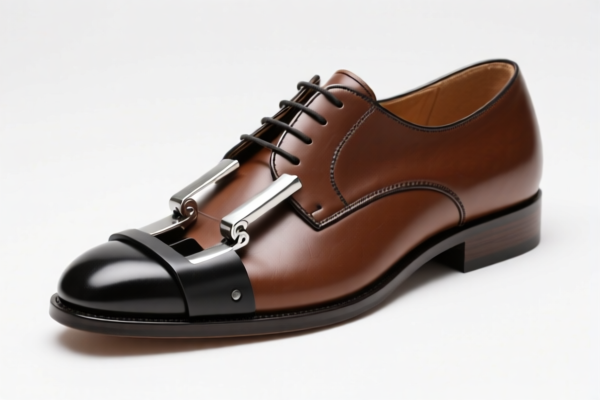
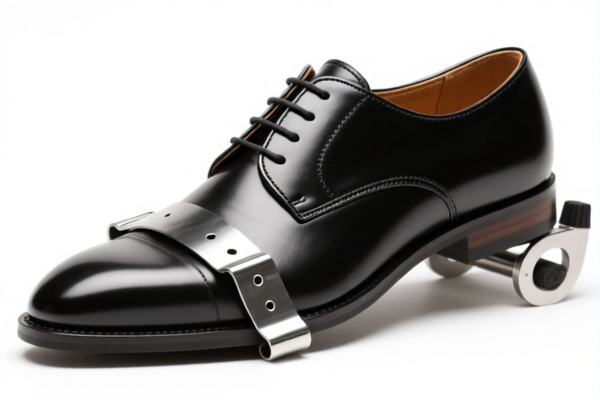
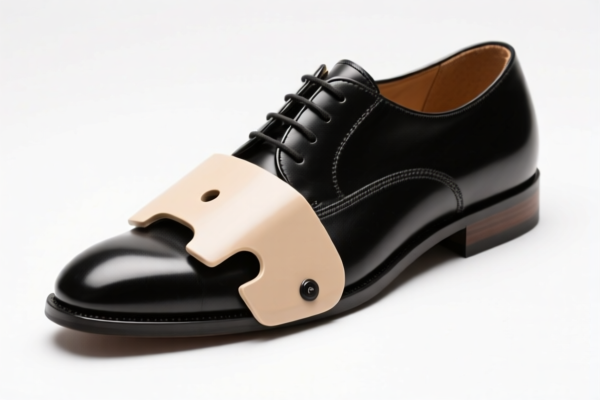
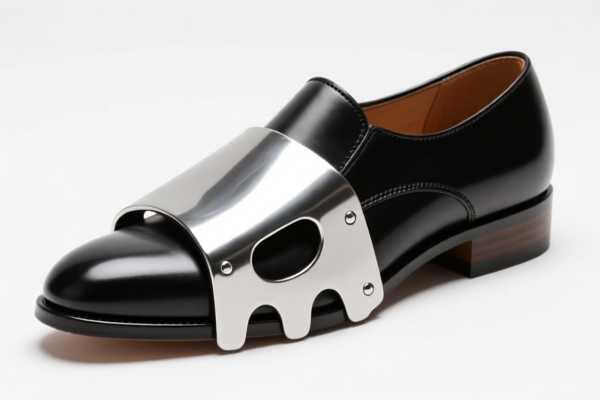
AI Analysis
👞 Shoe Stretcher (Foot Expanders)
🌐 HS Code Reference & Clearance Guide | 2026 Latest Tariff Analysis | Professional-Level Clearance Strategy
📌 I. Product Definition and Classification: Do You Really Understand "Shoe Stretcher"?
A Shoe Stretcher is a device used to expand, adjust, or reshape footwear to improve comfort or fit. In international trade, it is generally classified as an article of iron or steel (if made primarily of metal) or plastic/wood, depending on its material composition.
Based on the provided data (<DATA>), we focus on the classification for metal (iron/steel) shoe stretchers, as these are common commercial tools. The classification hinges on whether the product is considered a "general article" or has a "specific use" (like a handle for brooms/mops, which is a common misclassification trap).
⚠️ Key Distinction:
- If the shoe stretcher is a general-purpose metal tool for expanding shoes → It falls under "Other articles of iron or steel".
- Crucial Note: Do NOT confuse it with "handles for brooms/mops" (HS 7326.90.86.76). A shoe stretcher is not a handle for cleaning tools; it is a standalone footwear accessory. Misclassification here can lead to incorrect duty assessments.
📦 II. HS Code Classification Details (2026 Latest Tariff Authority Comparison)
Based on the provided <DATA>, here is the detailed breakdown for metal shoe stretchers:
| HS Code | Product Description | Applicability | Key Characteristics |
|---|---|---|---|
7326.90.86.88 |
Other articles of iron or steel: Other: Other: Other: Other | Primary Classification | General metal shoe stretchers, expanders, or formers made of iron/steel. No specific "handle" function. |
7326.90.86.76 |
Other articles of iron or steel: Other: Other: Other: Other Metal handles for brooms, mops, paint applicators and similar products | Incorrect for Shoe Stretchers | This code is for handles of cleaning/painting tools. Do not use for shoe stretchers unless it is literally a detached handle being imported as a spare part for a broom. |
🔍 Critical Reminder:
- Shoe Stretchers are "Other Articles": They do not fit the specific description of "handles for brooms/mops."
- Material Matters: This classification assumes the shoe stretcher is made of iron or steel. If it is made of plastic, wood, or rubber, it would fall under different HS codes (e.g., Chapter 39, 44, or 40), which are not covered in the provided<DATA>.
- Do Not Misclassify: Using7326.90.86.76for a shoe stretcher is a clear error and may trigger customs audits for incorrect classification.
💰 III. 2026 Latest Tariff Rate Breakdown (Including Surtaxes)
✅ Applicable Country: United States (US)
✅ Origin: China (CN)
✅ Effective Date: Current (2025-2026)
🎯 1. 7326.90.86.88 —— Other Articles of Iron or Steel (Correct for Shoe Stretchers)
| Item | Content |
|---|---|
| Base Tariff | 2.9% (Ad Valorem) |
| Section 301 Surtax | 25.0% (USITC Footnote 9903.88.01) |
| Steel/Aluminum/Copper Surtax | 50.0% (USITC Footnote 9903.76.01 / 9903.80.01) |
| Total Tariff Rate | 77.9% |
| Tax Calculation | CIF Value × 77.9% |
| De Minimis Exemption | ❌ Not Applicable (High tariffs deny de minimis) |
| Legal Basis Path | HTSUS:7326.90.86.88 → Section 301: Footnote 9903.88.01 → Section 232/751: Footnote 9903.76.01 |
📌 Explanation:
- Base Tariff (2.9%): Standard Most Favored Nation (MFN) rate for general iron/steel articles.
- Section 301 Surtax (25%): Applied to all Chinese-origin goods under Chapter 73.
- Steel/Aluminum/Copper Surtax (50%): A critical additional layer for iron/steel products from China under USITC Footnotes.
- Total (77.9%): This is an extremely high effective tariff. Importers must calculate costs carefully, as this applies to the CIF value.
🎯 2. 7326.90.86.76 —— Metal Handles for Brooms/Mops (Incorrect Classification)
| Item | Content |
|---|---|
| Base Tariff | 2.9% |
| Section 301 Surtax | 0.0% (Note: Some cleaning tool handles may have exemptions, but steel items often still attract surtaxes) |
| Steel/Aluminum/Copper Surtax | 50.0% |
| Total Tariff Rate | 52.9% |
| Tax Calculation | CIF Value × 52.9% |
| De Minimis Exemption | ❌ Not Applicable |
| Legal Basis Path | HTSUS:7326.90.86.76 → Section 301: Footnote 9903.88.01 (if applicable) → Steel Surtax: 50% |
📌 Warning:
- Even if this code had a lower base rate, the 50% steel surtax still applies.
- However, using this code for a shoe stretcher is legally incorrect and poses a high risk of penalties, seizure, or audit. Stick to7326.90.86.88.
🛠️ IV. Customs Clearance Practical Advice (Pitfall Avoidance Guide)
✅ 1. Documentation Checklist (Must-Haves)
| Document | Required | Description |
|---|---|---|
| ✅ Product Specification Sheet | ✔️ | Material: Iron/Steel. Dimensions. Function: Shoe stretching/expanding. |
| ✅ Product Photos | ✔️ | Clear images showing the device, mechanism, and any branding. |
| ✅ Commercial Invoice | ✔️ | Must describe item as "Metal Shoe Stretcher" or "Foot Expander", NOT "Handle" or "Broom Part". |
| ✅ Packing List | ✔️ | Quantity, weight, and package dimensions. |
| ✅ Proof of Origin | ✔️ | Certificate of Origin (CO) if applicable, though with 77.9% tariff, origins other than China are crucial for duty optimization. |
✅ 2. Declaration Tips (Key Mantras)
🔥 "Be Specific, Be Accurate: 'Shoe Stretcher' not 'Handle'!"
| Scenario | Correct Declaration | Incorrect Action |
|---|---|---|
| Metal Shoe Stretcher | 7326.90.86.88 |
Declaring as 7326.90.86.76 (Handle) → High Risk of Audit |
| Plastic Shoe Stretcher | Not in Data | Do not force into 7326.90 |
| Wooden Shoe Stretcher | Not in Data | Do not force into 7326.90 |
| Set (Stretcher + Spray) | Split or Whole? | Declare as whole if integral; otherwise, split |
✅ 3. Special Handling Notes
| Scenario | Advice |
|---|---|
| Material Change | If the stretcher is made of plastic (very common), it does NOT fall under HS 7326. It likely falls under Chapter 39 (Plastics). Check with a customs broker for the correct plastic HS code, which may have different tariffs. |
| Kit Contents | If shipped with a spray bottle or wax, declare them separately if possible, or as a kit. The steel surtax only applies to the metal component. |
| Origin Strategy | Given the 77.9% total tariff for China-origin steel shoe stretchers, consider sourcing from Vietnam, Mexico, or Thailand to potentially avoid Section 301 and Steel surtaxes (subject to USITC rules). |
🌍 V. Global Market Clearance Comparison (2026 Latest)
| Country/Region | Recommended HS Code | Tariff Rate | Notes |
|---|---|---|---|
| 🇺🇸 USA | 7326.90.86.88 |
77.9% | High steel surtax (50%) + Section 301 (25%) + Base (2.9%). |
| 🇨🇳 China | 7326.90.86.88 |
~5-8% | Import duty into China is lower. No surtaxes. |
| 🇪🇺 EU | 7326.90.86.88 |
~6.5% | Standard MFN rate. No additional surtaxes for steel from China (unless anti-dumping applies). |
| 🇬🇧 UK | 7326.90.86.88 |
~6.5% | Post-Brexit tariff. No Section 301. |
📌 Conclusion:
- The USA market is extremely challenging for steel shoe stretchers from China due to the 77.9% total tariff.
- Alternative Materials: Consider plastic or wooden stretchers (not in this data set) which may have lower duties in the US (e.g., ~3-5%).
- Alternative Origins: Importing from non-China sources can significantly reduce duty costs.
📌 VI. Common Errors & Pitfall Guide (Lessons Learned)
❌ Error 1: Classifying a metal shoe stretcher as "Broom Handle" (7326.90.86.76).
👉 Consequence: Customs may reject the entry for incorrect classification, even if the tariff appears lower (52.9%). Accuracy is paramount.
❌ Error 2: Ignoring the 50% Steel Surtax.
👉 Consequence: Underestimating landed cost. The base 2.9% + 25% = 27.9% is misleading. The total is 77.9%.
❌ Error 3: Assuming all shoe stretchers are the same.
👉 Consequence: If your product is plastic, using HS 7326 is wrong. It leads to duty mispayment and potential penalties. Always check material first.
✅ Correct Practice:
"Metal Shoe Stretcher, Iron, Adjustable, Model XYZ, Made in China"
🎯 VII. Conclusion: Professional Declaration, Cost Efficiency!
🎯 Remember the Mantra:
🔹 "Steel Shoe Stretcher: 77.9% Duty!"
🔹 "Not a Handle, Not a Broom Part: Use7326.90.86.88"
🔹 "Material Matters: Plastic? Wood? Check New HS Codes!"
📌 Pro Tip:
If you are importing plastic shoe stretchers, do NOT use the HS codes above. They likely fall under Chapter 39 (Plastics). Plastic goods generally do not attract the 50% steel surtax, potentially lowering the US tariff to ~3-5% + Section 301 (25%) = ~28-30%.
Recommendation: Evaluate switching to plastic or non-steel materials for the US market to save over 40% in tariffs.
📣 Immediate Action:
📞 Consult a Customs Broker for Plastic/Wooden Alternatives
🚀 Optimize Supply Chain: Source from Non-China Origins to bypass Surtaxes
✨ Professional Clearance Starts with Precise Classification!
💼 Your Every Penny Deserves Accurate Calculation!
Customer Reviews
About HS Code Classification
The Harmonized System (HS) is an internationally standardized nomenclature developed by the World Customs Organization (WCO) to classify traded products. Over 200 countries use the HS system as the basis for customs tariffs, trade statistics, and import/export regulations.
Each HS code follows a hierarchical structure:
- Chapter (2 digits) — Broad category of goods (e.g., Chapter 84: Machinery and Mechanical Appliances)
- Heading (4 digits) — More specific grouping within the chapter
- Subheading (6 digits) — Internationally standardized breakdown, used by all WCO member countries
- National subdivisions (8-10 digits) — Country-specific extensions for further classification, such as US HTSUS 10-digit codes
Correct HS code classification is essential for smooth customs clearance, accurate duty payment, and compliance with trade regulations. Misclassification can lead to customs delays, overpayment of duties, or penalties.
When importing from CN to US, the applicable tariff rates may include:
- Most-Favored-Nation (MFN) rate — The standard duty rate applied to WTO members
- General rate — Applied to countries without trade agreements
- Trade remedy duties — Additional tariffs such as Section 301 (anti-dumping), Section 232 (national security), or countervailing duties
The information provided on this page is for reference purposes only. For official classification, please consult with your local customs authority or a licensed customs broker.