Shoe Tree
CN → US| HS Code | Tariff Rate | Origin | Destination | Doc |
|---|---|---|---|---|
| 6406903060 | 15.3% | CN | US | Official Doc |
| 6406909000 | 17.5% | CN | US | Official Doc |
| 3926909989 | 22.8% | CN | US | Official Doc |
| 3926909905 | 22.8% | CN | US | Official Doc |
Product Images
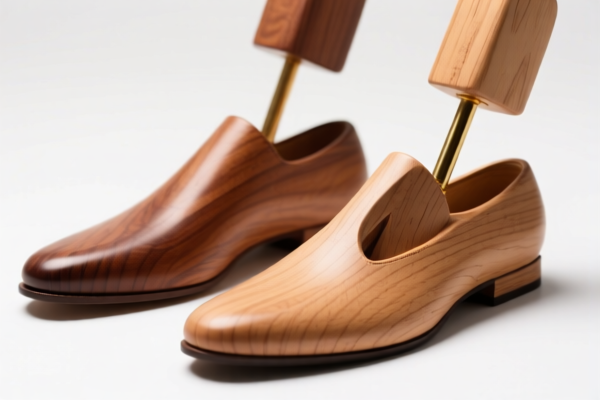
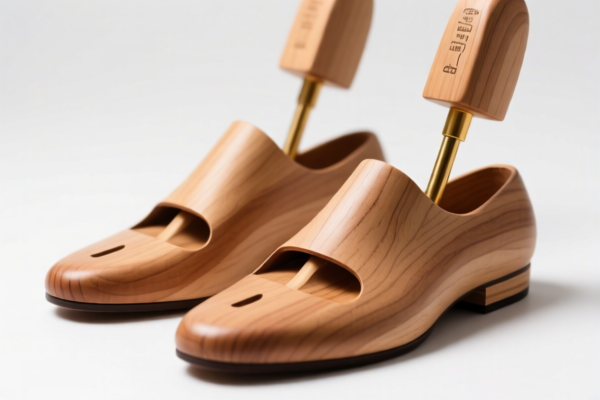
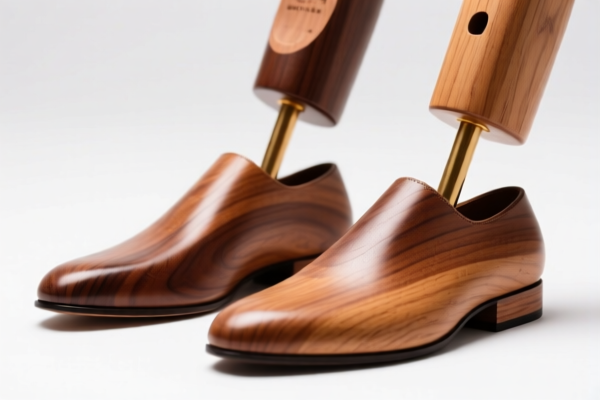
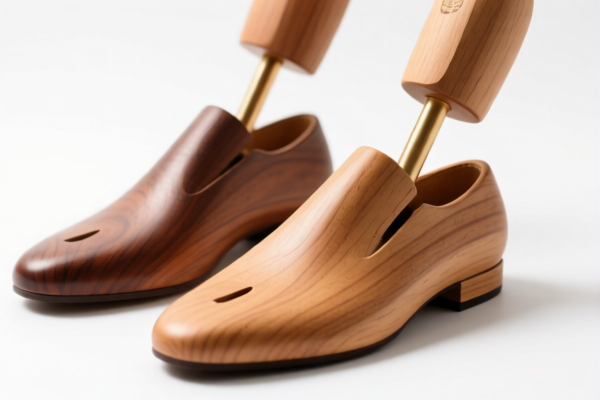
AI Analysis
👞 Shoe Tree (Shoe Forms & Supports)
🌐 HS Code Reference & Clearance Guide | 2026 Latest Tariff Analysis | Professional Clearance Strategy
📌 I. Product Definition & Classification: What is a "Shoe Tree"?
A Shoe Tree (also known as a shoe form, shoe stretcher, or shoe support) is an insert device placed inside footwear to maintain its shape, prevent creasing, absorb moisture, or stretch tight areas. In international trade, they are not classified as footwear itself, but rather as accessories or parts of footwear.
Key Distinction:
- Material Matters: The classification heavily depends on whether the shoe tree is made of Rubber/Plastics (Headings 39/40) or Other Materials (e.g., wood, leather, metal) (Heading 6406).
- Function: It is a "part of footwear" or "article of plastics" designed to support the structure of the shoe.
⚠️ Critical Note for Clearance:
- Do NOT classify under Footwear (Chapter 64, Headings 6401-6405) as the final product.
- Correct classification is under 6406.90 (Parts of footwear) or 3926.90 (Articles of plastics).
- Misclassification can lead to incorrect duty assessment and customs delays.
📦 II. HS Code Classification Details (2026 Latest Tariff Reference)
Based on the provided <DATA>, here are the applicable HS Codes and their specific tax implications. Note that the data includes both Plastics (Heading 39) and Footwear Parts (Heading 64).
| HS Code | Product Description | Material | Application Scenario |
|---|---|---|---|
3926.90.99.89 |
Other articles of plastics: Other: Other | Plastics | General plastic shoe forms not specifically named (e.g., generic plastic inserts, non-elastic). |
3926.90.99.05 |
Other articles of plastics: Other: Elastic bands made wholly of plastics | Plastics | Plastic shoe trees that include or are made of elastic plastic bands (e.g., stretchable plastic supports). |
6406.90.30.60 |
Parts of footwear: Of other materials: Of rubber or plastics: Other | Rubber or Plastics | Specific parts of footwear made of rubber/plastics that do not fall under other specific subheadings. Note: This is a specialized "Parts of Footwear" code for rubber/plastic components. |
6406.90.90.00 |
Parts of footwear: Of other materials: Other | Other Materials | Shoe trees made of non-rubber/plastic materials (e.g., wood, leather, metal) or mixed materials not covered by the rubber/plastic subcategories. |
🔍 Classification Logic:
- If the shoe tree is 100% Plastic and not elastic →3926.90.99.89
- If the shoe tree uses Elastic Plastic Bands →3926.90.99.05
- If the shoe tree is considered a "Part of Footwear" made of Rubber/Plastic →6406.90.30.60
- If the shoe tree is made of Wood/Leather/Metal (Non-rubber/plastic) →6406.90.90.00
💰 III. 2026 Latest Tariff Rates Detail (Including Surcharges)
✅ Applicable Country: USA (US)
✅ Origin: China (CN)
✅ Effective Date: Current 2026 Tariff Structure
🎯 1. 3926.90.99.89 — Plastic Shoe Trees (General/Non-Elastic)
| Item | Content |
|---|---|
| Base Tariff | 5.3% |
| Additional Surcharge (Section 301/USITC) | 7.5% |
| Total Tariff Rate | 12.8% |
| Tax Calculation | CIF Value × 12.8% |
| De Minimis Eligibility | ❌ No (Subject to high tariffs) |
| Legal Basis | Heading 3926 → Subheading 99.89 → USITC Surcharges |
📌 Explanation:
- This code captures general plastic articles.
- The 5.3% base is the standard MFN rate for plastics.
- The 7.5% surcharge is applied due to trade policies (e.g., Section 301 tariffs on Chinese goods).
- Total: 12.8% is a moderate duty, but must be factored into landed cost.
🎯 2. 3926.90.99.05 — Elastic Plastic Shoe Trees
| Item | Content |
|---|---|
| Base Tariff | 5.3% |
| Additional Surcharge (Section 301/USITC) | 7.5% |
| Total Tariff Rate | 12.8% |
| Tax Calculation | CIF Value × 12.8% |
| De Minimis Eligibility | ❌ No |
| Legal Basis | Heading 3926 → Subheading 99.05 → USITC Surcharges |
📌 Explanation:
- Even though it is "elastic," it is still classified under plastics.
- Identical tax rate (12.8%) as general plastic shoe trees.
- Ensure the product description clearly states "Elastic bands made wholly of plastics" to match this code if applicable.
🎯 3. 6406.90.30.60 — Parts of Footwear (Rubber/Plastic)
| Item | Content |
|---|---|
| Base Tariff | 0.0% |
| Additional Surcharge (Section 301/USITC) | 0.0% |
| Total Tariff Rate | 0.0% |
| Tax Calculation | CIF Value × 0.0% |
| De Minimis Eligibility | ❌ No (But duty-free) |
| Legal Basis | Heading 6406 → Subheading 30.60 |
📌 Explanation:
- Duty-Free! This is a highly favorable code.
- Applies if the shoe tree is considered a "Part of Footwear" made of Rubber or Plastics and fits this specific subheading.
- Strategic Implication: If your product can legally be classified here, it saves 12.8% compared to the general plastic code. Requires proof that it is a "part" (accessory) rather than a general plastic article.
🎯 4. 6406.90.90.00 — Parts of Footwear (Other Materials)
| Item | Content |
|---|---|
| Base Tariff | 0.0% |
| Additional Surcharge (Section 301/USITC) | 7.5% |
| Total Tariff Rate | 7.5% |
| Tax Calculation | CIF Value × 7.5% |
| De Minimis Eligibility | ❌ No |
| Legal Basis | Heading 6406 → Subheading 90.00 → USITC Surcharges |
📌 Explanation:
- Applies to shoe trees made of Wood, Leather, Metal, or Mixed Materials (non-rubber/plastic dominant).
- Lower than plastic codes (7.5% vs 12.8%) but higher than the 0% rubber/plastic part code.
- Best for wooden or leather shoe trees.
🛠️ IV. Clearance Practical Advice (Pitfall Avoidance Guide)
✅ 1. Preparation Checklist (Must-Haves)
| Document | Required | Explanation |
|---|---|---|
| ✅ Product Specification | ✔️ | Clearly state material composition (e.g., "100% HDPE Plastic" vs "Wood with Rubber Tips"). |
| ✅ Product Photos | ✔️ | Show the shoe tree inside/outside footwear to prove it is a "part/accessory." |
| ✅ Material Declaration | ✔️ | Crucial for distinguishing between 3926 (Plastic Article) and 6406 (Footwear Part). |
| ✅ Commercial Invoice | ✔️ | Describe as "Shoe Tree/Form" NOT "Plastic Toy" or "General Plastic Part." |
| ✅ Packaging List | ✔️ | Confirm quantity per carton. |
✅ 2. Classification Strategy (Key Tips)
🔥 “Material First, Function Second: Choose the 0% Path if Possible!”
| Scenario | Recommended HS Code | Duty Rate | Why? |
|---|---|---|---|
| Rubber/Plastic Shoe Tree | 6406.90.30.60 |
0.0% | Classified as a "Part of Footwear" → Duty-free. Best Option. |
| Wooden/Leather Shoe Tree | 6406.90.90.00 |
7.5% | Classified as "Part of Footwear" (Other) → Lower than plastic general goods. |
| Generic Plastic Insert | 3926.90.99.89 |
12.8% | Classified as "Other Plastic Article" → Higher duty, no footwear link. |
| Elastic Plastic Support | 3926.90.99.05 |
12.8% | Same as general plastic. |
⚠️ Risk Alert:
- Customs may challenge6406.90.30.60if the product is not clearly a "part" or "accessory" specific to footwear.
- Solution: Provide evidence that the product is sold alongside footwear or is a standard accessory for shoe maintenance.
✅ 3. Special Cases
| Situation | Advice |
|---|---|
| Mixed Material (Wood + Plastic) | If plastic is structural, it may fall under 3926. If wood is dominant, 6406.90.90.00. Consult with a broker. |
| Custom Design/Logo | Ensure the invoice does not describe it as a "Gift Item" or "Promotional Product," which might trigger different HS Codes. |
| Bulk Import | If importing large quantities of rubber shoe trees, insist on 6406.90.30.60 for 0% duty. Have product data sheets ready. |
📌 V. Common Mistakes & Pitfalls
❌ Mistake 1: Classifying plastic shoe trees under 3926 when 6406 is applicable.
👉 Consequence: Paying 12.8% instead of 0.0%. Lost Profit!
❌ Mistake 2: Describing the product as "Plastic Mold" or "Plastic Form."
👉 Consequence: Customs may view it as an industrial tool or general plastic good, not a footwear accessory.
👉 Fix: Use "Shoe Tree," "Shoe Form," or "Footwear Accessory."
❌ Mistake 3: Ignoring the 7.5% surcharge on non-rubber/plastic parts.
👉 Consequence: Underestimating landed cost for wooden shoe trees.
👉 Fix: Budget for 7.5% for 6406.90.90.00.
✅ Correct Declaration Example:
"Shoe Trees, Made of Rubber, For Maintaining Shoe Shape, HS Code 6406.90.30.60"
🎯 VI. Conclusion: Professional Clearance, Cost Saving!
🎯 Remember the Formula:
🔹 "Plastic/Rubber Part → 0% Duty (
6406.90.30.60)"
🔹 "Other Part (Wood/Leather) → 7.5% Duty (6406.90.90.00)"
🔹 "General Plastic Article → 12.8% Duty (3926.90.99.89)"📌 Strategic Advice:
- If your shoe trees are made of rubber or plastic, fight for6406.90.30.60to achieve 0% duty.
- If they are wooden, expect 7.5%.
- Avoid classifying as general plastic (3926) unless no other option exists, as it is the most expensive.
📣 Immediate Action:
📞 Contact Your Customs Broker: Provide photos and material specs.
📝 Request Advance Ruling: If importing high volume, get a binding ruling on6406.90.30.60eligibility.
💡 Save 12.8% by choosing the correct classification!
✨ Precise Classification = Maximized Profit!
💼 Don’t let duty mistakes eat your margin!
Customer Reviews
About HS Code Classification
The Harmonized System (HS) is an internationally standardized nomenclature developed by the World Customs Organization (WCO) to classify traded products. Over 200 countries use the HS system as the basis for customs tariffs, trade statistics, and import/export regulations.
Each HS code follows a hierarchical structure:
- Chapter (2 digits) — Broad category of goods (e.g., Chapter 84: Machinery and Mechanical Appliances)
- Heading (4 digits) — More specific grouping within the chapter
- Subheading (6 digits) — Internationally standardized breakdown, used by all WCO member countries
- National subdivisions (8-10 digits) — Country-specific extensions for further classification, such as US HTSUS 10-digit codes
Correct HS code classification is essential for smooth customs clearance, accurate duty payment, and compliance with trade regulations. Misclassification can lead to customs delays, overpayment of duties, or penalties.
When importing from CN to US, the applicable tariff rates may include:
- Most-Favored-Nation (MFN) rate — The standard duty rate applied to WTO members
- General rate — Applied to countries without trade agreements
- Trade remedy duties — Additional tariffs such as Section 301 (anti-dumping), Section 232 (national security), or countervailing duties
The information provided on this page is for reference purposes only. For official classification, please consult with your local customs authority or a licensed customs broker.