Shoe Upper Leather/Inner Lining Leather
CN → US| HS Code | Tariff Rate | Origin | Destination | Doc |
|---|---|---|---|---|
| 6406102061 | 28.0% | CN | US | Official Doc |
| 6406102031 | 28.0% | CN | US | Official Doc |
| 4113103000 | 12.4% | CN | US | Official Doc |
| 4113106000 | 12.8% | CN | US | Official Doc |
| 4113200000 | 39.2% | CN | US | Official Doc |
Product Images
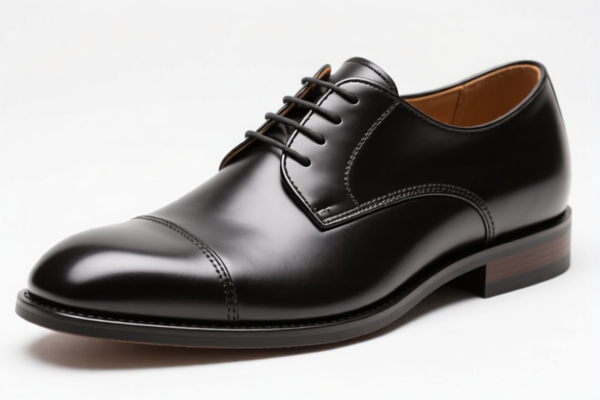
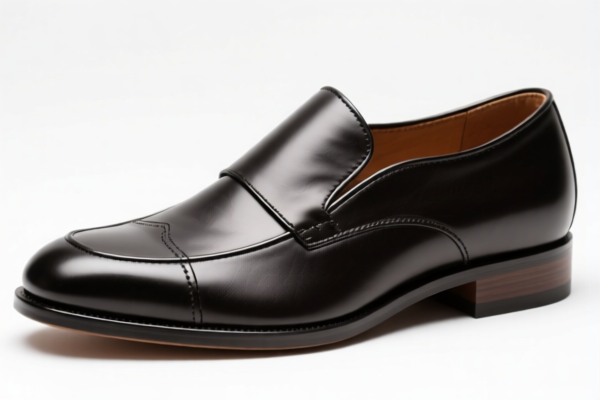
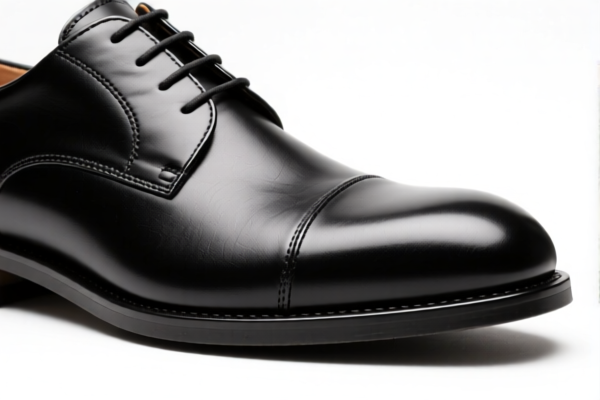

AI Analysis
👞 Shoe Upper Leather / Inner Lining Leather
🌐 HS Code Reference & Customs Clearance Guide | 2026 Latest Tariff Analysis | Professional Clearance Strategy
📌 I. Product Definition & Classification: What Exactly Is "Shoe Upper Leather"?
"Shoe Upper Leather" refers to leather components used specifically for the upper part of footwear. In international trade, this product sits at the intersection of footwear parts (Chapter 64) and prepared leather (Chapter 41). The critical distinction lies in whether the item is considered a finished component of a shoe or a semi-finished raw material.
Key Distinctions: * Footwear Parts (6406): If the leather is cut, shaped, or treated specifically to be the "Upper" (the part covering the toes and sides of the foot) of a shoe, it is classified under Chapter 64. This is especially true if the outer surface area exceeds 50% leather. * Prepared Leather (4113): If the leather is processed, tanned, but not yet shaped into a specific shoe part, or if it is used for lining/inner layers where the "upper" definition is less strict, it may fall under Chapter 41 (Prepared Leather).
⚠️ Critical Classification Point:
- "Upper" (Shoe Top): Typically classified under 6406.10 (Parts of footwear).
- "Inner Lining" (Backer/Inner Layer): May be classified under 4113 (Prepared leather) if it is not the primary outer structural element, or potentially 6406 if deemed a shoe part.
- Material Rule: The "Leather" content must generally exceed 50% of the outer surface area for Chapter 64 classification under 6406.10.
📦 II. HS Code Classification Details (2026 Latest Tariff Authority Comparison)
Based on the provided data, here are the five matched HS Codes with their specific rationales and tax implications:
| HS Code | Product Description & Rationale | Total Tax Rate | Tax Composition |
|---|---|---|---|
6406.10.20.61 |
Shoe Upper (Leather) ✅ Match: "Leather Upper" fits the material (leather >50% outer surface) and form (upper/parts). 📝 Summary: Matches the definition of shoe upper parts with leather material characteristics. |
28.0% | Base: 10.5% Add-on: 7.5% Section 122: 10% |
6406.10.20.31 |
Shoe Upper (Leather - Fashion) ✅ Match: "Leather Upper" (鞋帮) fully matches material (leather) and form. "Fashion" aligns with unisex shoe part attributes without material conflict. |
28.0% | Base: 10.5% Add-on: 7.5% Section 122: 10% |
4113.10.30.00 |
Prepared Leather (Upper/Non-Specific) ✅ Match: Leather material fits Chapter 41 (Tanned/Prepared). "Upper" is treated as a semi-finished/processed leather part, not yet a specific shoe component. 📝 Summary: Matches non-patterned leather processing logic. |
12.4% | Base: 2.4% Add-on: 0.0% Section 122: 10% |
4113.10.60.00 |
Refined Prepared Leather ✅ Match: "Leather" matches material attributes. "Upper" is treated as refined, hair-free/tanned leather. 📝 Summary: Fits the description of refined leather with no hair/fur. |
12.8% | Base: 2.8% Add-on: 0.0% Section 122: 10% |
4113.20.00.00 |
Pigskin/Specific Leather Upper ✅ Match: Specifically for pigskin or similar leather processed for shoe uppers. Fits tanned/semi-tanned leather category. 📝 Summary: Matches pigskin-related tanned leather for shoe manufacturing. |
39.2% | Base: 4.2% Add-on: 25.0% Section 122: 10% |
🔍 重点提醒:
- Chapter 64 (6406) is generally the correct classification for "Shoe Uppers" if they are cut/shaped for shoes.
- Chapter 41 (4113) applies if the leather is considered a raw/semi-finished material not yet designated as a specific shoe part, or if it is primarily for lining.
- Tax Impact: Chapter 64 codes have a 28% total tax, while Chapter 41 codes have 12.4%-12.8% (except pigskin at 39.2%). Accuracy is crucial for cost control!
💰 III. 2026 Latest Tariff Rate Breakdown (Including Add-on Taxes & Policy Surcharges)
✅ Applicable Country: United States (US)
✅ Origin: China (CN)
✅ Effective Date: From November 10, 2025 (including subsequent imports)
🎯 1. 6406.10.20.61 & 6406.10.20.31 —— Shoe Uppers (Leather Parts)
| Item | Content |
|---|---|
| Base Tariff | 10.5% (ad valorem) |
| USITC Add-on Tax | +7.5% (from Section 301 / USITC Footnotes) |
| IEEPA Add-on Tax | +10% (Targeting China/HK products, effective Nov 10, 2025) |
| Total Tax Rate | 28.0% |
| Tax Calculation | CIF Value × 28% |
| De Minimis Exemption | ❌ Not Applicable (deny_de_minimis) |
| Legal Path | IEEPA:9903.01.25 → USITC:6406.10.20.61/31 → Section 122: 10% |
📌 Explanation:
- "USITC Add-on 7.5%": Part of the Section 301 tariffs on Chinese goods.
- "IEEPA 10%": Emergency economic power law surcharge on Chinese imports.
- Total 28%: A high tariff for footwear parts. Must be calculated precisely in cost models.
🎯 2. 4113.10.30.00 & 4113.10.60.00 —— Prepared Leather (Non-Specific/Refined)
| Item | Content |
|---|---|
| Base Tariff | 2.4% - 2.8% |
| USITC Add-on Tax | +0.0% (Exempt from Section 301 for these specific subheadings) |
| IEEPA Add-on Tax | +10% (Applicable to all Chinese goods under Section 122) |
| Total Tax Rate | 12.4% - 12.8% |
| Tax Calculation | CIF Value × 12.4%~12.8% |
| De Minimis Exemption | ❌ Not Applicable (deny_de_minimis) |
| Legal Path | IEEPA:9903.01.25 → USITC:4113.10.30.00/60.00 → Section 122: 10% |
📌 Note:
- These codes have significantly lower base tariffs because they are classified as raw/semi-finished leather, not finished footwear parts.
- However, the 10% IEEPA surcharge still applies.
- Risk: Misclassifying a "Shoe Upper" (which should be 6406) as "Prepared Leather" (4113) is customs fraud and can lead to severe penalties. Only use 4113 if the leather is truly unshaped or general-purpose.
🎯 3. 4113.20.00.00 —— Pigskin Leather
| Item | Content |
|---|---|
| Base Tariff | 4.2% |
| USITC Add-on Tax | +25% (Higher rate for specific leather types) |
| IEEPA Add-on Tax | +10% |
| Total Tax Rate | 39.2% |
| Tax Calculation | CIF Value × 39.2% |
| De Minimis Exemption | ❌ Not Applicable |
| Legal Path | IEEPA:9903.01.25 → USITC:4113.20.00.00 → Section 122: 10% |
📌 Warning:
- If your product is pigskin, expect the highest tax rate (39.2%).
- Do not misclassify pigskin as "calfskin" or "general leather" to avoid lower rates; customs inspections are strict.
🛠️ IV. Customs Clearance Practical Advice (Real-World Pitfall Guide)
✅ 1. Required Documentation Checklist
| Document | Mandatory? | Description |
|---|---|---|
| ✅ Product Specification Sheet | ✔️ | Must specify: Material (Leather type: Calf, Pig, Cow?), Shape (Upper, Lining, Scrap?), Dimensions. |
| ✅ Photos (Clear & Detailed) | ✔️ | Show the leather's surface, grain, and any pre-cut shapes. Label "Shoe Upper" vs. "Raw Leather". |
| ✅ Commercial Invoice | ✔️ | Clearly state: "Leather Shoe Upper for Footwear Manufacturing" OR "Prepared Leather for Lining". |
| ✅ Bill of Lading (B/L) | ✔️ | Ensure packing list matches invoice descriptions. |
| ✅ Certificate of Origin (CO) | ✔️ | If applicable for other markets, but for US, origin declaration is key. |
✅ 2. Declaration Strategy (Key Mnemonics)
🔥 "Shape Matters: Upper = 6406, Raw = 4113!"
| Scenario | Correct Declaration | Risk of Error |
|---|---|---|
| Cut/Shaped Leather Pieces (Clearly for shoe uppers) | 6406.10.20.61 or 6406.10.20.31 |
⚠️ High Risk: If declared as 4113, customs will reclassify and charge 28% + penalties. |
| General Leather Skins (Not cut for shoes, unprocessed) | 4113.10.30.00 or 4113.10.60.00 |
✅ Safe: If truly raw/semi-finished. No Section 301 add-on (7.5%) applies. |
| Pigskin Leather | 4113.20.00.00 |
⚠️ Very High Tax: 39.2%. Do not hide material type. |
| Inner Lining Leather | Depends on usage: If for lining, may argue for 4113; if structured upper, use 6406. | ✅ Negotiable: Provide proof it's for lining, not the main outer upper. |
✅ 3. Special Cases Handling
| Case | Handling Advice |
|---|---|
| OEM Custom Uppers | Provide customer design specs + leather type. Declare as "Parts of Footwear" (6406). |
| Leather Scraps/Offcuts | If too small to be "uppers," may still be 6406 or 4113 depending on usability. Check with broker. |
| Mixed Materials | If upper is >50% leather, use 6406. If <50%, it may fall under different HTS (not in this data). |
| "Inner Lining" vs. "Upper" | "Upper" covers the foot; "Lining" is inside. If the product is only lining, argue for 4113 to save 15%+ in taxes. |
🌍 V. Global Market Clearance Comparison (2026 Latest)
| Country/Region | Recommended HS Code | Tariff | Certification | Remarks |
|---|---|---|---|---|
| 🇺🇸 United States | 6406.10.20.61 |
28% | N/A | High tax. Use 4113 only if genuinely raw. |
| 🇨🇳 China | 6406.10.20.61 |
~5-10% | CCC (if applicable) | Lower base rates, no US Section 301. |
| 🇪🇺 European Union | 6406.10.90 |
4.5% | CE (if safety gear) | No 10% IEEPA or 7.5% Section 301. |
| 🇬🇧 United Kingdom | 6406.10.90 |
4.5% | UKCA | Post-Brexit rules apply. |
| 🇯🇵 Japan | 6406.10.90 |
5.0% | PSE (if electrical) | Low tariffs. |
📌 Conclusion:
- US Market is the most expensive due to Section 301 (7.5%) and IEEPA (10%) add-ons on footwear parts.
- Classification Accuracy is Critical: Misclassifying 6406 as 4113 can save ~15% tax but risks severe customs penalties.
- For Lining Only: Consider using 4113 codes to reduce tax burden, provided the goods are not "uppers".
📌 VI. Common Mistakes & Pitfalls (Blood-Teaching Lessons)
❌ Mistake 1: Declaring "Shoe Uppers" as "Prepared Leather" (4113) to save taxes.
👉 Consequence: Customs will inspect, reclassify to 6406, charge back taxes (28% - 12% = 16% difference) + penalties and interest.
❌ Mistake 2: Not specifying "Leather" type on the invoice.
👉 Consequence: Customs may assume worst-case scenario or delay clearance for further inquiry.
❌ Mistake 3: Mixing "Upper" and "Lining" in one shipment without clear separation.
👉 Consequence: Complex customs valuation. Split shipments or clear documentation is advised.
❌ Mistake 4: Ignoring the "Section 122 10%" IEEPA tax.
👉 Consequence: All Chinese-origin goods face this 10% surcharge. Do not calculate cost without it.
✅ Correct Practice:
"Shoe Uppers, Cowhide Leather, Cut & Shaped for Footwear, Model XYZ, Origin China"
HS Code:6406.10.20.61
Tax: 28%
🎯 VII. Conclusion: Precision in Classification, Profit in Clearance
🎯 Remember the Rule:
🔹 "Upper = 6406 (28%), Raw = 4113 (12.4%), Pigskin = 39.2%!"
🔹 "If it's cut for a shoe, it's a part, not leather!"
🔹 "IEEPA 10% applies to all, Section 301 7.5% applies to parts only!"
📌 Pro Tip:
If your product is Inner Lining (not the outer upper), try to document it as such to potentially qualify for 4113 (12.4% vs 28%).
For Shoe Uppers, prepare for the 28% tax and ensure all documentation proves the "upper" status to avoid disputes.
📣 Immediate Action:
📞 Consult a licensed customs broker.
📄 Provide clear photos and material specs.
🚀 Accurate classification saves thousands in duties!
✨ Professional Clearance Starts with the Right HS Code!
💼 Every percent of tax counts in your profit margin!
Customer Reviews
About HS Code Classification
The Harmonized System (HS) is an internationally standardized nomenclature developed by the World Customs Organization (WCO) to classify traded products. Over 200 countries use the HS system as the basis for customs tariffs, trade statistics, and import/export regulations.
Each HS code follows a hierarchical structure:
- Chapter (2 digits) — Broad category of goods (e.g., Chapter 84: Machinery and Mechanical Appliances)
- Heading (4 digits) — More specific grouping within the chapter
- Subheading (6 digits) — Internationally standardized breakdown, used by all WCO member countries
- National subdivisions (8-10 digits) — Country-specific extensions for further classification, such as US HTSUS 10-digit codes
Correct HS code classification is essential for smooth customs clearance, accurate duty payment, and compliance with trade regulations. Misclassification can lead to customs delays, overpayment of duties, or penalties.
When importing from CN to US, the applicable tariff rates may include:
- Most-Favored-Nation (MFN) rate — The standard duty rate applied to WTO members
- General rate — Applied to countries without trade agreements
- Trade remedy duties — Additional tariffs such as Section 301 (anti-dumping), Section 232 (national security), or countervailing duties
The information provided on this page is for reference purposes only. For official classification, please consult with your local customs authority or a licensed customs broker.