Shoe Upper and Components
CN → US| HS Code | Tariff Rate | Origin | Destination | Doc |
|---|---|---|---|---|
| 6406109040 | 22.0% | CN | US | Official Doc |
| 6406106000 | 17.5% | CN | US | Official Doc |
| 4203406000 | 35.0% | CN | US | Official Doc |
Product Images
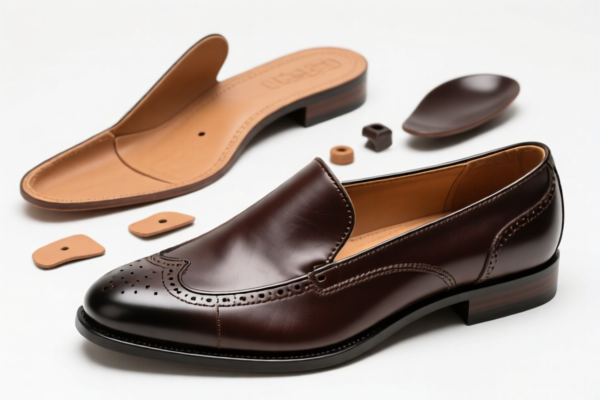
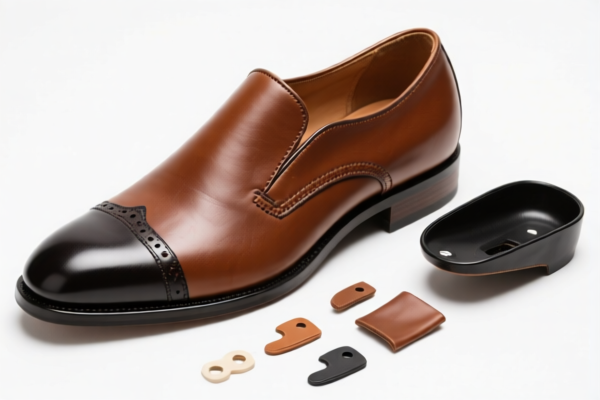
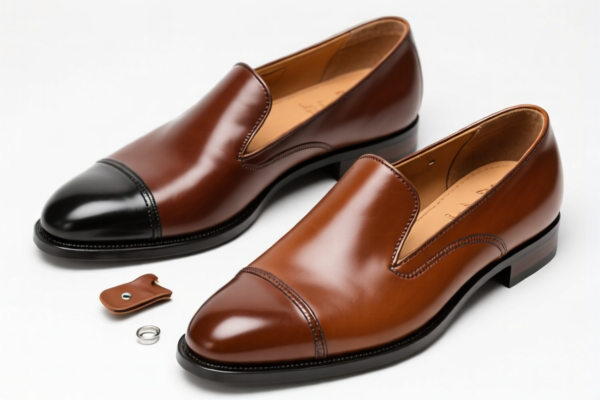
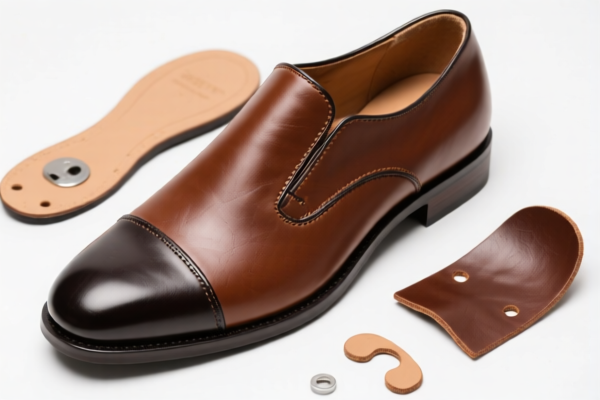
AI Analysis
👞 Shoe Upper and Components (鞋面及其零件)
🌐 HS Code Reference & Customs Clearance Guide | 2026 Latest Tariff Analysis | Professional Clearance Strategy
📌 I. Product Definition & Classification: What Exactly Are You Importing?
Shoe Uppers and Components refer to the primary structure of footwear that encases the foot, excluding the sole attachment unit. In international trade, the classification hinges heavily on material composition (Leather, Rubber, Plastic, Textile, etc.). Misclassification here is common and costly, as it directly triggers different tariff rates (especially under Section 122 and Section 301).
⚠️ Critical Distinction:
- If made of Leather/Synthetic Leather → Likely falls under Chapter 42 (Articles of Leather).
- If made of Rubber/Plastic or Textiles → Likely falls under Chapter 64 (Footwear Components).
- Do not confuse "Shoe Uppers" (Chapter 64) with "Finished Footwear" (Chapter 64.01-64.05) or "Leather Accessories" (Chapter 42).
📦 II. HS Code Classification Details (Based on Provided Data)
Based on the specific data provided, there are three potential HS Codes depending on the material inference. Here is the authoritative breakdown:
| HS Code | Summary Description | Material Inference | Applicability Scenario |
|---|---|---|---|
6406.10.90.40 |
Shoe Uppers and Parts, Default Material Match | Generic/Mixed/Non-Leather | Default classification when material is not explicitly leather or when standard rubber/plastic/textile upper is implied without further specification. |
6406.10.60.00 |
Shoe Uppers and Parts, Consistent Use, No Material Conflict | Rubber/Plastic/Textile (Standard) | Used when the upper is made of materials standard to footwear components (rubber, plastic, textiles) and matches standard industry usage without conflict. |
4203.40.60.00 |
Shoe Uppers and Parts, Inferred as Leather or Synthetic Leather | Leather / Synthetic Leather | High Tariff Trap: If the upper is made of (reconstituted) leather or synthetic leather, it falls under Chapter 42, not Chapter 64. |
🔍 Key Insight:
- The difference between6406.10and4203.40is material.
- If you misdeclare a Leather upper as6406to avoid high tariffs, you risk severe penalties for misclassification.
-4203.40applies to articles of leather (including reconstituted leather) worn on the feet, which includes shoe uppers made of leather.
💰 III. 2026 Latest Tariff Rate Breakdown (Including Surcharge Policies)
✅ Applicable Country: United States (US)
✅ Country of Origin: China (CN)
✅ Effective Time: Current trade policies (Section 122 & Section 301)
🎯 1. 6406.10.90.40 —— Shoe Uppers (Default Material Match)
| Item | Detail |
|---|---|
| Base Tariff | 4.5% |
| Surcharge (Section 301) | +7.5% |
| Section 122 Surcharge | +10% |
| Total Tax Rate | 22.0% |
| Tax Detail | Base: 4.5% + Add-on: 7.5% + 122 Clause: 10% |
| Calculation | CIF Value × 22.0% |
📌 Explanation:
- This is the "Safe Harbor" category for non-leather uppers with standard material assumptions.
- The 22% rate is moderate compared to leather goods.
- Section 122 refers to the recent emergency tariffs on certain imports, adding 10% on top of existing duties.
🎯 2. 6406.10.60.00 —— Shoe Uppers (No Material Conflict)
| Item | Detail |
|---|---|
| Base Tariff | 0.0% |
| Surcharge (Section 301) | +7.5% |
| Section 122 Surcharge | +10% |
| Total Tax Rate | 17.5% |
| Tax Detail | Base: 0.0% + Add-on: 7.5% + 122 Clause: 10% |
| Calculation | CIF Value × 17.5% |
📌 Explanation:
- This is the Most Cost-Effective option among the three.
- Zero base duty makes it attractive, but the surcharges still apply.
- Use this if your uppers are clearly made of rubber, plastic, or textiles and do not contain leather components.
🎯 3. 4203.40.60.00 —— Shoe Uppers (Leather/Synthetic Leather)
| Item | Detail |
|---|---|
| Base Tariff | 0.0% |
| Surcharge (Section 301) | +25.0% |
| Section 122 Surcharge | +10% |
| Total Tax Rate | 35.0% |
| Tax Detail | Base: 0.0% + Add-on: 25.0% + 122 Clause: 10% |
| Calculation | CIF Value × 35.0% |
📌 Explanation:
- HIGHEST TAX RATE. Even though the base tariff is 0%, the Section 301 surcharge jumps to 25% for leather articles from China.
- This reflects the higher scrutiny and protectionist policies on leather goods.
- CRITICAL: Do not use4203if your product is NOT leather. If it is leather, you MUST use this code, or face customs seizure.
🛠️ IV. Customs Clearance Practical Advice (Real-World Pitfall Guide)
✅ 1. Required Documentation Checklist
| Document | Mandatory? | Notes |
|---|---|---|
| ✅ Product Specifications | ✔️ | Must clearly state Material Composition (e.g., 100% Textile, 100% Leather, Rubber). |
| ✅ Material Test Report | ✔️ | Third-party lab test proving material content (ISO/ASTM standards). Crucial for distinguishing 6406 vs 4203. |
| ✅ Product Photos | ✔️ | Close-up of inner lining, outer surface, and stitching. |
| ✅ Commercial Invoice | ✔️ | Clearly describe as "Shoe Upper - Material: [X]". Do NOT write "Part of Shoe" vaguely. |
| ✅ Packing List | ✔️ | Detail weights and dimensions. |
✅ 2. Declaration Tips (Key Mnemonic)
🔥 “Material First, Code Second; Leather is High, Non-Leather is Clear!”
| Scenario | Correct HS Code | Risk if Wrong |
|---|---|---|
| Leather/Synthetic Leather Upper | 4203.40.60.00 |
Misdeclaring as 6406 leads to Back Taxes + Penalties (Diff: 35% vs 17.5-22%). |
| Rubber/Plastic Upper | 6406.10.60.00 |
Best rate (17.5%). Ensure NO leather is present. |
| Textile Upper | 6406.10.60.00 |
Same as rubber/plastic. Verify material mix. |
| Mixed Material (e.g., Leather Sole + Fabric Upper) | Depends on Principal Material | If upper is mixed, consult tariff headings. Usually, Chapter 64 prevails if the upper is not predominantly leather. |
✅ 3. Special Situations
| Situation | Handling Advice |
|---|---|
| OEM Custom Uppers | Provide Design Drawings + Material Spec Sheet. Prove to CBP that it is a "component," not a "footwear accessory." |
| Leather-Trimmed Textile Uppers | If leather is < 50%, it may still fall under 6406. However, if leather is the defining feature, it risks 4203. Test Report is Key. |
| Section 122 Impact | Note that ALL categories listed above have a +10% Section 122 surcharge. This is a new cost layer for all Chinese imports in this category. |
🌍 V. Global Market Comparison (2026 Update)
| Region | Recommended HS Code | Est. Tariff (China Origin) | Key Requirement |
|---|---|---|---|
| 🇺🇸 USA | 6406.10.60.00 or 6406.10.90.40 |
17.5% - 22% | Material Test Report mandatory. |
| 🇺🇸 USA | 4203.40.60.00 (Leather) |
35.0% | High duty. Consider sourcing leather from non-China origins if possible. |
| 🇪🇺 EU | 6406.10 |
~10-14% | CE marking not required for components, but safety standards apply. |
| 🇨🇳 China | 6406.10 |
5-8% (Import) | Low tariff for importing components into China for re-export. |
📌 Conclusion:
- The US market is the most complex due to the Section 122 (+10%) and Section 301 (+7.5% or +25%)叠加.
- Leather uppers (35%) are significantly more expensive to import into the US than Rubber/Textile uppers (17.5-22%).
📌 VI. Common Mistakes & Pitfalls (Lessons Learned)
❌ Mistake 1: Declaring a Leather Upper as 6406.10.60.00 to save tax.
👉 Consequence: CBP will demand a material test. If proven leather, you owe the 17.5% difference plus penalties.
Avoidance: Always provide a Material Test Report from an accredited lab.
❌ Mistake 2: Writing "Shoe Parts" on the invoice without specifying material.
👉 Consequence: Customs will assign the highest possible duty (likely 4203 at 35%) or hold the shipment for examination.
Avoidance: Explicitly state "Shoe Upper, 100% Polyester Mesh" or "Shoe Upper, Full Grain Leather."
❌ Mistake 3: Ignoring the Section 122 +10% surcharge.
👉 Consequence: Your cost calculation is off by 10%, eroding profit margins.
Avoidance: Include 122 Surcharge in all FOB/CIF calculations for US-bound goods from China.
✅ Correct Practice:
"Shoe Upper, Non-Leather, 100% Textile Fabric, Model XYZ, No Leather Trim. HS: 6406.10.60.00"
🎯 VII. Conclusion: Professional Classification Saves Money!
🎯 Remember the Mantra:
🔹 "Leather is 35%, Non-Leather is 17.5-22%."
🔹 "Section 122 adds 10% to all."
🔹 "Material Test Report is your best friend."
📌 Pro Tip:
If you are importing large volumes, consider Advance Rulings from CBP. Get a binding decision on your HS Code before shipping. This avoids surprise bills at the port.
📣 Immediate Action:
📞 Contact your customs broker with your Material Test Report.
🚀 Verify if your upper is truly non-leather to secure the 17.5% rate.
💼 Stop guessing HS Codes. Start classifying accurately.
✨ Professional clearance starts with precise classification!
💼 Every percentage point matters in your bottom line!
Customer Reviews
About HS Code Classification
The Harmonized System (HS) is an internationally standardized nomenclature developed by the World Customs Organization (WCO) to classify traded products. Over 200 countries use the HS system as the basis for customs tariffs, trade statistics, and import/export regulations.
Each HS code follows a hierarchical structure:
- Chapter (2 digits) — Broad category of goods (e.g., Chapter 84: Machinery and Mechanical Appliances)
- Heading (4 digits) — More specific grouping within the chapter
- Subheading (6 digits) — Internationally standardized breakdown, used by all WCO member countries
- National subdivisions (8-10 digits) — Country-specific extensions for further classification, such as US HTSUS 10-digit codes
Correct HS code classification is essential for smooth customs clearance, accurate duty payment, and compliance with trade regulations. Misclassification can lead to customs delays, overpayment of duties, or penalties.
When importing from CN to US, the applicable tariff rates may include:
- Most-Favored-Nation (MFN) rate — The standard duty rate applied to WTO members
- General rate — Applied to countries without trade agreements
- Trade remedy duties — Additional tariffs such as Section 301 (anti-dumping), Section 232 (national security), or countervailing duties
The information provided on this page is for reference purposes only. For official classification, please consult with your local customs authority or a licensed customs broker.