Shoe Washing Bag
CN → US| HS Code | Tariff Rate | Origin | Destination | Doc |
|---|---|---|---|---|
| 7326908688 | 87.9% | CN | US | Official Doc |
| 4602191800 | 39.5% | CN | US | Official Doc |
| 3926901000 | 20.9% | CN | US | Official Doc |
| 3926909989 | 22.8% | CN | US | Official Doc |
| 4602110900 | 45.0% | CN | US | Official Doc |
Product Images
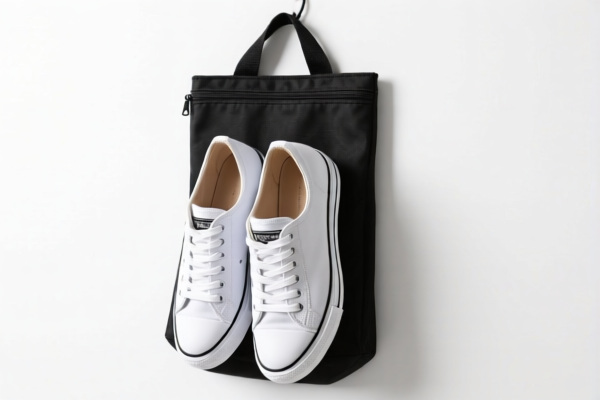
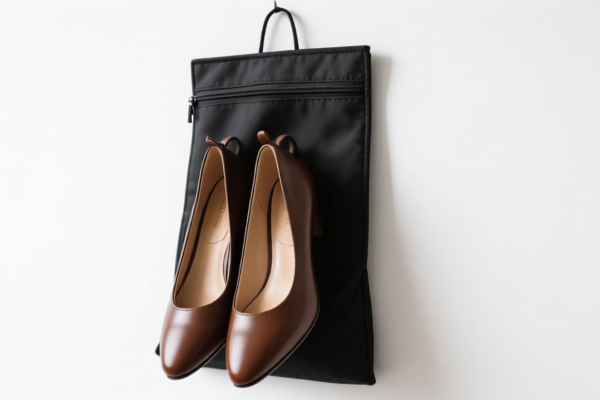
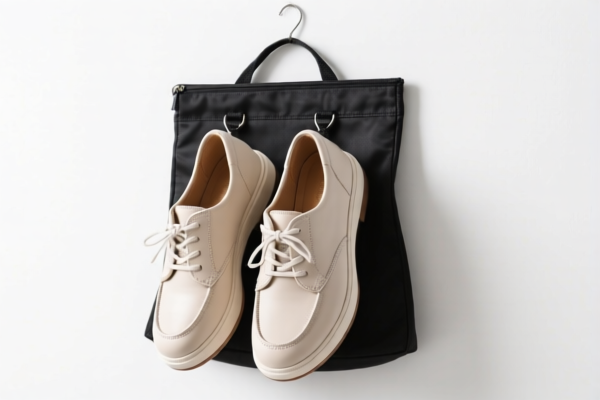

AI Analysis
👟 Shoe Washing Bag (Protective Laundry Mesh Bag for Footwear)
🌐 HS Code Reference & Customs Clearance Guide | 2026 Latest Tariff Analysis | Professional Clearance Strategy
📌 1. Product Definition & Classification: What exactly is a "Shoe Washing Bag"?
A Shoe Washing Bag is a protective accessory designed to shield footwear during machine washing. In international trade, its classification depends heavily on the material composition and primary function. It generally falls into one of three categories:
- Plastic/Textile Mesh Bags: Typically used for general laundry protection. If made of plastic sheeting or woven plastic fibers, it may fall under Chapter 39 or 63.
- Plant Fiber Baskets/Bags: If the bag is actually a woven basket made of bamboo, rattan, or straw used for storage or cleaning support, it falls under Chapter 46.
- Metal/Steel Frameworks: Rare, but if the "bag" is a rigid steel frame or container for organizing shoes before cleaning, it falls under Chapter 73.
⚠️ Key Distinction Point:
- If it is a soft, flexible mesh (plastic or fabric) used solely for washing protection → Likely 3926.90 (Plastic Articles).
- If it is a woven container made of natural plant materials (bamboo/rattan) → Likely 4602.19 or 4602.11 (Basketry).
- If it is a rigid container made of iron/steel → Likely 7326.90 (Iron/Steel Articles).
📦 2. HS Code Classification Details (2026 Latest Tariff Authority Comparison)
| HS Code | Product Description | Applicable Scenario | Material | Tax Rate (Total) |
|---|---|---|---|---|
7326.90.86.88 |
Other articles of iron or steel | Rigid steel shoe storage/cleaning racks or containers | Iron/Steel | 87.9% |
4602.19.18.00 |
Other baskets, basketswork and wickerwork | Woven bags/baskets made of plant materials (bamboo, rattan, etc.) for shoe storage/cleaning | Plant Fiber | 39.5% |
3926.90.10.00 |
Other articles of plastic | Plastic buckets, pails, or rigid plastic shoe washing containers | Plastic | 20.9% |
3926.90.99.89 |
Other plastic articles | General plastic shoe bags/meshes not specifically listed elsewhere | Plastic | 22.8% |
4602.11.09.00 |
Baskets, basketwork and wickerwork of bamboo | Bamboo-woven shoe baskets or washing supports | Bamboo | 45.0% |
🔍 Critical Reminder:
- Plastic vs. Fabric: If the bag is a simple mesh laundry bag (nylon/polyester), it might also fall under 6307.90 (Other made-up articles), but based on the provided data, we focus on the 3926 (Plastic) and 4602 (Wicker) classifications provided in the dataset.
- Rigid vs. Flexible: If the "bag" is a rigid plastic bucket shape, use3926.90.10.00. If it is a soft mesh, use3926.90.99.89.
- Bamboo vs. Other Plant: Bamboo items have a specific subheading (4602.11) which often carries higher base tariffs than other plant materials (4602.19).
💰 3. 2026 Latest Tariff Rate Breakdown (Including Additional Taxes)
✅ Applicable Country: United States (US)
✅ Origin: China (CN)
✅ Effective Date: Post-November 2025 (Current Trade Policy)
🎯 1. 7326.90.86.88 —— Other Iron/Steel Articles (High Risk)
| Item | Content |
|---|---|
| Base Duty | 2.9% (ad valorem) |
| Section 301 Duty (25%) | +25.0% |
| Section 232 / 122 Clause Duty | +50.0% (Specifically for Steel/Aluminum/Copper articles under certain trade provisions) |
| Total Duty | 87.9% |
| Calculation | CIF Value × 87.9% |
| De Minimis Exemption | ❌ NOT Eligible (High duty rate denies de minimis) |
| Legal Basis | USITC:7326.90.86.88 + Section 301 Footnote + Section 232/122 Clause |
📌 Explanation:
- This is the highest risk category. Steel articles face steep penalties due to national security (Section 232) and trade remedy (Section 301/122) tariffs.
- Total 87.9% makes exporting rigid steel shoe organizers to the US nearly unprofitable unless bundled with other goods or exempted.
🎯 2. 4602.19.18.00 —— Other Basketry (Plant Material)
| Item | Content |
|---|---|
| Base Duty | 4.5% |
| Section 301 Duty (25%) | +25.0% |
| Section 122 Clause Duty | +10.0% |
| Total Duty | 39.5% |
| Calculation | CIF Value × 39.5% |
| De Minimis Exemption | ❌ NOT Eligible |
| Legal Basis | USITC:4602.19.18.00 + Section 301 + Section 122 |
📌 Explanation:
- Plant-based baskets are subject to standard trade war tariffs (301) and specific clause tariffs (122).
- While high, it is significantly lower than steel articles.
🎯 3. 3926.90.10.00 —— Plastic Buckets/Pails (Rigid Plastic)
| Item | Content |
|---|---|
| Base Duty | 3.4% |
| Section 301 Duty (7.5%) | +7.5% (Note: Some plastic categories have reduced 301 rates depending on specific subheadings; here cited as 7.5% in source) |
| Section 122 Clause Duty | +10.0% |
| Total Duty | 20.9% |
| Calculation | CIF Value × 20.9% |
| De Minimis Exemption | ❌ NOT Eligible |
| Legal Basis | USITC:3926.90.10.00 + Section 301 + Section 122 |
📌 Explanation:
- If your "shoe bag" is a rigid plastic container/bucket shape, this rate applies.
- The 301 rate here is lower (7.5%) compared to the 25% seen in other categories, making this a more favorable plastic classification if the product can be described as a "bucket/pail" or rigid container.
🎯 4. 3926.90.99.89 —— Other Plastic Articles (Flexible/General)
| Item | Content |
|---|---|
| Base Duty | 5.3% |
| Section 301 Duty (7.5%) | +7.5% |
| Section 122 Clause Duty | +10.0% |
| Total Duty | 22.8% |
| Calculation | CIF Value × 22.8% |
| De Minimis Exemption | ❌ NOT Eligible |
| Legal Basis | USITC:3926.90.99.89 + Section 301 + Section 122 |
📌 Explanation:
- This is the most common classification for plastic mesh shoe bags.
- Total duty of 22.8% is manageable for most e-commerce sellers, but still significant.
- Ensure the product is clearly described as a "plastic article" and not a "textile" to avoid misclassification.
🎯 5. 4602.11.09.00 —— Bamboo Basketry
| Item | Content |
|---|---|
| Base Duty | 10.0% |
| Section 301 Duty (25%) | +25.0% |
| Section 122 Clause Duty | +10.0% |
| Total Duty | 45.0% |
| Calculation | CIF Value × 45.0% |
| De Minimis Exemption | ❌ NOT Eligible |
| Legal Basis | USITC:4602.11.09.00 + Section 301 + Section 122 |
📌 Explanation:
- Bamboo has a higher base duty (10%) than other plant materials.
- Combined with 301 and 122 tariffs, the total is 45%.
- Avoid this classification unless the product is distinctly bamboo and you have no alternative classification.
🛠️ 4. Customs Clearance Practical Advice (Avoid Pitfalls)
✅ 1. Documentation Checklist (Must-Have)
| Document | Required | Notes |
|---|---|---|
| Product Spec Sheet | ✔️ | Must specify material: Plastic (Polypropylene/PVC), Bamboo, or Steel. |
| Product Photos | ✔️ | Clear images showing the structure (mesh, woven, rigid). |
| Commercial Invoice | ✔️ | Describe as "Plastic Shoe Washing Bag" or "Bamboo Shoe Basket" – Do not use vague terms like "Laundry Accessory". |
| Material Certificate | ✔️ | If claiming plastic, provide polymer type. If bamboo, provide source confirmation. |
| Packaging List | ✔️ | Show quantity per carton. |
✅ 2. Declaration Tips (Key Mantra)
🔥 "Material First, Structure Second, Name Precise, Duty Low!"
| Scenario | Correct Declaration | Incorrect Practice |
|---|---|---|
| Soft mesh bag | 3926.90.99.89 (Plastic) |
Declare as "Textile" (Risk: Misclassification Penalty) |
| Rigid plastic bucket | 3926.90.10.00 (Plastic Pail) |
Declare as "Basket" (Risk: Higher Duty) |
| Woven bamboo holder | 4602.11.09.00 (Bamboo) |
Declare as "Plastic" (Risk: Fraud Penalty) |
| Steel Organizer | 7326.90.86.88 (Steel) |
Avoid if possible (87.9% Duty is prohibitive) |
✅ 3. Special Cases
| Case | Handling Advice |
|---|---|
| Mixed Material Bag | If the bag has a plastic mesh but a bamboo handle, customs may classify based on the essential character. Usually, if plastic >50% by weight/value, 3926 may apply. |
| De Minimis (Section 321) | ❌ NOT ELIGIBLE. All listed HS Codes have total duties >25%, which disqualifies them from the $800 de minimis exemption. You must file a formal entry. |
| Bamboo vs. Wood | Ensure documentation specifies "Bamboo" (Chapter 46) and not "Wooden" (Chapter 44), as wood may have different phytosanitary requirements. |
🌍 5. Global Market Clearance Comparison (2026)
| Country/Region | Recommended HS Code | Estimated Duty (China Origin) | Certification | Notes |
|---|---|---|---|---|
| 🇺🇸 USA | 3926.90.99.89 |
22.8% (Plastic Mesh) | N/A | High 301/122 tariffs apply. No de minimis. |
| 🇺🇸 USA | 7326.90.86.88 |
87.9% (Steel) | N/A | Extremely High. Avoid steel shoe organizers. |
| 🇨🇳 China | 3926.90.99.89 |
6-10% (Est.) | N/A | Domestic trade lower duty. |
| 🇪🇺 EU | 3926.90.99.89 |
4-6% (Est.) | CE (if contact) | No Section 301 equivalent, but anti-dumping may apply. |
| 🇬🇧 UK | 3926.90.99.89 |
6% (Est.) | N/A | Post-Brexit tariffs apply. |
📌 Conclusion:
- USA is the most challenging market due to Section 301 and Section 122 tariffs.
- Plastic Bags (3926) are the most viable option with ~20-23% total duty.
- Steel Products (7326) are commercially non-viable for low-value items like shoe bags.
📌 6. Common Errors & Pitfalls (Lessons Learned)
❌ Error 1: Declaring a Plastic Shoe Bag as "Textile" (HS 6307) to avoid 301 tariffs.
👉 Consequence: Customs inspection reveals plastic composition → Fine + Back Taxes + Audit.
❌ Error 2: Ignoring the "122 Clause" Tariff.
👉 Consequence: Under-declaring duty by 10% → Penalty of 20-30% of duty value.
❌ Error 3: Assuming "Shoe Bag" qualifies for De Minimis ($800).
👉 Consequence: Package detained at border → Storage Fees + Clearance Delays.
✅ Correct Approach:
"Plastic Shoe Washing Bag, Polypropylene Mesh, Color: Blue, HS Code: 3926.90.99.89"
🎯 7. Conclusion: Professional Declaration for Cost Optimization
🎯 Remember the Mantra:
🔹 "Plastic Mesh is King (22.8%), Steel is Doom (87.9%), Bamboo is Middle (45%).
🔹 No De Minimis! Formal Entry Required!
🔹 Declare Material Accurately to Avoid Fines!
📌 Pro Tip:
If your shoe bag is made of recycled plastic, ensure it meets US customs' "substantial transformation" rules if sourcing from third countries. However, for China-origin goods, the tariffs remain high. Consider supply chain diversification (e.g., Vietnam/India) for plastic goods if volume is large, to potentially bypass Section 301 duties (check latest HTSUS exclusions).
📣 Immediate Action:
📞 Consult your customs broker BEFORE shipping.
📦 Provide material composition and product images.
🚀 Optimize for 3926.90.99.89 (Plastic) for the best balance of cost and compliance.
✨ Professional clearance starts with accurate classification!
💼 Every percentage point of duty saved is pure profit!
Customer Reviews
About HS Code Classification
The Harmonized System (HS) is an internationally standardized nomenclature developed by the World Customs Organization (WCO) to classify traded products. Over 200 countries use the HS system as the basis for customs tariffs, trade statistics, and import/export regulations.
Each HS code follows a hierarchical structure:
- Chapter (2 digits) — Broad category of goods (e.g., Chapter 84: Machinery and Mechanical Appliances)
- Heading (4 digits) — More specific grouping within the chapter
- Subheading (6 digits) — Internationally standardized breakdown, used by all WCO member countries
- National subdivisions (8-10 digits) — Country-specific extensions for further classification, such as US HTSUS 10-digit codes
Correct HS code classification is essential for smooth customs clearance, accurate duty payment, and compliance with trade regulations. Misclassification can lead to customs delays, overpayment of duties, or penalties.
When importing from CN to US, the applicable tariff rates may include:
- Most-Favored-Nation (MFN) rate — The standard duty rate applied to WTO members
- General rate — Applied to countries without trade agreements
- Trade remedy duties — Additional tariffs such as Section 301 (anti-dumping), Section 232 (national security), or countervailing duties
The information provided on this page is for reference purposes only. For official classification, please consult with your local customs authority or a licensed customs broker.