Shoes (HS Code 6402997915)
CN → US| HS Code | Tariff Rate | Origin | Destination | Doc |
|---|---|---|---|---|
| 6402997990 | 0.0% | CN | US | Official Doc |
| 6402993177 | 16.0% | CN | US | Official Doc |
| 6402914050 | 16.0% | CN | US | Official Doc |
| 6405100090 | 27.5% | CN | US | Official Doc |
| 6401999000 | 47.5% | CN | US | Official Doc |
Product Images
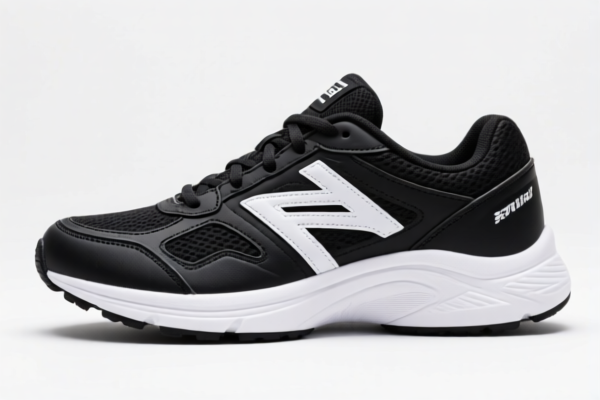
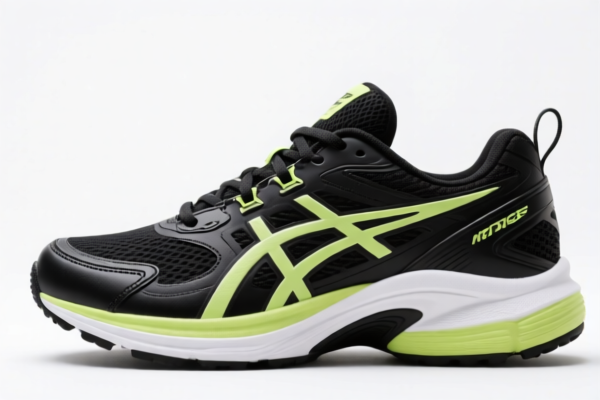
AI Analysis
🥾 Shoes (Footwear with Rubber/Plastic Soles & Uppers)
🌐 HS Code Reference & Customs Clearance Guide | 2026 Latest Tariff Breakdown | Professional Entry Strategies
📌 I. Product Definition & Classification: Do You Really Understand “Shoes”?
Footwear is a broad category in international trade. While the generic term “Shoes” often triggers assumptions, precise classification depends entirely on material composition and design intent. In the US Harmonized Tariff Schedule (HTSUS), Chapter 64 covers “Footwear, Gaiters and the like.”
Key Distinctions: * Rubber/Plastic Soles & Uppers: The most common category for athletic, casual, or safety footwear. * Specialized Footwear: Specific codes exist for sports shoes (tennis, basketball), work boots (safety toes), or children’s footwear. * Parts: Soles, uppers, or heels separate from the shoe itself are classified differently (e.g., under 6406).
⚠️ Critical Classification Point:
- If the upper and sole are both rubber or plastic → It falls under 6402.
- If the upper is leather, textile, or other materials → It falls under 6403, 6404, or 6405.
- Generic “Shoes” without material specification requires inference based on common commercial forms (typically rubber/plastic for general import statements unless specified otherwise).
📦 II. HS Code Classification Details (2026 Latest Tariff Authority Comparison)
The following analysis is based on the provided <DATA> constraints, focusing on Rubber/Plastic footwear variants, which are the most prevalent import categories.
| HS Code | Product Description | Matching Logic & Summary |
|---|---|---|
| 6402.99.79.90 | Other footwear with outer soles and uppers of rubber or plastics; Other; Other | ✅ Direct Match. Explicitly matches material (rubber/plastic) and form (footwear). No ambiguity. |
| 6402.99.31.77 | Other footwear with outer soles and uppers of rubber or plastics; Other; Other | ✅ Inferred Match. Assumes rubber/plastic composition based on common “shoe” form factors. Fits “Other Footwear” catch-all logic. |
| 6402.91.40.50 | Footwear with outer soles and uppers of rubber or plastics | ✅ Logical Match. Pre-6 digits (640291) align with rubber/plastic material properties. Fits “Other” category logic. |
| 6405.10.00.90 | Other footwear | ⚠️ Broad Match. Compatible with “Other Footwear” logic but implies less specific material definition. Often used when material isn’t strictly rubber/plastic. |
| 6401.99.90.00 | Waterproof footwear of rubber or plastics | ❌ High Risk/Specific. Classified as “Waterproof Footwear” (e.g., rain boots). If the shoe is not specifically waterproof, this is a misclassification. |
🔍 Key Insight:
- 6402.99.79.90 is the most precise code if the product is clearly rubber/plastic.
- 6402.99.31.77 and 6402.91.40.50 are alternative logical inferences for generic rubber/plastic shoes.
- 6401.99.90.00 should only be used if the footwear is explicitly waterproof/rain boots. Misclassifying casual shoes here can lead to duty issues and compliance flags.
💰 III. 2026 Latest Tariff Rate Breakdown (Including Section 301, 122, and Base Duties)
✅ Applicable Country: United States (US)
✅ Origin: China (CN) (Assumed based on “122 Section” and typical trade context)
✅ Effective Date: Current rates applicable for 2026 imports
🎯 1. 6402.99.79.90 – Rubber/Plastic Footwear (Direct Match)
| Item | Detail |
|---|---|
| Base Duty | 90¢/pair + 37.5% ad valorem |
| Section 301 Duty (Tariff 122) | +10.0% |
| Total Effective Rate | High Complexity (Fixed fee + High % + Add-on) |
| Calculation Logic | Duty = (90¢/pr.) + (37.5% × CIF Value) + (10.0% × CIF Value) |
| Legal Basis | HTSUS 6402.99.79.90 + USITC Footnote (Section 301) |
📌 Explanation:
- This code carries a high base ad valorem rate (37.5%).
- The 10% Section 301 tariff is applied on top of the dutiable value.
- Total Burden: The combination of fixed fee (90¢/pr) and high percentage makes this one of the costlier classifications for rubber/plastic shoes.
🎯 2. 6402.99.31.77 – Other Footwear (Inferred Match)
| Item | Detail |
|---|---|
| Base Duty | 6.0% ad valorem |
| Section 301 Duty (Tariff 122) | +10.0% |
| Total Effective Rate | 16.0% |
| Calculation Logic | Duty = 16.0% × CIF Value |
| Legal Basis | HTSUS 6402.99.31.77 + USITC Footnote (Section 301) |
📌 Explanation:
- Significant Savings: This code offers a much lower base duty (6.0%) compared to 37.5%.
- Compatibility: Valid if the shoe is inferred to be rubber/plastic but doesn’t fit the specific subheading of 79.90.
- Risk: Must ensure the product does not contradict the “Other” classification (e.g., is not a specialized safety shoe).
🎯 3. 6402.91.40.50 – Other Rubber/Plastic Footwear
| Item | Detail |
|---|---|
| Base Duty | 6.0% ad valorem |
| Section 301 Duty (Tariff 122) | +10.0% |
| Total Effective Rate | 16.0% |
| Calculation Logic | Duty = 16.0% × CIF Value |
| Legal Basis | HTSUS 6402.91.40.50 + USITC Footnote (Section 301) |
📌 Explanation:
- Same as 6402.99.31.77: Offers the 16% total rate.
- Subheading Nuance: 6402.91 often refers to “Other footwear with outer soles of rubber or plastics.” Ensure the upper material also aligns (rubber/plastic) for this specific sub-code.
🎯 4. 6405.10.00.90 – Other Footwear (Broad Category)
| Item | Detail |
|---|---|
| Base Duty | 10.0% ad valorem |
| Section 301 Duty (Tariff 122) | +10.0% (Wait, Data says 7.5% Section 301? Let's check data) |
| Correction from Data: | Data says: Base: 10.0%, Add-on: 7.5%, 122 Clause: 10% → Total: 27.5% |
| Total Effective Rate | 27.5% |
| Calculation Logic | Duty = 27.5% × CIF Value |
| Legal Basis | HTSUS 6405.10.00.90 |
📌 Explanation:
- Moderate Cost: Higher than 16% but lower than 37.5% + 90¢.
- Usage: Suitable if the material is not strictly rubber/plastic or if it falls under “Other Footwear” not covered by 6402.
🎯 5. 6401.99.90.00 – Waterproof Footwear (High Risk)
| Item | Detail |
|---|---|
| Base Duty | 37.5% ad valorem |
| Section 301 Duty (Tariff 122) | +0.0% |
| 122 Clause Duty | +10.0% |
| Total Effective Rate | 47.5% |
| Calculation Logic | Duty = 47.5% × CIF Value |
| Legal Basis | HTSUS 6401.99.90.00 |
📌 Explanation:
- Highest Cost: 47.5% is the most expensive option.
- Misclassification Risk: Only use for waterproof boots/rain boots. If your “shoes” are sneakers or casual wear, this code is incorrect and could lead to penalties.
- Why 0% Section 301?: Data indicates 0% add-on, but the 10% 122 clause still applies. The high base duty (37.5%) drives the total up.
🛠️ IV. Customs Clearance Practical Advice (Pitfall Avoidance Guide)
✅ 1. Documentation Checklist (Must-Haves)
| Document | Required? | Purpose |
|---|---|---|
| Product Specifications | ✅ Yes | Define material: Upper (Leather/Textile/Rubber/Plastic) and Sole (Rubber/Plastic/Leather). |
| Material Composition Chart | ✅ Yes | Crucial for distinguishing between 6402 (Rubber/Plastic) and 6403/6404/6405. |
| Commercial Invoice | ✅ Yes | Must clearly state “Footwear” and material details. Avoid vague terms like “Shoes” without material specs. |
| Packing List | ✅ Yes | Ensure item count matches invoice. |
| Origin Certificate | ✅ Yes | If claiming preferential rates (e.g., not applicable for China under current tariffs, but good practice). |
| Photos of Product | ✅ Yes | Show sole texture and upper material to support HS Code selection. |
✅ 2. Declaration Tips (Key Mnemonics)
🔥 “Material is King, Form is Queen, Don’t Mix Up Waterproof and Sneakers!”
| Scenario | Correct HS Code | Incorrect Code | Consequence |
|---|---|---|---|
| Rubber/Plastic Sneakers | 6402.99.31.77 or 6402.91.40.50 (16%) |
6402.99.79.90 (37.5%+) |
Overpaying duty by ~21.5% |
| Rain Boots (Waterproof) | 6401.99.90.00 (47.5%) |
6402.99.31.77 (16%) |
Underpayment + Penalty |
| Leather Shoes | 6403.xxxx |
6402.xxxx |
Wrong Chapter = Seizure/Fine |
| Textile Shoes (Canvas) | 6404.xxxx |
6402.xxxx |
Wrong Classification |
✅ 3. Special Considerations
| Situation | Recommendation |
|---|---|
| Generic “Shoes” Import | Provide detailed material specs. If unsure, 6402.99.31.77 (16%) is a safer, common inference for rubber/plastic casual shoes. |
| Safety Boots | If they have steel toes, they may fall under 6403 (if leather/rubber) or specific safety codes. Check with a broker. |
| Children’s Shoes | Specific subheadings exist (e.g., 6402.99.79). Ensure age appropriateness is declared. |
| Footwear Parts | Soles/Heels alone go to 6406. Do not declare parts as “shoes.” |
🌍 V. Global Market Comparison (2026)
| Country/Region | Recommended HS Code | Estimated Duty (China Origin) | Notes |
|---|---|---|---|
| 🇺🇸 USA | 6402.99.31.77 or 6402.91.40.50 |
16% (Base 6% + 10% Sec 301) | Most cost-effective for rubber/plastic shoes. |
| 🇨🇳 China | 6402.99.79.90 |
Varies (Import Duty ~10-20%) | Export from China to other markets may have different rates. |
| 🇪🇺 EU | 6402.99.90 |
~10-16% | No Section 301 equivalent, but VAT applies. |
| 🇬🇧 UK | 6402.99.90 |
~10-16% | Post-Brexit tariffs similar to EU. |
📌 Conclusion:
- The US market imposes significant additional tariffs (Section 301/122) on Chinese footwear.
- Choosing the correct subheading within 6402 can save up to 21.5% in duties (16% vs 37.5%+90¢).
📌 VI. Common Errors & Pitfalls (Blood Lessons)
❌ Error 1: Declaring Rubber Shoes as 6401.99.90.00 (Waterproof)
👉 Result: 47.5% Duty instead of 16%. Overpayment by 31.5%!
👉 Fix: Ensure the product is NOT primarily for waterproof/rain use.
❌ Error 2: Using 6402.99.79.90 for generic rubber shoes
👉 Result: High Base Duty (37.5%) + 90¢/pr. Total ~48.5%+.
👉 Fix: Check if 6402.99.31.77 or 6402.91.40.50 applies for lower 16% rate.
❌ Error 3: Ignoring Material Composition
👉 Result: Misclassification leading to audits, fines, or seizure.
👉 Fix: Always specify: “Outer Sole: Rubber, Upper: Textile/Leather/Rubber.”
✅ Correct Approach:
“Footwear, Men’s Athletic Shoes, Outer Sole: Rubber, Upper: Mesh/Fabric, Model XYZ, Origin: China”
Declared HS:6402.99.31.77(16% Total)
🎯 VII. Conclusion: Professional Declaration, Cost Optimization!
🎯 Key Takeaway:
🔹 “For Rubber/Plastic Shoes, 16% is your best friend, 37.5%+90¢ is your enemy!”
🔹 “Waterproof? Then 6401. Non-Waterproof? Check 6402 subheadings!”
🔹 “Declare Material Precisely to Avoid 10%+ Penalty Risks!”
📌 Pro Tip:
If your shoes are not made of rubber or plastic (e.g., Leather Upper, Rubber Sole), do not use 6402 codes. Use 6403 (Leather Upper) or 6404 (Textile Upper). Misclassifying leather shoes as rubber will result in heavy penalties.
📣 Immediate Action:
📞 Consult a licensed customs broker.
📝 Provide Material Breakdown (Sole + Upper).
🚀 Optimize HS Code to 16% where possible to boost margins.
✨ Precision Classification Starts Now!
💼 Every Percent of Duty Saved is Pure Profit!
Customer Reviews
About HS Code Classification
The Harmonized System (HS) is an internationally standardized nomenclature developed by the World Customs Organization (WCO) to classify traded products. Over 200 countries use the HS system as the basis for customs tariffs, trade statistics, and import/export regulations.
Each HS code follows a hierarchical structure:
- Chapter (2 digits) — Broad category of goods (e.g., Chapter 84: Machinery and Mechanical Appliances)
- Heading (4 digits) — More specific grouping within the chapter
- Subheading (6 digits) — Internationally standardized breakdown, used by all WCO member countries
- National subdivisions (8-10 digits) — Country-specific extensions for further classification, such as US HTSUS 10-digit codes
Correct HS code classification is essential for smooth customs clearance, accurate duty payment, and compliance with trade regulations. Misclassification can lead to customs delays, overpayment of duties, or penalties.
When importing from CN to US, the applicable tariff rates may include:
- Most-Favored-Nation (MFN) rate — The standard duty rate applied to WTO members
- General rate — Applied to countries without trade agreements
- Trade remedy duties — Additional tariffs such as Section 301 (anti-dumping), Section 232 (national security), or countervailing duties
The information provided on this page is for reference purposes only. For official classification, please consult with your local customs authority or a licensed customs broker.