Shoes (Other)
CN → US| HS Code | Tariff Rate | Origin | Destination | Doc |
|---|---|---|---|---|
| 6403599061 | 20.0% | CN | US | Official Doc |
| 6404206080 | 55.0% | CN | US | Official Doc |
| 6404198990 | 0.0% | CN | US | Official Doc |
| 6404197990 | 0.0% | CN | US | Official Doc |
| 6403999065 | 20.0% | CN | US | Official Doc |
Product Images
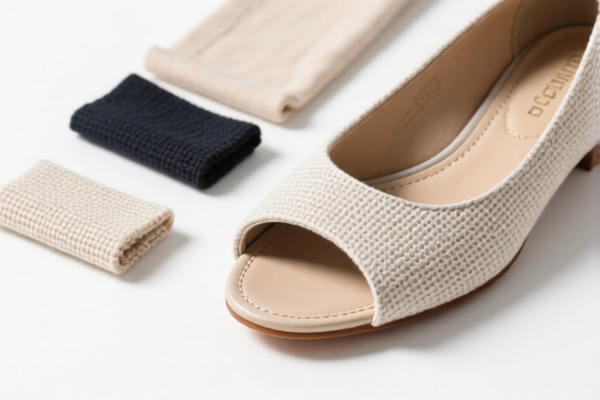
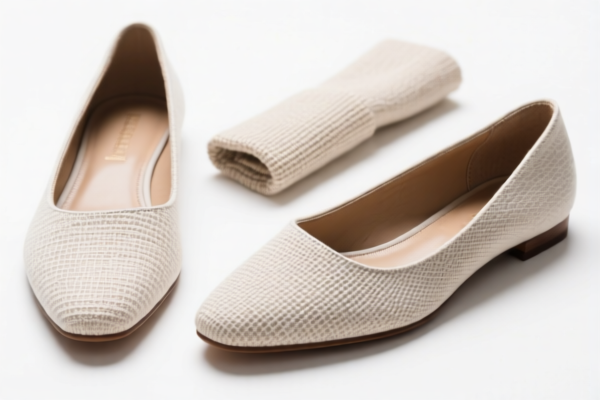
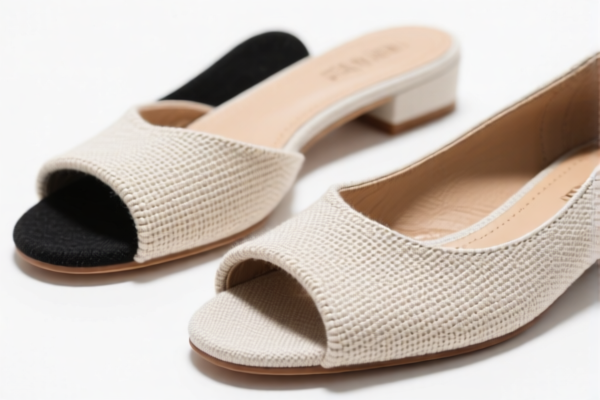
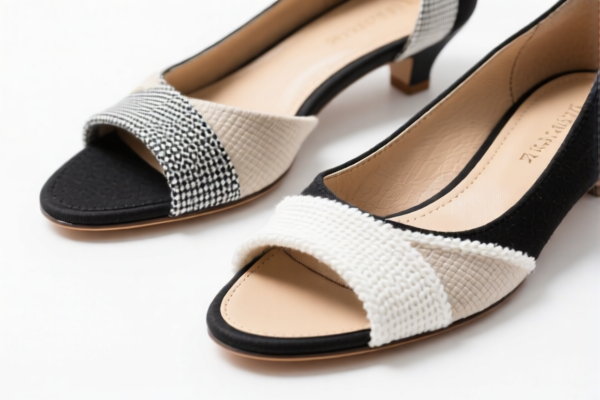
AI Analysis
👟 Shoes (Other) | Footwear Classification & Customs Clearance Guide
🌐 HS Code Reference & Customs Strategy | 2026 Latest Tariff Analysis | Professional Entry Guide
📌 I. Product Definition & Classification: What Exactly Are "Other Shoes"?
In international trade, "Shoes (Other)" refers to footwear that does not fall into specific categories like sports shoes, ski boots, or footwear with upper leather. These are generally classified based on the material of the upper (鞋面) and the material of the sole/outsole (外底/鞋底).
The critical distinction lies in the combination of materials: * Outer Sole (Outsole): Rubber, Plastic, Leather, Textile, or Composite. * Upper: Leather, Textile, Rubber, Plastic, or Composite.
⚠️ Key Classification Point:
- If the outer sole is leather → Typically falls under 6403.xxxx.
- If the outer sole is rubber/plastic/textile and the upper is textile → Typically falls under 6404.xxxx.
- If the upper is leather and the sole is mixed → Can still fall under 6403.99.90.65 depending on specific material hierarchy.
📦 II. HS Code Classification Details (2026 Latest Tariff Authority Comparison)
| HS Code | Product Description | Primary Material Characteristics | Applicability |
|---|---|---|---|
6403.59.90.61 |
Shoes (Other), treated as other outer soles of leather | Outer Sole: Leather Upper: Not specified (treated as other) |
Leather-soled dress shoes, casual leather-bottom shoes |
6404.20.60.80 |
Shoes (Other), sole of leather/composite leather, upper of textile | Sole: Leather or Fur Composite Leather Upper: Textile Material |
Textile uppers with leather-composite soles (common in fashion sneakers) |
6404.19.89.90 |
Shoes (Other), outer sole of rubber/plastic, upper of textile | Outer Sole: Rubber or Plastic Upper: Textile Material |
Classic canvas shoes, textile sneakers, running shoes with rubber soles |
6404.19.79.90 |
Shoes (Other), potentially containing rubber, plastic, or leather sole | Sole: Mixed (Rubber/Plastic/Leather) Upper: Implied Textile/Other |
Mixed-material soles, complex composite sole structures |
6403.99.90.65 |
Shoes (Other), potentially containing leather upper & rubber/plastic/leather/synthetic leather sole | Upper: Leather (Primary) Sole: Mixed (Rubber/Plastic/Leather/Synthetic) |
Leather-upper shoes with non-leather mixed soles |
🔍 Critical Reminder:
- 6403 codes generally require a leather outer sole OR a leather upper with specific sole types. - 6404 codes generally require a textile upper with a non-leather outer sole (rubber/plastic/textile). - Misclassification Risk: Declaring a textile-upper shoe with a rubber sole as6403(leather category) will lead to significant tax discrepancies and customs delays.
💰 III. 2026 Latest Tariff Rate Breakdown (Including Surtaxes & Policy Add-ons)
✅ Applicable Country: USA (US)
✅ Origin: China (CN)
✅ Effective Time: Current (Includes subsequent imports)
⚠️ Note: All rates below include Section 301 Surtax, Section 122 Tariff, and Base Duty.
🎯 1. 6403.59.90.61 —— Shoes with Leather Outer Sole
| Item | Content |
|---|---|
| Base Duty | 10.0% |
| Surtax (Sec 301) | 0.0% |
| Section 122 Tariff | 10.0% |
| Total Tax Rate | 20.0% |
| Calculation Basis | CIF Value × 20% |
| De Minimis Exemption | ❌ Not Applicable (High duty threshold) |
📌 Explanation:
- This classification benefits from 0% Section 301 surtax compared to other shoe categories. - However, it still carries the 10% Section 122 tariff (if applicable to current trade policy) and 10% base duty. - Total Cost Impact: Moderate. Lower than textile shoes in this specific dataset.
🎯 2. 6404.20.60.80 —— Textile Upper, Leather/Composite Sole
| Item | Content |
|---|---|
| Base Duty | 37.5% |
| Surtax (Sec 301) | 7.5% |
| Section 122 Tariff | 10.0% |
| Total Tax Rate | 55.0% |
| Calculation Basis | CIF Value × 55.0% |
| De Minimis Exemption | ❌ Not Applicable |
📌 Note:
- High base duty (37.5%) due to "textile upper" classification under 6404. - Adds 7.5% Section 301 surtax and 10% Section 122. - Total Cost Impact: High. Significant for fashion textiles.
🎯 3. 6404.19.89.90 —— Textile Upper, Rubber/Plastic Sole
| Item | Content |
|---|---|
| Base Duty | 90¢/pr. + 20% |
| Surtax (Sec 301) | 7.5% |
| Section 122 Tariff | 10.0% |
| Total Tax Structure | 90¢/pr. + 20% + 7.5% + 10% |
| Calculation Basis | (CIF Value × 37.5%) + (90¢ per pair) |
| De Minimis Exemption | ❌ Not Applicable |
📌 Warning:
- This is a specific duty + ad valorem combo. - Base duty is 20%, plus $0.90 per pair. - Add 7.5% surtax and 10% Section 122. - Total Effective Rate: ~37.5% + $0.90/pair. - Risk: For low-value shoes, the $0.90/pair fixed duty can disproportionately increase the percentage cost.
🎯 4. 6404.19.79.90 —— Mixed Sole, Textile/Other Upper
| Item | Content |
|---|---|
| Base Duty | 90¢/pr. + 37.5% |
| Surtax (Sec 301) | 7.5% |
| Section 122 Tariff | 10.0% |
| Total Tax Structure | 90¢/pr. + 37.5% + 7.5% + 10% |
| Calculation Basis | (CIF Value × 55.0%) + (90¢ per pair) |
| De Minimis Exemption | ❌ Not Applicable |
📌 Note:
- Highest ad valorem base duty (37.5%) in this dataset. - Plus $0.90/pair. - Add 7.5% surtax and 10% Section 122. - Total Effective Rate: ~55.0% + $0.90/pair. - Highest Cost Category: This classification is the most expensive due to high base duty + fixed duty + surtaxes.
🎯 5. 6403.99.90.65 —— Leather Upper, Mixed Sole
| Item | Content |
|---|---|
| Base Duty | 10.0% |
| Surtax (Sec 301) | 0.0% |
| Section 122 Tariff | 10.0% |
| Total Tax Rate | 20.0% |
| Calculation Basis | CIF Value × 20.0% |
| De Minimis Exemption | ❌ Not Applicable |
📌 Explanation:
- Despite having a leather upper, the sole is mixed (rubber/plastic/etc.). - However, it avoids Section 301 surtax (0%) like6403.59.90.61. - Only 10% base duty + 10% Section 122. - Total Cost Impact: Low. Competitive advantage over textile shoes.
🛠️ IV. Customs Clearance Practical Advice (Battle-Tested Pitfall Guide)
✅ 1. Documentation Checklist (Non-Negotiable)
| Document | Required | Explanation |
|---|---|---|
| ✅ Product Spec Sheet | ✔️ | Must clearly define Upper Material (Leather/Textile/Rubber) and Sole Material (Leather/Rubber/Plastic/Composite). |
| ✅ Material Composition Breakdown | ✔️ | Percentage of materials (e.g., "80% Leather Upper, 20% Synthetic"). Critical for 6403 vs 6404. |
| ✅ Product Photos (Clear) | ✔️ | Close-ups of sole texture, upper stitching, and interior lining. |
| ✅ Commercial Invoice | ✔️ | Must state "Footwear" and specify HS Code. |
| ✅ Packing List | ✔️ | Confirm quantity and pair count (for 90¢/pr. duties). |
| ✅ Origin Certificate | ✔️ | To confirm CN origin and apply correct surtaxes. |
✅ 2. Declaration Tips (Key Mnemonics)
🔥 "Leather Sole = 6403 (Low Tax); Textile Upper = 6404 (High Tax)"
| Scenario | Correct Declaration | Wrong Practice |
|---|---|---|
| Shoe with Leather Sole | 6403.59.90.61 |
Misdeclare as 6404 → Tax Jump from 20% to 55%! |
| Shoe with Textile Upper + Rubber Sole | 6404.19.89.90 |
Misdeclare as 6403 → Customs Inspection & Fine |
| Shoe with Leather Upper + Rubber Sole | 6403.99.90.65 |
Misdeclare as 6404 → Unnecessary 35%+ Tax Increase |
| Shoe with Textile Upper + Leather Composite Sole | 6404.20.60.80 |
Misdeclare as 6403 → Rejection due to Upper Material |
✅ 3. Special Cases Handling
| Case | Handling Advice |
|---|---|
| Composite Sole (Leather + Rubber) | If leather is the outermost layer of the sole → Try for 6403.59.90.61 (10% + 10% = 20%). If leather is inner layer → Likely 6404.20.60.80 (55%). Document structure clearly! |
| Textile Upper with Leather Lining | Still classified as Textile Upper → 6404 category. Linings do not change HS code. |
| Synthetic Leather Upper | If "Synthetic Leather" is not genuine animal leather → Often treated as Textile/Plastic → 6404 (Higher Tax). Verify material certification. |
| Footwear with "Athletic" Features | If it meets specific sports shoe definitions (e.g., tennis, basketball), it may fall under different headings (e.g., 6404.11). Check specific sport definitions. |
🌍 V. Global Market Comparison (2026 Latest)
| Country/Region | Recommended HS Code | Tariff Rate (China Origin) | Certification | Notes |
|---|---|---|---|---|
| 🇺🇸 USA | 6403.59.90.61 or 6403.99.90.65 |
20% (Low) | None specific | Best for Leather Upper/Sole |
| 🇺🇸 USA | 6404.20.60.80 |
55% (High) | None specific | Avoid if possible; high tax |
| 🇺🇸 USA | 6404.19.89.90 |
90¢/pr. + ~37.5% | None specific | High effective rate for low-cost shoes |
| 🇪🇺 EU | 6403 or 6404 |
Varies (0-17%) | CE (if safety) | No Section 122/301 surtax |
| 🇨🇳 China | 6403 or 6404 |
Varies (10-30%) | CCC (if applicable) | Import duty for foreign shoes |
📌 Conclusion:
- USA is the most punitive market for footwear due to Section 122 & 301 tariffs. - Strategy: Optimize design to qualify for 6403 (Leather Sole/Upper) to secure 20% total rate vs 55% for textiles. - Key Leverage: Material composition declaration is the single biggest factor in tax optimization.
📌 VI. Common Mistakes & Pitfalls (Blood & Tears Lessons)
❌ Mistake 1: Declaring "Leather Upper" shoes with rubber soles as 6404 (Textile)
👉 Consequence: You might save tax? NO! 6403.99.90.65 is 20%. 6404 is 37.5%+. Misdeclaring a leather-upper shoe as textile (6404) would be incorrect and risky if audited, but more importantly, misdeclaring a textile shoe as leather (6403) is smuggling.
Correction: Declare accurately based on upper material. Leather Upper → 6403. Textile Upper → 6404.
❌ Mistake 2: Ignoring the $0.90/pair fixed duty in 6404.19.xxxx
👉 Consequence: For cheap shoes ($5/pair), $0.90 is 18% of the value. Combined with ad valorem, the effective rate can exceed 40-50%.
Correction: Factor in per-pair duty in cost modeling for low-value footwear.
❌ Mistake 3: Ambiguous "Composite Leather" description
👉 Consequence: Customs may classify as Synthetic/Textile (6404) instead of Leather (6403/6404-leather sole), leading to 55% tax.
Correction: Provide material test reports proving "Composite Leather" contains genuine leather and meets HS definitions.
🎯 VII. Conclusion: Precision Classification Saves Money
🎯 Key Takeaways:
🔹 "Leather Sole/Upper = 6403 = 20% Tax" (Best Case)
🔹 "Textile Upper + Rubber Sole = 6404 = 37.5% + $0.90" (Medium Case)
🔹 "Textile Upper + Leather Sole = 6404 = 55% Tax" (Worst Case)
📌 Pro Tip:
If you are importing from China to the USA:
1. Maximize Leather Content in the Upper or Sole to qualify for 6403 codes.
2. Avoid "Textile Upper + Leather Sole" combination (6404.20.60.80) if possible, as it carries a 55% duty.
3. Always Declare Specific Material Composition to avoid customs reclassification and penalties.
📣 Immediate Action:
📞 Consult a Customs Broker
📄 Prepare Material Breakdown Sheets
🚀 Optimize Product Design for 20% Tariff Bracket
✨ Smart Classification. Lower Duties. Faster Clearance.
💼 Your Profit Margin Depends on Your HS Code!
Customer Reviews
About HS Code Classification
The Harmonized System (HS) is an internationally standardized nomenclature developed by the World Customs Organization (WCO) to classify traded products. Over 200 countries use the HS system as the basis for customs tariffs, trade statistics, and import/export regulations.
Each HS code follows a hierarchical structure:
- Chapter (2 digits) — Broad category of goods (e.g., Chapter 84: Machinery and Mechanical Appliances)
- Heading (4 digits) — More specific grouping within the chapter
- Subheading (6 digits) — Internationally standardized breakdown, used by all WCO member countries
- National subdivisions (8-10 digits) — Country-specific extensions for further classification, such as US HTSUS 10-digit codes
Correct HS code classification is essential for smooth customs clearance, accurate duty payment, and compliance with trade regulations. Misclassification can lead to customs delays, overpayment of duties, or penalties.
When importing from CN to US, the applicable tariff rates may include:
- Most-Favored-Nation (MFN) rate — The standard duty rate applied to WTO members
- General rate — Applied to countries without trade agreements
- Trade remedy duties — Additional tariffs such as Section 301 (anti-dumping), Section 232 (national security), or countervailing duties
The information provided on this page is for reference purposes only. For official classification, please consult with your local customs authority or a licensed customs broker.