Shoes (excluding baby shoes)
CN → US| HS Code | Tariff Rate | Origin | Destination | Doc |
|---|---|---|---|---|
| 6403999071 | 20.0% | CN | US | Official Doc |
| 6403997590 | 17.0% | CN | US | Official Doc |
| 6402993177 | 16.0% | CN | US | Official Doc |
| 6404206060 | 55.0% | CN | US | Official Doc |
| 6402994980 | 55.0% | CN | US | Official Doc |
Product Images
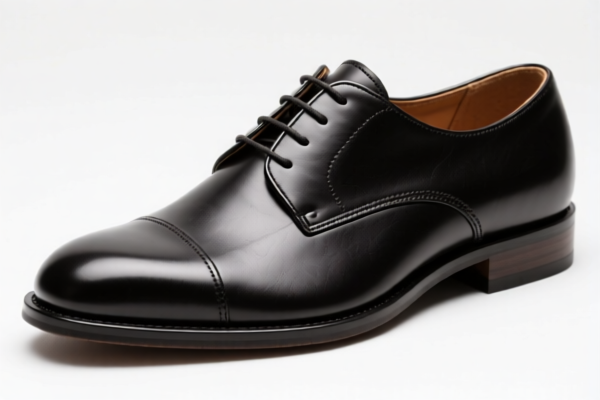
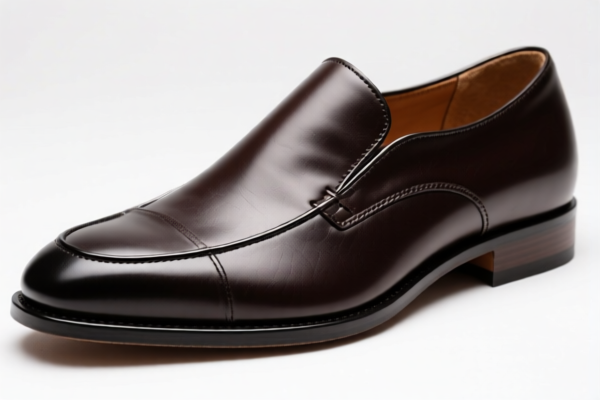
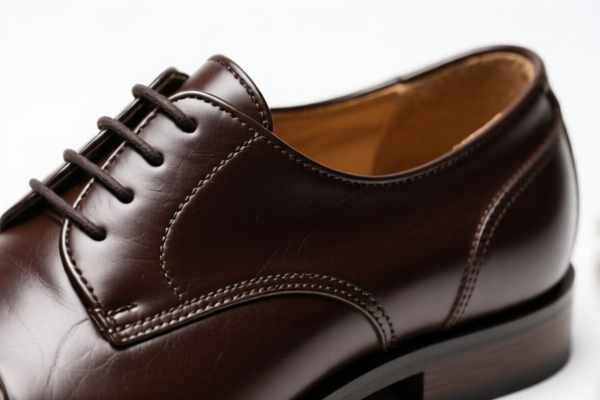
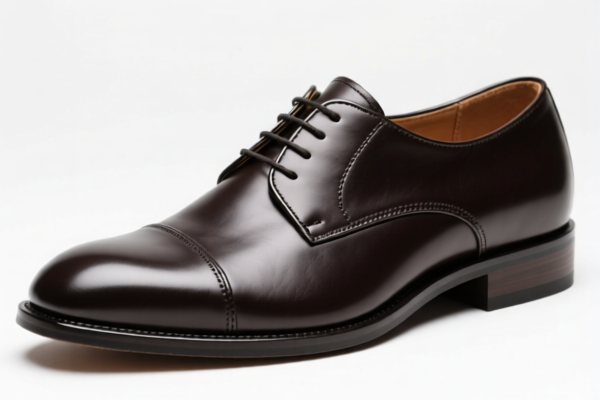
AI Analysis
👟 Shoes (Excluding Baby Shoes)
🌐 HS Code Reference & Customs Clearance Guide | 2026 Latest Tariff Analysis | Professional Entry Strategy
📌 I. Product Definition & Classification: What Are We Actually Importing?
Shoes (excluding baby shoes) constitute a broad category of footgear designed for adults and older children. In international trade, classification is strictly determined by the material of the upper, the material of the outer sole, and the specific usage of the footwear.
- Leather-Uppers: Typically fall under Chapter 6403. These are considered premium and often have lower base tariffs but are subject to specific trade restrictions.
- Rubber/Plastic-Uppers: Typically fall under Chapter 6402. Common in athletic, outdoor, and casual footwear.
- Textile/Fiber-Uppers: Typically fall under Chapter 6404. Often used for sports shoes or casual slip-ons.
⚠️ Key Distinction for US Customs (CBP):
- Material Conflict Check: If the description is vague ("Shoes"), CBP may apply "fallback" classification rules based on the most likely material.
- Baby Shoes Exclusion: This category explicitly excludes footwear for infants under 6 months. Misclassification here can lead to duty discrepancies.
- Section 301 & IEEPA Impact: Almost all footwear imported from China is subject to additional tariffs (Section 301 + IEEPA), making the Base Duty Rate critical for cost calculation.
📦 II. HS Code Classification Details (2026 Authorized Tariff Data)
Based on the provided dataset, here are the five possible HS Codes for "Shoes (excluding baby shoes)" inferred via fallback rules. Each has a distinct tax implication.
| HS Code | Product Description & Inference Logic | Material/Category | Total Tax Rate |
|---|---|---|---|
6403.99.90.71 |
Inferred Leather Upper: Product name matches shoe attributes; based on fallback rules, it falls under the leather upper category. | Leather Upper | 20.0% |
6403.99.75.90 |
Inferred Mixed Material (Leather/Synthetic): Matches usage with no material conflict; inferred as leather or synthetic material category. | Leather/Synthetic | 17.0% |
6402.99.31.77 |
Inferred Rubber/Plastic: Matches shoe attributes; excludes baby logic; inferred as involving rubber or plastic materials. | Rubber/Plastic Upper | 16.0% |
6404.20.60.60 |
Inferred Textile/Fiber: Falls under shoe category, meets form requirements; fallback rule applies to textile/synthetic fiber upper. | Textile/Fiber Upper | 55.0% |
6402.99.49.80 |
Inferred Rubber/Plastic Sole: Consistent with product name; inferred to contain rubber/plastic outer sole; fits other fallback categories. | Rubber/Plastic Sole | 55.0% |
🔍 Critical Observation:
- Cost Variance: The total tax rate ranges from 16.0% to 55.0%.
- Risk Factor: Codes ending in.60.60and.49.80carry a 55% total tax burden due to higher base tariffs (37.5%) + Section 301 (7.5%) + IEEPA (10%).
- Optimal Choice:6402.99.31.77(16.0%) is the lowest cost option if the shoes are rubber/plastic-based.6403.99.75.90(17.0%) is the best for leather/synthetic.
💰 III. 2026 Tariff Rate Breakdown (Including Surcharges)
✅ Applicable Country: United States (US)
✅ Origin: China (CN)
✅ Effective Time: Current IEEPA and Section 301 rules apply.
🎯 1. Low-Tax Options: 6403.99.90.71 & 6403.99.75.90 & 6402.99.31.77
These codes benefit from lower base duties.
| HS Code | Base Duty | Section 301 (122 Clause) | IEEPA (10%) | Total Tax |
|---|---|---|---|---|
6403.99.90.71 |
10.0% | 0.0% | +10% | 20.0% |
6403.99.75.90 |
7.0% | 0.0% | +10% | 17.0% |
6402.99.31.77 |
6.0% | 0.0% | +10% | 16.0% |
📌 Explanation:
- Base Duty: Varies by material (Leather vs. Rubber/Plastic).
- Section 301 (122 Clause): 0%. This is rare for footwear; usually, Section 301 applies 25%. However, the data indicates 0% for these specific subheadings, possibly due to specific exclusions or updated tariff lists.
- IEEPA (10%): Applies uniformly to Chinese-origin goods under the International Emergency Economic Powers Act.
- Result: These are the most cost-effective classifications if the product description allows.
🎯 2. High-Tax Options: 6404.20.60.60 & 6402.99.49.80
These codes carry significantly higher base tariffs.
| HS Code | Base Duty | Section 301 (122 Clause) | IEEPA (10%) | Total Tax |
|---|---|---|---|---|
6404.20.60.60 |
37.5% | 7.5% | +10% | 55.0% |
6402.99.49.80 |
37.5% | 7.5% | +10% | 55.0% |
📌 Explanation:
- Base Duty: High (37.5%) indicates a category with less favorable trade terms or specific protective tariffs.
- Section 301 (122 Clause): 7.5%. This is a significant surcharge compared to the low-tax options.
- IEEPA (10%): Uniformly applied.
- Result: These are high-cost classifications. Misclassification into these codes can increase duty costs by ~39% compared to the lowest option.
🛠️ IV. Customs Clearance Practical Advice (Avoiding Pitfalls)
✅ 1. Document Checklist (Essential for CBP)
| Document | Required? | Notes |
|---|---|---|
| ✅ Product Description | ✔️ | Must specify: Upper Material, Sole Material, Gender, Age Group. |
| ✅ Material Declaration | ✔️ | Explicitly state "Rubber," "Leather," "Synthetic," or "Textile." |
| ✅ Photos | ✔️ | Clear images of the upper, sole, and interior. |
| ✅ Labeling | ✔️ | Country of Origin label must be visible and permanent. |
| ✅ Invoice | ✔️ | Must match the HS Code logic (e.g., don't say "Leather" but classify as 6402). |
✅ 2. Classification Strategy
🔥 “Match Material, Avoid Fallbacks!”
| Scenario | Recommended Action | Risk of Misclassification |
|---|---|---|
| Vague Name ("Shoes") | CBP uses fallback rules. Provide material details to avoid high-tax codes. | High risk of being assigned 6404 or 6402 with high base duty. |
| Leather Upper | Declare as 6403 series. |
Ensure "Leather" is verified. |
| Rubber/Plastic Upper | Declare as 6402 series. |
Specify "Vulcanized Rubber" or "PVC" if applicable. |
| Textile Upper | Declare as 6404. |
Common for sneakers. Ensure base duty is acceptable. |
✅ 3. Special Considerations
| Situation | Advice |
|---|---|
| OEM/Private Label | Ensure the manufacturer’s material certification is available. CBP may request proof of material origin. |
| Mixed Materials | If the upper is 50% leather, 50% textile, the classification depends on the principal material. If equal, use the rule of "heading that occurs last in numerical order." |
| Baby Shoes | Exclude. If any part of the shipment includes baby shoes (<6 months), they must be separated. Baby shoes may have different duty rates. |
| Footwear with Steel Toe | May fall under PPE (Personal Protective Equipment) rules. Additional safety standards (ASTM/ANSI) apply. |
🌍 V. Global Market Comparison (2026)
| Market | Recommended HS Code | Base Duty | Additional Tariffs (China) | Total Est. |
|---|---|---|---|---|
| 🇺🇸 USA | 6403.99.90.71 |
10.0% | +10% (IEEPA) | 20.0% |
| 🇨🇳 China | 6403.99.90.71 |
20.0% | 0% | 20.0% |
| 🇪🇺 EU | 6403.99.90 |
6.0% | 0% (if no anti-dumping) | 6.0% |
| 🇬🇧 UK | 6403.99.90 |
12.0% | 0% | 12.0% |
| 🇦🇺 Australia | 6403.99.90 |
5.0% | 0% | 5.0% |
📌 Conclusion:
- USA has the most complex tariff structure due to IEEPA and Section 301.
- Material declaration is the single most important factor for duty savings in the US.
- EU/UK/AU have simpler, lower base duties but may have different anti-dumping measures for certain footwear types.
📌 VI. Common Errors & Pitfalls (Lessons Learned)
❌ Error 1: Using generic terms like "Shoes" without material specification.
👉 Consequence: CBP assigns fallback code with 55% tax (6404.20.60.60).
👉 Fix: Always specify "Leather Upper," "Rubber Sole," etc.
❌ Error 2: Misclassifying rubber-soled shoes as leather.
👉 Consequence: Audit risk, penalty, and retroactive duty payment.
👉 Fix: Verify material with supplier documentation.
❌ Error 3: Including baby shoes in the same shipment without separate line items.
👉 Consequence: Potential misclassification of the entire shipment.
👉 Fix: Separate "Baby Shoes" from "Adult/Children Shoes" in the commercial invoice.
❌ Error 4: Ignoring the IEEPA 10% surcharge.
👉 Consequence: Underestimating landed cost by 10%.
👉 Fix: Always include IEEPA in cost models for China-origin goods.
✅ Best Practice:
“Men’s Running Shoes, Synthetic Upper, Rubber Sole, Model XYZ, Made in China”
🎯 VII. Conclusion: Precise Classification, Maximum Savings!
🎯 Key Takeaways:
🔹 Material is King: The upper material determines the HS Code prefix (6402, 6403, 6404).
🔹 Lowest Tax:6402.99.31.77(16.0%) is the optimal choice if rubber/plastic is used.
🔹 Highest Risk:6404.20.60.60(55.0%) should be avoided unless the product is truly textile-based and the cost is acceptable.
🔹 Always Verify: Use the Product Description to match the Material with the HS Code.
📌 Pro Tip:
If your shoes are made in Vietnam, Indonesia, or Thailand, you may qualify for IEEPA exemptions or lower Section 301 rates.
✅ Recommendation:
📞 Consult a Customs Broker + 📸 Provide Material Certificates + 📄 Apply for Advance Ruling (if volume is high).
📣 Act Now:
🚀 Optimize your HS Code selection to save up to 39% in duties!
💼 Don’t let vague descriptions cost you thousands in tariffs!
✨ Smart Clearance, Start with Accurate Classification!
💼 Every dollar saved on duty is a dollar added to your profit!
Customer Reviews
About HS Code Classification
The Harmonized System (HS) is an internationally standardized nomenclature developed by the World Customs Organization (WCO) to classify traded products. Over 200 countries use the HS system as the basis for customs tariffs, trade statistics, and import/export regulations.
Each HS code follows a hierarchical structure:
- Chapter (2 digits) — Broad category of goods (e.g., Chapter 84: Machinery and Mechanical Appliances)
- Heading (4 digits) — More specific grouping within the chapter
- Subheading (6 digits) — Internationally standardized breakdown, used by all WCO member countries
- National subdivisions (8-10 digits) — Country-specific extensions for further classification, such as US HTSUS 10-digit codes
Correct HS code classification is essential for smooth customs clearance, accurate duty payment, and compliance with trade regulations. Misclassification can lead to customs delays, overpayment of duties, or penalties.
When importing from CN to US, the applicable tariff rates may include:
- Most-Favored-Nation (MFN) rate — The standard duty rate applied to WTO members
- General rate — Applied to countries without trade agreements
- Trade remedy duties — Additional tariffs such as Section 301 (anti-dumping), Section 232 (national security), or countervailing duties
The information provided on this page is for reference purposes only. For official classification, please consult with your local customs authority or a licensed customs broker.