Shopping Handbags
CN → US| HS Code | Tariff Rate | Origin | Destination | Doc |
|---|---|---|---|---|
| 4602900000 | 38.5% | CN | US | Official Doc |
| 4202228930 | 52.6% | CN | US | Official Doc |
| 4202228100 | 52.6% | CN | US | Official Doc |
| 4202224020 | 42.4% | CN | US | Official Doc |
Product Images
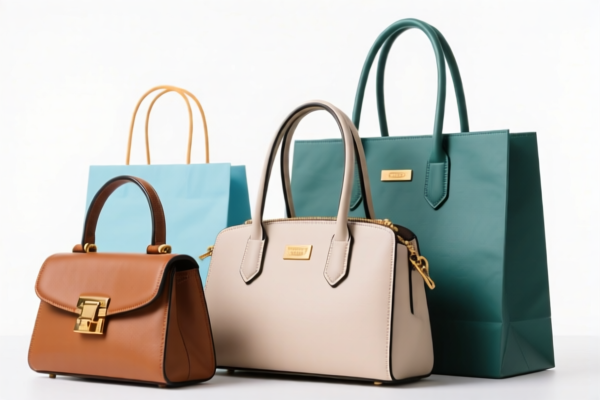
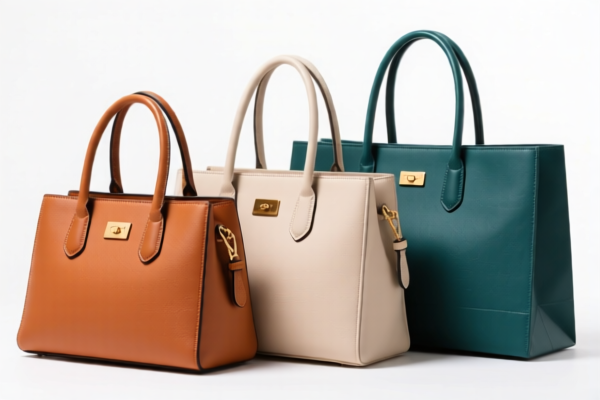
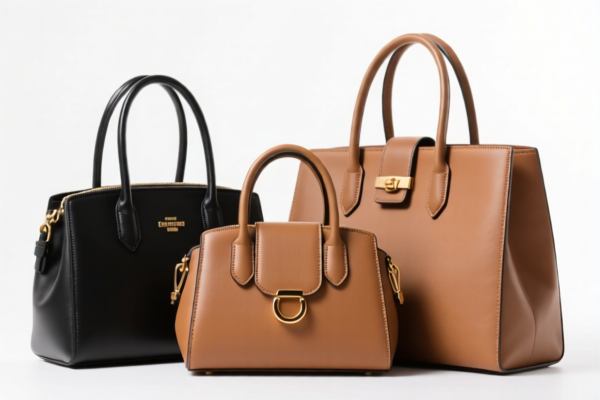
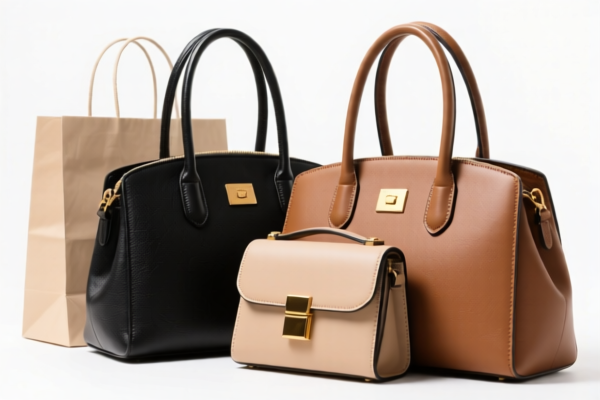
AI Analysis
👜 Shopping Handbags (Textile-Based)
🌐 HS Code Reference & Customs Clearance Guide | 2026 Latest Tariff Analysis | Professional Clearance Strategy
📌 I. Product Definition & Classification: Are You Sure You Know “Shopping Handbags”?
Shopping handbags are essential accessories for daily travel, office commutes, and retail activities. In international trade, their classification depends heavily on material composition and physical form. Based on the provided data, textile-based shopping handbags generally fall into two main categories:
1. Woven Articles (Basketry/Matting type):
- If the bag is made entirely of woven plant materials, straw, or textile fibers treated as "woven articles," it may be classified under Chapter 46.
- Key Identifier: Focuses on the "woven" manufacturing process rather than traditional bag construction.
2. Luggage & Handbags (Textile Surface):
- If the bag has a distinct structure (handles, lining, zippers) and an outer surface made of textile materials, it falls under Chapter 42.
- Key Identifier: Recognized as a "handbag" or "pocketbook" with specific functional features.
⚠️ Critical Distinction:
- If the item is a simple woven container without traditional bag hardware (zippers, lining) → HS 4602.90.00.00
- If the item is a structured handbag/purse with textile exterior → HS 4202.22.xxxx
📦 II. HS Code Classification Details (2026 Latest Tariff Authority Comparison)
| HS Code | Product Description | Applicability Scenario | Total Tax Rate | Tax Breakdown |
|---|---|---|---|---|
4602.90.00.00 |
Woven goods of vegetable materials (or similar woven textiles treated as basketry) | Woven straw bags, mat-like handbags, decorative woven containers | 38.5% | Base: 3.5%, Section 301: 25.0%, IEEPA: 10% |
4202.22.89.30 |
Handbags, even with shoulder strap, with outer surface of textile materials (Other) | Standard textile shopping bags, branded totes, non-leather fashion bags | 52.6% | Base: 17.6%, Section 301: 25.0%, IEEPA: 10% |
4202.22.81.00 |
Handbags, even with shoulder strap, with outer surface of textile materials (Of synthetic fibers) | Synthetic fiber handbags (Nylon, Polyester, etc.) | 52.6% | Base: 17.6%, Section 301: 25.0%, IEEPA: 10% |
4202.22.40.20 |
Handbags, even with shoulder strap, with outer surface of textile materials (Of artificial fibers) | Bags made of artificial fibers (Rayon, Viscose, etc.) | 42.4% | Base: 7.4%, Section 301: 25.0%, IEEPA: 10% |
🔍 Key Reminder:
- Chapter 42 vs. Chapter 46: Most commercial "handbags" with zippers, linings, and handles are NOT considered simple "woven goods" under Chapter 46. They are classified as articles of leather or textile handbags under Chapter 42. - Material Matters: Under Chapter 42, the type of fiber (Synthetic vs. Artificial vs. Other) significantly changes the base tariff rate. - Total Tax Burden: All categories listed include heavy US trade remedy tariffs (Section 301 + IEEPA), resulting in high total duties.
💰 III. 2026 Latest Tariff Rate Details (Including Additional Taxes & Policy Surcharges)
✅ Applicable Country: United States (US)
✅ Origin: China (CN)
✅ Effective Date: 2025 November 10 onwards (including subsequent imports)
🎯 1. 4602.90.00.00 —— Woven Goods (Basketry Category)
| Item | Content |
|---|---|
| Base Tariff | 3.5% (ad valorem) |
| USITC Additional Tariff | +25.0% (From USITC Footnote 9903.88.01) |
| IEEPA Additional Tariff | +10.0% (Targeting China/HK products, from 2025-11-10) |
| Total Tax Rate | 38.5% |
| Tax Calculation | CIF Value × 38.5% |
| De Minimis Exemption? | ❌ No (deny_de_minimis) |
| Legal Basis Path | IEEPA:9903.01.25 → IEEPA:9903.01.24 → USITC:4602.90.00.00 → FOOTNOTE:9903.88.01 |
📌 Explanation:
- Although the base rate is low (3.5%), the additional tariffs bring the total to 38.5%. - This code is risky if the product is clearly a "handbag" rather than a "woven article," as misclassification can lead to penalties.
🎯 2. 4202.22.89.30 & 4202.22.81.00 —— Handbags (Textile Surface, Other/Synthetic)
| Item | Content |
|---|---|
| Base Tariff | 17.6% (ad valorem) |
| USITC Additional Tariff | +25.0% |
| IEEPA Additional Tariff | +10.0% |
| Total Tax Rate | 52.6% |
| Tax Calculation | CIF Value × 52.6% |
| De Minimis Exemption? | ❌ No (deny_de_minimis) |
| Legal Basis Path | IEEPA:9903.01.25 → IEEPA:9903.01.24 → USITC:4202.22.89.30 / 4202.22.81.00 |
📌 Note:
- Synthetic Fibers (Polyester/Nylon):4202.22.81.00→ 52.6% - Other Textiles (e.g., Cotton/Canvas if not specified as synthetic/artificial):4202.22.89.30→ 52.6% - This is the highest tax burden category among the options, applying to most standard fashion handbags.
🎯 3. 4202.22.40.20 —— Handbags (Textile Surface, Artificial Fibers)
| Item | Content |
|---|---|
| Base Tariff | 7.4% (ad valorem) |
| USITC Additional Tariff | +25.0% |
| IEEPA Additional Tariff | +10.0% |
| Total Tax Rate | 42.4% |
| Tax Calculation | CIF Value × 42.4% |
| De Minimis Exemption? | ❌ No (deny_de_minimis) |
| Legal Basis Path | IEEPA:9903.01.25 → IEEPA:9903.01.24 → USITC:4202.22.40.20 |
📌 Optimization Insight:
- If your handbag is made of Artificial Fibers (e.g., Rayon, Viscose, Modal), the base tariff is significantly lower (7.4%) compared to Synthetic (17.6%). - This results in a total tax of 42.4%, saving 10.2% compared to synthetic textile handbags.
🛠️ IV. Customs Clearance Practical Advice (Battle-Tested Pitfall Avoidance Guide)
✅ 1. Document Checklist (Essential)
| Document | Required? | Description |
|---|---|---|
| ✅ Product Specification Sheet | ✔️ | Must detail material composition (e.g., "100% Polyester," "Rayon Blend"). |
| ✅ Product Photos (Clear) | ✔️ | Show exterior, interior, handles, zippers, and labels. Must clearly show it’s a "handbag." |
| ✅ Commercial Invoice | ✔️ | Describe goods accurately: "Shopping Handbag, Textile Exterior, Model XYZ." |
| ✅ Packing List | ✔️ | Detail quantities and weights. |
| ✅ Origin Certificate | ❌ (But recommended) | If applicable, to prove origin. Note: US imposes tariffs on CN origin regardless. |
✅ 2. Declaration Tips (Key Mantras)
🔥 “Material Precision is Key, Structure Defines Category!”
| Scenario | Correct Declaration | Wrong Practice |
|---|---|---|
| Standard Fashion Bag | 4202.22.xxxx (Specify Fiber Type) |
Declare as "Woven Bag" (4602) → Misclassification Risk |
| Bag with Leather Trim | Check if >50% textile by surface area | If leather surface dominates, it may shift to 4202.11/12 |
| Simple Woven Tote | 4602.90.00.00 only if no bag structure |
If it has zippers/linings, it’s likely 4202 |
| Artificial Fiber Bag | Explicitly state "Artificial Fiber (Rayon)" | State only "Textile" → Customs may default to higher synthetic rates |
✅ 3. Special Situations Handling
| Situation | Handling Advice |
|---|---|
| Mixed Materials | If the bag has textile, leather, and plastic parts, the principal material (usually outer surface) determines the HS Code. |
| OEM/Custom Design | Provide design sketches and material composition reports to prove it’s not a simple "woven good." |
| Small Quantity Samples | Still subject to tariffs. De Minimis ($800) is denied for these HS codes from China. |
| High-Value Luxury Bags | Ensure accurate valuation. High tariffs on CIF value can significantly impact landed cost. |
🌍 V. Global Market Comparison (2026 Latest)
| Country/Region | Recommended HS Code | Tariff (CN Origin) | Certification | Remarks |
|---|---|---|---|---|
| 🇺🇸 USA | 4202.22.xxxx or 4602.90 |
38.5% - 52.6% | None specific | High trade barriers. IEEPA + 301 apply. |
| 🇨🇳 China | 4202.22.xxxx |
~10-15% | CCC (if applicable) | Lower base rates. |
| 🇪🇺 EU | 4202.22.xxxx |
~4-12% | CE (if safety relevant) | No Section 301 equivalent. |
| 🇬🇧 UK | 4202.22.xxxx |
~12-16% | UKCA | Post-Brexit tariffs apply. |
| 🇦🇺 Australia | 4202.22.xxxx |
~5-10% | N/A | Preferential rates may apply via FTA. |
📌 Conclusion:
- The USA is the most difficult market for textile handbags from China due to叠加 tariffs (301 + IEEPA). - Cost Optimization: Consider declaring correctly under4202.22.40.20(Artificial Fibers) if applicable to save ~10% in tariffs. - Avoid Misclassification: Do not force "Woven Goods" (4602) for structured bags. Customs audits frequently flag this.
📌 VI. Common Errors & Pitfall Guide (Lessons Learned)
❌ Error 1: Declaring a structured handbag (with lining/handles) as 4602.90.00.00 (Woven Goods).
👉 Consequence: Customs rejects, reclassifies to 4202.22.81.00 (52.6%), demands back taxes + penalties.
❌ Error 2: Vague material description ("Textile Handbag").
👉 Consequence: Customs defaults to the highest base rate category (Synthetic/Other), leading to 52.6% instead of 42.4%.
❌ Error 3: Assuming De Minimis ($800) applies.
👉 Consequence: Denied. All imports of these HS codes from China are fully taxable regardless of value.
❌ Error 4: Ignoring the "Outer Surface" rule.
👉 Consequence: If the outer surface is leather, not textile, the HS Code changes entirely (e.g., 4202.11/12). Misclassification leads to duty evasion charges.
✅ Correct Practice:
"Shopping Handbag, Outer Surface: 100% Rayon (Artificial Fiber), Lining: Polyester, Handles: Woven Rayon, Model ABC, Origin: China"
🎯 VII. Conclusion: Precise Classification Saves Thousands!
🎯 Remember the Mantra:
🔹 "Structure = Chapter 42, Woven Only = Chapter 46."
🔹 "Artificial Fibers Save 10% vs. Synthetic!"
🔹 "US Tariffs are High: 38.5% to 52.6%. No De Minimis!"
📌 Pro Tip:
If your handbags are originally produced in Vietnam, Thailand, or Mexico, you may qualify for IEEPA Exemptions or lower Section 301 rates.
Recommendation: Apply for Binding Ruling (Advance Ruling) from US Customs (CBP) to confirm the correct HS Code and avoid post-import audits.
📣 Immediate Action:
📞 Consult a Licensed Customs Broker + Provide Material Composition Reports
🚀 Optimize your supply chain, classify correctly, and maximize profit margins!
✨ Professional Clearance Starts with Accurate Classification!
💼 Every Percent of Duty Saved is Pure Profit!
Customer Reviews
About HS Code Classification
The Harmonized System (HS) is an internationally standardized nomenclature developed by the World Customs Organization (WCO) to classify traded products. Over 200 countries use the HS system as the basis for customs tariffs, trade statistics, and import/export regulations.
Each HS code follows a hierarchical structure:
- Chapter (2 digits) — Broad category of goods (e.g., Chapter 84: Machinery and Mechanical Appliances)
- Heading (4 digits) — More specific grouping within the chapter
- Subheading (6 digits) — Internationally standardized breakdown, used by all WCO member countries
- National subdivisions (8-10 digits) — Country-specific extensions for further classification, such as US HTSUS 10-digit codes
Correct HS code classification is essential for smooth customs clearance, accurate duty payment, and compliance with trade regulations. Misclassification can lead to customs delays, overpayment of duties, or penalties.
When importing from CN to US, the applicable tariff rates may include:
- Most-Favored-Nation (MFN) rate — The standard duty rate applied to WTO members
- General rate — Applied to countries without trade agreements
- Trade remedy duties — Additional tariffs such as Section 301 (anti-dumping), Section 232 (national security), or countervailing duties
The information provided on this page is for reference purposes only. For official classification, please consult with your local customs authority or a licensed customs broker.